
Burst Pipe in Durham? Immediate Action Steps & When to Call 24/7 Emergency Plumber

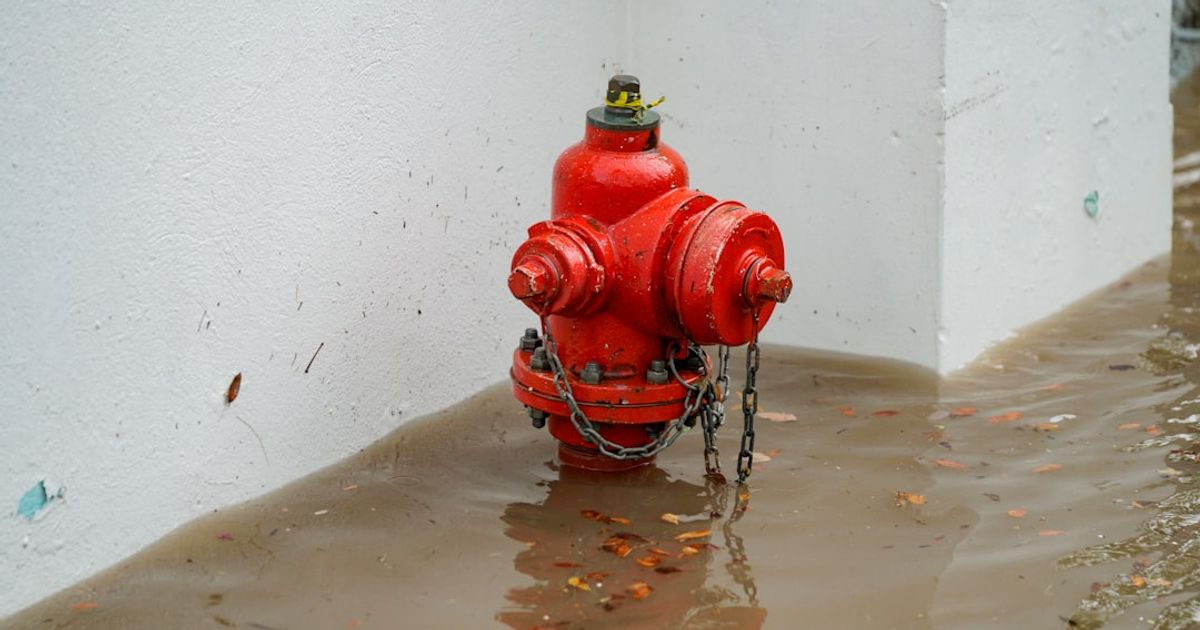
Burst Pipe in Durham? Immediate Action Steps & When to Call 24/7 Emergency Plumber
Introduction: Why Burst Pipes Demand Immediate Action
A burst pipe in Durham can transform from a manageable problem into a catastrophic disaster within minutes. Water damage restoration costs average $7 to $10 per square foot, meaning a burst pipe affecting just 500 square feet of your home could result in $3,500 to $5,000 in restoration expenses—before accounting for structural damage, mold remediation, or personal property loss.
Durham's unique climate and aging infrastructure create specific challenges for homeowners. The region experiences temperature fluctuations that stress pipes, particularly during winter months when freezing conditions can cause pipe ruptures. Additionally, many Durham homes feature older plumbing systems that are more susceptible to burst pipes due to corrosion, mineral buildup, and material fatigue over decades of use.
This comprehensive guide provides Durham homeowners with the exact action steps to take when facing a burst pipe emergency. Whether you're dealing with a visible leak in your Durham kitchen, a mysterious wet spot in your basement, or water spraying from behind your walls, the first 15 minutes are absolutely critical. By following these expert-recommended steps, you can dramatically reduce water damage, protect your home's structural integrity, and potentially save thousands of dollars. This guide walks you through each step methodically, explains the reasoning behind professional recommendations, and helps you understand when DIY efforts end and professional emergency plumbing becomes essential in Durham.
Step 1: Shut Off Water Immediately at the Main
Why This Is Your First Priority
When a pipe bursts in your Durham home, every second counts. Water flowing from a burst pipe can release 250 gallons per day or more, depending on the pipe's location and size. The moment you discover a burst pipe, your primary objective is stopping the water flow. Shutting off water at the main is the single most effective action you can take to prevent catastrophic water damage to your Durham property.
Unlike shutting off water to a specific fixture (like a toilet or sink), shutting off the main water valve stops water flow throughout your entire home. This is essential because you may not know the full extent of the burst pipe damage. Water can travel through walls, under floors, and into hidden spaces where it causes damage long after the initial burst. By shutting off the main water supply for your Durham home, you eliminate the source of the problem immediately.
How to Locate Your Main Water Shut-Off Valve
Your main water shut-off valve is typically located where the water line enters your Durham home. Common locations include:
- Basement or crawl space: Most Durham homes have their main valve in the basement, usually near the foundation wall or along the main water line entering from the street
- Utility room: Some Durham residences feature the main shut-off valve in a utility room or mechanical closet
- Garage: Homes with attached garages sometimes have the main valve located there
- Outside the home: In some Durham properties, particularly those with slab foundations, the main shut-off valve is located outside, often in a meter box in the front yard or near the street
If you haven't already located your main water shut-off valve, do this right now—before an emergency occurs. Many Durham homeowners don't know where their main valve is located, which wastes precious minutes during an actual burst pipe crisis. Open your basement door, look for the water meter, and trace the incoming water line. The shut-off valve is typically a round knob or lever-style handle on this line.
How to Shut Off Water at the Main
Once you've located your main water shut-off valve in your Durham home:
- Turn the valve clockwise if it's a knob-style handle. Turn it until it stops—don't force it, as this can damage the valve
- Push the lever down if it's a lever-style valve. Push it until it's perpendicular to the water line
- Verify the shut-off worked by going to the nearest faucet (kitchen sink is ideal) and turning it on. If water still flows, you may have turned the wrong valve. Return to the main valve and ensure it's fully closed
- Leave the faucet open after confirming the water is off. This relieves pressure in the pipes and allows any remaining water to drain out
For Durham residents with lever-style valves, remember that the handle should point in the direction of water flow when open. When perpendicular to the pipe, the valve is closed. This makes it easy to remember: parallel to the pipe = water flows, perpendicular to the pipe = water stops.
Common Mistakes to Avoid
Many Durham homeowners make critical errors during this crucial first step. Don't shut off only the cold water valve—if your burst pipe is on the hot water line, this won't stop the flow. The main shut-off valve controls all water entering your home. Additionally, don't waste time searching for the burst pipe's location before shutting off the main. Even if you can't immediately see where the burst occurred, shutting off the main stops damage from spreading. Finally, avoid using excessive force on older valves in Durham homes. If the valve won't turn, it may be corroded. Gentle, steady pressure is better than aggressive force that could break the valve entirely.
Step 2: Locate & Document the Burst Pipe
Why Documentation Matters for Insurance and Professional Repair
After shutting off the main water supply to your Durham home, your next step is locating the burst pipe and documenting its condition. This serves multiple purposes: it helps you understand the severity of the problem, provides crucial information for the emergency plumber you'll call, and creates documentation for your homeowner's insurance claim.
Insurance companies require evidence of the damage when processing claims for water damage in Durham. Professional photos and videos taken immediately after discovering the burst pipe establish the timeline and severity of the incident. This documentation becomes invaluable when filing your claim and negotiating coverage with your insurance provider.
How to Find the Burst Pipe
Locating a burst pipe in your Durham home requires systematic investigation:
Visible signs to look for:
- Water spraying or gushing from visible pipes in your basement, crawl space, or utility areas
- Wet spots on ceilings, walls, or floors that indicate water traveling from the burst location
- Discoloration, staining, or soft spots in drywall or flooring
- A hissing or spraying sound coming from within walls or under floors
- Puddles of water accumulating in specific areas
Search systematically:
Start in your basement or crawl space, as burst pipes are often visible there. Trace the main water line and branch lines coming from your water meter. Look for water actively dripping, spraying, or pooling. If the burst is in an upper floor or wall, you may see water damage on the ceiling below the burst location.
For burst pipes in Durham walls, you might notice water staining on the drywall, soft spots when you press on the wall, or water seeping from electrical outlets or baseboards. These signs indicate the burst is located within the wall cavity. Don't attempt to cut into walls to find the pipe—this is work for the professional emergency plumber you'll call.
Document Everything With Photos and Video
Once you've located the burst pipe (or identified the general area), document the damage:
- Take wide-angle photos showing the burst pipe in context of your home
- Capture close-up images of the actual burst, the water damage, and any visible water flow
- Record video showing the burst pipe location and the extent of water damage
- Note the time and date when you discovered the burst and when you shut off the water
- Take photos of wet areas throughout your home to document the spread of water
- Photograph any damaged personal property (furniture, electronics, flooring, etc.)
This documentation is essential for your Durham insurance claim. Keep these photos and videos organized and accessible when you contact your insurance company. Professional emergency plumbers in Durham also appreciate this documentation—it helps them understand what they're dealing with before arriving at your home.
What Information to Record for the Emergency Plumber
Beyond photos, write down specific details about the burst pipe:
- Location: "Basement, near the water heater" or "Under the kitchen sink"
- Pipe material: Copper, PVC, galvanized steel, or PEX (if you can identify it)
- Approximate pipe diameter: Quarter-inch, half-inch, three-quarter-inch, or one-inch
- Type of burst: Is the pipe completely severed, cracked, or pinhole-sized?
- Water damage extent: "Water in basement only" or "Water visible in kitchen ceiling"
- When it started: "Discovered at 2 PM" helps establish timeline
This information helps the emergency plumber in Durham prepare for your call and potentially identify whether they can make a temporary repair or if you'll need extensive work.
Step 3: Minimize Water Damage (Towels, Buckets, Fans)
Why Active Damage Control Prevents Secondary Problems
While waiting for your 24/7 emergency plumber in Durham to arrive, you must actively minimize water damage. Water sitting on floors, in walls, or on furniture quickly leads to secondary problems: mold growth, structural damage, and permanent staining. The window for effective damage mitigation is small—mold can begin growing within 24 to 48 hours of water exposure.
Your goal during this phase is threefold: (1) prevent water from spreading to unaffected areas, (2) begin removing water that has already accumulated, and (3) start the drying process. These actions can reduce overall damage costs significantly and prevent mold issues that would require professional remediation.
Immediate Water Containment and Removal
Start by containing the water:
Use towels strategically:
- Place towels around the burst pipe location to catch dripping water
- Create a barrier with towels to prevent water from flowing into adjacent rooms
- Use towels to block doorways and prevent water from spreading to carpeted areas
- Layer multiple towels in high-water areas; replace them as they become saturated
Deploy buckets and containers:
- Place buckets directly under active drips or spray
- Empty buckets regularly to prevent overflow
- Use larger containers (trash cans, plastic totes) for areas with heavy water flow
- Position containers to catch water before it spreads across floors
Remove standing water:
- Use a wet/dry vacuum to extract standing water from floors
- If you don't own a wet/dry vacuum, use towels to soak up water and wring them out
- Work systematically from the burst location outward
- Pay special attention to water pooling in low spots or under furniture
For Durham homes with basements, this step is particularly critical. Basement water can damage the foundation, create mold hazards, and affect the structural integrity of your home. If your burst pipe is in the basement, prioritize removing water from that area immediately.
Activate Air Circulation and Drying
Once you've contained and removed standing water, begin the drying process:
Open windows and doors:
- Open windows throughout your Durham home to increase air circulation
- Open interior doors between rooms to allow air to flow through affected areas
- If weather permits, open exterior doors as well
- This is especially important in Durham during mild seasons; avoid this step if outdoor humidity is extremely high
Use fans to accelerate drying:
- Position box fans to blow air across wet surfaces
- Ceiling fans help circulate air throughout rooms
- Point fans toward windows to push moist air outside
- Run fans continuously until the emergency plumber arrives and beyond
Use dehumidifiers if available:
- If you own a dehumidifier, run it in the affected areas
- Dehumidifiers remove moisture from the air, accelerating the drying process
- Empty the collection tank regularly
- If you don't own one, prioritize purchasing or renting one after the burst pipe is repaired
Protect furniture and personal items:
- Move furniture away from water-affected areas
- Elevate items off wet floors using plastic storage containers or wooden blocks
- Remove wet cushions, pillows, and fabric items to allow them to dry
- Separate books, documents, and electronics to prevent mold and damage
Protect Against Secondary Damage
While managing the immediate water situation, take steps to prevent additional damage:
- Turn off electricity to affected areas if water is near outlets or electrical equipment. Safety is paramount—water and electricity are a dangerous combination
- Move electronics away from water. Unplug devices and move them to dry areas
- Don't use the affected plumbing for anything. The system is shut off at the main, so you won't have water anyway
- Keep family members away from the burst pipe area, especially children and pets
- Document the damage progression with additional photos every 30 minutes. This shows your insurance company the extent of the problem
These damage-control measures buy you time and reduce the overall restoration costs. In Durham, where emergency response times might be 30 to 60 minutes even for 24/7 emergency plumbers, every minute of damage prevention counts.
Step 4: Call 24/7 Emergency Plumber in Durham
Why Professional Help Is Essential for Burst Pipes
After completing the first three steps—shutting off water, locating the burst pipe, and minimizing damage—your next critical action is calling a 24/7 emergency plumber in Durham. While some plumbing problems can be addressed with DIY solutions, burst pipes are not among them. This is the time to bring in professional expertise.
Burst pipes require professional repair because they involve understanding water pressure systems, identifying the full extent of damage (which may extend beyond what's visible), selecting appropriate repair methods, and ensuring the repair meets Durham building codes. Additionally, if the burst occurred in a main water line or sewer line, the complexity increases dramatically. Professional emergency plumbers in Durham have the tools, knowledge, and experience to handle these situations safely and effectively.
Finding a Reliable 24/7 Emergency Plumber in Durham
When searching for an emergency plumber in Durham, time is critical, but choosing wisely is equally important. A poor repair choice can lead to recurring problems and additional water damage.
How to find trusted emergency plumbers in Durham:
- Ask for recommendations from neighbors, friends, or family who've used emergency plumbers in Durham recently
- Check online reviews on Google, Yelp, and the Better Business Bureau specifically for Durham-area plumbers
- Call multiple plumbers in Durham—aim for at least three quotes. This gives you options and helps you understand pricing
- Verify licensing by checking with the North Carolina Licensing Board for General Contractors. Durham emergency plumbers must be properly licensed
- Confirm insurance that the plumber carries at least $1 million in liability insurance. This protects you if something goes wrong during the repair
- Ask about emergency rates upfront. Most Durham emergency plumbers charge 1.5 to 2 times their normal rates for after-hours service, plus potential weekend/holiday surcharges of $50 to $150
What to Tell the Emergency Plumber
When you call a 24/7 emergency plumber in Durham, have the following information ready:
- Your address in Durham and the best directions to your home
- The burst pipe location ("Basement near water heater" or "Under kitchen sink")
- When you discovered it (this establishes timeline for water damage)
- What you've done so far (shut off main water, documented damage, removed standing water)
- Any visible damage you've observed (wet spots, staining, water in specific areas)
- Your phone number and the best time to reach you
- Access information (gate codes, locked doors, etc.) if applicable
- Your insurance information if you have a homeowner's policy
Be honest about the situation. If the burst is actively spraying water despite shutting off the main, tell the plumber. If you suspect water damage behind walls, mention it. The more information you provide, the better prepared the emergency plumber in Durham will be.
Emergency Plumber Response Times in Durham
Durham emergency plumbers typically respond to burst pipe calls within 30 to 60 minutes during business hours. After-hours response times (evenings, nights, weekends) may extend to 60 to 120 minutes depending on the plumber's current workload and location within Durham. Always call immediately rather than waiting—the sooner you call, the sooner help arrives.
If the first plumber you contact has a long wait time, don't hesitate to call a second emergency plumber in Durham. You want professional help as quickly as possible. It's acceptable to schedule both and cancel one once the first arrives.
What to Expect From the Professional Repair
When the emergency plumber arrives in Durham, they will:
- Assess the damage by inspecting the burst pipe and water damage throughout your home
- Determine repair method based on the pipe location, material, and extent of the burst
- Explain options for the repair, including temporary versus permanent solutions
- Provide pricing for the repair work
- Execute the repair using appropriate materials and techniques
- Test the system to ensure water pressure is normal and there are no additional leaks
- Restore water service to your Durham home
- Provide documentation of the work completed for your insurance claim
Typical burst pipe repairs in Durham cost between $200 and $1,000 depending on the pipe location and repair complexity. A burst in an easily accessible basement location might cost $300 to $500, while a burst in a wall or under a slab foundation could cost $800 to $1,500 or more. Emergency rates (nights, weekends, holidays) add 50 to 100 percent to these costs.
Temporary Fixes While Waiting for Professional Help
Understanding the Limits of Temporary Solutions
While waiting for your 24/7 emergency plumber in Durham to arrive, you might be tempted to attempt temporary repairs. Some temporary solutions can help in specific situations, but it's crucial to understand their limitations. Temporary fixes are exactly that—temporary. They're meant to reduce damage while you wait for professional help, not to replace proper repairs.
The most important principle: temporary fixes should never delay calling the professional emergency plumber in Durham. If you're considering a temporary fix, you should already have called the plumber. These solutions buy time and reduce damage, nothing more.
Temporary Fix #1: Pipe Tape and Clamps
For small pinhole leaks or hairline cracks in accessible pipes, plumber's tape and pipe clamps can provide temporary relief:
How to apply plumber's tape:
- Dry the pipe completely with towels
- Wrap plumber's tape (also called PTFE or Teflon tape) around the leak point, overlapping each wrap by half the tape width
- Wrap at least 10 to 15 times around the pipe
- Press the tape firmly to create a seal
This works best for small leaks on threaded connections or minor cracks. It won't work for large bursts or actively spraying pipes.
How to apply a pipe clamp:
- Position the rubber pad of the clamp over the leak
- Tighten the bolts on either side of the clamp
- Tighten evenly—don't over-tighten one side
- Check for water dripping; tighten further if needed
Pipe clamps are more effective than tape for larger leaks. They work by compressing a rubber gasket against the pipe, creating a seal. However, they're only temporary and won't hold indefinitely.
Temporary Fix #2: Pipe Repair Epoxy
For small cracks or pinhole leaks, two-part epoxy putty designed for pipes can provide temporary sealing:
- Dry the pipe thoroughly
- Knead the epoxy putty in your hands until it's uniform in color
- Press it firmly over the leak, covering the damaged area completely
- Allow it to cure according to package directions (typically 10 to 30 minutes)
- Wrap plumber's tape over the epoxy for additional security
Epoxy works reasonably well for small leaks but can fail under pressure if the burst is significant. It's a stopgap measure, not a permanent solution.
Temporary Fix #3: Rubber Patch and Hose Clamps
For larger cracks or small bursts in exposed pipes:
- Dry the pipe completely
- Cut a piece of rubber (from an old inner tube or rubber sheet) slightly larger than the damaged area
- Place the rubber patch over the burst
- Wrap hose clamps around the pipe, compressing the rubber patch tightly
- Tighten the clamps evenly on opposite sides
This method can handle moderate water flow temporarily. It's more robust than tape or small clamps, but still not a permanent fix.
What NOT to Do as a Temporary Fix
Several "temporary" solutions that seem logical actually make problems worse:
- Don't use duct tape or regular tape on pipes. These don't create water-tight seals and will fail quickly
- Don't try to solder pipes unless you're experienced. Improper soldering can damage the pipe further or create fire hazards
- Don't use expanding foam to seal leaks. It doesn't create a water-tight seal and can trap moisture, causing mold
- Don't attempt to replace sections of pipe yourself. This requires proper tools, knowledge of local codes, and permits
- Don't ignore the problem hoping it will resolve itself. Burst pipes always require professional repair
Remember: temporary fixes are meant to minimize damage while you wait for professional help in Durham. They're not substitutes for proper repair. If a temporary fix seems too complicated or risky, skip it and focus on damage control instead.
Pro Secrets Most Homeowners Don't Know
Secret #1: Burst Pipes Often Recur in the Same Location
One critical insight that professional emergency plumbers in Durham understand: if a pipe bursts once, it's likely to burst again in the same area or nearby. This is because the underlying cause—corrosion, pressure issues, material fatigue, or temperature stress—usually persists after the initial burst.
When the emergency plumber repairs your burst pipe in Durham, ask them about the root cause. Did the pipe burst because of freezing temperatures? Corrosion? Excessive pressure? Understanding the cause helps you prevent future bursts. If the cause is systemic (like old galvanized pipes throughout your home), you might need to plan for replacing entire sections of plumbing, not just the burst section. This is an investment that prevents repeated emergency calls.
Secret #2: Insurance Often Covers Burst Pipe Damage (With Conditions)
Most homeowner's insurance policies in Durham cover water damage from burst pipes, but there are important conditions. Insurance typically covers sudden, accidental bursts—like a pipe freezing and rupturing during winter. However, insurance usually does NOT cover damage from lack of maintenance, such as burst pipes resulting from years of corrosion in old pipes.
The distinction matters for your claim. When you contact your insurance company after calling the emergency plumber in Durham, be clear about when the burst occurred and what you observed. Document everything with photos and the emergency plumber's assessment of the cause. This documentation helps your claim succeed.
One caveat: if your home was vacant or unheated during winter, insurance might deny the claim, arguing you failed to maintain adequate heating to prevent freezing. Always maintain minimum heating in your Durham home during winter, even if you're away.
Secret #3: Water Damage Remediation Costs Often Exceed Pipe Repair Costs
Here's what surprises most Durham homeowners: the actual pipe repair is often the smallest expense. A burst pipe repair might cost $500 to $1,000, but water damage remediation—drying, mold prevention, restoration—can cost $3,000 to $10,000 or more.
This is why the damage control steps (removing water, running fans, opening windows) are so critical. Every hour of water sitting in your home increases remediation costs. Professional water damage companies in Durham charge $1,500 to $3,000 just to begin the drying process, plus additional costs for mold remediation if mold develops.
By acting quickly to minimize damage yourself while waiting for the emergency plumber, you reduce the need for extensive professional water damage remediation. This is one of the biggest money-saving opportunities in a burst pipe situation.
Secret #4: Main Water Line Bursts Are Dramatically More Expensive
Not all burst pipes are created equal. A burst in a branch line (serving a single bathroom or kitchen) might cost $300 to $600 to repair. But a burst in your main water line—the line bringing water from the street into your Durham home—can cost $1,500 to $3,500 or more.
Why the huge difference? Main line bursts often require excavation, trenching, and potentially breaking through concrete or asphalt. If your main water line bursts, the emergency plumber will explain the full scope of work required. Sometimes temporary repairs are made first, with permanent repairs scheduled for the following day when excavation equipment can be brought in.
If you suspect a main line burst (you see water bubbling up from the ground, your water pressure is extremely low, or water is visible in your front yard), inform the emergency plumber immediately. This changes their approach and timeline.
Secret #5: Preventive Maintenance Reduces Burst Risk Significantly
Professional plumbers in Durham know that certain maintenance practices dramatically reduce burst pipe risk. These aren't expensive or complicated:
- Insulate exposed pipes in basements, crawl spaces, and attics. Pipe insulation costs just $10 to $20 and prevents freeze-related bursts
- Maintain adequate home heating during winter. Even if you're away, keep your Durham home heated to at least 55°F
- Drain outdoor faucets before winter. Disconnect hoses and open the faucet to let water drain
- Know your water pressure. High water pressure (over 80 PSI) stresses pipes. A pressure regulator ($100 to $200) can prevent pressure-related bursts
- Inspect visible pipes regularly for signs of corrosion, leaks, or damage
- Have older plumbing inspected by a professional. If you have galvanized steel pipes (common in older Durham homes), replacement might be worthwhile
These preventive measures cost far less than emergency repairs and water damage restoration.
Seasonal Considerations for Burst Pipes in Durham
Winter: Freezing Is the Primary Threat
Durham winters aren't as severe as northern states, but freezing temperatures still occur—typically from December through February. During these months, frozen pipes are the leading cause of burst pipe emergencies in Durham.
Freezing occurs when water inside pipes freezes solid, expanding and creating pressure that ruptures the pipe. This typically happens in:
- Uninsulated pipes in basements, crawl spaces, or attics
- Exterior walls where pipes are exposed to outside temperatures
- Outdoor faucets and hose bibs
- Pipes in unheated spaces like detached garages or sheds
During Durham winters, take these preventive steps:
- Insulate pipes in vulnerable locations
- Keep cabinet doors open under sinks to allow warm air to reach pipes
- Let faucets drip slightly during freezing nights (moving water is less likely to freeze)
- Maintain adequate home heating, even if you're away
- Close outdoor water valves and drain hoses
Spring and Summer: Water Pressure and Expansion
While freezing isn't a concern in Durham's spring and summer, other factors increase burst risk:
- Root intrusion in sewer lines (spring growth season)
- Water pressure fluctuations from municipal water main work
- Thermal expansion as pipes heat up in summer
- Corrosion acceleration in older pipes due to warmer temperatures
During warmer months, monitor your water pressure and watch for signs of slow leaks that might indicate developing problems.
Fall: Preparation Season
Fall is the ideal time to prepare your Durham plumbing for winter stresses. Have your plumbing inspected, insulate vulnerable pipes, and address any existing leaks before winter arrives. This preventive work prevents emergency calls during the coldest months.
When Expert Help Is Needed
Signs That DIY Isn't Appropriate
While some plumbing repairs can be handled by homeowners, burst pipes are firmly in the professional category. Here's when you absolutely need expert help:
Always call a professional emergency plumber in Durham for:
- Any burst in the main water line bringing water from the street to your home
- Bursts in sewer or drain lines (these carry waste and require specialized knowledge)
- Bursts in water heater supply lines (these involve pressure and heat)
- Bursts behind walls or under floors (you can't access them properly)
- Bursts in gas lines (never touch these—call a gas specialist immediately)
- Bursts in older homes with galvanized or cast iron pipes (these require specialized knowledge)
- Any burst that's actively spraying or gushing water (too much water flow for temporary fixes)
Limitations of DIY Approaches
Temporary fixes might seal a pinhole leak, but they won't address the underlying problem that caused the burst. Additionally:
- Improper repairs can void insurance coverage for subsequent water damage
- Code violations from incorrect repairs can create liability issues
- Hidden damage behind walls might require professional assessment
- Pressure testing requires professional equipment to ensure repairs hold
- Permits might be required for permanent repairs in Durham
The cost of a professional emergency plumber in Durham ($300 to $1,000 for the repair itself) is far less than the potential cost of water damage remediation ($3,000 to $10,000+) or code violation fines.
How to Find Reliable Emergency Plumbers in Durham
When you need to call for professional help, use these criteria to find reliable emergency plumbers in Durham:
- Check licensing through the North Carolina Licensing Board
- Verify insurance of at least $1 million liability coverage
- Read recent reviews on Google and Yelp, focusing on emergency service experiences
- Ask about guarantees on the repair work (reputable plumbers guarantee their work for 1-5 years)
- Confirm pricing structure before work begins (hourly rates, service calls, emergency surcharges)
- Request references from previous Durham customers
- Ensure transparency about what's included in the repair
Don't automatically choose the cheapest option. The lowest price often indicates less experienced plumbers or poor quality work that leads to recurring problems. Choose based on reputation, licensing, and professionalism.
FAQ: What Should I Tell the Emergency Plumber?
FAQ #1: What Information Does the Emergency Plumber Need From Me?
When you call a 24/7 emergency plumber in Durham, have this information ready:
Immediate information:
- Your address in Durham and best directions
- Phone number and best way to reach you
- When you discovered the burst (time and date)
- Whether water is still actively flowing (did you shut off the main?)
About the burst pipe:
- Location in your home (basement, kitchen, bathroom, etc.)
- What you observed (spraying water, wet spots, visible pipe damage)
- Whether you can see the actual burst or only water damage
- Any sounds you heard (hissing, spraying, cracking)
What you've done:
- Confirmation that you shut off the main water valve
- Any temporary repairs you've attempted
- Damage control measures you've taken (removed water, opened windows, etc.)
- Photos or videos you've taken
About your home:
- Approximate age of your home
- Whether you know your pipe materials (copper, PVC, galvanized steel)
- Any previous plumbing issues or repairs
- Your homeowner's insurance information (for documentation)
The more specific information you provide, the better prepared the emergency plumber in Durham will be. This can sometimes reduce the time needed for diagnosis and repair.
FAQ #2: How Much Will the Emergency Plumber Charge?
Emergency plumbing rates in Durham vary based on several factors:
Typical costs:
- Emergency call-out fee: $75 to $150 (sometimes waived if you hire the plumber)
- Hourly rate: $100 to $150 per hour
- Burst pipe repair: $300 to $1,000 depending on location and complexity
- Emergency surcharge: Add 50-100% to normal rates for nights, weekends, holidays
- Weekend/holiday surcharge: Additional $50 to $150
What affects pricing:
- Time of day (after-hours costs more)
- Day of week (weekends and holidays cost more)
- Pipe location (basement is cheaper than wall or under slab)
- Extent of damage (simple burst costs less than burst with water damage)
- Pipe material (some materials require specialized tools)
Always ask about pricing before authorizing work. Reputable emergency plumbers in Durham will provide an estimate after assessing the situation.
FAQ #3: Can the Emergency Plumber Make a Permanent Repair the Same Day?
In many cases, yes. For accessible bursts in basements or utility areas, a professional emergency plumber in Durham can make a permanent repair during the initial visit. This typically takes 1 to 3 hours depending on the burst location and complexity.
However, some situations require multiple visits:
- Main water line bursts might need excavation, which requires scheduling equipment and potentially breaking through concrete
- Burst under slab foundations might require professional water damage restoration before repair
- Bursts in walls might need drywall removal, which is sometimes deferred until water damage is assessed
Ask the emergency plumber whether they can make a permanent repair during their visit or if additional work is needed. Some plumbers offer temporary sealing first, with permanent repair scheduled for the next day.
FAQ #4: Should I Contact My Insurance Company Before or After the Plumber Arrives?
Contact your insurance company as soon as possible—ideally before the emergency plumber arrives. Here's why:
- Your insurance company might recommend a specific water damage restoration company
- They might provide guidance on documentation needed for the claim
- Early notification establishes the timeline for the claim
- They might cover emergency services if you use an approved vendor
However, don't delay calling the emergency plumber in Durham while waiting for insurance. Call the plumber first, then contact insurance immediately after. The emergency plumber's arrival is time-sensitive; insurance coordination can happen while they're on their way.
When you contact insurance, have ready:
- Date and time you discovered the burst
- Photos and videos of the damage
- Emergency plumber's name and company
- Estimated damage extent
- Your policy number
FAQ #5: What If I Can't Find the Burst Pipe?
If you've shut off the main water valve but can't locate the actual burst, don't panic. This is common, especially when the burst is behind walls or in crawl spaces.
When you call the emergency plumber in Durham, tell them:
- "I can see water damage but can't locate the burst"
- Where the water damage is visible
- Whether you hear any sounds (hissing, spraying)
- The general area where you suspect the burst (basement, kitchen, etc.)
The professional emergency plumber has tools and experience to locate hidden bursts. They might use:
- Moisture detection equipment
- Thermal imaging to find temperature differences
- Pressure testing to identify leak locations
- Visual inspection of accessible pipes
Don't waste time searching—the emergency plumber can find it faster than you can. Focus on damage control while waiting.
FAQ #6: Can I Use My Water While Waiting for the Emergency Plumber?
No. Once you've shut off the main water valve to address the burst pipe in your Durham home, you have no water service to your home. This is actually beneficial—it prevents additional water from flowing to the burst location.
You'll need to:
- Use bottled water for drinking and cooking
- Plan for bathroom visits at a neighbor's house or use a portable toilet if you have one
- Wait for the emergency plumber to restore water service
Most burst pipe repairs are completed within a few hours, so water service is typically restored the same day. Once the emergency plumber confirms the repair is successful and pressure is normal, you can turn the main water valve back on and resume normal water use.
FAQ #7: What Should I Do if the Emergency Plumber Says I Need a Full Replumbing?
If the emergency plumber in Durham assesses your burst pipe and recommends replacing significant portions of your plumbing system, ask for clarification:
- Why is replacement needed? (Old pipes, widespread corrosion, code violations, etc.)
- What's the scope of work? (Entire house, specific areas, main line only?)
- Can it be done in stages? (Immediate repair plus planned replacement later?)
- What's the cost estimate? (Get this in writing)
- What's the timeline? (Can it wait, or is it urgent?)
- Is it required by code? (Some situations require code compliance)
For major work like full replumbing, get multiple quotes from different emergency plumbers in Durham. This is a significant investment ($3,000 to $15,000+ depending on your home's size and pipe materials), and you want to understand your options.
In many cases, you can have the burst repaired immediately and plan for larger projects later. The emergency plumber can advise on urgency.
Conclusion: Protect Your Durham Home From Burst Pipe Damage
A burst pipe in Durham is a serious emergency, but following these immediate action steps dramatically reduces damage and costs. The critical sequence is clear: shut off water immediately, locate and document the burst, minimize water damage through active removal and drying, and call a 24/7 emergency plumber in Durham without delay.
Remember that the first 15 minutes are absolutely crucial. Every moment you delay increases water damage, mold risk, and restoration costs. By acting decisively—shutting off the main water valve, removing standing water, and calling professional help—you protect your home's structural integrity and contents.
While temporary fixes might seem appealing, they're only appropriate as stopgap measures while waiting for professional help. The emergency plumber in Durham has the expertise, tools, and knowledge to make permanent repairs that last and prevent recurring problems.
Prevention is equally important. Insulate vulnerable pipes, maintain adequate winter heating, monitor your water pressure, and have older plumbing systems inspected regularly. These preventive measures cost far less than emergency repairs and water damage restoration.
When a burst pipe does occur in your Durham home, use the information in this guide to respond effectively. Know where your main water shut-off valve is located before an emergency happens. Document everything with photos and video for insurance purposes. Act quickly to minimize damage. Call a licensed, insured emergency plumber in Durham immediately.
The investment in professional emergency plumbing services is small compared to the cost of water damage restoration, mold remediation, and structural repairs that result from delayed response. By following these expert-recommended steps, you can transform a potential disaster into a manageable problem. Your Durham home's integrity and your family's safety depend on swift, decisive action when a burst pipe occurs.

Frequently Asked Questions
Q:What should I tell the emergency plumber when I call about a burst pipe in Durham?
A: When calling a 24/7 emergency plumber in Durham, provide your address and best directions, the burst pipe location (basement, kitchen, etc.), when you discovered it, whether you've shut off the main water valve, any visible damage, and your phone number. Mention if the pipe is actively spraying water, if you can see the actual burst, and any previous plumbing issues. This information helps the emergency plumber prepare and potentially reduces diagnosis time. Also have your homeowner's insurance information ready for documentation purposes. The more specific details you provide, the better equipped the professional will be to address your Durham burst pipe emergency.
Q:How much does an emergency plumber in Durham charge for a burst pipe repair?
A: Emergency plumbing costs in Durham typically range from $300 to $1,000 for burst pipe repairs, depending on location and complexity. Add an emergency call-out fee of $75 to $150, plus hourly rates of $100 to $150 per hour. Emergency surcharges add 50-100% to normal rates for nights, weekends, and holidays, with additional weekend/holiday surcharges of $50 to $150. A basement burst might cost $300 to $500, while a burst in a wall or under a slab could cost $800 to $1,500 or more. Always ask about pricing before authorizing work. Main water line bursts are significantly more expensive—often $1,500 to $3,500—because they require excavation and trenching.
Q:Can I make a temporary repair to a burst pipe while waiting for the emergency plumber in Durham?
A: Temporary fixes are possible for small pinhole leaks or hairline cracks but won't work for large bursts. Options include plumber's tape wrapped around the leak (10-15 wraps), pipe clamps with rubber gaskets, two-part epoxy putty, or rubber patches with hose clamps. However, these are stopgap measures only—they reduce damage while you wait for professional help but aren't permanent solutions. Never use duct tape or regular tape, attempt soldering without experience, or use expanding foam. Temporary fixes should never delay calling the emergency plumber. If the burst is actively spraying or you're uncertain about the repair, skip the temporary fix and focus on damage control like removing water and running fans.
Q:Will my homeowner's insurance cover water damage from a burst pipe in Durham?
A: Most homeowner's insurance policies in Durham cover sudden, accidental burst pipes, but there are important conditions. Insurance typically covers freeze-related bursts during winter if you maintained adequate home heating. However, insurance usually does NOT cover damage from lack of maintenance, such as bursts from years of corrosion in old pipes. Insurance might deny claims if your home was vacant or unheated during winter. When you contact your insurance company, be clear about when the burst occurred and what caused it. Document everything with photos and the emergency plumber's assessment. Early notification helps establish the timeline and increases claim approval likelihood. Check your specific policy for coverage details.
Q:What's the difference between a burst in a branch pipe versus the main water line?
A: Branch pipe bursts (serving a single bathroom or kitchen) typically cost $300 to $600 to repair and are usually accessible in basements or under sinks. Main water line bursts (bringing water from the street to your Durham home) cost significantly more—$1,500 to $3,500 or higher—because they often require excavation, trenching, and potentially breaking through concrete or asphalt. Main line repairs take longer and might require scheduling for the following day after emergency sealing. Signs of main line bursts include water bubbling up from the ground, extremely low water pressure throughout your home, or visible water in your front yard. If you suspect a main line burst, inform the emergency plumber immediately so they can adjust their approach and timeline accordingly.
Q:How can I prevent burst pipes in my Durham home?
A: Prevent burst pipes through several maintenance practices: insulate exposed pipes in basements, crawl spaces, and attics (costs just $10-$20); maintain adequate home heating to at least 55°F during winter, even if away; disconnect hoses and drain outdoor faucets before winter; monitor water pressure (over 80 PSI stresses pipes—consider a pressure regulator for $100-$200); inspect visible pipes regularly for corrosion or leaks; and have older plumbing systems inspected professionally. If you have galvanized steel pipes (common in older Durham homes), replacement might be worthwhile. During freezing nights, let faucets drip slightly and keep cabinet doors open under sinks. These preventive measures cost far less than emergency repairs and water damage restoration, making them excellent investments for Durham homeowners.
Q:What should I do immediately when I discover a burst pipe in my Durham home?
A: Follow these immediate steps: (1) Shut off the main water valve at your meter or foundation—turn clockwise for knob-style or push down for lever-style valves; (2) Verify the shut-off worked by checking a faucet; (3) Leave the nearest faucet open to relieve pressure; (4) Locate and document the burst with photos and video; (5) Remove standing water using towels, buckets, and wet/dry vacuums; (6) Activate air circulation with fans and open windows; (7) Call a 24/7 emergency plumber in Durham immediately. These first 15 minutes are absolutely critical. Every moment of delay increases water damage, mold risk, and restoration costs. Don't waste time attempting repairs before calling the professional emergency plumber—focus on damage control while waiting for help.