
Burst Pipe Emergency: Step-by-Step Response Guide to Minimize Water Damage

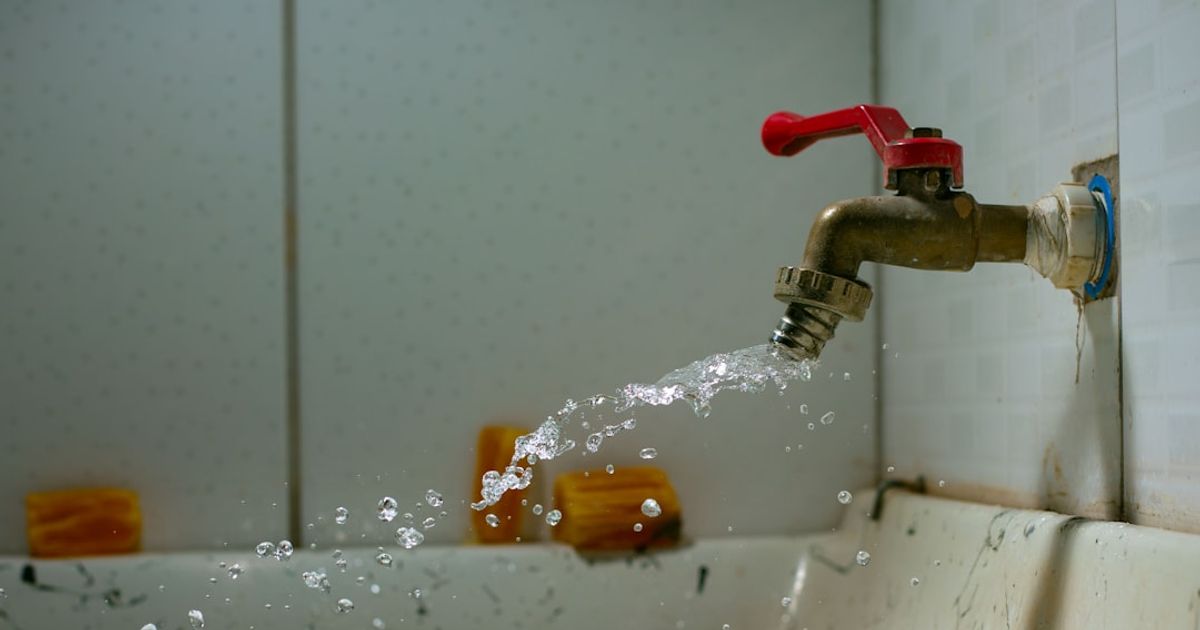
Burst Pipe Emergency: Step-by-Step Response Guide to Minimize Water Damage
Introduction: Why Every Second Counts
A burst pipe is one of the most serious residential plumbing emergencies you can face. Water damage from a burst pipe can cost thousands of dollars in repairs and lead to permanent structural damage, mold growth, and health hazards. The difference between a manageable situation and a catastrophic disaster often comes down to how quickly you respond in those critical first minutes.
This guide provides you with the exact steps to take when facing a burst pipe emergency, from the moment you discover the problem to when the emergency plumber arrives. By following these instructions, you can dramatically reduce water damage, protect your family's health, and potentially save tens of thousands of dollars.
---
Immediate Actions in First 5 Minutes
The Critical First 60 Seconds
The moment you discover a burst pipe, your goal is to stop water flow and prevent further damage. Here's what you need to do immediately:
Step 1: Alert Everyone in Your Home
Shout a warning to family members. Let them know there's a plumbing emergency so they can:
- Avoid the affected area
- Stop using water (which increases pressure on the system)
- Move away from electrical hazards if water is near outlets or appliances
Step 2: Turn Off Water at the Source (If Safe)
If the burst pipe is accessible and you can safely reach it:
- Do NOT touch the pipe if water is spraying near electrical outlets or appliances
- If safe, attempt to isolate the burst section by closing any nearby shut-off valves
- This is a temporary measure while you locate the main water shut-off
Step 3: Locate Your Main Water Shut-Off Valve
If you don't already know where it is, find it now. Common locations include:
- Basement: Along the foundation wall or near the water heater
- Crawl space: Under the house
- Garage: Near the entry point where the main line enters
- Utility room: In condos and apartments
- Outdoor meter box: In warmer climates, often in the yard near the street
Step 4: Prepare to Act
While locating the shut-off, have someone:
- Gather towels and buckets
- Move valuables away from the affected area
- Turn off the water heater (prevents air locks)
- Open all cold water faucets to relieve pressure
---
Shutting Off Your Water Supply
Finding Your Main Water Shut-Off Valve
Knowing your main shut-off location before an emergency is critical. Take 15 minutes this week to locate it. Here's what to look for:
Types of Main Shut-Off Valves
Ball Valve (Most Common)
- Looks like a handle with a lever
- Turn the lever 90 degrees (perpendicular to the pipe) to shut off
- Easiest to operate
Gate Valve
- Has a round or oval handle
- Turn clockwise to close ("righty-tighty")
- May require 3-6 full rotations
- Can stick if not used regularly
Meter Valve
- Located outside in a box near the street
- May require a special tool or wrench
- Use only if you cannot access the indoor shut-off
Step-by-Step Shut-Off Process
- Locate the valve using the descriptions above
- Test it before emergency: Turn it slightly to ensure it works (then turn back)
- During emergency: Turn the valve firmly but don't force it (you could break it)
- Verify water stops: Go to the lowest faucet in your home and confirm water stops flowing
- Open faucets: Open the lowest faucet to release remaining pressure
- Leave valve clearly marked: Tie a bright ribbon or tape nearby for quick identification
If You Cannot Find the Main Shut-Off
Call your water utility company immediately. They can:
- Locate it for you
- Shut it off from the street if necessary
- Provide documentation of its location
---
Mitigating Water Damage
Immediate Water Damage Control
Once water flow is stopped, your next priority is removing standing water and protecting your belongings.
Step 1: Stop the Spread
- Close doors to contain water to the affected room(s)
- Place towels in doorways to block water from spreading
- Move furniture and electronics away from the water
- Unplug appliances in or near wet areas (electrical hazard)
- Turn off electricity to affected rooms if water is extensive
Step 2: Remove Standing Water
Time is critical—standing water begins causing damage within hours.
- Use wet/dry vacuums (never regular vacuums—shock hazard)
- Mop with absorbent towels and wring into buckets
- Use a pump or submersible pump for large volumes
- Open windows to increase air circulation
- Set up fans pointing toward windows to push moisture out
- Use dehumidifiers if available
Step 3: Protect Salvageable Items
- Document items with photos before moving (for insurance)
- Remove wet items to a dry area
- Separate wet books and documents with paper towels and air dry
- Place wet fabrics on racks or hang to dry
- Elevate furniture on blocks to allow air circulation underneath
Step 4: Ventilation is Critical
Proper ventilation prevents mold growth and speeds drying.
- Open all windows and doors (weather permitting)
- Set up box fans pointing outward
- Run air conditioning if you have it
- Keep fans running 24/7 until completely dry
- Consider renting commercial dehumidifiers for severe cases
---
Preventing Mold Growth
Why Mold Prevention is Essential
Mold can begin growing within 24-48 hours of water exposure. It poses serious health risks and is expensive to remediate. Prevention during the first 48 hours is critical.
Immediate Mold Prevention Steps
Step 1: Dry Everything Thoroughly
- Remove all wet materials from the affected area
- Dry drywall and subflooring with fans and dehumidifiers
- Continue running fans for at least 72 hours
- Monitor humidity levels (should be below 50%)
Step 2: Apply Antimicrobial Treatment
Once water is removed and surfaces are damp (not wet):
- Mix a bleach solution: 1 cup bleach per gallon of water
- Apply to all affected surfaces using spray bottles
- Let sit for 10 minutes before wiping
- Repeat treatment after 24 hours
- Ensure proper ventilation when using bleach
Alternative for sensitive surfaces: Use a commercial antimicrobial spray designed for water damage
Step 3: Remove Contaminated Materials
Some materials must be discarded:
- Drywall with water damage above 12 inches
- Insulation that was wet
- Carpeting (if water came from a burst pipe)
- Subflooring that cannot dry completely
- Ceiling tiles
Step 4: Monitor for Mold Growth
- Inspect daily for the first week
- Look for dark spots or musty odors
- If mold appears, contact a professional mold remediation service
- Do not attempt removal if mold covers more than 10 square feet
---
Documenting Damage for Insurance
Why Documentation Matters
Proper documentation is essential for insurance claims and can mean the difference between full reimbursement and significant out-of-pocket costs.
Step 1: Photograph and Video Everything
Document BEFORE cleanup begins:
- Take wide-angle photos of each room showing overall damage
- Photograph specific damage to walls, floors, furniture
- Close-up photos of water lines on walls
- Video walkthrough narrating the extent of damage
- Photograph wet items before removal
- Document the burst pipe itself if visible
Step 2: Create a Detailed Inventory
For each damaged item, record:
- Item description (e.g., "living room couch, beige fabric")
- Original purchase date (if known)
- Estimated original cost
- Current condition (destroyed, salvageable, etc.)
- Photos of the item
Step 3: Keep All Receipts and Records
- Emergency plumber invoice
- Water removal and drying service receipts
- Replacement material costs
- Hotel/temporary housing receipts (if displaced)
- Professional mold remediation quotes
Step 4: File Your Insurance Claim Promptly
- Contact your insurance company within 24-48 hours
- Provide all documentation including photos and inventory
- Get a claim number and adjuster assignment
- Request an inspection as soon as possible
- Keep copies of all communications
---
When to Call Emergency Services
Situations Requiring Immediate Emergency Plumber Response
Call an emergency plumber NOW if:
Immediate Life Safety Hazards
- Water is near electrical outlets or appliances (electrocution risk)
- Gas smell is present near the burst pipe
- Ceiling is sagging with water (collapse risk)
- Water is entering electrical panel (shock/fire hazard)
Severe Water Damage Situations
- Water is actively flooding your home
- Multiple pipes have burst
- Water is coming from walls or ceilings (indicates internal damage)
- You cannot locate or operate the main shut-off
- Water is backing up into your home from the street
Contamination Issues
- Sewage smell is present (indicates sewer line involvement)
- Water appears discolored or dirty
- You suspect groundwater is entering the home
Finding an Emergency Plumber
- Call immediately—don't wait
- Explain the situation clearly (burst pipe, water damage extent)
- Ask about response time (should be 30-60 minutes)
- Confirm pricing structure (emergency rates typically 1.5-3x normal)
- Ask what to do while waiting
- Keep the line open if they need to guide you through shut-off
---
Temporary Fixes While Waiting for Plumber
Important: These Are NOT Permanent Solutions
Temporary fixes only buy time while you wait for professional repair. A burst pipe requires professional replacement—never attempt a permanent repair yourself.
Temporary Fix #1: Pipe Clamp or Repair Clamp
Use for small pinhole leaks or minor cracks:
- Shut off water at the main valve
- Dry the pipe completely with towels
- Place rubber gasket over the leak
- Slide clamp over gasket and tighten bolts
- Turn water back on and monitor
- This buys 24-48 hours maximum
Temporary Fix #2: Pipe Tape or Plumber's Tape
For very small leaks only:
- Shut off water
- Dry the area completely
- Wrap self-fusing silicone tape around the leak
- Wrap tightly 2-3 inches beyond the damage
- Overlap each wrap by 50%
- Turn water back on slowly
- Monitor constantly
Temporary Fix #3: Epoxy Putty
For pinhole leaks in copper or PVC pipes:
- Shut off water
- Dry and sand the area
- Knead epoxy putty according to package directions
- Press firmly over the leak
- Smooth and shape to the pipe
- Wait full cure time (typically 1-2 hours) before turning water on
- This is temporary only
Temporary Fix #4: Isolation and Bypass
If the burst is on a specific branch line:
- Shut off the valve feeding that specific line (not the main)
- This allows other fixtures to continue working
- Post a "DO NOT USE" sign on affected fixtures
- Still requires emergency plumber to repair
What NOT to Do
- Never attempt to solder or weld a burst pipe yourself
- Never use duct tape as a permanent solution
- Never ignore a burst pipe hoping it will stop
- Never leave the home unattended if water is actively flowing
- Never delay calling a professional plumber
While Waiting for the Plumber
- Continue removing standing water
- Keep fans and dehumidifiers running
- Maintain documentation of damage
- Keep the area accessible for the plumber
- Have your insurance information ready
- Prepare a list of questions about the repair
---
FAQ Section
How much water damage can occur from a burst pipe?
A single burst pipe can release 250 gallons of water per day. In just 8 hours, a burst pipe can cause $10,000+ in damage. The extent of damage depends on:
- Location of the burst (basement vs. upper floors)
- Size of the pipe (1/2" vs. 1" lines)
- How quickly you shut off water
- What materials are affected (drywall, hardwood, etc.)
- How long water sits before removal
This is why immediate action in the first 5 minutes is critical—it can reduce damage by 50-80%.
Can I repair a burst pipe myself?
No. Burst pipes require professional replacement. While temporary clamps or tape might stop a small leak temporarily, a burst pipe indicates the pipe is compromised and will fail again. A licensed plumber must:
- Assess the damage
- Determine the cause (frozen pipes, age, corrosion)
- Replace the damaged section
- Test the system for leaks
- Ensure proper installation to code
Attempting DIY repairs risks:
- Incomplete repairs leading to continued leaks
- Code violations
- Voided warranties
- Further damage
- Injury from high-pressure water
What causes pipes to burst?
Common causes include:
- Freezing temperatures (most common in winter)
- Pipe age and corrosion (older metal pipes)
- High water pressure (over 80 PSI)
- Clogs and blockages creating pressure buildup
- Structural movement or settling
- Poor installation or defective materials
- Extreme temperature fluctuations
- Water hammer (sudden pressure surges)
Prevention includes insulating exposed pipes, maintaining proper water pressure, and regular inspections.
How long does it take to dry out water damage?
Complete drying typically takes 2-4 weeks depending on:
- Extent of saturation (damp vs. soaked)
- Materials affected (drywall vs. concrete)
- Humidity and temperature
- Ventilation quality
- Use of dehumidifiers
Critical timeline:
- 0-24 hours: Remove standing water
- 24-48 hours: Prevent mold growth (antimicrobial treatment)
- 48-72 hours: Continuous drying with fans/dehumidifiers
- 1-2 weeks: Monitor for mold, complete structural drying
- 2-4 weeks: Full material drying before repairs
Do not close walls, install flooring, or paint until completely dry or mold will grow behind surfaces.
Will my homeowners insurance cover burst pipe damage?
Most homeowners insurance covers sudden, accidental burst pipes, but NOT damage from:
Covered:
- Sudden burst from frozen pipes
- Sudden burst from defect or age
- Water damage from the burst
- Emergency water removal
- Temporary repairs
NOT Covered:
- Lack of maintenance (preventable freezing)
- Gradual leaks over time
- Damage from known leaks you ignored
- Damage from poor insulation in cold climates
- Damage from lack of winterization
Action steps:
- File claim immediately (within 24-48 hours)
- Provide documentation (photos, inventory, receipts)
- Get professional assessment of damage
- Request adjuster inspection promptly
- Keep all receipts for repairs and restoration
Most policies cover 80-100% of burst pipe damage after your deductible.
---
Key Takeaways: Your Burst Pipe Emergency Action Plan
Remember these critical steps:
- FIRST 60 SECONDS: Alert everyone and locate main shut-off
- NEXT 5 MINUTES: Shut off water and begin water removal
- WITHIN 30 MINUTES: Call emergency plumber and start damage control
- FIRST 24 HOURS: Remove standing water, document damage, prevent mold
- WITHIN 48 HOURS: File insurance claim, begin continuous drying
- ONGOING: Monitor for mold, maintain documentation, coordinate with plumber
A burst pipe is a serious emergency, but quick action can minimize damage and protect your home. Keep your main water shut-off location marked and accessible, know how to operate it, and don't hesitate to call a professional emergency plumber immediately when disaster strikes.
Your home is too valuable to leave to chance—act fast, act decisively, and let the professionals handle the repair.

Frequently Asked Questions
Q:How much water damage can occur from a burst pipe?
A: A single burst pipe can release 250 gallons of water per day. In just 8 hours, a burst pipe can cause $10,000+ in damage. The extent of damage depends on the location of the burst, size of the pipe, how quickly you shut off water, what materials are affected, and how long water sits before removal. This is why immediate action in the first 5 minutes is critical—it can reduce damage by 50-80%.
Q:Can I repair a burst pipe myself?
A: No. Burst pipes require professional replacement. While temporary clamps or tape might stop a small leak temporarily, a burst pipe indicates the pipe is compromised and will fail again. A licensed plumber must assess the damage, determine the cause, replace the damaged section, test the system, and ensure proper installation to code. Attempting DIY repairs risks incomplete repairs, code violations, warranty voidance, further damage, and injury.
Q:What causes pipes to burst?
A: Common causes include freezing temperatures (most common in winter), pipe age and corrosion, high water pressure over 80 PSI, clogs and blockages, structural movement, poor installation, extreme temperature fluctuations, and water hammer. Prevention includes insulating exposed pipes, maintaining proper water pressure, and regular inspections.
Q:How long does it take to dry out water damage?
A: Complete drying typically takes 2-4 weeks depending on extent of saturation, materials affected, humidity and temperature, ventilation quality, and use of dehumidifiers. Critical timeline: 0-24 hours remove standing water, 24-48 hours prevent mold, 48-72 hours continuous drying, 1-2 weeks monitor for mold, 2-4 weeks full material drying. Do not close walls or install flooring until completely dry.
Q:Will my homeowners insurance cover burst pipe damage?
A: Most homeowners insurance covers sudden, accidental burst pipes but NOT damage from lack of maintenance, gradual leaks, ignored leaks, poor insulation, or lack of winterization. File your claim immediately within 24-48 hours with documentation, photos, and receipts. Most policies cover 80-100% of burst pipe damage after your deductible.