
Emergency Plumbing Response Checklist: What to Do Before Help Arrives

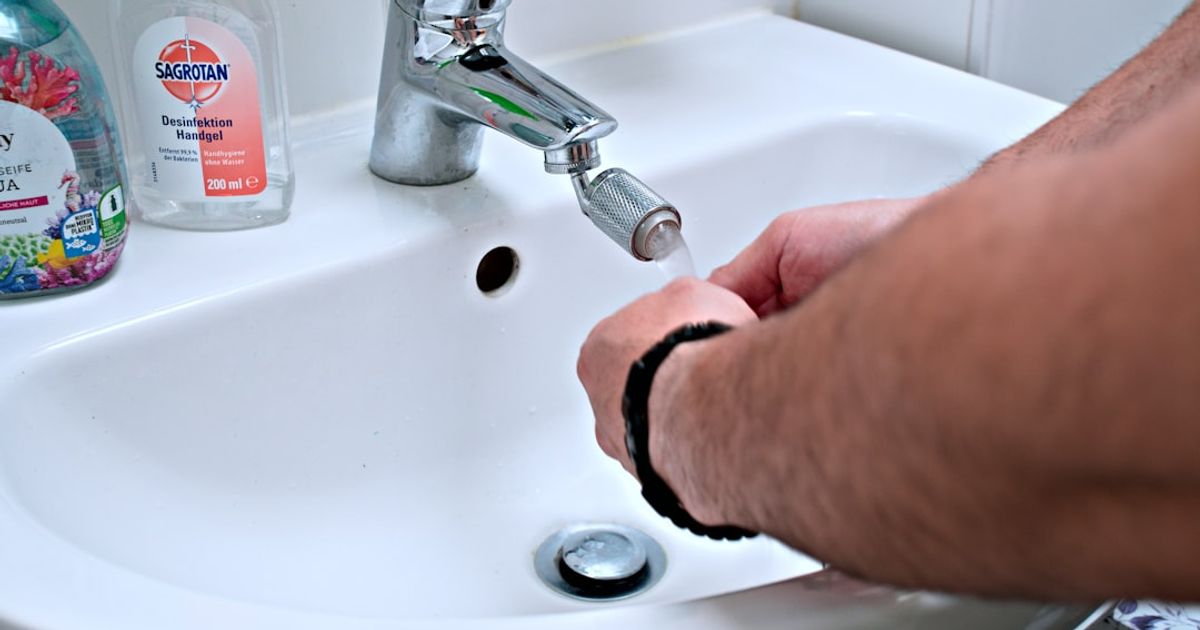
Emergency Plumbing Response Checklist: What to Do & Document Before Help Arrives
Introduction
When a plumbing emergency strikes, those first few minutes are critical. Whether it's a burst pipe flooding your basement, a backed-up sewer line, or a water heater that's suddenly failed, knowing what to do immediately can mean the difference between a minor repair and thousands of dollars in water damage. The average water damage restoration costs between $7 and $10 per square foot, meaning a significant leak in a 1,000 square foot area could easily exceed $7,000 to $10,000 in restoration costs alone.
This emergency plumbing checklist is designed to help you take the right actions during those crucial first moments. By following this guide, you'll protect your home, minimize water damage, gather essential information for your plumber, and potentially reduce repair costs. This checklist is organized into actionable steps you can take immediately, safety protocols to follow, and documentation strategies that will help your emergency plumber diagnose and fix the problem faster.
Whether you're dealing with a burst pipe, overflowing toilet, or mysterious water pooling in your home, this comprehensive emergency plumbing checklist will guide you through each step. Keep this guide bookmarked or printed in an easily accessible location—you may need it when you're stressed and time is of the essence.
Quick Reference Summary: The Most Important Items
When you're in the middle of a plumbing emergency, you need to know what matters most. Here's a condensed version of the critical items you should address in the first 5-10 minutes:
Top 5 Most Important Actions:
- Shut off the water - Locate and turn off your main water shut-off valve immediately. This is the single most important action you can take to prevent catastrophic water damage. If you cannot locate it or it won't shut off, call your water company's emergency line.
- Ensure electrical safety - Turn off electricity to any wet areas if it's safe to do so. Water and electricity are a deadly combination. Never enter standing water if there's any chance of electrical hazards.
- Call an emergency plumber - Contact a licensed emergency plumber as soon as the immediate danger is controlled. Have your address, phone number, and a brief description of the problem ready to provide.
- Document everything with photos and video - Take pictures and video of all damage before you start cleanup. This documentation is essential for insurance claims and helps your plumber understand what happened.
- Begin water containment - Use towels, buckets, and tarps to contain the water and protect your belongings. Place buckets under active leaks and use towels to direct water toward drains or outside.
Other Critical Items:
- Know your water meter location
- Have your plumber's contact information readily available
- Keep a list of previous plumbing issues
- Understand where your main water shut-off valve is located (practice finding it before an emergency)
- Know the location of individual shut-off valves for toilets, sinks, and water heater
Immediate Actions: First 5 Minutes of a Plumbing Emergency
Locate and Shut Off the Main Water Supply
The absolute first step in any plumbing emergency is to shut off the main water supply to your home. This single action can prevent thousands of dollars in water damage. Your main water shut-off valve is typically located in one of these places:
- In the basement or crawl space - Usually near the front wall or along the wall where the water line enters the house
- In a utility closet - Often on the ground floor near the kitchen or bathroom
- Outside the home - In a meter box or valve box near the street, usually marked with a "W"
- In the garage - Along the wall where water lines enter
- Under the kitchen sink - Some homes have a secondary shut-off here
When you locate the valve, turn it clockwise until it stops. Don't force it—turn it firmly but gently. If the valve is stuck or won't turn, apply penetrating oil (like WD-40) and wait a few minutes, then try again. If you absolutely cannot turn it off, call your water company's emergency line. They can shut off the water at the meter or main line outside your home, though this may take 30-60 minutes depending on their response time.
Pro Tip: Practice locating your main water shut-off valve before an emergency happens. When stress is high and water is flowing, you don't want to be searching frantically. Take a photo of the valve location and share it with family members so everyone knows where it is.
Assess the Source and Severity
Once the water is shut off (or while waiting for help if you cannot shut it off), quickly assess where the water is coming from and how severe the problem is:
- Active leak: Is water still flowing? If yes, even after shutting off the main, there may be pressure in the line or the leak could be from a hot water line.
- Location: Is the leak in the kitchen, bathroom, basement, or another area? This helps you understand what system is affected.
- Spread: Is water spreading rapidly or contained to one area? Rapid spread indicates a larger leak.
- Affected systems: Is this affecting only one fixture or multiple areas? Multiple areas suggest a main line issue.
This quick assessment helps you communicate the problem to your emergency plumber and helps you decide what containment steps to take next.
Call for Emergency Plumbing Help Immediately
Don't wait to see if the problem resolves itself. Call an emergency plumber immediately after shutting off the water. Have ready:
- Your full address and phone number
- A brief description of the problem ("burst pipe in basement," "water backing up from main drain," "water heater leaking")
- How long the problem has been occurring
- Whether water is actively flowing or if you've contained it
- Any injuries or safety concerns
Emergency plumbers typically respond within 30-60 minutes during normal hours, but may take longer during peak times (nights, weekends, holidays). Call multiple plumbers if the first one cannot arrive quickly. Have them give you an estimated arrival time and ask if there are any immediate steps you should take while waiting.
Move Valuables and Belongings
While waiting for the plumber, quickly move valuable items and important documents away from the water:
- Electronics (computers, televisions, gaming systems)
- Important documents (insurance papers, deeds, financial records)
- Furniture and rugs
- Clothing and personal items
- Medications and valuable collections
Don't spend excessive time on this—focus on items that are truly valuable or irreplaceable. Your safety and the safety of family members is more important than possessions.
Turn Off Water Heater If Applicable
If the leak is not from the hot water system, turn off your water heater to prevent damage to the unit. For electric water heaters, flip the breaker switch. For gas water heaters, turn the thermostat to "Pilot" or "Off." This prevents the water heater from trying to heat an empty tank, which can damage the unit and create safety hazards.
Safety Checklist: Electrical Hazards, Gas Leaks & Water Damage Prevention
Electrical Safety Protocol
Water and electricity are an extremely dangerous combination. Before you do anything else, assess electrical hazards:
- [ ] Check for standing water near electrical outlets or appliances - If water has reached outlets, light switches, or electrical panels, there's an electrocution risk. Do not touch electrical items or enter standing water.
- [ ] Turn off electricity to affected areas - If it's safe to do so (you're not standing in water), turn off the breaker switches for rooms with water damage. This eliminates the electrocution risk.
- [ ] Do not use electrical appliances in wet areas - Do not plug in fans, dehumidifiers, or other appliances until the area is completely dry and a licensed electrician has inspected them.
- [ ] Avoid using extension cords in wet areas - Extension cords are particularly dangerous in damp conditions. Wait until the area is dry.
- [ ] Do not touch the electrical panel if it's wet - If water has reached your electrical panel, call the power company and a licensed electrician. Do not attempt to reset breakers or repair the panel yourself.
- [ ] Keep family members and pets away from water - Don't let children or pets play in or near standing water. In addition to electrical hazards, contaminated water can carry bacteria and other health risks.
When to Call the Power Company: If water has reached your electrical meter, main panel, or if you smell burning or see sparks, call your power company's emergency line immediately. They can shut off power safely from the outside.
Gas Leak Detection
If your water heater or furnace is affected by the leak, there's a small possibility of a gas leak:
- [ ] Smell for rotten egg odor - Natural gas has an additive that makes it smell like rotten eggs. If you detect this smell, evacuate immediately and call the gas company from outside.
- [ ] Do not use matches, lighters, or create sparks - If you suspect a gas leak, do not light anything or use electrical switches (which can create sparks).
- [ ] Evacuate the home - If you smell gas, leave immediately and call the gas company's emergency line from a neighbor's home or from outside.
- [ ] Do not re-enter until cleared - Wait for the gas company to inspect and clear your home before re-entering.
Water Damage Prevention During Waiting Period
While waiting for the plumber, take steps to minimize water damage:
- [ ] Direct water toward drains - Use towels to create a path directing water toward floor drains, sinks, or outside. This prevents water from spreading to other areas.
- [ ] Use buckets under active leaks - Place buckets or containers under dripping water to catch it and prevent it from spreading. Empty buckets as needed.
- [ ] Remove water with towels and mops - Use towels, mops, and wet/dry vacuums to remove standing water. The faster you remove water, the less damage it causes.
- [ ] Open windows and doors - Increase air circulation to help dry the area. Open windows and interior doors to allow air to flow through the affected space.
- [ ] Turn on fans - If it's safe to do so (no electrical hazards), turn on ceiling fans or box fans to increase air circulation. Do not use fans if there's standing water near electrical outlets.
- [ ] Dehumidify if possible - If you have a dehumidifier and it's safe to use, turn it on. Removing moisture from the air helps prevent mold growth.
- [ ] Remove wet items - Remove wet carpeting, rugs, curtains, and other items from the affected area. These items can trap moisture and promote mold growth if left in place.
Documentation Checklist: Photos, Videos & Written Records
Photographic Documentation
Before you begin cleanup, document all damage with clear, detailed photographs. This documentation is essential for insurance claims and helps your plumber understand the full extent of the problem:
- [ ] Take wide-angle photos of the entire affected area - Capture the full scope of the damage. Take photos from multiple angles to show the extent of water spread.
- [ ] Close-up photos of the water source - If you can safely identify where the water is coming from (burst pipe, leaking joint, overflowing fixture), take detailed close-up photos.
- [ ] Photos of water damage to walls and flooring - Document water stains, damage to drywall, flooring damage, and any visible mold or discoloration.
- [ ] Photos of damaged belongings - Photograph any furniture, electronics, or personal items damaged by the water. This is important for insurance claims.
- [ ] Photos of the water heater or affected appliances - If the water heater, furnace, or other appliances are damaged, photograph them from multiple angles.
- [ ] Photos of the main shut-off valve location - Document where you shut off the water and the position of the valve (for future reference).
- [ ] Timestamp or date stamp photos - Most smartphones automatically timestamp photos. If yours doesn't, write the date and time on a piece of paper and photograph it along with the damage.
Video Documentation
In addition to still photos, record a video walkthrough of the damaged area:
- [ ] Record a 1-2 minute video - Walk through the affected area slowly, narrating what you see. Describe the damage, the water source, and any safety concerns.
- [ ] Narrate while recording - Explain what happened, when it happened, and what steps you've already taken. This verbal documentation is valuable for insurance adjusters.
- [ ] Show the water source - If safely possible, film the leak or burst pipe to show your plumber and insurance company.
- [ ] Capture water spread patterns - Show how far the water has spread and which areas are affected.
- [ ] Record the date and time - State the current date and time in your narration so there's no question about when the video was taken.
Written Records
Create a written record of the emergency while details are fresh:
- [ ] Write down the time you discovered the problem - Note the exact time (or best estimate) when you first noticed the issue.
- [ ] Document what you observed - Write a brief description of what you saw: "Water pooling in basement near furnace," "Toilet overflowing," "Water dripping from ceiling in upstairs bathroom."
- [ ] Note any sounds or smells - If you heard hissing, banging, or other unusual sounds, or if you smelled anything unusual, document it.
- [ ] Record steps you took - Write down the actions you took: "Shut off main water at 2:15 PM," "Called emergency plumber at 2:18 PM," "Moved furniture at 2:25 PM."
- [ ] Note the plumber's name and company - When the plumber arrives, get their name, company name, license number, and phone number. Record the time they arrived.
- [ ] Document the plumber's assessment - Ask the plumber to explain what caused the problem and what repairs are needed. Take notes on their explanation.
- [ ] Get a written estimate - Request a written estimate for repairs before work begins. This protects you from unexpected charges.
- [ ] Keep all receipts - Save receipts for emergency repairs, water removal services, and any items you purchase to address the emergency. These are needed for insurance claims.
Information to Have Ready: Address, Symptoms & Previous Issues
Essential Information for the Emergency Plumber
When you call the emergency plumber, have this information ready to provide:
- [ ] Your complete address - Include street address, apartment or unit number, city, state, and zip code.
- [ ] Phone number - Provide a number where you can be reached. Give a cell phone number if you have one, as it's more reliable than a landline.
- [ ] Brief problem description - Use specific language: "Burst pipe in basement," "Main drain backed up," "Water heater leaking," "Toilet overflowing."
- [ ] Approximate water volume - Describe whether it's a small drip, moderate leak, or significant flooding. This helps the plumber understand urgency.
- [ ] How long the problem has existed - Tell the plumber when you first noticed the issue. This affects how much damage has occurred.
- [ ] Whether water is still flowing - Let them know if you've shut off the main water and whether the leak has stopped.
- [ ] Any injuries or safety concerns - Mention electrical hazards, gas smell, or other safety issues immediately.
- [ ] Your insurance information - Have your homeowner's insurance policy number ready. Some plumbers will bill insurance directly.
Information About Your Home's Plumbing System
Gather information about your home's plumbing to help the plumber diagnose the problem:
- [ ] Age of your home - Knowing whether your home was built in 1960 or 2020 helps the plumber understand what type of pipes you have.
- [ ] Age of the water heater - If the emergency involves hot water, knowing the water heater's age helps determine if it should be repaired or replaced.
- [ ] Type of pipes - If you know whether you have copper, PVC, galvanized steel, or cast iron pipes, share this information. Different pipe types have different failure patterns.
- [ ] Location of main shut-off valve - Tell the plumber where you shut off the water and whether the valve is working properly.
- [ ] Well or city water - If you have a private well, mention this, as it affects troubleshooting.
- [ ] Septic or municipal sewer - Tell the plumber whether you're on a septic system or municipal sewer. This is critical for drain-related emergencies.
History of Previous Plumbing Issues
Provide context about past problems:
- [ ] Previous leaks or burst pipes - Mention if you've had similar problems before. Recurring issues suggest underlying problems.
- [ ] Slow drains or backups - If you've experienced slow drains or occasional backups, this is relevant to the current emergency.
- [ ] Water heater problems - Describe any previous water heater issues: leaking, no hot water, strange noises.
- [ ] Recent plumbing work - Mention if you've had recent repairs or renovations. New problems sometimes follow plumbing work.
- [ ] Known problem areas - If you know certain fixtures or areas are problematic, mention them.
- [ ] Maintenance history - Tell the plumber if you've had regular maintenance or if you've neglected the system.
Damage Mitigation: Towels, Buckets & Temporary Containment
Immediate Water Containment Strategies
While waiting for the plumber, contain the water to prevent it from spreading:
Using Towels:
- [ ] Place towels around the leak source - Surround the leak with towels to absorb water and prevent spread.
- [ ] Create a water path - Use towels to direct water toward drains, outside, or into buckets. Arrange towels in a line from the leak to the drain.
- [ ] Layer towels - Use multiple layers of towels for heavy leaks. As top layers become saturated, remove them and replace with dry ones.
- [ ] Wring out towels regularly - Squeeze water from towels into buckets or sinks to keep them absorbent.
Using Buckets:
- [ ] Position buckets under active drips - Place buckets directly under leaking water to catch it and prevent spreading.
- [ ] Use large containers - Use buckets, trash cans, or other large containers for heavy leaks. Small containers fill quickly.
- [ ] Empty buckets frequently - As buckets fill, empty them into sinks, bathtubs, or outside. This prevents overflow.
- [ ] Label full buckets - Mark buckets as "full" to prevent accidentally knocking over water.
Using Plastic Sheeting and Tarps:
- [ ] Protect valuables with plastic - Cover furniture, electronics, and important items with plastic sheeting to protect them from water.
- [ ] Create barriers - Use plastic sheeting to create barriers that direct water toward drains or outside.
- [ ] Cover doorways - If water is spreading to other rooms, hang plastic sheeting over doorways to contain it.
Protecting Specific Areas
Basement Protection:
- [ ] Shut basement doors - If the leak is in the basement, close doors to prevent water from spreading upstairs.
- [ ] Move items off the floor - Elevate furniture, boxes, and items on shelves or tables to keep them dry.
- [ ] Use sump pump if available - If you have a sump pump and it's safe to use, ensure it's working to remove water.
Upstairs Water Damage:
- [ ] Protect ceilings below - If water is leaking from upstairs, place buckets or tarps on the floor below to catch water.
- [ ] Drill drainage holes - If water is pooling in a ceiling, carefully drill small holes to allow water to drain into buckets below (only if safe).
- [ ] Turn off electricity below - Turn off lights and ceiling fans in rooms below the leak to prevent electrical hazards.
Kitchen and Bathroom:
- [ ] Turn off water to individual fixtures - If the leak is from a specific sink, toilet, or faucet, turn off the water supply to that fixture using the shut-off valve under the sink or behind the toilet.
- [ ] Plug drains - If water is backing up from drains, plug them with towels to prevent contaminated water from spreading.
- [ ] Use wet/dry vacuums - Wet/dry vacuums are effective for removing standing water quickly. Use them to clear water from floors.
Temporary Repairs (When Safe)
While waiting for the plumber, you may be able to apply temporary fixes:
- [ ] Wrap leaking pipes with waterproof tape - For small leaks in pipes, wrap the area tightly with plumber's tape or waterproof duct tape. This is temporary only.
- [ ] Use pipe repair epoxy - Pipe repair epoxy can temporarily seal small leaks. Follow package directions carefully.
- [ ] Tighten loose fittings - If a connection is loose, carefully tighten it with a wrench. Do not over-tighten, as this can cause more damage.
- [ ] Do not attempt major repairs - Do not attempt to replace pipes, solder joints, or make permanent repairs. Wait for the professional plumber.
Important: These temporary measures are only meant to buy time until the plumber arrives. They are not permanent solutions and may not work for all types of leaks.
Warning Signs to Watch For During the Emergency
While waiting for help, watch for these warning signs that indicate the situation is worsening:
Escalating Water Flow
- [ ] Increasing water volume - If the leak is getting worse rather than better, the main water shut-off may not be working properly, or the leak may be from a pressurized line. Call your water company if the main shut-off isn't stopping the leak.
- [ ] Water appearing in new areas - If water is spreading to rooms that weren't previously affected, it's spreading faster than you can contain it. Focus on blocking doorways and redirecting flow.
- [ ] Sounds of rushing water - If you hear rushing or hissing sounds, there's significant pressure behind the water. Stay alert for sudden surges.
Structural and Safety Concerns
- [ ] Sagging ceilings - If a ceiling is sagging or bulging, it's holding significant water weight. Move away from this area—the ceiling could collapse. Alert the emergency responders to this hazard.
- [ ] Cracks appearing in walls - Water damage can cause foundation cracks or drywall cracks that indicate structural stress. Note these for your insurance adjuster.
- [ ] Electrical hazards increasing - If water is moving toward electrical outlets or appliances, turn off electricity immediately and stay away from the area.
- [ ] Gas smell developing - If you begin to smell gas (rotten egg odor), evacuate immediately and call the gas company.
Signs of Contamination
- [ ] Discolored water - If water is brown, yellow, or dark-colored, it may be from the sewer or contaminated source. Avoid contact and call the plumber immediately about this.
- [ ] Foul odor - Sewer smell indicates contaminated water. This is a health hazard. Avoid contact and keep family members away.
- [ ] Visible debris or sediment - If water contains debris, sediment, or visible particles, it's contaminated. Do not let children or pets contact this water.
Tools You'll Need
Having these tools on hand will help you respond more effectively to a plumbing emergency:
Essential Tools:
- [ ] Adjustable wrench - For turning water shut-off valves and tightening loose connections. A 10-12 inch wrench is versatile for most home plumbing.
- [ ] Flashlight or headlamp - For seeing clearly in basements or dark areas where the main shut-off is located.
- [ ] Plumber's tape (Teflon tape) - For temporary sealing of threaded connections.
- [ ] Bucket - For catching water and for wet/dry cleanup.
- [ ] Towels and rags - For absorbing water and creating water barriers.
- [ ] Wet/dry vacuum - For removing standing water quickly and effectively.
- [ ] Plastic sheeting or tarps - For protecting items and containing water.
- [ ] Plumber's putty or epoxy - For temporary sealing of small leaks.
Documentation Tools:
- [ ] Camera or smartphone - For taking photos and videos of damage.
- [ ] Notepad and pen - For writing down information and observations.
- [ ] List of emergency plumber numbers - Keep a list of 3-5 emergency plumbers in your area posted on your refrigerator or saved in your phone.
Where to Get These Items: Most of these items are available at hardware stores like Home Depot, Lowe's, or Ace Hardware. Many can also be found at big-box retailers like Walmart or Target. Consider assembling a small emergency plumbing kit and storing it in an easily accessible location.
Frequently Asked Questions About Emergency Plumbing Response
What should I do if I can't find my main water shut-off valve?
If you cannot locate your main water shut-off valve, don't panic. First, check these common locations again: basement or crawl space, utility closet, garage, under the kitchen sink, or outside in a meter box. If you still can't find it, call your water company's emergency line immediately. Provide them with your address, and they can send someone to shut off the water at the meter or main line outside your home. This typically takes 30-60 minutes. In the meantime, shut off water to individual fixtures if possible (turn off the toilet shut-off valve, close the sink shut-off valves, etc.) to minimize water flow. You can also try turning off the valve at the water meter if it's accessible (it's usually in a box near the street).
How often should I check my main water shut-off valve to ensure it works?
You should test your main water shut-off valve at least twice per year—ideally in spring and fall. Turn the valve slowly clockwise until it stops, then turn it back counterclockwise to the open position. This ensures the valve doesn't become stuck or corroded. If the valve is difficult to turn or won't turn smoothly, apply penetrating oil (like WD-40) and try again after a few minutes. If it still won't turn, call a plumber to have it serviced or replaced. A stuck valve in an emergency could cost you thousands in water damage. Also, have family members practice locating and turning the valve so everyone knows how to shut off water if needed.
What warning signs indicate a plumbing emergency is developing before it becomes severe?
Watch for these warning signs that suggest a plumbing emergency may be imminent: sudden changes in water pressure (unusually low or high), discolored water (brown, yellow, or rusty), unusual sounds in pipes (banging, hissing, or whistling), visible water stains on ceilings or walls, musty or moldy smells, wet spots in the yard or basement, slow drains that don't respond to plunging, or water backing up from multiple drains. If you notice any of these signs, call a plumber for an inspection even if there's no active emergency yet. Catching problems early prevents emergencies. For example, a small leak can be fixed for $150-$300, but if that leak goes undetected for weeks, water damage restoration could cost $5,000 or more.
Should I attempt any temporary repairs myself, or should I wait for the plumber?
You can safely attempt very minor temporary repairs while waiting for the plumber: tightening a loose connection with a wrench, wrapping a small leak with plumber's tape or waterproof duct tape, or plugging a drain to stop backup. However, do not attempt to solder pipes, replace pipe sections, repair the water heater, or perform any major repairs yourself. These require licensing and permits, and improper repairs can void your insurance coverage or create safety hazards. Additionally, if you make repairs that don't meet code, you may be required to have them redone by a licensed plumber anyway, wasting time and money. Focus on containment and damage mitigation while waiting for the professional.
How should I document damage for my insurance claim?
Take photos and video of all damage before cleanup begins. Capture wide-angle shots showing the full extent of damage, close-ups of the water source and damaged areas, and photos of damaged belongings. Record a video walkthrough narrating what happened, when it happened, and what you've done to address it. Keep all receipts for emergency repairs, water removal services, and supplies purchased. Write down the date, time, and nature of the emergency. Get the emergency plumber's name, company, license number, and a written estimate or invoice. Contact your insurance company within 24-48 hours and report the damage. Provide them with your documentation, photos, and receipts. Insurance companies typically have 30 days to respond to claims, though many respond faster. Keep copies of all documentation for your records.
What's the difference between a plumbing emergency and a non-emergency repair?
A plumbing emergency is any situation that poses an immediate risk of significant water damage, property damage, or safety hazards. Examples include burst pipes, major leaks, sewage backups, water heater failures with active leaks, and overflowing toilets that won't stop. Non-emergencies include slow drains, running toilets that aren't overflowing, minor leaks that can be contained with a bucket, and fixtures that aren't working but aren't causing damage. Emergencies require immediate response (24/7 emergency plumbers) and typically cost 1.5-2 times more than non-emergency rates. Non-emergencies can usually wait for regular business hours and cost less. When in doubt, call a plumber and describe the situation—they can advise whether it's truly an emergency or can wait.
What tools and equipment should emergency responders have access to in my home?
Before the plumber arrives, make sure you can provide them with easy access to key areas: the main water shut-off valve, the water meter, the water heater, and the affected area. Clear pathways so they can move equipment and materials. Provide access to electrical outlets if they need to plug in equipment. If you have a garage or utility area, allow them to set up their equipment there. Have your homeowner's insurance information available. Provide a clear description of the problem and show them the damage you've documented. If the problem is in a locked room or requires access to a tenant's space, make sure you have permission to grant access. The easier you make it for the plumber to work, the faster they can diagnose and fix the problem.
Conclusion
A plumbing emergency can be stressful, but having a plan and knowing what to do in the first few minutes can make a tremendous difference. The most important action is shutting off your main water supply—this single step can prevent thousands of dollars in water damage. Follow this emergency plumbing response checklist to ensure you take the right actions: shut off water, ensure electrical safety, call an emergency plumber, document damage with photos and video, and begin water containment while waiting for help.
Remember to keep important information readily accessible: your main water shut-off valve location, emergency plumber contact numbers, and your insurance information. Practice locating your shut-off valve before an emergency happens so you can act quickly when stress is high. Share this knowledge with family members so everyone knows what to do.
By following this comprehensive emergency plumbing checklist, you'll protect your home, minimize water damage, gather the information your plumber needs, and create documentation for your insurance claim. When you're prepared and know what to do, you'll handle the emergency with confidence and reduce the financial impact on your home and family. Find trusted emergency plumbers in your area today so you have their contact information ready—you'll be glad you did when an emergency strikes.

Frequently Asked Questions
Q:What should I do if I can't find my main water shut-off valve?
A: If you cannot locate your main water shut-off valve, check these common locations: basement or crawl space, utility closet, garage, under the kitchen sink, or outside in a meter box near the street. If you still can't find it, call your water company's emergency line immediately with your address. They can shut off water at the meter or main line, though this typically takes 30-60 minutes. In the meantime, shut off water to individual fixtures (toilet shut-off valves, sink shut-off valves) to minimize water flow. You can also try turning off the valve at the water meter if it's accessible. Practice locating your shut-off valve before an emergency happens so you can act quickly when needed.
Q:How often should I check my main water shut-off valve to ensure it works?
A: Test your main water shut-off valve at least twice per year—ideally in spring and fall. Turn the valve slowly clockwise until it stops, then turn it back counterclockwise to the open position. This ensures the valve doesn't become stuck or corroded. If the valve is difficult to turn or won't turn smoothly, apply penetrating oil (like WD-40) and try again after a few minutes. If it still won't turn, call a plumber to have it serviced or replaced. A stuck valve in an emergency could cost you thousands in water damage. Have all family members practice locating and turning the valve so everyone knows how to shut off water if needed.
Q:What warning signs indicate a plumbing emergency is developing?
A: Watch for these warning signs: sudden changes in water pressure, discolored water (brown, yellow, or rusty), unusual sounds in pipes (banging, hissing, or whistling), visible water stains on ceilings or walls, musty or moldy smells, wet spots in the yard or basement, slow drains that don't respond to plunging, or water backing up from multiple drains. If you notice any of these signs, call a plumber for an inspection even if there's no active emergency yet. Catching problems early prevents emergencies. A small leak might cost $150-$300 to fix, but if left undetected for weeks, water damage restoration could cost $5,000 or more.
Q:Should I attempt any temporary repairs myself while waiting for the plumber?
A: You can safely attempt very minor temporary repairs: tightening a loose connection with a wrench, wrapping a small leak with plumber's tape or waterproof duct tape, or plugging a drain to stop backup. However, do not attempt to solder pipes, replace pipe sections, repair the water heater, or perform major repairs yourself. These require licensing and permits, and improper repairs can void your insurance coverage or create safety hazards. Additionally, repairs that don't meet code may need to be redone by a licensed plumber anyway, wasting time and money. Focus on containment and damage mitigation while waiting for the professional.
Q:How should I document damage for my insurance claim?
A: Take photos and video of all damage before cleanup begins. Capture wide-angle shots showing the full extent of damage, close-ups of the water source and damaged areas, and photos of damaged belongings. Record a video walkthrough narrating what happened, when it happened, and what you've done to address it. Keep all receipts for emergency repairs, water removal services, and supplies purchased. Write down the date, time, and nature of the emergency. Get the emergency plumber's name, company, license number, and a written estimate or invoice. Contact your insurance company within 24-48 hours with your documentation, photos, and receipts.
Q:What's the difference between a plumbing emergency and a non-emergency repair?
A: A plumbing emergency poses an immediate risk of significant water damage, property damage, or safety hazards. Examples include burst pipes, major leaks, sewage backups, water heater failures with active leaks, and overflowing toilets that won't stop. Non-emergencies include slow drains, running toilets that aren't overflowing, minor leaks that can be contained with a bucket, and fixtures that aren't working but aren't causing damage. Emergencies require immediate response (24/7 emergency plumbers) and typically cost 1.5-2 times more than non-emergency rates. Non-emergencies can usually wait for regular business hours and cost less. When in doubt, call a plumber and describe the situation.
Q:What tools should I have on hand for a plumbing emergency?
A: Keep these essential tools readily accessible: adjustable wrench (10-12 inch) for turning shut-off valves, flashlight or headlamp for seeing in dark areas, plumber's tape (Teflon tape) for temporary sealing, buckets for catching water, towels and rags for absorbing water, wet/dry vacuum for removing standing water, plastic sheeting or tarps for protecting items, and plumber's putty or epoxy for temporary sealing. Also have a camera or smartphone for documentation, notepad and pen for notes, and a list of 3-5 emergency plumber numbers posted on your refrigerator or saved in your phone. Most items are available at hardware stores like Home Depot or Lowe's.