
Emergency Plumbing Response Checklist for Mesquite, TX

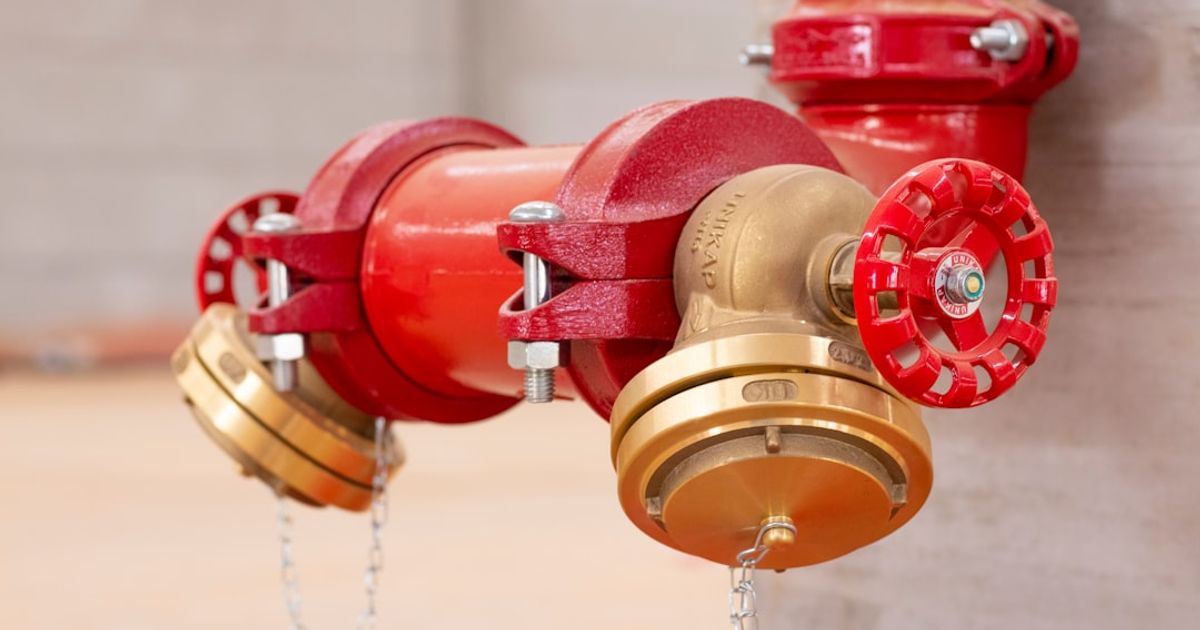
Emergency Plumbing Response Checklist: What to Document & Do Before Help Arrives
Introduction
When a plumbing emergency strikes in Mesquite, Texas, those first few minutes are critical. Whether it's a burst pipe flooding your kitchen, a backed-up sewer line, or a water heater catastrophe, knowing exactly what to do before the emergency plumber arrives can save you thousands of dollars in water damage restoration costs and ensure you have proper documentation for insurance claims.
This comprehensive checklist is designed specifically for Mesquite homeowners who need immediate guidance during a plumbing crisis. The average water damage restoration costs between $7 and $10 per square foot, meaning a 1,000 square foot affected area could cost $7,000-$10,000 to repair. In Mesquite's climate, where temperatures can fluctuate dramatically between seasons, plumbing emergencies are unfortunately common—from frozen pipes in winter to burst lines from ground settling in spring.
This guide provides a step-by-step checklist you can reference during an emergency, helping you take immediate action to minimize damage, document everything properly for your insurance company, and prepare comprehensive information for your emergency plumber. By following this checklist, Mesquite residents can protect their homes, preserve evidence for insurance claims, and help emergency plumbers respond more effectively when they arrive at your property.
Quick Reference Summary: Essential Emergency Plumbing Actions
When a plumbing emergency happens in Mesquite, you need to act fast. Here are the most critical items from this checklist:
Top 5 Most Important Immediate Actions:
- Shut off the main water supply immediately (located outside your home near the street or in your utility area)
- Turn off electricity to affected areas if water is near electrical outlets or appliances
- Stop water intrusion using towels, buckets, or temporary barriers
- Take photos and videos of all damage from multiple angles before cleanup
- Call your emergency plumber and insurance company within the first hour
Critical Documentation Items:
- [ ] Date, time, and exact location of the emergency
- [ ] Photos showing the damage from multiple angles
- [ ] Video walkthrough of affected areas
- [ ] List of damaged items with approximate values
- [ ] Utility account numbers and service information
- [ ] Insurance policy number and contact information
- [ ] Information about any previous plumbing issues
Time-Sensitive Actions (First 30 Minutes):
- [ ] Locate and shut off main water valve
- [ ] Turn off electricity if water is near outlets
- [ ] Move valuables from affected areas
- [ ] Begin documentation with photos/video
- [ ] Call emergency plumber (Mesquite has several 24/7 services available)
- [ ] Notify your insurance company
- [ ] Open windows and doors for ventilation
- [ ] Place towels and buckets to contain water
These quick actions form the foundation of your emergency response. The rest of this checklist provides detailed guidance for each step.
Immediate Safety Steps: Shut Off Water, Electrical & Gas
Before anything else—before documenting, before calling anyone—you must ensure the safety of your family and home. In Mesquite, emergency responders recommend prioritizing safety above all other concerns.
Shutting Off the Main Water Supply
Locate Your Main Water Valve:
- [ ] Find your main water shut-off valve (typically located outside your home near the street, or in your utility room/basement if you have one)
- [ ] In Mesquite, most residential properties have the main valve near the curb in a small box or valve pit
- [ ] If you can't locate it, check your property documentation or call the City of Mesquite Public Utilities Department
- [ ] Take a photo of the location for future reference
- [ ] Ensure all family members know where this valve is located
Shutting Off the Water:
- [ ] Turn the valve clockwise ("righty tighty") until it stops—don't force it
- [ ] If the valve is stuck or corroded, apply penetrating oil (like WD-40) and wait 15 minutes before trying again
- [ ] If you cannot turn it off, call your emergency plumber immediately—they have specialized tools
- [ ] After shutting off, turn on a faucet inside to verify water has stopped flowing
- [ ] Leave faucets open to release pressure in the lines
Secondary Shut-Off Points:
- [ ] Identify shut-off valves for individual fixtures (under sinks, behind toilets, near water heater)
- [ ] If the emergency is isolated to one fixture, you can shut off just that valve instead of the main
- [ ] Label these valves clearly for future reference
- [ ] In Mesquite homes, the water heater shut-off is typically located near the water heater in the utility room or garage
Managing Electrical Safety
Immediate Electrical Precautions:
- [ ] If water is near electrical outlets, switches, or appliances, turn off power to those circuits at the breaker panel
- [ ] If water has reached or is approaching the breaker panel itself, turn off the main breaker and call an electrician
- [ ] Do NOT touch electrical outlets or switches if they're wet
- [ ] Do NOT use electrical appliances in wet areas
- [ ] Assume all standing water near electrical equipment is dangerous
Appliance Shutdown:
- [ ] Unplug any appliances in the affected area (refrigerator, washing machine, dishwasher, etc.)
- [ ] If you cannot safely unplug them, turn off their breaker
- [ ] Do not use these appliances until an electrician has inspected them
- [ ] Document that appliances have been unplugged (photo evidence for insurance)
Gas Line Safety
If You Smell Gas:
- [ ] Leave your home immediately
- [ ] Call 911 from outside your home
- [ ] Do NOT use any electrical switches, phones, or ignition sources inside
- [ ] Do NOT attempt to locate or shut off the gas yourself
- [ ] Wait for emergency responders to declare the home safe
Gas Water Heater Precautions:
- [ ] If your water heater is gas-powered and water is leaking near it, turn off the gas valve
- [ ] The gas valve is typically located on top of or next to the water heater
- [ ] Turn the knob to the "OFF" position
- [ ] Do not attempt to relight the pilot light yourself
- [ ] Call your emergency plumber to inspect before relighting
Documenting Damage with Photos & Video
Documentation is absolutely critical in Mesquite emergency situations because it serves two essential purposes: proving the extent of damage to your insurance company and providing your emergency plumber with detailed information about what happened. Insurance companies in Texas require photographic evidence of damage, and inadequate documentation can result in claim denials or reduced payouts.
Photo Documentation Protocol
Immediate Photos (Within First 30 Minutes):
- [ ] Take photos of the water source (burst pipe, leaking joint, overflowing toilet, etc.)
- [ ] Photograph the water damage from multiple angles and distances
- [ ] Include overview shots showing the extent of water spread
- [ ] Close-up photos of specific damage areas
- [ ] Photos showing the water level on walls or floors
- [ ] Date and timestamp should be visible (enable this in your phone settings)
- [ ] Include a reference object in photos for scale (like a ruler or standard item)
Room-by-Room Documentation:
- [ ] Photograph all affected rooms from the doorway first
- [ ] Then take detailed photos of damaged areas
- [ ] Document wet walls, ceilings, and flooring
- [ ] Photograph any visible mold or discoloration
- [ ] Take photos of damaged furniture, belongings, and fixtures
- [ ] Document the path water has traveled through your home
- [ ] Include photos of any water pooling or still-standing water
Documentation of Specific Items:
- [ ] Photograph each damaged item individually
- [ ] Include photos showing brand names and model numbers when visible
- [ ] Document the condition of items (completely soaked, partially wet, water-stained, etc.)
- [ ] Take photos of important documents or items that were damaged
- [ ] Include photos of any items you've moved to prevent further damage
Video Documentation
Creating a Comprehensive Damage Video:
- [ ] Use your smartphone to record a video walkthrough of all affected areas
- [ ] Start with the source of the water/damage
- [ ] Slowly pan across affected rooms while narrating what you see
- [ ] Describe the extent of damage, water depth, and affected items
- [ ] Include audio commentary identifying the date, time, and nature of emergency
- [ ] Film from multiple angles in each room
- [ ] Record the entire extent of the affected area
- [ ] Ensure good lighting—turn on lights and open curtains
What to Say in Your Video:
- [ ] "This is [Your Name], on [Date] at [Time], documenting water damage from [cause of emergency]"
- [ ] Describe the location and extent: "Water has spread from the kitchen through the hallway and into the living room"
- [ ] Identify specific damage: "The carpet is completely soaked, drywall is wet, and water has reached the baseboards"
- [ ] Note the water source: "Water is coming from a burst pipe behind the kitchen sink"
- [ ] Mention any items that were damaged or relocated
Storing Your Documentation:
- [ ] Upload photos and videos to cloud storage (Google Drive, iCloud, Dropbox) immediately
- [ ] Email copies to yourself as backup
- [ ] Create a folder labeled with the date and "Plumbing Emergency"
- [ ] Do not delete any documentation from your phone
- [ ] Save the video file in multiple locations
- [ ] Consider printing important photos as additional backup
Gathering Important Information for Your Plumber
When your emergency plumber arrives in Mesquite, having organized information ready will help them respond faster and more effectively. This information also helps them diagnose the problem quickly, which can reduce the emergency service fee (typically $150-$300 for after-hours calls in the Mesquite area).
Property Information Checklist
Basic Home Details:
- [ ] Address and property location (apartment, house, condo, commercial property)
- [ ] Year your home was built (helps identify plumbing system type)
- [ ] Type of plumbing system (copper, PVC, galvanized, combination)
- [ ] Age of water heater (if applicable to the emergency)
- [ ] Whether you have a septic system or municipal sewer (Mesquite uses municipal sewer)
- [ ] Location of main water shut-off valve (already identified above)
- [ ] Location of secondary shut-off valves
- [ ] Any recent plumbing work or repairs
Utility Account Information:
- [ ] Water utility account number
- [ ] Gas utility account number (if applicable)
- [ ] Electricity account number
- [ ] Mesquite Public Utilities customer service number
- [ ] Any outstanding service requests or known issues with utilities
Emergency Contact Information:
- [ ] Your phone number and best time to reach you
- [ ] Secondary contact person
- [ ] Your insurance company name and policy number
- [ ] Insurance claim number (if already filed)
- [ ] Insurance adjuster contact information
Describing the Problem
What to Tell Your Emergency Plumber:
- [ ] When did you first notice the problem? (Exact time if possible)
- [ ] What is the specific problem? (Burst pipe, leak, backup, no water pressure, etc.)
- [ ] Where is the problem located? (Kitchen, bathroom, basement, under house, etc.)
- [ ] Is water still flowing or has it stopped?
- [ ] How much water is involved? (Small drip, steady stream, flooding, etc.)
- [ ] Have you already shut off the main water? (Yes/No)
- [ ] Is there water damage to other areas? (Describe spread pattern)
- [ ] Any unusual smells? (Sewage, gas, mold, etc.)
- [ ] Any unusual sounds? (Hissing, gurgling, banging, etc.)
- [ ] Have you experienced similar problems before?
- [ ] Have you made any temporary repairs or barriers?
Previous Plumbing History:
- [ ] List of previous plumbing emergencies
- [ ] Names and contact info of previous plumbers who worked on your home
- [ ] Any known problem areas (recurring clogs, slow drains, weak water pressure)
- [ ] Previous repairs or replacements (pipes, water heater, fixtures)
- [ ] Any ongoing issues you've been monitoring
- [ ] Tree roots or other known external factors affecting plumbing
Preparing Access Information
Entry and Access Details:
- [ ] Ensure gates, doors, and fences are unlocked
- [ ] Identify where the plumber should park
- [ ] Note any dangerous pets (keep them secured)
- [ ] Identify the location of the water shut-off for emergency reference
- [ ] Remove obstacles from the path to affected areas
- [ ] Ensure adequate lighting in affected areas
- [ ] Have a family member available to meet the plumber
- [ ] Provide gate codes, key information, or access instructions
Protecting Valuables & Preventing Further Damage
While documentation is happening, you must also take active steps to protect your belongings and prevent the emergency from getting worse. In Mesquite's climate, water can cause damage to drywall, insulation, and flooring very quickly, especially during humid months.
Immediate Water Containment
Stopping Water Spread:
- [ ] Place towels, blankets, or bath mats along the water's edge to slow spread
- [ ] Use old towels or disposable materials (don't use valuable linens)
- [ ] Create barriers using towel rolls to redirect water toward drains or exits
- [ ] Place buckets or containers under dripping water
- [ ] Empty buckets frequently to prevent overflow
- [ ] Use plastic sheeting or tarps to contain water in specific areas
- [ ] Block doorways with towels or barriers to prevent water from spreading to other rooms
- [ ] If water is spreading to basement or crawl space, create a dam with towels
Removing Standing Water:
- [ ] Use a wet/dry vacuum if you have one (do not use regular vacuums)
- [ ] Use a mop and bucket to push water toward drains
- [ ] Use a dehumidifier if available to reduce moisture
- [ ] Open windows and doors for air circulation (weather permitting in Mesquite)
- [ ] Place fans to direct air toward wet areas
- [ ] Do not let standing water sit for more than 24-48 hours (mold risk)
- [ ] Avoid walking through standing water if possible
Protecting Valuables and Belongings
Relocating Items:
- [ ] Move furniture, electronics, and valuables away from affected areas
- [ ] Elevate items off wet floors using plastic bins or shelving
- [ ] Remove books, documents, and paper items from wet areas
- [ ] Relocate clothing from lower drawers and closets
- [ ] Move artwork, photos, and sentimental items to dry areas
- [ ] Unplug and move electronics away from water
- [ ] Document which items you've moved (photo evidence)
- [ ] Place moved items in a secure, dry location
Protecting Irreplaceable Items:
- [ ] Identify documents that need immediate protection (deeds, insurance policies, birth certificates)
- [ ] Move these to a waterproof container or safe location
- [ ] Photograph important documents before they get wet
- [ ] Separate photographs and keepsakes from wet areas
- [ ] If items are already wet, place them in a freezer temporarily (prevents mold until professional restoration)
- [ ] Do not attempt to dry important documents yourself
Preventing Mold and Further Damage
Moisture Control:
- [ ] Open windows and doors to increase air circulation (if weather permits in Mesquite)
- [ ] Turn on ceiling fans to move air around
- [ ] Use dehumidifiers in affected areas
- [ ] Run air conditioning to help dry the space
- [ ] Do not close off affected areas (traps moisture and promotes mold)
- [ ] Avoid using heating in wet areas (can accelerate mold growth)
- [ ] Wipe down wet surfaces with towels to remove standing water
- [ ] Remove wet insulation if accessible (call professional for large areas)
Preventing Mold Growth:
- [ ] Do not allow wet materials to sit for more than 48 hours
- [ ] Remove wet drywall and flooring within 24-48 hours if possible
- [ ] Spray affected areas with diluted white vinegar or commercial mold inhibitor
- [ ] Do not use bleach on porous surfaces (can trap moisture)
- [ ] Monitor for mold growth in the following days and weeks
- [ ] If mold appears, contact a professional mold remediation company
- [ ] Keep documentation of all mold prevention steps taken
Information to Provide on Service Call
When your emergency plumber arrives at your Mesquite home, having all relevant information organized and ready will expedite the service call and ensure accurate diagnosis and repair.
Pre-Arrival Preparation
Organizing Information:
- [ ] Gather all documentation (photos, videos, utility information)
- [ ] Have property information written down and ready to share
- [ ] Prepare a written description of the problem
- [ ] List any temporary measures you've already taken
- [ ] Have utility account numbers readily available
- [ ] Prepare insurance information and policy number
- [ ] Write down the timeline of events
- [ ] Note any previous similar issues
Creating a Walkthrough Plan:
- [ ] Plan the route to show the plumber the problem area
- [ ] Identify the main water shut-off location
- [ ] Point out any areas already affected by water damage
- [ ] Show any temporary containment measures you've set up
- [ ] Indicate areas that are unsafe or restricted
- [ ] Identify the water source (if visible)
- [ ] Show access points to problem areas
- [ ] Prepare to answer questions about the timeline
Information to Communicate Verbally
Key Details to Explain:
- [ ] Exact time you first noticed the problem
- [ ] Specific location of the water source
- [ ] How much water is involved and how fast it's spreading
- [ ] Whether you've already shut off the main water
- [ ] Any unusual sounds or smells noticed
- [ ] Previous plumbing issues in this area
- [ ] Any recent plumbing work done on the property
- [ ] Whether the problem is ongoing or has stopped
- [ ] Any temporary repairs or barriers you've created
- [ ] Access restrictions or safety concerns
Questions to Ask Your Plumber:
- [ ] What is the exact cause of this emergency?
- [ ] Is this a repair or replacement situation?
- [ ] How much will this cost? (Get estimate in writing)
- [ ] How long will the repair take?
- [ ] What is the timeline for completion?
- [ ] Are there any temporary measures to prevent further damage?
- [ ] Should I contact a water damage restoration company?
- [ ] What documentation do I need for insurance?
- [ ] Are there preventative measures to avoid future emergencies?
- [ ] Do you provide written warranty on this repair?
Authorizing Work and Payment
Before Work Begins:
- [ ] Ask for a written estimate (required by most emergency plumbers in Mesquite)
- [ ] Understand what is included in the estimate
- [ ] Ask about emergency service fees and surcharges
- [ ] Confirm total cost before work begins
- [ ] Ask about payment methods accepted
- [ ] Determine if they accept insurance assignments
- [ ] Get the plumber's name, company, and license number
- [ ] Ask for a receipt and itemized invoice
During Work:
- [ ] Stay available to answer additional questions
- [ ] Document the work being performed (photos for insurance)
- [ ] Note any additional issues discovered
- [ ] Ask for explanations of what's being done
- [ ] Request before-and-after photos of the repair
- [ ] Confirm all damaged materials are being properly removed
- [ ] Ask about cleanup and restoration of the area
Insurance Claim Documentation Checklist
For Mesquite homeowners, proper documentation is essential for insurance claims. Texas homeowners insurance typically covers sudden, accidental water damage from burst pipes, but not damage from lack of maintenance or gradual leaks. Having comprehensive documentation significantly increases the likelihood of claim approval.
Documentation to Gather
Photographic Evidence:
- [ ] All photos taken immediately after the emergency
- [ ] All videos documenting the damage
- [ ] Photos of the water source (burst pipe, failed seal, etc.)
- [ ] Photos showing the extent of water spread
- [ ] Close-up photos of specific damage areas
- [ ] Photos of damaged items with identifying information
- [ ] Photos of any mold growth that appears later
- [ ] Photos documenting your cleanup and mitigation efforts
- [ ] Before photos if you have them from previous documentation
Written Documentation:
- [ ] Detailed written description of what happened
- [ ] Timeline of events (when you noticed it, when you called, when plumber arrived)
- [ ] List of all damaged items with estimated values
- [ ] Plumber's invoice and repair estimate
- [ ] Receipts for any emergency supplies purchased
- [ ] Receipts for any temporary repairs or mitigation
- [ ] Receipts for dehumidifiers, fans, or drying equipment
- [ ] Documentation of any professional cleanup services used
Professional Documentation:
- [ ] Plumber's written report of the cause of damage
- [ ] Water damage restoration company's assessment (if used)
- [ ] Mold inspection report (if mold was found)
- [ ] Any engineer's report about structural damage
- [ ] Insurance adjuster's photographs and notes
- [ ] Receipts from any professional restoration services
- [ ] Itemized invoices for all repair work
Property Information:
- [ ] Insurance policy number and coverage details
- [ ] Proof of insurance (policy declaration page)
- [ ] Proof of home maintenance (receipts for plumbing inspections, repairs)
- [ ] Property deed or proof of ownership
- [ ] Home inspection reports (if recently purchased)
- [ ] Any previous insurance claims history
- [ ] Utility account information
Filing Your Claim
Timing and Process:
- [ ] Contact your insurance company within 24-48 hours of the emergency
- [ ] Have your policy number and emergency details ready
- [ ] Provide a brief description of what happened
- [ ] Ask for a claim number and adjuster assignment
- [ ] Request information about the claims process timeline
- [ ] Ask what documentation you need to provide
- [ ] Inquire about coverage limits and deductibles
- [ ] Ask if they recommend specific water damage companies
Communicating with Your Adjuster:
- [ ] Provide all documentation promptly (within requested timeframe)
- [ ] Keep copies of everything you submit
- [ ] Document all communications (dates, times, names)
- [ ] Provide detailed written descriptions along with photos
- [ ] Explain the cause of damage clearly
- [ ] Provide professional assessments and estimates
- [ ] Be prepared to answer detailed questions
- [ ] Follow up regularly on claim status
Mitigation Responsibility:
- [ ] Understand that you're responsible for "mitigation" (preventing further damage)
- [ ] Keep all receipts for mitigation efforts
- [ ] Document all mitigation work with photos
- [ ] Do not delay in removing wet materials
- [ ] Do not ignore signs of mold growth
- [ ] Maintain proper ventilation in affected areas
- [ ] Use dehumidifiers and fans as needed
- [ ] Report any new damage immediately
Post-Service Documentation Steps
After your emergency plumber has completed the repair and left your Mesquite home, documentation doesn't end. Proper post-service documentation protects you for insurance purposes and helps prevent future emergencies.
Documenting the Repair Work
Photographing Completed Work:
- [ ] Take photos of the repair area after work is completed
- [ ] Document the new pipe, fixture, or component that was installed
- [ ] Photograph the area where water damage occurred
- [ ] Take photos showing the work area is clean and safe
- [ ] Document any temporary barriers or protection that remain
- [ ] Photograph the main water shut-off location for future reference
- [ ] Take photos of the water heater if that was involved
- [ ] Document any areas that need follow-up restoration
Collecting Professional Documentation:
- [ ] Request a detailed invoice from the plumber
- [ ] Ask for a written description of the work performed
- [ ] Get the plumber's warranty information in writing
- [ ] Request before-and-after photos if available
- [ ] Ask for the part/component serial numbers and model numbers
- [ ] Request the plumber's license number and company information
- [ ] Ask for recommendations for follow-up services
- [ ] Request a timeline for any monitoring or additional checks
Creating Your Emergency Record:
- [ ] Create a folder with all emergency documentation
- [ ] Label it clearly with the date and nature of emergency
- [ ] Include all photos and videos
- [ ] Include the plumber's invoice and warranty
- [ ] Include your insurance claim information
- [ ] Store digital copies in cloud storage
- [ ] Keep physical copies in a waterproof container
- [ ] Share location of this folder with family members
Monitoring for Secondary Damage
Ongoing Inspection Schedule:
- [ ] Check the repair area daily for the first week
- [ ] Look for any signs of new leaks or water
- [ ] Monitor for mold growth in affected areas
- [ ] Check for any unusual smells or discoloration
- [ ] Inspect walls and ceilings for water stains
- [ ] Check basement or crawl spaces for moisture
- [ ] Monitor humidity levels in affected areas
- [ ] Document any concerning changes with photos
When to Call for Follow-Up Service:
- [ ] If water reappears in the same location
- [ ] If you notice new water stains or discoloration
- [ ] If mold appears in or near the repair area
- [ ] If you notice unusual sounds or smells
- [ ] If water pressure changes or becomes inconsistent
- [ ] If the repair area doesn't dry properly after 48-72 hours
- [ ] If you notice cracks or damage near the repair
- [ ] If the problem occurs in a different location
Restoration and Recovery
Water Damage Restoration:
- [ ] Determine if professional water damage restoration is needed
- [ ] Contact restoration companies for assessments
- [ ] Document all restoration work with photos
- [ ] Keep all receipts and invoices
- [ ] Monitor the drying process
- [ ] Have humidity levels checked professionally
- [ ] Request final inspection and sign-off
- [ ] Keep documentation for insurance and future reference
Preventing Future Emergencies:
- [ ] Schedule regular plumbing inspections
- [ ] Have your water heater serviced annually
- [ ] Consider installing water leak detection systems
- [ ] Insulate pipes in vulnerable areas (especially in Mesquite's variable climate)
- [ ] Know the location of all shut-off valves
- [ ] Educate family members about emergency procedures
- [ ] Keep emergency plumber contact information accessible
- [ ] Document your plumbing system type and age
Frequency Recommendations for Plumbing Checks
Prevention is always better than dealing with emergencies. Following a regular inspection schedule can help you catch problems before they become expensive emergencies in your Mesquite home.
Daily Checks (Quick Visual Inspection)
What to Look For Each Day:
- [ ] Check under sinks for any signs of moisture or drips
- [ ] Listen for unusual sounds (hissing, banging, gurgling)
- [ ] Smell for any unusual odors (especially sewage or gas)
- [ ] Check that water flows normally from faucets
- [ ] Ensure toilets flush normally without running continuously
- [ ] Look for any visible water stains on ceilings or walls
- [ ] Check basement or crawl space for moisture (if accessible)
- [ ] Monitor water pressure at faucets
Time Required: 5-10 minutes daily
Weekly Checks (More Detailed Inspection)
Weekly Inspection Tasks:
- [ ] Run water in all sinks and check for leaks
- [ ] Flush all toilets and check for leaks or running water
- [ ] Run the dishwasher and washing machine, listening for unusual sounds
- [ ] Check the water heater for any leaks or unusual sounds
- [ ] Look at the area around the water heater for moisture
- [ ] Check basement or crawl space for standing water or dampness
- [ ] Inspect visible pipes for corrosion or damage
- [ ] Test water pressure at multiple faucets
Time Required: 15-20 minutes weekly
Monthly Checks (Comprehensive Inspection)
Monthly Plumbing Inspection:
- [ ] Inspect all visible pipes for leaks, corrosion, or damage
- [ ] Check all faucets for drips or leaks
- [ ] Test all toilets for leaks (add food coloring to tank, check if it appears in bowl)
- [ ] Inspect under sinks and around fixtures for moisture
- [ ] Check the water heater for leaks, corrosion, or unusual sounds
- [ ] Inspect the area around the water heater for moisture
- [ ] Check basement/crawl space thoroughly for moisture or mold
- [ ] Test water pressure and flow at multiple locations
- [ ] Check for any water stains on ceilings or walls
- [ ] Inspect grout and caulk around tubs and showers
Time Required: 30-45 minutes monthly
Annual Checks (Professional Inspection)
When to Schedule Professional Inspection:
- [ ] Schedule a professional plumbing inspection at least once per year
- [ ] Ideal timing: Spring (before summer water usage increases) or Fall (before winter freezes)
- [ ] Have the plumber inspect the entire plumbing system
- [ ] Request a written report of findings
- [ ] Ask about any potential problem areas
- [ ] Get recommendations for preventative maintenance
- [ ] Have the water heater serviced annually
- [ ] Consider camera inspection of sewer lines if you have recurring backups
Professional Inspection Should Include:
- [ ] Visual inspection of all accessible pipes
- [ ] Pressure testing of the water system
- [ ] Water heater inspection and sediment flush
- [ ] Drain line inspection (camera if needed)
- [ ] Fixture inspection and testing
- [ ] Sump pump testing (if applicable)
- [ ] Septic system inspection (if applicable)
- [ ] Written report with recommendations
Time Required: 1-2 hours for professional inspection
Cost in Mesquite Area: $150-$300 for annual professional inspection
Warning Signs to Watch For
Knowing the warning signs of plumbing problems allows you to catch issues before they become expensive emergencies. In Mesquite, several environmental factors make certain problems more common.
Signs of Water Leaks
Visual Warning Signs:
- [ ] Water stains on ceilings or walls (indicates leak above)
- [ ] Peeling paint or wallpaper (sign of moisture)
- [ ] Soft or spongy drywall (advanced moisture damage)
- [ ] Visible water pooling or dripping
- [ ] Wet spots on floors with no obvious source
- [ ] Mold or mildew growth (black, green, or white spots)
- [ ] Discoloration around pipes or fixtures
- [ ] Rust stains on pipes or fixtures
- [ ] Mineral deposits around faucets or pipes
When to Act Immediately: If you see active water dripping or pooling, shut off the main water immediately and call an emergency plumber.
Signs of Pipe Problems
Auditory Warning Signs:
- [ ] Banging or knocking sounds in pipes (water hammer)
- [ ] Hissing or whistling sounds (pressure issues)
- [ ] Gurgling sounds in drains (blockage or vent issue)
- [ ] Rattling pipes when water runs
- [ ] Unusual sounds from the water heater
What These Sounds Mean:
- Banging: Water hammer (pressure surge), can cause pipe damage
- Hissing: Possible leak or pressure regulator issue
- Gurgling: Drain blockage or improper venting
- Rattling: Loose pipes or mounting straps
Signs of Drain Problems
Drainage Warning Signs:
- [ ] Slow draining in sinks, tubs, or showers
- [ ] Water backing up in one or multiple drains
- [ ] Gurgling sounds from drains
- [ ] Sewage smell coming from drains
- [ ] Wet spots in yard or basement
- [ ] Multiple drains backing up simultaneously
- [ ] Repeated clogs in same location
- [ ] Toilet not flushing completely
When This Indicates a Main Line Problem: If multiple drains are slow or backing up, the problem is likely in the main sewer line. This requires professional diagnosis and is often urgent.
Signs of Water Heater Problems
Water Heater Warning Signs:
- [ ] No hot water or water not getting hot enough
- [ ] Water is too hot (safety issue)
- [ ] Rust-colored water from hot side only
- [ ] Strange noises from water heater (popping, rumbling)
- [ ] Leaking water around the base
- [ ] Visible corrosion or rust on the tank
- [ ] Age over 10-12 years (typical lifespan)
- [ ] Reduced hot water supply
Emergency Action Needed: If your water heater is leaking significantly or making loud noises, turn off the gas (if gas-powered) or electricity (if electric) and call an emergency plumber. Water heater failure can cause significant water damage.
Signs of Frozen Pipes (Winter in Mesquite)
Frozen Pipe Warning Signs:
- [ ] No water pressure or very weak pressure
- [ ] Water stops flowing from one or more faucets
- [ ] Visible frost on exposed pipes
- [ ] Bulging or cracked pipes
- [ ] Water backing up
- [ ] Unusual odors from drains
- [ ] Banging or clanking sounds
Prevention in Mesquite: While Mesquite rarely experiences prolonged freezes, winter temperatures can occasionally drop below freezing. Insulate exposed pipes, let faucets drip during freezes, and open cabinet doors to allow heat circulation around pipes.
Signs of Burst Pipes
Burst Pipe Emergency Signs:
- [ ] Sudden loss of water pressure throughout home
- [ ] Water pooling or spraying inside walls or basement
- [ ] Wet spots appearing in yard or foundation
- [ ] Unusually high water bill (indicates leak)
- [ ] Sound of running water with no visible source
- [ ] Cracks in foundation or exterior walls
- [ ] Mold growth in unusual locations
Immediate Action: If you suspect a burst pipe, shut off the main water immediately and call an emergency plumber. Burst pipes can cause thousands of dollars in damage within hours.
Tools You'll Need for Emergency Response
Having the right tools on hand before an emergency occurs allows you to respond quickly and effectively. These tools help you shut off water, document damage, and contain the problem.
Essential Tools (Must Have)
Water Shut-Off Tools:
- [ ] Adjustable wrench (for turning main water valve)
- [ ] Pipe wrench (for stubborn valves)
- [ ] Flat-head screwdriver (for valve handles)
- [ ] Penetrating oil like WD-40 (for stuck valves)
- [ ] Towels and rags (for wiping and containing water)
- [ ] Buckets (multiple sizes for catching water)
- [ ] Plastic sheeting or tarps (for containment)
- [ ] Duct tape (for temporary sealing)
Documentation Tools:
- [ ] Smartphone with camera and video capability
- [ ] Cloud storage account (Google Drive, iCloud, Dropbox)
- [ ] Notepad and pen (for writing down information)
- [ ] Flashlight (for inspecting dark areas)
- [ ] Measuring tape (for documenting damage extent)
Safety Equipment:
- [ ] Rubber gloves (for handling contaminated water)
- [ ] Face mask (if mold is present)
- [ ] Work boots (for wading through water)
- [ ] First aid kit (for minor injuries)
- [ ] Flashlight with extra batteries
Helpful Tools (Recommended)
Water Removal and Drying:
- [ ] Wet/dry vacuum (for removing standing water)
- [ ] Mop and bucket (for pushing water to drains)
- [ ] Box fans (for air circulation)
- [ ] Dehumidifier (for moisture control)
- [ ] Towels and blankets (for water absorption)
Inspection and Documentation:
- [ ] Moisture meter (to check dampness levels)
- [ ] Thermometer (to monitor temperature in affected areas)
- [ ] pH paper or mold test kit (to check for mold)
- [ ] Ruler or measuring device (for scale in photos)
Temporary Repair Supplies:
- [ ] Pipe repair tape (temporary fix for small leaks)
- [ ] Epoxy putty (temporary seal for pinhole leaks)
- [ ] Rubber patches and clamps (for temporary pipe repair)
- [ ] Caulk and caulk gun (for sealing gaps)
- [ ] Plumber's putty (for fixture sealing)
Where to Get These Tools
Local Mesquite Sources:
- [ ] Home Depot (multiple locations in Mesquite area)
- [ ] Lowe's (hardware and supplies)
- [ ] Ace Hardware (local hardware stores)
- [ ] Plumbing supply stores (specialized equipment)
- [ ] Amazon or online retailers (for specific items)
- [ ] Walmart (basic supplies)
Cost Estimate: $100-$200 for a complete emergency kit
Storage Recommendation: Keep all emergency tools together in a clearly labeled container in an easily accessible location. Ensure all family members know where this container is located.
Conclusion
Plumbing emergencies in Mesquite can happen without warning, but being prepared makes all the difference in minimizing damage and protecting your home. This comprehensive checklist provides you with a step-by-step guide for responding immediately when a plumbing crisis occurs.
The most critical actions are: (1) shut off the main water supply immediately, (2) ensure electrical safety by turning off power to affected areas, (3) document everything with photos and video, (4) call an emergency plumber, and (5) contact your insurance company. Following these steps protects your home, provides evidence for insurance claims, and helps emergency plumbers respond more effectively.
Remember that emergency plumbing response isn't just about the immediate crisis—it's about protecting your investment and ensuring proper documentation for insurance purposes. By following this emergency plumbing checklist, gathering the recommended tools, and maintaining regular inspection schedules, you significantly reduce your risk of catastrophic water damage.
Keep this checklist accessible in your home, share it with family members, and save it to your phone for quick reference. When you need an emergency plumber in Mesquite, you'll be prepared to respond quickly and effectively, potentially saving thousands of dollars in water damage restoration costs.
For trusted emergency plumbing services in Mesquite, TX, contact local licensed plumbers today. Having a reliable emergency plumber's number saved in your phone before you need it ensures you can get help immediately when a plumbing crisis strikes.

Frequently Asked Questions
Q:How often should I check my plumbing system for potential problems?
A: You should perform quick daily visual checks (under 5 minutes) looking for visible water, listening for unusual sounds, and checking water pressure. Weekly checks should take 15-20 minutes and include testing all fixtures. Monthly comprehensive inspections take 30-45 minutes and examine pipes, fixtures, and water heater. Most importantly, schedule a professional plumbing inspection at least once annually. For Mesquite homes, professional inspections typically cost $150-$300 and can identify problems before they become emergencies. This preventative approach saves thousands in potential water damage repairs.
Q:What are the most important warning signs of a plumbing emergency I should watch for?
A: The most critical warning signs include: (1) visible water stains on ceilings or walls indicating hidden leaks, (2) sudden loss of water pressure suggesting a burst pipe, (3) multiple drains backing up simultaneously indicating a main sewer line problem, (4) water pooling in your yard or basement, (5) unusual sounds like banging, hissing, or gurgling from pipes, (6) sewage smells from drains, (7) rust-colored water from hot water faucets, and (8) visible leaking around the water heater. In Mesquite's climate, watch for signs of frozen pipes during rare cold snaps. If you notice any of these signs, call an emergency plumber immediately rather than waiting for the problem to worsen.
Q:What tools and supplies do I need to have on hand for plumbing emergencies?
A: Essential emergency tools include: adjustable and pipe wrenches for shutting off water valves, towels and buckets for containing water, plastic sheeting for barriers, penetrating oil for stuck valves, and your smartphone for documentation. You'll also need a notepad for recording information, flashlight for inspections, and cloud storage account for backing up photos. Helpful additional tools include a wet/dry vacuum, dehumidifier, and fans for water removal. Safety equipment should include rubber gloves, face mask, and work boots. Most importantly, know the location of your main water shut-off valve before an emergency occurs. A complete emergency kit costs $100-$200 and should be stored in an easily accessible, clearly labeled container that all family members know about.
Q:Should I attempt any temporary repairs myself, or should I wait for the emergency plumber?
A: For minor temporary measures, you can use pipe repair tape or epoxy putty on small pinhole leaks as a very temporary fix, but these are only stopgaps. You should absolutely NOT attempt to repair: burst pipes, main water line problems, water heater issues, gas line connections, or sewer line problems. These require licensed professionals and improper repairs can void your insurance, violate building codes, and create safety hazards. Your priority should be shutting off the main water supply and calling an emergency plumber in Mesquite immediately. Emergency plumbers typically arrive within 30-60 minutes and charge $150-$300 for the service call. Attempting complex repairs yourself can result in thousands of dollars in additional damage and liability issues.
Q:What documentation do I need for my insurance company after a plumbing emergency?
A: Insurance companies require comprehensive documentation including: (1) photos and video of damage taken immediately after the emergency from multiple angles, (2) detailed written description of what happened with timeline, (3) list of all damaged items with estimated values, (4) plumber's invoice and repair estimate, (5) receipts for any emergency supplies or temporary repairs purchased, (6) professional water damage restoration company assessment if used, (7) proof of insurance and policy number, and (8) proof of home maintenance and inspections. Take photos before any cleanup or removal of damaged materials. Upload everything to cloud storage immediately as backup. Contact your insurance company within 24-48 hours with your claim. In Mesquite, Texas, homeowners insurance typically covers sudden, accidental water damage from burst pipes but not damage from lack of maintenance or gradual leaks, making proper documentation critical for claim approval.
Q:What should I do immediately when I discover a plumbing emergency in my Mesquite home?
A: Immediately after discovering a plumbing emergency, follow these steps in order: (1) Shut off the main water supply valve (located outside near the street or in your utility room) by turning it clockwise. (2) Turn off electricity to affected areas at the breaker panel if water is near outlets or appliances. (3) Stop water spread using towels and containers. (4) Take photos and video of all damage from multiple angles. (5) Call an emergency plumber in Mesquite (typically respond within 30-60 minutes). (6) Call your insurance company within the first hour. (7) Move valuables away from affected areas. (8) Begin documentation with detailed notes about what happened and when. (9) Do not attempt major repairs yourself. These first 30 minutes are critical for minimizing damage and documenting for insurance claims. Keep emergency plumber contact information saved in your phone before you need it.
Q:How do I know if I should call an emergency plumber versus waiting for regular business hours service?
A: Call an emergency plumber immediately (24/7 service in Mesquite) for: (1) active water leaks or spraying water, (2) burst or visibly cracked pipes, (3) water backing up into your home, (4) no water pressure throughout the house, (5) water pooling in basement or crawl space, (6) sewage smell from drains with backups, (7) water heater leaking significantly, (8) multiple drains backing up simultaneously, and (9) any situation causing active water damage. Emergency service calls in Mesquite typically cost $150-$300 (compared to $75-$125 for regular service) but prevent thousands in water damage. Do not wait until business hours for active emergencies. However, for slow drains, minor drips, or non-urgent issues, you can schedule regular business hours service. When in doubt, call the emergency plumber—the cost is minimal compared to potential water damage restoration.