
Emergency Plumbing Tips: Expert Guide for Homeowners

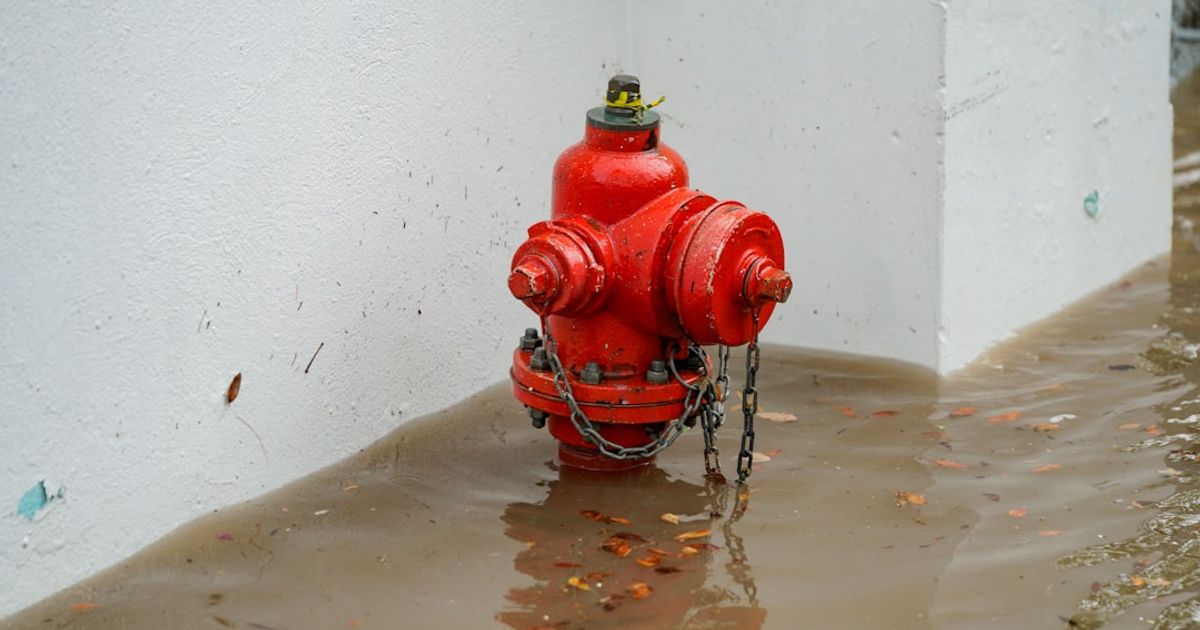
Emergency Plumbing Tips: Expert Guide for Homeowners
Introduction
It's 3 AM on a Sunday morning, and you hear the unmistakable sound of water dripping inside your walls. Your heart sinks as you realize you're facing a plumbing emergency—and most plumbers won't answer until Monday morning. This scenario plays out in thousands of homes every year, often resulting in costly water damage, structural issues, and overwhelming stress.
Emergency plumbing situations are among the most stressful home crises homeowners face. Unlike other home problems that can wait until business hours, plumbing emergencies demand immediate attention. Water damage can cost $7-$10 per square foot to restore, and that's before you factor in potential mold remediation, structural repairs, or temporary housing costs. The good news? Many emergency situations can be prevented, minimized, or managed effectively if you know what to do.
This comprehensive guide shares expert emergency plumbing tips that professionals use to handle urgent situations. Whether you're dealing with a burst pipe, overflowing toilet, or complete loss of hot water, understanding these emergency tips will help you protect your home and make informed decisions about when professional help is absolutely necessary. With 20+ years of emergency response experience, I've seen firsthand how homeowners' quick actions—or lack thereof—can mean the difference between a $300 repair and a $5,000+ disaster.
This guide is designed for homeowners who want to be prepared, understand their options, and know exactly what steps to take when plumbing emergencies strike. Let's dive into the critical emergency tips every homeowner should know.
Essential Emergency Plumbing Tips
Tip 1: Know Where Your Main Water Shut-Off Valve Is Located
This is the single most important emergency tip for any homeowner. Your main water shut-off valve is your first line of defense against catastrophic water damage. In a plumbing emergency, you need to be able to locate and operate this valve in under 30 seconds—ideally in the dark and under stress.
Why this matters: A burst pipe or major leak can release 2,000+ gallons of water per day. Every second you waste finding the shut-off valve means more water damage to your home. Emergency plumbers consistently report that homeowners who quickly shut off their main water experience 50-70% less damage than those who panic and wait for professional help.
How to implement it: Locate your main water shut-off valve today—don't wait for an emergency. In most homes, it's located in the basement near the foundation wall where the main water line enters, in a utility closet, or outside in a meter box. Once you find it, mark it clearly with bright tape or paint. Test it by turning it clockwise to ensure it actually shuts off the water. Make sure everyone in your household knows where it is and how to operate it. Consider taking a photo and posting it on your refrigerator.
Common mistakes to avoid: Don't assume you know where it is without checking. Don't wait until you have a leak to locate it. Don't confuse individual shut-off valves under sinks with the main valve—you need the main valve for serious emergencies. Some homeowners turn the valve too aggressively and damage it; turn it smoothly and firmly, not with maximum force.
Tip 2: Install Individual Shut-Off Valves Under Every Sink and Toilet
While your main shut-off valve is essential, having individual shut-off valves under sinks and toilets gives you precision control. This emergency tip prevents you from shutting off water to your entire home when the problem is localized.
Why this matters: If your toilet is overflowing, you don't want to shut off water to your kitchen, bedrooms, and laundry room. Individual shut-off valves let you isolate the problem. These valves cost $10-$20 each and can be installed in minutes, yet they're missing in many older homes.
How to implement it: Check under every sink and behind every toilet. If you see a small valve with a handle, you're good. If not, consider installing them. This is a simple DIY project if you have basic plumbing knowledge, or a plumber can install a set of four valves in under an hour for $100-$200. Turn each valve to ensure they work smoothly. Mark them clearly so family members can find them during an emergency.
Common mistakes to avoid: Don't install valves and then never test them. Don't assume old valves still work—corrosion can freeze them in place. Don't forget about outdoor faucets and washing machine connections, which also need shut-off valves.
Tip 3: Keep Essential Emergency Plumbing Supplies on Hand
Just like you keep a first-aid kit for medical emergencies, you should maintain a plumbing emergency kit. These supplies can help you manage a situation until professional help arrives.
Why this matters: The right supplies on hand can prevent a minor leak from becoming a major flood. A simple rubber patch kit costs $5 but can save thousands in water damage. Emergency plumbers often find that homeowners without basic supplies experience significantly worse outcomes.
How to implement it: Assemble a plumbing emergency kit containing: adjustable wrench, bucket (2-3 gallons), plunger (both cup and flange styles), rubber patch kit for pipes, Teflon tape, pipe dope (thread sealant), old towels or rags, flashlight with extra batteries, and a basic instruction manual for your home's plumbing system. Store this kit in an easily accessible location—not buried in the garage. Consider keeping a second plunger in a bathroom cabinet for quick access.
Common mistakes to avoid: Don't buy cheap tools that won't work when you need them. Don't store supplies in a location you'll forget about. Don't assume you know how to use patch kits without practicing beforehand. A burst pipe emergency is not the time to learn how to apply a rubber patch.
Tip 4: Understand Your Plumbing System's Basic Layout
Knowing how your plumbing system works—where the main line is, how water reaches your fixtures, and where drains go—helps you respond effectively to emergencies.
Why this matters: Many homeowners panic during plumbing emergencies because they don't understand what's happening. Understanding your system helps you communicate clearly with emergency plumbers, make better decisions about immediate actions, and prevent similar problems in the future.
How to implement it: Take time to trace your water lines and drain lines. Understand that water comes in through the main line, gets distributed throughout your home, and drains through a separate system. Know whether you have a septic system or municipal sewer connection. Identify where your water heater is located. If your home has a sump pump, understand how it works. Create a simple diagram or take photos of your main components. This knowledge takes 30 minutes but proves invaluable during emergencies.
Common mistakes to avoid: Don't confuse hot and cold water lines. Don't assume all drains go to the same place. Don't ignore your water heater—it's often the source of emergencies. Don't forget that your home's plumbing is interconnected; a problem in one area can affect others.
Tip 5: Know the Signs of Serious Plumbing Problems Before They Become Emergencies
Most plumbing emergencies don't appear without warning. Learning to recognize early warning signs lets you call a plumber during business hours instead of needing emergency service at 2 AM.
Why this matters: Prevention is always cheaper than emergency repair. A small leak that costs $200 to fix during regular hours becomes a $1,500+ emergency if it causes water damage. Early intervention saves money and stress.
How to implement it: Watch for these warning signs: slow drains that aren't responding to plunging, water stains on ceilings or walls (indicating hidden leaks), soft spots in flooring, musty odors suggesting mold, water heater making strange noises, reduced water pressure, or discolored water. Any of these warrant a call to a plumber during business hours. Don't wait for the problem to worsen.
Common mistakes to avoid: Don't ignore slow drains hoping they'll improve. Don't assume small leaks will fix themselves. Don't wait until you see major water damage to take action. Don't try to diagnose problems yourself without professional input—some issues are more serious than they appear.
Tip 6: Learn Basic Plunger Technique for Immediate Relief
A plunger is your first line of defense for clogs, and knowing how to use it properly can resolve many situations without professional help.
Why this matters: Many homeowners use plungers incorrectly, reducing their effectiveness. Proper technique can clear 60-70% of residential clogs. This emergency tip can save you $150-$300 on a professional drain cleaning call.
How to implement it: For sink clogs, fill the sink with a few inches of water, place the plunger cup over the drain, and pump vigorously 15-20 times. For toilet clogs, use a flange plunger (the kind with an extra rubber extension). The key is creating a seal and generating suction. Pump firmly but not violently. For double sinks, plug the overflow hole with a wet cloth to maintain suction. Try plunging before using chemical drain cleaners.
Common mistakes to avoid: Don't use a cup plunger on a toilet—use a flange plunger. Don't add chemical drain cleaners before plunging; this creates dangerous situations. Don't give up after one or two attempts; persistent plunging often works. Don't plunge with insufficient water; you need liquid to create suction. Don't use a plunger on a clogged toilet if you suspect a serious blockage deeper in the line.
Tip 7: Protect Pipes from Freezing in Winter Months
Frozen pipes are among the most common winter emergencies, but they're highly preventable with proper preparation.
Why this matters: Frozen pipes can burst, causing catastrophic water damage. Burst pipe repairs cost $200-$1,000+, and that's before water damage restoration. In northern climates, frozen pipes represent 30-40% of winter emergency calls.
How to implement it: Before winter arrives, insulate exposed pipes in unheated areas like basements, crawl spaces, and attics. Use foam pipe insulation sleeves (inexpensive and easy to install). Seal air leaks that allow cold air to reach pipes. In extremely cold weather, let faucets drip slightly to keep water moving through pipes—moving water is much harder to freeze than static water. Open cabinet doors under sinks to allow warm house air to reach pipes. Keep your home heated to at least 55°F, even if you're away. For outdoor faucets, shut off the water supply inside and drain the lines before winter.
Common mistakes to avoid: Don't wait until the first freeze to winterize. Don't assume your pipes are protected just because they're inside. Don't forget about outdoor faucets and hose connections. Don't close cabinet doors under sinks during cold weather—this traps cold air against pipes. Don't ignore warning signs like reduced water pressure or strange noises, which indicate freezing.
Tip 8: Handle a Burst Pipe Immediately
A burst pipe is a true emergency requiring immediate action. Knowing what to do in the first few minutes can prevent thousands in water damage.
Why this matters: A burst pipe can release 2,000+ gallons of water per day. Every minute you delay increases water damage exponentially. Proper immediate response is critical.
How to implement it: The moment you suspect a burst pipe: (1) Immediately shut off your main water valve. (2) Turn off your water heater if it's electric (if gas, just turn off the water supply). (3) Open all faucets to drain remaining water from the system. (4) Call an emergency plumber immediately—this is not a DIY repair. (5) Document the damage with photos for insurance purposes. (6) Begin water removal and mitigation (wet towels, buckets, fans) while waiting for professional help. (7) Contact your homeowner's insurance company to report the damage.
Common mistakes to avoid: Don't waste time trying to repair a burst pipe yourself. Don't delay calling an emergency plumber. Don't turn off only individual shut-off valves—you need the main valve. Don't ignore water that's already pooled; remove it to prevent mold and structural damage. Don't forget to document everything for insurance claims.
Tip 9: Address Overflowing Toilets Without Panic
An overflowing toilet is alarming but manageable with proper steps. This emergency tip helps you prevent sewage backup and water damage.
Why this matters: An overflowing toilet can release contaminated water throughout your bathroom and beyond. Quick action prevents this health hazard and water damage.
How to implement it: If your toilet is overflowing: (1) Stop the water immediately by turning the shut-off valve behind the toilet clockwise. If you don't have one, lift the tank lid and lift the float ball or cup to stop water flow. (2) Don't flush again. (3) If water is actively overflowing, use towels to contain it and direct it toward a drain or outside. (4) Assess the cause: is the bowl simply clogged, or is there a deeper issue? (5) Try plunging with a flange plunger if it's a simple clog. (6) If plunging doesn't work or if multiple drains are slow, call an emergency plumber—this may indicate a main line blockage requiring professional equipment.
Common mistakes to avoid: Don't flush repeatedly hoping the water will drain. Don't use chemical drain cleaners in toilets. Don't ignore multiple slow drains elsewhere in the house—this indicates a serious problem. Don't attempt to disassemble toilet components unless you know what you're doing.
Tip 10: Know When DIY Ends and Professional Help Begins
Understanding your limitations is perhaps the most important emergency tip. Knowing when to call a professional prevents costly mistakes and dangerous situations.
Why this matters: Some plumbing problems look simple but are actually complex. Improper DIY repairs can void your home's insurance, create code violations, cause injuries, or make problems worse. Professional plumbers have specialized tools, training, and insurance that homeowners don't.
How to implement it: Call an emergency plumber immediately for: burst pipes, sewer line backups, gas line issues (never touch these), water heater problems, main water line leaks, sewage smells, or any situation where you're uncertain. These require specialized equipment and expertise. For simpler issues like minor clogs or running toilets, you might try basic fixes first, but have a plumber's number ready. Always get quotes from at least three plumbers for non-emergency work. Verify they're licensed, insured, and have good reviews. Don't choose based on lowest price alone—emergency plumbers with better reputations often provide better results.
Common mistakes to avoid: Don't attempt gas line work yourself—this is illegal and dangerous. Don't try to repair water heaters unless you're specifically trained. Don't ignore professional recommendations because you want to save money; improper repairs cost more in the long run. Don't hire the first plumber you find; emergency situations don't prevent you from getting multiple quotes.
Pro Secrets Most Homeowners Don't Know
After two decades of emergency plumbing work, I've learned insider knowledge that most homeowners never discover. These professional secrets can save you thousands and help you navigate emergencies more effectively.
The 24-hour advantage: Most homeowners don't realize that calling an emergency plumber within the first hour of discovering a problem often results in significantly better outcomes. Emergency response times are typically 30-60 minutes during regular hours and 60-90 minutes during nights and weekends. The faster you call, the faster help arrives. Don't delay—call immediately when you discover a serious problem.
Water heater lifespan reality: Most homeowners don't know that water heaters have a typical lifespan of 8-12 years. If yours is approaching 10 years old and showing any signs of trouble (rust, leaking, reduced hot water), replacement is often cheaper than repair. A new water heater costs $800-$1,500 on average, but a failing water heater can cause water damage costing $5,000+. Proactive replacement prevents emergencies.
The hidden cost of chemical drain cleaners: Many homeowners use chemical drain cleaners thinking they're saving money, but professionals know these often cause more problems than they solve. They can damage old pipes, create dangerous chemical reactions, and don't address underlying issues. A professional drain cleaning with a snake or hydro-jet costs $150-$300 but solves problems properly. Chemical cleaners cost $10-$20 but often fail and require professional service anyway.
Sump pump maintenance secret: Homeowners with basements often forget that sump pumps need annual maintenance. A failed sump pump during heavy rain can cause catastrophic basement flooding. Checking the pump annually, ensuring the discharge line is clear, and testing the backup power system takes 30 minutes but prevents $10,000+ in damage.
The insurance documentation advantage: Professionals know that homeowners who photograph and document their plumbing system before emergencies occur have significantly easier insurance claims. Take photos of your water heater, main shut-off valve, visible pipes, and any existing damage. This documentation proves invaluable if you need to file a claim.
Seasonal Considerations for Emergency Plumbing
Plumbing emergencies aren't random—they follow seasonal patterns. Understanding these patterns helps you prepare appropriately and know what to watch for.
Winter (November-February): This is peak season for frozen pipe emergencies, water heater failures, and burst pipes. Cold weather forces water heater systems to work harder, and freezing temperatures create burst pipe risks. Before winter, insulate all exposed pipes, have your water heater inspected, and ensure your home's heating system is working properly. During winter, monitor water pressure and temperature; sudden changes indicate problems. In extremely cold weather, let faucets drip to keep water moving.
Spring (March-May): Spring thaw brings sump pump emergencies, sewer line backups (from root intrusion), and foundation leaks. Heavy rains test your drainage systems. Before spring, inspect your sump pump, ensure gutters and downspouts direct water away from your foundation, and have your sewer line inspected if you suspect root problems. Watch for slow drains throughout your home, which indicate sewer issues.
Summer (June-August): Summer brings garbage disposal failures (from increased cooking), AC condensate line clogs, and outdoor faucet problems. The warm weather means more water usage and more stress on plumbing systems. Before summer, service your garbage disposal, ensure AC condensate lines are clear, and inspect outdoor faucets. Be mindful of water usage during peak summer months.
Fall (September-October): Fall is the ideal time for preventive maintenance. Have your water heater serviced, pipes inspected, and outdoor shut-offs prepared for winter. This is the best time to address any issues you've noticed throughout the year before winter emergencies strike.
When Expert Help is Absolutely Necessary
Understanding the limits of DIY plumbing is crucial. Certain situations require professional expertise, specialized equipment, and licensing.
Gas line work: Never attempt to work on gas lines yourself. Gas line repairs require specialized training, certification, and equipment. Improper work can cause gas leaks, explosions, or carbon monoxide poisoning. Always call a licensed professional for any gas line issue.
Water heater problems: While you can perform basic maintenance like flushing sediment, actual repairs or replacement require professional expertise. Water heaters involve high temperatures, pressure, and potentially gas lines. Improper work voids warranties and creates safety hazards.
Sewer line issues: If you suspect a sewer line problem (sewage smell, multiple slow drains, or soggy patches in your yard), call a professional immediately. Sewer line diagnosis requires specialized camera equipment. Repairs range from $1,000-$8,000+ depending on severity and location, but improper attempts make problems worse.
Main water line leaks: A leak in your main water line (the line from the street to your house) requires professional diagnosis and repair. These often require excavation and specialized equipment. Signs include soggy patches in your yard, unusually high water bills, or water pooling in your yard.
When to call: Call an emergency plumber if you're uncertain about any plumbing issue, notice signs of serious problems, or if your DIY attempts don't work. It's better to call unnecessarily than to attempt something dangerous or damaging. Licensed emergency plumbers have the training, tools, and insurance to handle any situation safely and correctly.
FAQ: Emergency Plumbing Tips Questions
Q: What should I do if I smell gas near my plumbing?
A: Don't ignore gas smells near your plumbing. While gas leaks aren't directly plumbing-related, they can be associated with water heater or appliance issues. If you smell gas: (1) Leave your home immediately. (2) Call your gas company's emergency line from outside your home or a neighbor's phone. (3) Don't use any electrical switches, create sparks, or light matches inside your home. (4) Wait for the gas company to assess the situation. They'll determine if a plumber is needed. This is a safety emergency requiring immediate professional attention.
Q: How can I tell the difference between a major leak and a minor one?
A: Minor leaks typically drip slowly (one drop every few seconds) and are localized to a specific area. Major leaks produce steady streams of water or spray. Check your water meter: if it's running when no water is being used, you have a leak. If the meter increases significantly even with minor water use, the leak is substantial. For hidden leaks, look for water stains, soft spots in flooring, unusually high water bills, or mold growth. Any leak that's steadily worsening or producing visible water damage requires immediate professional attention.
Q: Is it true that I should never use chemical drain cleaners?
A: Chemical drain cleaners can be problematic in many situations. They can damage older pipes, create dangerous chemical reactions if mixed with other substances, and often don't solve underlying problems. However, for minor clogs in modern pipes, they may work. The problem is that if they don't work, you've now got caustic chemicals in your drain that make professional cleaning more difficult and dangerous. A better approach: try plunging first, then call a professional if plunging doesn't work. Professional drain cleaning is safer, more effective, and actually cheaper than multiple applications of chemical cleaners.
Q: What's the typical cost of emergency plumbing service?
A: Emergency plumbing costs vary by location and time, but typically: emergency call-out fees range from $75-$300 (often waived if you hire the plumber), hourly rates are $75-$200 (emergency rates are usually 1.5-2x normal rates), and specific repairs vary widely. A clogged drain might cost $150-$500, water heater repair $150-$600, and burst pipe repair $200-$1,000+. Always get quotes from multiple plumbers. Costs are higher for nights, weekends, and holidays. Some plumbers offer service plans or maintenance agreements that reduce emergency costs.
Q: How often should I have my plumbing system inspected?
A: For homes with older plumbing (over 20 years), annual inspections are wise. For newer homes, inspections every 3-5 years are reasonable. However, you should have immediate inspections if you notice: slow drains, water pressure changes, discolored water, strange noises, or water stains. Before buying a home, always have a professional plumbing inspection. Regular inspections catch problems early when they're cheaper to fix, potentially saving thousands in emergency repairs and water damage.
Q: What should I keep in my emergency plumbing kit?
A: An essential emergency plumbing kit should contain: adjustable wrench, plunger (both cup and flange styles), bucket, rubber patch kit for pipes, Teflon tape, pipe dope (thread sealant), flashlight with extra batteries, old towels or rags, basic pipe repair instructions, and a list of emergency plumber numbers. Store this kit in an easily accessible location that everyone in your household knows about. Consider keeping a second plunger in a bathroom cabinet for quick access. Review and refresh your kit annually to ensure all items are in good condition.
Q: Is it safe to attempt pipe repairs myself?
A: Simple repairs like tightening connections or replacing washers are generally safe for homeowners. However, more complex repairs like soldering copper pipes, replacing sections of pipe, or working on main water lines should be left to professionals. If you're uncertain about your ability to complete a repair safely and correctly, call a professional. Improper repairs can void warranties, violate building codes, cause water damage, or create safety hazards. The cost of professional repair is usually less than the cost of fixing a botched DIY attempt.
Conclusion
Plumbing emergencies are stressful, but they're far less overwhelming when you're prepared and know what to do. The emergency plumbing tips in this guide—from knowing your main shut-off valve location to understanding when professional help is necessary—form a foundation of preparedness that can save you thousands in potential water damage and repair costs.
The most critical takeaway is this: preparation and quick action are your best defenses against plumbing emergencies. Take time today to locate your main shut-off valve, assemble a basic emergency kit, and understand your plumbing system's layout. These 30-minute investments could save you from a $5,000+ disaster tomorrow.
When emergencies do occur—and statistically, most homeowners will face at least one significant plumbing emergency in their lifetime—remember these emergency tips: shut off the water immediately, contain the damage, document everything for insurance, and call a licensed emergency plumber promptly. Don't let panic or the desire to save money lead you into attempting repairs beyond your expertise.
Emergency plumbers are available 24/7 because plumbing emergencies don't wait for business hours. When you need help, call multiple plumbers to compare response times and quotes. Verify they're licensed, insured, and have positive reviews. The peace of mind from working with a reputable professional far outweighs the cost.
Your home's plumbing system is complex and interconnected. Respect that complexity, prepare for emergencies, and know when to call the experts. By following these emergency plumbing tips, you'll be ready for whatever plumbing challenges come your way, and you'll protect your home and family from unnecessary damage and stress.
Find trusted emergency plumbers in your area today. Don't wait for an emergency to start looking—have a list of reliable professionals ready before you need them. Your future self will thank you when a plumbing emergency strikes and you know exactly who to call.

Frequently Asked Questions
Q:What should I do if I smell gas near my plumbing?
A: Don't ignore gas smells near your plumbing. If you smell gas: (1) Leave your home immediately. (2) Call your gas company's emergency line from outside your home or a neighbor's phone. (3) Don't use any electrical switches, create sparks, or light matches inside. (4) Wait for the gas company to assess the situation. They'll determine if a plumber is needed. This is a safety emergency requiring immediate professional attention.
Q:How can I tell the difference between a major leak and a minor one?
A: Minor leaks typically drip slowly (one drop every few seconds) and are localized to a specific area. Major leaks produce steady streams of water or spray. Check your water meter: if it's running when no water is being used, you have a leak. For hidden leaks, look for water stains, soft spots in flooring, unusually high water bills, or mold growth. Any leak that's steadily worsening or producing visible water damage requires immediate professional attention.
Q:Is it true that I should never use chemical drain cleaners?
A: Chemical drain cleaners can be problematic in many situations. They can damage older pipes, create dangerous chemical reactions if mixed with other substances, and often don't solve underlying problems. However, for minor clogs in modern pipes, they may work. A better approach: try plunging first, then call a professional if plunging doesn't work. Professional drain cleaning is safer, more effective, and actually cheaper than multiple applications of chemical cleaners.
Q:What's the typical cost of emergency plumbing service?
A: Emergency plumbing costs vary by location and time. Emergency call-out fees range from $75-$300 (often waived if you hire the plumber), hourly rates are $75-$200 (emergency rates are usually 1.5-2x normal rates), and specific repairs vary widely. A clogged drain might cost $150-$500, water heater repair $150-$600, and burst pipe repair $200-$1,000+. Always get quotes from multiple plumbers. Costs are higher for nights, weekends, and holidays.
Q:How often should I have my plumbing system inspected?
A: For homes with older plumbing (over 20 years), annual inspections are wise. For newer homes, inspections every 3-5 years are reasonable. However, you should have immediate inspections if you notice: slow drains, water pressure changes, discolored water, strange noises, or water stains. Before buying a home, always have a professional plumbing inspection. Regular inspections catch problems early when they're cheaper to fix.
Q:What should I keep in my emergency plumbing kit?
A: An essential emergency plumbing kit should contain: adjustable wrench, plunger (both cup and flange styles), bucket, rubber patch kit for pipes, Teflon tape, pipe dope (thread sealant), flashlight with extra batteries, old towels or rags, and basic pipe repair instructions. Store this kit in an easily accessible location that everyone in your household knows about. Consider keeping a second plunger in a bathroom cabinet for quick access.
Q:Is it safe to attempt pipe repairs myself?
A: Simple repairs like tightening connections or replacing washers are generally safe for homeowners. However, more complex repairs like soldering copper pipes, replacing sections of pipe, or working on main water lines should be left to professionals. If you're uncertain about your ability to complete a repair safely and correctly, call a professional. Improper repairs can void warranties, violate building codes, cause water damage, or create safety hazards.