
10 Essential Emergency Plumbing Tips Every Homeowner Needs

10 Essential Emergency Plumbing Tips Every Homeowner Needs
Introduction
Plumbing emergencies can strike at any time—often when you least expect them and when professional help feels impossibly far away. Whether it's a burst pipe flooding your basement at midnight, a backed-up sewer line, or a water heater that suddenly stops working, these situations demand quick thinking and practical knowledge. As a licensed plumber with over 20 years of experience, I've responded to thousands of emergency calls, and I can tell you that homeowners who understand basic plumbing principles handle crises far better than those caught completely off-guard.
This comprehensive guide shares the emergency plumbing tips that separate prepared homeowners from those facing catastrophic water damage and expensive repairs. The difference between a $500 problem and a $5,000 disaster often comes down to knowing what to do in those critical first moments. Throughout this article, you'll discover expert recommendations that plumbers wish every homeowner understood, common mistakes that can turn minor issues into major headaches, and preventive measures that can save you thousands of dollars over your home's lifetime.
Whether you're experiencing a plumbing emergency right now or want to be prepared for future problems, these tips will give you the knowledge and confidence to handle situations effectively. We'll cover everything from identifying problems early to understanding when you absolutely need professional help, plus insider secrets that most homeowners never learn until it's too late.
Tip 1: Know Where Your Main Water Shut-Off Valve Is Located
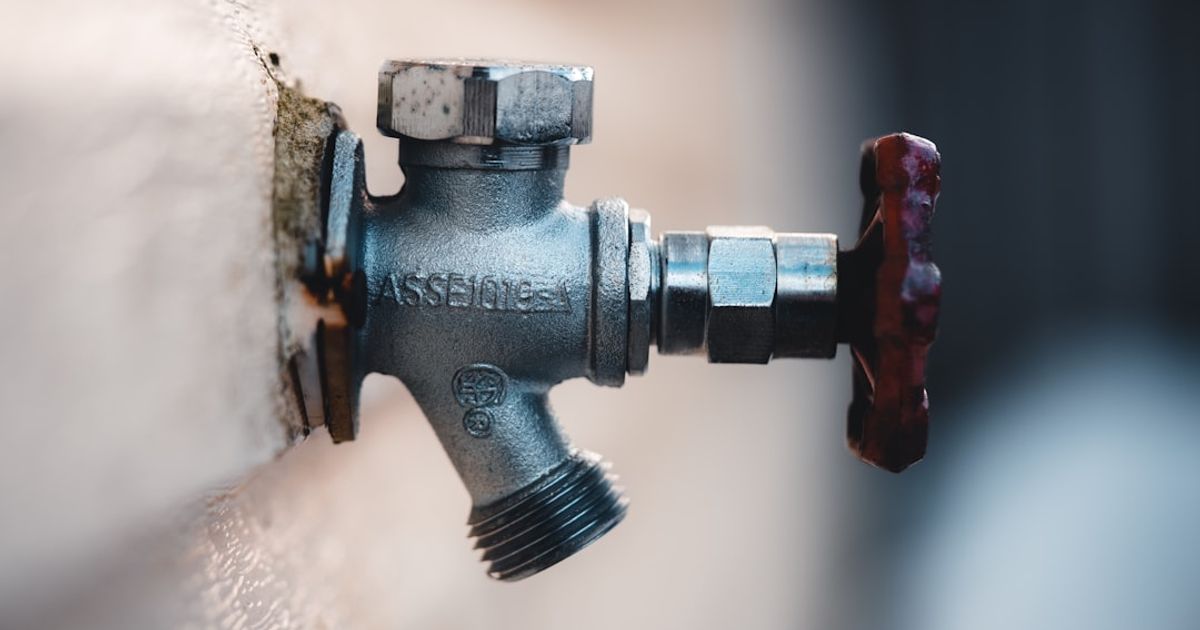
This is the single most critical emergency plumbing tip, and it's the one most homeowners neglect. Your main water shut-off valve controls all water flowing into your home. In a burst pipe scenario, knowing exactly where this valve is and how to operate it can mean the difference between a contained problem and thousands of dollars in water damage.
Why This Matters: Water damage costs an average of $7-$10 per square foot for restoration. A burst pipe can release 250 gallons of water per day. If you can shut off your main water within the first few minutes of discovering a burst pipe, you're preventing potentially catastrophic damage. Every minute counts in a plumbing emergency.
How to Implement It: Locate your main shut-off valve today—don't wait for an emergency. In most homes, it's located where the water line enters your house, typically in the basement, crawl space, garage, or utility room. In warm climates, it might be outside near the foundation. Once you find it, turn it fully clockwise to ensure it's functioning properly. Test it quarterly to make sure it moves freely and hasn't become stuck or corroded.
Label the valve clearly with bright tape so anyone in your household can find it quickly. Create a simple diagram showing its location and post it on your refrigerator or in a home emergency binder. If you can't locate your main shut-off, or if it's stuck and won't turn, call a professional plumber to have it serviced or relocated to a more accessible spot.
Common Mistakes to Avoid: Don't assume you know where it is without checking. Don't wait until a pipe bursts to learn how to operate it. Don't forget about it after finding it—familiarize yourself with the valve's operation regularly. Some homeowners make the mistake of only knowing about their main valve but not about individual shut-offs for specific fixtures, which we'll cover next.
Tip 2: Locate and Label All Individual Shut-Off Valves
While the main shut-off valve is essential for catastrophic situations, individual shut-off valves for specific fixtures give you precision control and prevent unnecessary water loss.
Why This Matters: If your toilet is overflowing, you don't need to shut off water to your entire house. If you have a leaking sink, you can isolate just that fixture. Individual shut-off valves let you address problems without disrupting water supply to the rest of your home. This is especially important if you have guests, elderly family members, or if you need to maintain water access for other essential uses.
How to Implement It: Every plumbing fixture in your home should have an individual shut-off valve: toilets, sinks, showers, washing machines, and water heaters. These valves are typically located under sinks, behind toilets, or near appliances. Turn each valve clockwise to shut it off, then counterclockwise to turn it back on. Test each valve quarterly to ensure it operates smoothly and doesn't leak.
Create a simple map of your home showing all shut-off locations. Take photos and store them on your phone. Label each valve with waterproof tape indicating what it controls. This seems simple, but when you're panicking about water spraying from under your sink at 2 AM, having clearly labeled valves is invaluable.
Common Mistakes to Avoid: Don't ignore valves that don't turn easily—this often indicates corrosion or mineral buildup. Have these serviced professionally before an emergency strikes. Don't assume a valve works just because it's there; test them regularly. Don't forget about the washing machine shut-off, which is frequently overlooked until a hose bursts and floods your laundry room.
Tip 3: Understand the Difference Between a Plumbing Leak and a Real Emergency
Not every plumbing issue requires an emergency call at midnight. Understanding the severity of your situation helps you respond appropriately and avoid unnecessary emergency service charges.
Why This Matters: Emergency plumbing calls typically cost 1.5 to 2 times the normal rate, with many companies charging $150-$300 just to answer the phone after hours. Weekend and holiday surcharges add another $50-$150. Learning to distinguish between true emergencies and issues that can wait until business hours saves you significant money while ensuring you get professional help when you genuinely need it.
How to Implement It: True emergencies include: burst pipes actively spraying water, sewage backing up into your home, no hot water in winter with temperatures dropping, gas line issues (shut off immediately and call from outside), or water heater leaking near the base indicating imminent failure. These situations require immediate professional attention.
Non-emergencies that can wait until morning include: a slow drip from a faucet, a running toilet that's not overflowing, minor water stains that aren't actively leaking, or slow drains that aren't completely blocked. A slow drip might waste water and money, but it's not causing immediate damage. A running toilet is annoying and wasteful, but it's not an emergency.
For situations in between, use common sense. If water is actively leaking and causing damage, it's an emergency. If it's a minor issue that's been happening for weeks, it can probably wait. When in doubt, call a professional during business hours for advice rather than paying emergency rates.
Common Mistakes to Avoid: Don't panic and call for emergency service for every drip. Don't ignore obvious problems hoping they'll go away—they won't, and they'll only get worse. Don't wait until a minor issue becomes catastrophic before calling for help. The sweet spot is addressing problems promptly during normal business hours.
Tip 4: Know How to Temporarily Stop a Burst Pipe
While you're waiting for a plumber to arrive, knowing how to temporarily contain the water from a burst pipe can prevent significant additional damage.
Why This Matters: A burst pipe can release 250+ gallons of water daily. In the 30-60 minutes you're waiting for an emergency plumber to arrive, that's potentially 125-250 gallons of water damaging your home. Temporary measures can contain this water and protect your property, flooring, walls, and belongings.
How to Implement It: First, shut off the main water valve immediately. Then, locate the burst section of pipe. If the pipe is still dripping or leaking, you can apply a temporary wrap using waterproof tape, plumber's epoxy putty, or a rubber patch kit (these are inexpensive and should be in every home's emergency kit). Wrap the damaged section tightly, overlapping the tape by half its width with each wrap. This won't provide a permanent fix, but it can slow or stop the leak temporarily.
For more severe breaks, you can use a pipe clamp or C-clamp with a rubber pad to compress the damaged section. Position the clamp directly over the break and tighten firmly. If you have a bucket or towels available, position them to catch any remaining water and direct it away from walls and electrical outlets.
Open a faucet at the lowest point in your home (usually a basement sink or outdoor faucet) to release remaining pressure in the pipes. This reduces stress on the damaged section and may slow the leak further.
Common Mistakes to Avoid: Don't attempt to braze or solder a pipe yourself unless you're experienced—this requires specific skills and tools. Don't leave the area unattended while water is still leaking; continue to monitor the situation and manage water flow. Don't assume a temporary fix is permanent; you'll need professional repair. Don't delay calling a plumber while trying to manage the leak yourself.
Tip 5: Prevent Frozen Pipes Before Winter Arrives
Frozen pipes are one of the most common winter emergencies, but they're almost entirely preventable with proper preparation.
Why This Matters: Frozen pipes can burst when water expands as it freezes, causing catastrophic damage. Frozen pipe repairs typically cost $200-$1,000 depending on severity and location. Prevention costs virtually nothing compared to repairs. In cold climates, frozen pipes are responsible for significant water damage claims every winter.
How to Implement It: Start preparation in fall before temperatures drop. Insulate exposed pipes in unheated areas like basements, crawl spaces, attics, and garages using pipe insulation sleeves or heat tape. Pay special attention to pipes near exterior walls and in corner areas where cold penetrates most easily.
Disconnect and drain outdoor hoses completely. Shut off exterior water valves and open outdoor faucets to allow remaining water to drain. If your home has exterior faucets without shut-off valves, have a plumber install them—this is a simple, inexpensive upgrade that prevents major problems.
In extreme cold, let water drip slightly from faucets in areas prone to freezing. Moving water is less likely to freeze than still water. Open cabinet doors under sinks to allow warmer air to reach pipes. Keep garage doors closed. Maintain your home's heating system to ensure consistent temperatures throughout.
For pipes in particularly vulnerable locations, consider installing heat tape that activates when temperatures drop below a certain threshold. This provides reliable protection without requiring you to remember to drip faucets.
Common Mistakes to Avoid: Don't wait until winter arrives to prepare. Don't forget about secondary water lines like those serving exterior faucets or sprinkler systems. Don't assume your heating system will keep all pipes warm; cold corners and exterior walls often stay below freezing even when the house is heated. Don't ignore signs of freezing like reduced water pressure or no water flow.
Tip 6: Maintain Your Water Heater Properly
Your water heater is one of the most important systems in your home, yet many homeowners neglect it until it fails completely.
Why This Matters: Water heater failures are the second most common emergency plumbing issue, accounting for about 25% of emergency calls. A failed water heater can leave your family without hot water during cold months, and a leaking water heater can cause significant water damage. Regular maintenance extends your water heater's lifespan from 8-10 years to potentially 12-15 years, saving thousands of dollars.
How to Implement It: Flush your water heater annually to remove sediment buildup that reduces efficiency and shortens lifespan. Turn off the power (for electric units) or gas (for gas units), turn off the cold water inlet valve, connect a garden hose to the drain valve at the bottom of the tank, and run water through until it runs clear. This 30-minute process removes mineral deposits that accumulate over time.
Inspect the temperature-pressure relief valve (TPR valve) annually. This safety device prevents dangerous pressure buildup. Lift the lever slightly to ensure water flows from the discharge pipe. If no water flows, the valve may be stuck and needs professional service.
Check the anode rod every few years. This replaceable rod sacrifices itself to prevent rust inside the tank. When it's significantly corroded, replace it to extend tank life. Monitor water temperature; it should be set to 120°F for safety and efficiency. Check for leaks around the base of the tank monthly.
Common Mistakes to Avoid: Don't ignore signs of failure like rusty water, strange noises, leaks, or no hot water. Don't attempt water heater replacement yourself; this requires proper venting, gas line work, and electrical connections that should be handled professionally. Don't set the temperature above 120°F; this increases energy costs and scalding risk. Don't skip annual maintenance, thinking you'll save money—you'll actually spend more in premature replacement.
Tip 7: Protect Your Drains from Preventable Clogs
Clogged drains are the most common plumbing emergency, accounting for about 35% of emergency calls. Most are entirely preventable.
Why This Matters: A simple clogged drain might cost $150-$250 to clear. A main line clog affecting your entire home can cost $1,000-$3,500. Prevention is far simpler and cheaper than dealing with clogs after they develop. Understanding what belongs in your drains and what doesn't prevents most problems.
How to Implement It: Never pour grease, oil, or fat down drains. These solidify as they cool, creating stubborn clogs. Instead, collect grease in a container and dispose of it in the trash. Use drain strainers in all sinks and showers to catch hair, food particles, and debris before they enter pipes. Empty these strainers regularly.
Never flush anything besides human waste and toilet paper. "Flushable" wipes, feminine hygiene products, paper towels, and other items cause severe clogs. Use a trash can for these items. In the kitchen, scrape plates into the trash before washing them. Run cold water while using the garbage disposal and for 30 seconds after, which helps flush waste through the pipes.
Use enzyme-based drain cleaners monthly to break down organic buildup naturally. These are gentler on pipes than harsh chemical cleaners. For stubborn slow drains, try a plunger first—this often works for minor clogs. If a plunger doesn't help, call a professional rather than using chemical drain cleaners, which can damage pipes and create hazardous fumes.
Common Mistakes to Avoid: Don't use chemical drain cleaners regularly; they damage pipes over time. Don't ignore slow drains, thinking they'll improve on their own. Don't use your garbage disposal as a trash can. Don't pour grease down drains under any circumstances. Don't assume that because something flushes, it belongs in the toilet.
Tip 8: Understand Your Home's Water Pressure
Abnormal water pressure can indicate serious problems and can damage your plumbing system over time.
Why This Matters: High water pressure stresses pipes, connections, and appliances, leading to premature failure and leaks. Low water pressure might indicate a serious problem like a main line leak or mineral buildup. Understanding normal water pressure for your home helps you identify problems early.
How to Implement It: Normal residential water pressure ranges from 40-80 PSI (pounds per square inch). Most homes operate at 50-60 PSI. If you notice unusually high pressure, you may need a pressure regulator installed. If pressure is consistently low, there may be a leak in your main line or mineral buildup in your pipes.
You can check your water pressure using an inexpensive pressure gauge (available at any hardware store for $10-$20). Attach it to an outdoor faucet and note the reading. Check it at different times of day; pressure often increases in early morning and evening when demand is high.
If pressure seems abnormally high, have a professional plumber install or adjust a pressure regulator. If pressure is low, investigate the cause. Check for obvious leaks first. If none are visible, you may have a hidden leak in your main line, which requires professional diagnosis.
Common Mistakes to Avoid: Don't ignore pressure changes; they indicate problems. Don't assume high pressure is normal just because you're used to it. Don't attempt to install or adjust a pressure regulator yourself; this requires professional knowledge. Don't ignore low pressure, hoping it will improve; it typically indicates a developing problem.
Tip 9: Know the Signs of a Sewer Line Problem
Sewer line issues are serious, expensive, and often misdiagnosed. Knowing the signs helps you get professional help quickly.
Why This Matters: Sewer line repairs cost $1,000-$3,500 on average, with some repairs exceeding $8,000. Early detection can sometimes prevent the most expensive repairs. Ignoring sewer problems leads to sewage backing up into your home, creating health hazards and causing massive damage.
How to Implement It: Common signs of sewer line problems include: multiple drains backing up simultaneously (not just one sink or toilet), sewage odors inside or outside your home, patches of unusually green grass in your yard, slow drains throughout the house that don't respond to plunging or drain cleaning, or gurgling sounds from drains and toilets.
If you notice these signs, call a professional plumber for diagnosis. They can use a camera to inspect your sewer line and identify the problem. Common causes include tree root intrusion, pipe deterioration, ground settling, or clogs in the main line.
While some sewer line problems require excavation and replacement (expensive), others can be addressed with trenchless technology like pipe bursting or CIPP (cured-in-place pipe) lining, which is less invasive and less costly.
Common Mistakes to Avoid: Don't ignore multiple drain backups; this almost always indicates a sewer line problem. Don't assume a plunger will fix a sewer backup; this requires professional diagnosis. Don't delay getting help; sewer issues worsen over time. Don't attempt DIY repairs for sewer line problems; this requires professional equipment and expertise.
Tip 10: Keep an Emergency Plumbing Kit Stocked and Accessible
Having the right tools and materials readily available lets you respond quickly to minor issues and manage situations while waiting for professional help.
Why This Matters: A well-stocked emergency kit costs $30-$50 but can save you hundreds of dollars by enabling quick fixes and preventing minor issues from becoming major problems. It also gives you peace of mind knowing you have the right tools when problems occur.
How to Implement It: Your emergency plumbing kit should include: a plunger (both cup and flange styles), an adjustable wrench, a pipe wrench, a flashlight with extra batteries, towels and rags, a bucket, waterproof tape, plumber's epoxy putty, a pipe clamp or C-clamp with rubber pads, a rubber patch kit, a basic set of screwdrivers, a hacksaw or reciprocating saw blade, a drain snake or plumbing auger, a pressure gauge, a flashlight, and a notebook for taking notes.
Store this kit in an easily accessible location that everyone in your household knows about. Include printed instructions for common problems like stopping a leak, unclogging a drain, or shutting off water. Keep your plumber's contact information and the location of your main shut-off valve documented in this kit.
Update your kit periodically. Replace batteries, check that tools are in good condition, and refresh supplies like tape and putty that may dry out or expire.
Common Mistakes to Avoid: Don't store your kit in a hard-to-reach location. Don't include only specialized tools; include basic tools like wrenches and plungers that handle most common issues. Don't forget to include a flashlight; many plumbing emergencies happen in basements or dark areas. Don't store your kit far from your water shut-off valve; you need quick access to both.
Pro Secrets Most Homeowners Don't Know
After two decades of emergency plumbing work, I've learned that homeowners often miss obvious solutions and waste money on unnecessary repairs. Here are secrets that professionals use regularly but rarely share with customers.
The Garbage Disposal Myth: Many homeowners believe garbage disposals can handle anything. In reality, they're designed only for small food particles. Avoid putting bones, fruit pits, fibrous vegetables, grease, or large quantities of food down the disposal. Run it with cold water only (hot water makes grease flow more easily and cause clogs later). Most garbage disposal problems are entirely preventable with proper use.
The Chemical Drain Cleaner Trap: Harsh chemical drain cleaners damage pipes over time, especially older cast iron or PVC pipes. They create toxic fumes, can cause burns if splashed, and often don't solve the underlying problem. Enzyme-based cleaners work more slowly but safely and effectively. For stubborn clogs, a plunger or drain snake works better than chemicals.
Water Heater Temperature Settings: Most people set their water heater to 140°F or higher, but 120°F is sufficient for most homes and saves energy costs significantly. Higher temperatures increase scalding risk, especially for children and elderly family members. You're paying extra for water you don't need heated to dangerous temperatures.
The Hidden Leak Problem: Many homes have slow leaks that go undetected for months or years, wasting thousands of gallons of water and increasing utility bills. Check your water meter before and after a two-hour period when no water is being used. If the meter changes, you have a leak. Small leaks often cost less to fix than the water they waste.
Seasonal Shut-Off Wisdom: If you have a vacation home or seasonal property, shut off the main water valve before leaving for extended periods. This prevents burst pipes or leaks from damaging your home while you're away. Also shut off and drain outdoor faucets in fall to prevent freezing damage.
The Plumber's Wrench Technique: When dealing with stuck shut-off valves, many homeowners force them and cause damage. Instead, apply a penetrating oil like WD-40, wait 15 minutes, then gently work the valve back and forth in small movements. This loosens corrosion without forcing the valve and causing breakage.
Water Quality Impact: Hard water (high mineral content) causes buildup in pipes, reduces efficiency, and shortens appliance lifespan. If you have hard water, a water softener pays for itself through extended appliance life and reduced energy costs. Even without a full softener, installing a filter on your main line improves water quality and protects your plumbing.
Seasonal Considerations for Plumbing Emergencies
Plumbing problems vary significantly by season, and understanding seasonal risks helps you prepare appropriately and prevent problems before they occur.
Winter Challenges (November-February): Frozen pipes are the dominant winter concern, particularly in January and February when temperatures are coldest. Prepare in fall by insulating exposed pipes, disconnecting outdoor hoses, and shutting off exterior water supplies. Keep your home heated to at least 55°F even when away for extended periods. Water heaters work overtime in winter, so have them serviced in fall before peak demand season.
Spring Concerns (March-May): Spring thaw causes water table rises and foundation saturation, leading to sump pump failures and basement leaks. Test your sump pump before spring arrives. Spring also brings heavy rains that stress drainage systems and can cause backups. Have your main sewer line inspected if you're experiencing slow drains or backups.
Summer Issues (June-August): Summer heat stresses water heaters as people use more hot water for showers and laundry. Outdoor water use increases, stressing main water lines and potentially revealing hidden leaks. Sprinkler systems fail frequently in summer. Air conditioning condensate lines clog, causing water damage inside homes. Have your AC system checked before summer heat arrives.
Fall Preparation (September-October): Fall is the ideal time for preventive maintenance before winter arrives. Have your water heater serviced, pipes inspected, and any repairs completed. Disconnect outdoor hoses, shut off exterior water supplies, and insulate pipes. Clear gutters and downspouts to prevent water damage. Test all shut-off valves to ensure they operate smoothly before winter.
When Expert Help Is Needed
While understanding plumbing basics is valuable, knowing when to call a professional prevents costly mistakes and safety hazards.
When to Definitely Call a Professional: Gas line work of any kind—never attempt this yourself. Water heater installation or replacement requires proper venting, gas connections, and electrical work. Main sewer line repairs or replacements need specialized equipment and expertise. Burst pipes in walls or under slabs require professional diagnosis and repair. Water coming from electrical outlets or near electrical panels (electrocution hazard). Any situation involving sewage backup (health hazard). Extensive water damage (requires professional assessment and proper restoration).
Signs You Need Professional Help: Multiple drains backing up simultaneously indicates a main line problem. Water pooling in your yard or patches of unusually green grass suggest main line leaks. Persistent low water pressure despite shut-off valve operation indicates a hidden leak or main line problem. Strange noises from pipes (water hammer, banging, hissing) suggest pressure issues or loose pipes. Discolored water (brown, red, or cloudy) indicates rust or mineral problems. Persistent foul odors suggest sewer line issues.
Finding Reliable Professional Help: When you need an emergency plumber, call at least two or three companies to compare availability and pricing. Ask about licensing, insurance, and guarantees on work. Request an estimate before authorizing repairs. Check online reviews on Google, Yelp, and the BBB. Ask friends and family for recommendations. Licensed plumbers have completed 4-7 years of training and apprenticeship. Verify licensing in your state before hiring. Reputable companies carry at least $1 million in liability insurance.
FAQ: Essential Emergency Plumbing Questions
What is the most important plumbing tip every homeowner should know?
The single most important tip is knowing where your main water shut-off valve is located and how to operate it. In any serious plumbing emergency, your first action should be shutting off the main water. This prevents further water damage while you wait for professional help. Every household member should know this location and be able to operate the valve. Test it quarterly to ensure it functions properly. This one piece of knowledge can save you thousands of dollars in water damage costs.
How can I prevent the most common plumbing emergencies?
The most common emergencies are clogged drains, water heater failures, and pipe leaks. Prevent clogs by using drain strainers, never pouring grease down drains, and not flushing anything besides toilet paper. Prevent water heater failures by flushing it annually and having it serviced regularly. Prevent pipe leaks by maintaining proper water pressure (40-80 PSI), insulating exposed pipes, and addressing small leaks immediately before they become major problems. These preventive measures cost virtually nothing compared to emergency repairs.
What do professional plumbers recommend for emergency preparedness?
Professionals recommend: knowing your main and individual shut-off valve locations, maintaining an emergency plumbing kit, having your water heater serviced annually, insulating exposed pipes before winter, checking water pressure regularly, and addressing small problems promptly before they become emergencies. Keep your plumber's contact information readily available. Know the signs of serious problems like sewer line issues or burst pipes. Take photos of your shut-off valve locations and store them on your phone.
Is it true that I should never use chemical drain cleaners?
Chemical drain cleaners damage pipes over time, especially older pipes. They create toxic fumes, can cause chemical burns, and often don't solve the underlying problem. They're particularly damaging to cast iron and PVC pipes. Instead, use enzyme-based cleaners that work safely and effectively. For stubborn clogs, a plunger or drain snake is more effective and safer. If these don't work, call a professional plumber who can use proper equipment without damaging your pipes.
How often should I have my plumbing system inspected?
Have a professional inspection annually, ideally in fall before winter arrives. Homes older than 20 years should be inspected every 6-12 months as pipes deteriorate with age. After major water damage events, have the entire system inspected. If you notice signs of problems like slow drains, low pressure, or leaks, get an inspection immediately rather than waiting. Early detection prevents expensive emergency repairs.
What should I do if I discover a water leak but can't locate the source?
First, check your water meter before and after a two-hour period when no water is being used. If the meter reading changes, you definitely have a leak. Listen for dripping sounds in walls, basements, or crawl spaces. Check for water stains on ceilings or walls. Look for patches of unusually green grass in your yard. If you can't locate the leak visually, call a professional plumber who can use specialized equipment to detect hidden leaks. Ignoring leaks wastes water and increases utility bills significantly.
Is it safe to attempt plumbing repairs myself?
Simple repairs like replacing a faucet washer, unclogging a drain with a plunger, or replacing a toilet fill valve are safe for homeowners. However, never attempt gas line work, water heater installation, main sewer line repairs, or anything involving sewage. Be cautious with repairs that might affect your home's structure or safety. When in doubt, call a professional. A mistake on a complex repair can cost far more than professional service would have. Always turn off water before attempting any repair.
Conclusion
Emergency plumbing situations are stressful and potentially expensive, but homeowners armed with proper knowledge can prevent most emergencies and handle those that do occur far more effectively. The ten essential emergency plumbing tips covered in this guide—from knowing your shut-off valve location to understanding seasonal risks—form the foundation of plumbing preparedness.
The most important takeaway is that prevention is far simpler and cheaper than dealing with emergencies after they occur. Spending a few hours learning your home's plumbing system, maintaining key components like your water heater, and keeping an emergency kit stocked costs almost nothing compared to the thousands of dollars you'll save by preventing major problems.
Remember that while understanding these tips makes you a more informed homeowner, knowing when to call a licensed professional is equally important. Complex repairs, gas line work, water heater installation, and sewer line issues require professional expertise and specialized equipment. The goal isn't to become a plumber yourself, but to understand your home's plumbing system well enough to prevent problems, respond quickly when emergencies occur, and know when professional help is needed.
Start implementing these tips today. Locate your main shut-off valve, test your individual fixture shut-offs, and assemble an emergency kit. Schedule annual water heater maintenance and prepare your pipes for the coming season. These actions take minimal time and effort but provide tremendous protection for your home and peace of mind knowing you're prepared for whatever plumbing challenges arise. When emergencies do occur—and in homeownership, they inevitably will—you'll be ready to respond effectively, minimize damage, and find trusted emergency plumbers quickly to restore your home to normal.

Frequently Asked Questions
Q:What is the most important plumbing tip every homeowner should know?
A: The single most important tip is knowing where your main water shut-off valve is located and how to operate it. In any serious plumbing emergency, your first action should be shutting off the main water supply. This prevents further water damage while you wait for professional help. Every household member should know this location and be able to operate the valve. Test it quarterly to ensure it functions properly. This one piece of knowledge can save you thousands of dollars in water damage costs. The average water damage restoration costs $7-$10 per square foot, so preventing water flow immediately in an emergency is invaluable.
Q:How can I prevent the most common plumbing emergencies?
A: The most common emergencies are clogged drains (35% of emergency calls), water heater failures (25%), and pipe leaks (20%). Prevent clogs by using drain strainers in all sinks and showers, never pouring grease down drains, and not flushing anything besides toilet paper. Prevent water heater failures by flushing it annually and having it serviced regularly. Prevent pipe leaks by maintaining proper water pressure (40-80 PSI), insulating exposed pipes before winter, and addressing small leaks immediately before they become major problems. These preventive measures cost virtually nothing compared to emergency repairs that can exceed $1,000.
Q:What do professional plumbers recommend for emergency preparedness?
A: Professionals recommend several key preparations: knowing your main and individual shut-off valve locations, maintaining an emergency plumbing kit with basic tools and supplies, having your water heater serviced annually, insulating exposed pipes before winter, checking water pressure regularly, and addressing small problems promptly. Keep your plumber's contact information readily available. Know the signs of serious problems like sewer line issues, burst pipes, or water heater leaks. Take photos of your shut-off valve locations and store them on your phone. Create a simple diagram showing shut-off locations and post it on your refrigerator.
Q:Is it true that I should never use chemical drain cleaners?
A: Chemical drain cleaners should be avoided because they damage pipes over time, especially older cast iron or PVC pipes. They create toxic fumes, can cause chemical burns if splashed on skin, and often don't solve the underlying problem. Instead, use enzyme-based cleaners that work safely and effectively by breaking down organic buildup naturally. For stubborn clogs, a plunger or drain snake is more effective and safer. If these don't work, call a professional plumber who can use proper equipment like a motorized auger without damaging your pipes. Professional drain cleaning typically costs $150-$250, which is reasonable compared to pipe damage from chemicals.
Q:How often should I have my plumbing system inspected?
A: Have a professional inspection annually, ideally in fall before winter arrives when frozen pipe problems are most likely. Homes older than 20 years should be inspected every 6-12 months as pipes deteriorate with age. After major water damage events, have the entire system inspected by a professional. If you notice signs of problems like slow drains, low water pressure, leaks, or discolored water, get an inspection immediately rather than waiting for your annual appointment. Early detection of problems like hidden leaks or mineral buildup prevents expensive emergency repairs and extends the life of your plumbing system.
Q:What should I do if I discover a water leak but can't locate the source?
A: First, check your water meter before and after a two-hour period when no water is being used. If the meter reading changes, you definitely have a leak somewhere in your system. Listen carefully for dripping sounds in walls, basements, or crawl spaces. Check for water stains on ceilings or walls that might indicate leaks above. Look for patches of unusually green grass in your yard, which suggests underground leaks. If you can't locate the leak visually, call a professional plumber who can use specialized leak detection equipment to find hidden leaks. Ignoring leaks wastes significant amounts of water and increases utility bills substantially over time.
Q:Is it safe to attempt plumbing repairs myself?
A: Some simple repairs are safe for homeowners with basic tools, including replacing a faucet washer, unclogging a drain with a plunger, replacing a toilet fill valve, or tightening loose connections. However, never attempt gas line work, water heater installation, main sewer line repairs, or anything involving sewage exposure. Be cautious with repairs affecting your home's structure or safety. Always turn off water before attempting any repair. When in doubt, call a professional plumber. A mistake on a complex repair can cost far more than professional service would have. Emergency service rates are typically 1.5-2 times normal rates, so getting it right the first time matters.