
10 Essential Emergency Plumbing Tips Every Homeowner Needs

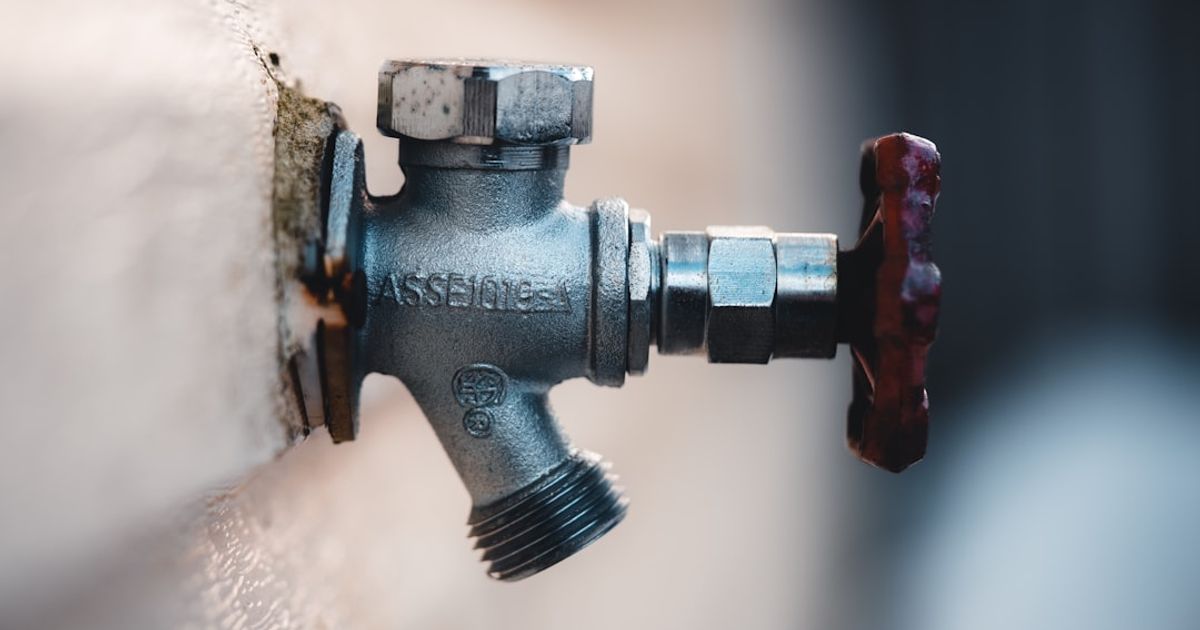
Introduction: Why Plumbing Tips Matter for Every Homeowner
Plumbing emergencies don't wait for business hours. Whether it's 2 AM on a Sunday or during a holiday weekend, a burst pipe, overflowing toilet, or clogged main line can wreak havoc on your home and wallet. The average homeowner spends between $150 to $300 just on an emergency plumber's call-out fee, and that's before any actual repairs begin. Water damage from a single burst pipe can cost $7 to $10 per square foot to restore—potentially reaching $10,000 or more for significant damage.
But here's the good news: most plumbing emergencies are preventable with proper knowledge and maintenance. After 20 years of professional plumbing experience, I've seen countless emergencies that could have been avoided with basic preventive care and understanding of how your home's plumbing system works. This comprehensive guide shares the insider knowledge that emergency plumbers wish every homeowner knew.
Whether you're a new homeowner, a seasoned property owner, or someone who just experienced a plumbing nightmare, these expert-backed tips will help you protect your home, understand when to call a professional, and make informed decisions about your plumbing system. You'll learn not just what to do, but why it matters and how to implement these strategies effectively in your own home.
Tip #1: Know the Location of Your Main Water Shut-Off Valve
This is the single most important tip every homeowner must know. Your main water shut-off valve is your emergency lifeline when disaster strikes. In a true plumbing emergency—a burst pipe, major leak, or flooding—you need to be able to stop the water flow within seconds, not minutes.
Why This Matters: When water is actively flowing from a burst pipe or major leak, every second counts. The difference between shutting off water immediately versus waiting for an emergency plumber can mean the difference between $500 in damage and $5,000. Water damage accelerates quickly, damaging drywall, flooring, insulation, and creating conditions for mold growth within 24-48 hours.
How to Implement It: Start by locating your main shut-off valve. In most homes, it's located near the water meter, typically in a basement, crawl space, or utility room. Some homes have the valve outside in a meter box. Once you find it, test it by turning the valve clockwise (righty-tighty) until water stops flowing from your taps. Turn it back on immediately. This test accomplishes two critical things: you confirm the valve works, and you ensure it won't be stuck or corroded if you need it in an emergency.
Create a simple labeled diagram showing the location and take photos from multiple angles. Share this information with all household members and anyone who might need it. Some homeowners even paint the valve a bright color or install a clear plastic cover so it's immediately recognizable in an emergency.
Common Mistakes to Avoid: Don't assume you know where the valve is without checking. Don't wait until an emergency to locate it—by then, you're panicking and wasting precious time. Never force a valve that won't turn; if it's stuck, call a plumber before you need it for an emergency. Some homeowners confuse the main shut-off with individual fixture shut-offs (like under the sink), which only affect that one fixture, not the entire house.
Tip #2: Install Water Shut-Off Valves Under Every Sink and Toilet
While knowing your main shut-off valve is essential, having individual shut-off valves at each fixture gives you much more control and prevents unnecessary water waste during repairs.
Why This Matters: When a toilet runs constantly or a sink leaks, you don't need to shut off water to your entire house. Individual shut-off valves (also called stop valves or angle stops) let you isolate the problem to just that fixture. This means you can still use bathrooms and kitchen water while waiting for a plumber to fix a leaking toilet in another bathroom. It's a simple convenience that makes a huge difference in daily life during a plumbing issue.
How to Implement It: Check under every sink and behind every toilet. You should see a small valve (usually oval or round) on the water supply line. Turn it clockwise to test it—water should stop flowing to that fixture. If a valve is missing, corroded, or won't turn, this is an excellent time to have a plumber install new ones. This is inexpensive preventive work (typically $75-$150 per valve installed) that saves you thousands if a problem develops.
Label each valve clearly with waterproof tape indicating which fixture it controls. Create a simple diagram showing all valve locations. Test each valve twice yearly to ensure they work smoothly and won't be stuck if needed.
Common Mistakes to Avoid: Don't ignore valves that won't turn—they're likely corroded and will fail when you need them most. Don't assume old valves work; many homes have valves that have never been tested. Don't install shut-off valves and then forget about them; regular testing is crucial.
Tip #3: Never Ignore Slow Drains—Address Them Immediately
Slow drains are your home's early warning system. They indicate buildup that will eventually become a complete clog, and catching the problem early prevents expensive emergencies.
Why This Matters: A slow drain might seem like a minor inconvenience, but it's a red flag for accumulating debris, hair, soap buildup, or grease. As the blockage grows, water backs up further, eventually affecting multiple drains or even your entire plumbing system. Main line clogs (which affect the entire house) often start as slow drains that homeowners ignored. A main line clog costs $1,000-$3,500 to repair, while catching a drain problem early costs $150-$250.
How to Implement It: At the first sign of slow drainage, take action. Start with simple solutions: remove visible debris from drain covers, use a plunger, or try a drain snake for surface-level blockages. For kitchen sinks, avoid pouring grease down the drain—let it cool and solidify in a container, then dispose of it in the trash. In bathrooms, install drain covers to catch hair before it enters pipes.
If simple methods don't work, call a plumber for professional drain cleaning. Professional hydro-jetting ($200-$400) clears buildup completely and is far cheaper than dealing with a backed-up main line later. For recurring slow drains, professionals can identify the underlying cause—whether it's tree roots, collapsed pipes, or structural issues.
Common Mistakes to Avoid: Don't use chemical drain cleaners as a first resort. These caustic products damage pipes, harm the environment, and often don't solve the underlying problem. Don't ignore slow drains thinking they'll fix themselves—they won't. Don't assume all drains are connected; some might have individual issues while others are fine. Don't pour grease, coffee grounds, or fibrous materials down drains.
Tip #4: Understand What Can and Cannot Go Down Your Drains
Many plumbing problems stem from putting the wrong things down drains. Understanding your plumbing system's limitations prevents clogs and extends pipe life.
Why This Matters: Modern plumbing systems are designed to handle human waste and water—that's it. Everything else is an intruder. When non-flushable items accumulate in pipes, they create blockages that damage your plumbing and cost thousands to repair. Additionally, items that damage municipal sewer systems result in increased water treatment costs that get passed to all residents.
How to Implement It: Create a simple household rule: only human waste and toilet paper go in toilets. Everything else goes in the trash. For kitchen sinks, never pour grease, oil, or fat down the drain. Collect these in a container and dispose of them in the trash once cooled. Strain food particles from dishes before washing. Don't use garbage disposals for fibrous materials like celery, corn husks, or banana peels.
In bathrooms, educate family members that feminine hygiene products, wipes (even "flushable" ones), dental floss, hair, and medications should never go down toilets. Keep a small trash can in every bathroom to make proper disposal easy. For laundry rooms, clean lint traps before every load and consider installing a lint trap on the washing machine drain line.
Common Mistakes to Avoid: Don't believe "flushable" wipe packaging—these products don't break down like toilet paper and cause massive clogs in municipal systems and home plumbing. Don't assume your garbage disposal can handle anything; it's designed for small food particles only. Don't pour cooking oil down drains even if you run hot water—it solidifies as it cools and creates blockages. Don't flush medications, which contaminate water supplies and harm aquatic life.
Tip #5: Perform Regular Water Heater Maintenance
Your water heater is one of the most important and expensive appliances in your home. Regular maintenance extends its life by 5-10 years and prevents emergency failures.
Why This Matters: Water heaters typically last 8-12 years with proper maintenance or 5-7 years without it. A water heater failure means no hot water for showers, laundry, and dishes—a significant quality-of-life issue. Emergency water heater replacement costs $1,500-$3,000, while planned replacement when you're ready costs the same but gives you time to research options and budget accordingly. Additionally, a failing water heater can leak and cause water damage to surrounding areas.
How to Implement It: Perform these maintenance tasks annually:
- Flush the tank: Sediment accumulates at the bottom of water heater tanks, reducing efficiency and creating corrosion. Drain several gallons from the drain valve at the bottom of the tank. If water comes out brown or cloudy, continue draining until it runs clear. This takes 15-30 minutes and costs nothing.
- Check the temperature: Set your water heater to 120°F (49°C). Higher temperatures waste energy and increase scalding risk; lower temperatures may not be hot enough for cleaning and can allow harmful bacteria growth.
- Inspect for leaks: Check around the base and all connections for water drips or puddles. Small leaks often precede major failures.
- Test the pressure relief valve: This safety device prevents dangerous pressure buildup. Lift the lever slightly to release a small amount of water and pressure. It should snap back into place. If it doesn't, or if water continues leaking, call a plumber.
- Professional inspection: Have a plumber inspect your water heater annually, especially after age 7. They can identify problems before they become emergencies.
Common Mistakes to Avoid: Don't ignore a water heater that's over 10 years old; plan replacement before failure. Don't set temperatures extremely high thinking you'll get more hot water; you'll just waste energy and increase scalding risk. Don't ignore strange noises (rumbling, popping) or discolored water—these indicate sediment buildup and failing heating elements. Don't delay repairs if you notice leaks; small leaks become big problems quickly.
Tip #6: Winterize Your Plumbing System in Cold Climates
Frozen pipes are the #1 plumbing emergency in northern climates during winter months. A burst frozen pipe can cause $5,000-$10,000+ in damage, but prevention is simple and inexpensive.
Why This Matters: When water freezes inside pipes, it expands and creates pressure that splits the pipe. The damage often isn't discovered until the ice thaws and water floods your home. Frozen pipes typically occur in uninsulated areas: exterior walls, attics, crawl spaces, and garages. Prevention is far easier than dealing with the consequences.
How to Implement It: Before winter arrives (late October or early November in northern regions), take these steps:
- Insulate exposed pipes: Wrap pipes in unheated areas with foam pipe insulation (inexpensive at any hardware store). Pay special attention to pipes near exterior walls and in attics.
- Seal air leaks: Caulk cracks around pipes where they enter your home. Even small gaps allow cold air to reach pipes.
- Disconnect outdoor hoses: Drain garden hoses completely and store them. Leave outdoor faucets slightly open to allow expansion if water does freeze inside.
- Shut off outdoor water: Close the indoor shut-off valve for outdoor faucets and open the faucet to drain remaining water.
- Maintain heat: Keep your home heated to at least 55°F (13°C) even when away. Unheated vacation homes are particularly vulnerable.
- Let water drip: On extremely cold nights, let a small stream of water drip from faucets in at-risk areas. Moving water doesn't freeze as easily as still water.
If you suspect frozen pipes, call an emergency plumber immediately. Don't try to thaw pipes with a blowtorch or open flame—this is a fire hazard. Professionals use safe heat tape or other methods.
Common Mistakes to Avoid: Don't wait until winter to winterize; frozen pipes can occur as early as October in northern regions. Don't assume your home is protected if you haven't specifically winterized. Don't leave vacation homes unheated during winter. Don't use dangerous heating methods on frozen pipes.
Tip #7: Know the Signs of a Slab Leak and Act Quickly
Slab leaks are among the most serious plumbing problems because they occur in pipes running under your home's foundation. Early detection prevents catastrophic damage.
Why This Matters: Slab leaks involve water constantly flowing under your home's concrete foundation. This water damages the foundation itself, creating cracks, settling, and structural problems that cost $10,000-$50,000+ to repair. Additionally, water under the slab creates ideal conditions for mold growth. Early detection and repair (typically $1,500-$3,500) prevents foundation damage.
How to Implement It: Watch for these warning signs:
- Unexplained increase in water bill: If your water usage hasn't changed but your bill has increased 25-50%, you likely have a leak.
- Warm spots on floors: Feel your floors, especially in winter. Warm spots indicate hot water leaking from your hot water line.
- Sound of running water: Hear water running when no fixtures are on? This indicates an active leak.
- Foundation cracks: New cracks in your foundation, especially horizontal cracks, can indicate slab movement from water damage.
- Soft or wet spots in yard: Areas of your lawn that are unusually wet or soft might indicate where water is surfacing.
If you notice any of these signs, call a plumber immediately for leak detection. Professional leak detection equipment can pinpoint the exact location of slab leaks. Early repair prevents foundation damage.
Common Mistakes to Avoid: Don't ignore signs of slab leaks hoping they'll resolve themselves. Don't delay calling a professional—every day a slab leak continues, it damages your foundation more. Don't attempt DIY repairs; slab leaks require professional equipment and expertise.
Tip #8: Maintain Proper Grading Around Your Home
Your home's grading—the slope of the ground around your foundation—significantly impacts plumbing and foundation health. Poor grading directs water toward your home instead of away from it.
Why This Matters: Water is your foundation's enemy. When grading slopes toward your home, water pools against the foundation, seeping into basements and crawl spaces. This moisture creates ideal conditions for mold, damages foundations, and can activate sump pumps constantly (leading to sump pump failure). Proper grading directs water away, protecting your entire home.
How to Implement It: Walk around your home's perimeter and observe how water flows during rain. Ideally, ground should slope away from your foundation at a rate of at least 1 inch per foot for the first 6 feet. If you see water pooling near your foundation, you have a grading problem.
To fix poor grading, add soil or mulch to raise the ground level near your foundation, sloping it away. This is inexpensive (often DIY-able) but makes a huge difference. Ensure gutters and downspouts direct water at least 4-6 feet away from your foundation. Clogged gutters are a major cause of water problems because water overflows and pools around the foundation.
Common Mistakes to Avoid: Don't create grading that slopes toward your home. Don't ignore water pooling near your foundation during rain. Don't direct downspout water directly against your foundation. Don't plant trees or shrubs too close to your foundation; root systems can damage pipes and foundations.
Tip #9: Install and Maintain a Sump Pump If You Have a Basement or Crawl Space
In areas with high water tables or during heavy rain seasons, a sump pump is essential protection against flooding and water damage.
Why This Matters: Basements and crawl spaces are naturally prone to water accumulation. Without a sump pump, water can flood these spaces, damaging stored items, HVAC systems, electrical systems, and creating mold. A flooded basement can cost $10,000-$30,000+ to remediate. A sump pump ($300-$800 installed) prevents this disaster.
How to Implement It: If you don't have a sump pump and live in an area prone to water accumulation, install one. Have a professional assess whether your home needs one based on your water table and local conditions. If you already have a sump pump:
- Test it monthly: Pour water into the sump pit. The pump should activate, remove water, and shut off automatically.
- Clean the intake screen: Remove debris that could clog the pump.
- Check the discharge line: Ensure water is directed away from your foundation, not back toward it.
- Install a battery backup: Power failures often occur during heavy rain when you need the pump most. A battery backup ensures operation even without electricity.
- Replace pumps every 7-10 years: Like water heaters, sump pumps wear out and should be replaced proactively.
Common Mistakes to Avoid: Don't assume your sump pump works without testing it. Don't ignore a pump that runs constantly; this indicates a serious water problem requiring professional assessment. Don't discharge sump pump water directly against your foundation. Don't skip battery backup installation.
Tip #10: Build a Relationship with a Trusted Emergency Plumber Before You Need One
The worst time to search for a plumber is when you have an emergency at midnight on a holiday. Proactive relationship-building ensures you have reliable help when you need it most.
Why This Matters: In an emergency, you need a plumber quickly—not the cheapest option or whoever answers the phone first. A plumber you've worked with previously knows your home, understands your situation, and has earned your trust. They're more likely to prioritize your emergency and provide fair pricing. Additionally, regular maintenance appointments with a trusted plumber help prevent emergencies entirely.
How to Implement It: Start by asking neighbors and friends for recommendations. Check online reviews on Google, Yelp, Angi, and the Better Business Bureau. Look for plumbers with:
- Proper licensing: Verify they're licensed in your state. Licensing requirements vary by state but indicate professional standards.
- Insurance: They should carry liability insurance ($1 million+ is standard) protecting you if damage occurs.
- Transparent pricing: They should provide written estimates before starting work and explain what they're charging for.
- Availability: Ask about their emergency response times and availability for weekend/holiday calls.
- References: Ask for references from recent customers.
Once you've identified a good plumber, schedule a non-emergency maintenance visit. This might be a water heater inspection or annual plumbing checkup. This visit accomplishes several things: they assess your home's plumbing condition, you evaluate their professionalism, and they have your information for future emergencies.
Common Mistakes to Avoid: Don't wait until an emergency to search for a plumber. Don't choose based solely on price; the cheapest option often provides poor quality. Don't work with unlicensed plumbers; they may not carry insurance, and their work might not meet code requirements. Don't ignore red flags like high-pressure sales tactics or refusal to provide written estimates.
Pro Secrets Most Homeowners Don't Know
After two decades of professional plumbing work, I've learned insider knowledge that separates informed homeowners from those who repeatedly face expensive emergencies.
The Real Cost of Emergencies: Emergency plumbing rates are typically 1.5 to 2 times normal rates. A repair that costs $300 during business hours might cost $450-$600 at 2 AM on a Sunday. Additionally, emergency plumbers often have limited availability during peak times (winter months, holidays), meaning you might wait longer or pay premium rates for faster service. This is why prevention is so valuable—it's not just about fixing problems, it's about avoiding the emergency premium.
Plumbers Can Often Identify Problems During Routine Visits: When a plumber comes to your home for any reason, they notice things you might miss. A slow drain in one bathroom might indicate a larger main line problem. Corrosion on water heater connections might signal impending failure. A plumber's trained eye spots these issues early, allowing proactive repairs instead of emergency fixes. This is why building a relationship with a trusted plumber and scheduling routine maintenance is so valuable.
Water Damage Happens Faster Than You Think: Most homeowners underestimate how quickly water damage escalates. A small leak might seem minor, but within 24-48 hours, mold begins growing in wet materials. Within a week, structural damage becomes significant. This is why "wait and see" approaches to plumbing problems are so dangerous. A $200 repair today prevents $5,000 in water damage restoration next month.
Preventive Maintenance Pays for Itself: The cost of annual plumbing maintenance (typically $150-$300 for inspection and minor work) is recovered many times over by preventing emergency repairs. A homeowner who spends $250 annually on maintenance might avoid a $2,500 emergency repair. Over 10 years, that's a $22,500 savings.
Your Plumbing System Has a Language: Gurgling sounds, slow drains, and water discoloration all communicate problems. Learning to recognize these signs and acting on them prevents emergencies. A gurgling toilet might seem odd, but it often indicates a main line blockage developing. Catching it early costs $250; ignoring it costs $3,500 when the main line backs up.
Seasonal Considerations for Plumbing Maintenance
Plumbing problems vary by season, and smart homeowners adjust their maintenance accordingly.
Winter (November-February): This is peak season for frozen pipes, water heater failures, and burst pipes. Your water heater works overtime to provide hot water, increasing failure risk. Frozen pipe emergencies spike, especially in January and February. Schedule water heater inspections before winter arrives. Winterize your plumbing system in October. Check that your heating system works properly—home heating prevents frozen pipes. If you have a vacation home, ensure it's heated or have someone check it regularly during winter.
Spring (March-May): Spring thaw causes sump pump failures (they're working overtime removing water from snowmelt), sewer backups from root intrusion, and foundation leaks as ground settles. Test your sump pump in early spring. Have your sewer line inspected if you've noticed slow drains or backups. Check basement and crawl space for water intrusion.
Summer (June-August): Summer brings garbage disposal failures (more cooking), AC condensate line clogs, and sprinkler system issues. Run your garbage disposal regularly with cold water to keep it clear. Ensure AC condensate lines drain properly (they shouldn't drip inside your home). Have sprinkler systems inspected before heavy use.
Fall (September-October): Fall is ideal for preventive maintenance before winter arrives. Schedule water heater inspections and maintenance. Winterize your plumbing system. Have gutters cleaned so they don't overflow and direct water toward your foundation. Inspect outdoor faucets and shut-off valves.
When Expert Help is Needed: Knowing Your Limits
While many plumbing tasks are DIY-friendly, some situations absolutely require professional help. Knowing your limits prevents dangerous mistakes and code violations.
Never Attempt DIY for These Issues:
Gas Line Work: Gas leaks are life-threatening. Only licensed professionals should work on gas lines. If you smell gas, leave your home immediately and call your gas company.
Main Sewer Line Work: Main line problems require specialized equipment and expertise. Improper repairs can damage your foundation or create environmental hazards.
Water Heater Installation: Water heater installation involves gas or electrical connections, venting, and complex plumbing. Improper installation creates safety hazards and voids manufacturer warranties.
Extensive Pipe Replacement: Replacing significant portions of your plumbing system requires knowledge of local codes, proper materials, and specialized techniques.
Slab Leaks: These require professional leak detection equipment and specialized repair techniques.
Signs You Need a Professional:
- Multiple drains are slow or backed up (indicates main line problem)
- Water is discolored or has an odor (indicates contamination or main line issues)
- You hear strange noises in pipes (indicates serious problems)
- Water pressure is extremely low throughout your home
- You see water pooling in your yard or basement
- Your water bill has increased significantly without explanation
- Your plumbing is over 30 years old (likely needs assessment)
How to Find Reliable Help:
Call at least three plumbers for estimates on non-emergency work. Verify they're licensed in your state (requirements vary). Confirm they carry liability insurance. Get written estimates before work begins. Ask about warranties on parts and labor. Check online reviews and the Better Business Bureau. Ask for references from recent customers. Don't choose based solely on price; the cheapest option often provides poor quality.
Frequently Asked Questions About Emergency Plumbing
Q: What is the most important plumbing tip every homeowner should know?
A: Without question, knowing the location of your main water shut-off valve and being able to operate it quickly. In a burst pipe emergency, shutting off water within seconds prevents thousands in damage. This single piece of knowledge is more valuable than any other plumbing tip because it's your first line of defense against catastrophic water damage. Every household member should know where this valve is located and how to use it.
Q: How can I prevent the most common plumbing emergencies?
A: The most common emergencies are clogged drains, water heater failures, and pipe leaks. Prevent clogs by never putting inappropriate items down drains and addressing slow drains immediately. Prevent water heater failures through annual maintenance, including flushing sediment and inspecting for leaks. Prevent pipe leaks by winterizing in cold climates, maintaining proper grading around your foundation, and having old plumbing inspected by a professional. Additionally, install shut-off valves under sinks and toilets so problems can be isolated without affecting your entire home's water supply.
Q: What do professional plumbers recommend for routine maintenance?
A: Professional plumbers recommend annual inspections where they check water heater condition, test shut-off valves, inspect visible pipes for leaks, and assess your home's overall plumbing health. For homes over 30 years old, professional drain cleaning every 2-3 years prevents clogs. Water heater flushing annually removes sediment that reduces efficiency and causes corrosion. Testing sump pumps monthly (if you have one) ensures they work when needed. Winterizing plumbing systems in cold climates before winter arrives prevents frozen pipe emergencies. Finally, addressing small problems immediately (dripping faucets, slow drains, water stains) prevents them from becoming expensive emergencies.
Q: Is it true that chemical drain cleaners are bad for pipes?
A: Yes. Chemical drain cleaners are caustic and damage pipes over time, especially older pipes. They often don't solve the underlying problem—they might temporarily clear a blockage, but the cause remains. Additionally, they're harmful to the environment and dangerous if they splash or if you're exposed to fumes. Professional drain cleaning using hydro-jetting or mechanical snakes is far more effective and safer for your pipes. If you have recurring drain problems, a professional can identify the underlying cause (tree roots, collapsed pipes, improper grading) and address it properly.
Q: How much should I expect to pay for emergency plumbing services?
A: Emergency plumbing costs vary by location and the problem's severity. Most plumbers charge $75-$200 per hour, with emergency rates (nights, weekends, holidays) being 1.5-2 times normal rates. Call-out fees typically range from $75-$300. Simple repairs might cost $150-$300, while complex work can cost $500-$1,500+. Always get written estimates before work begins. For comparison, preventive maintenance (annual inspections) costs $150-$300 and often prevents emergencies costing thousands.
Q: What should I do if I discover a water leak at night or on a weekend?
A: First, shut off water to the affected area using the fixture's shut-off valve if it's a sink or toilet, or your main shut-off valve if the leak is from a pipe. Then, call an emergency plumber immediately. Most plumbers offer 24/7 emergency service, though response times might be longer during peak times. While waiting for the plumber, place buckets under the leak to minimize water damage. If water is actively flooding your home, shut off your main water supply and call your water company. Take photos of the damage for insurance purposes. Most homeowner's insurance covers water damage from plumbing failures, so document everything.
Q: How often should I have my plumbing system professionally inspected?
A: Homeowners should have their plumbing system professionally inspected at least annually, ideally before winter arrives. If your home's plumbing is over 30 years old, consider twice-yearly inspections. If you've experienced plumbing problems, schedule inspections every 6 months. New homeowners should have a thorough inspection during the home inspection process and again after living there for a year. Professional inspections identify problems early, preventing emergencies and costly repairs. Think of it as preventive medicine for your home—small investments in inspection and maintenance prevent large expenses later.
Conclusion: Taking Control of Your Plumbing
Plumbing emergencies are stressful, expensive, and often preventable. By implementing these ten essential tips, you take control of your home's plumbing system instead of being controlled by emergencies.
The most important takeaway is this: prevention is always cheaper than emergency repair. A $250 annual maintenance visit often prevents a $2,500 emergency repair. Knowing your main water shut-off valve location might save you $5,000 in water damage. Installing shut-off valves under fixtures costs $75-$150 but prevents major problems.
Start today by locating your main water shut-off valve and testing it. Then, check for individual shut-off valves under sinks and toilets. Schedule a water heater inspection. Build a relationship with a trusted plumber before you need one. These simple steps create a foundation of plumbing knowledge and preventive maintenance that protects your home and wallet for years to come.
Remember that while many plumbing tasks are DIY-friendly, some situations require professional expertise. Knowing your limits prevents dangerous mistakes and code violations. When in doubt, call a licensed professional—the small cost of professional help is far less than the cost of fixing DIY mistakes.
Your home's plumbing system is complex, but understanding these fundamental tips empowers you to make informed decisions, prevent emergencies, and protect your most valuable asset. Don't wait for a crisis to learn these lessons. Take action today, and enjoy the peace of mind that comes from being prepared.
When you do need professional help, you'll know exactly what to expect and how to find a trusted emergency plumber who can handle any situation. Find trusted emergency plumbers today through online reviews, local recommendations, and verification of licensing and insurance. Your future self will thank you when a plumbing problem arises and you're prepared to handle it efficiently and cost-effectively.

Frequently Asked Questions
Q:What is the most important plumbing tip every homeowner should know?
A: Without question, knowing the location of your main water shut-off valve and being able to operate it quickly. In a burst pipe emergency, shutting off water within seconds prevents thousands in damage. This single piece of knowledge is more valuable than any other plumbing tip because it's your first line of defense against catastrophic water damage. Every household member should know where this valve is located and how to use it. Test it twice yearly to ensure it works smoothly and won't be stuck when you need it most.
Q:How can I prevent the most common plumbing emergencies?
A: The most common emergencies are clogged drains, water heater failures, and pipe leaks. Prevent clogs by never putting inappropriate items down drains and addressing slow drains immediately. Prevent water heater failures through annual maintenance, including flushing sediment and inspecting for leaks. Prevent pipe leaks by winterizing in cold climates, maintaining proper grading around your foundation, and having old plumbing inspected by a professional. Additionally, install shut-off valves under sinks and toilets so problems can be isolated without affecting your entire home's water supply.
Q:What do professional plumbers recommend for routine maintenance?
A: Professional plumbers recommend annual inspections where they check water heater condition, test shut-off valves, inspect visible pipes for leaks, and assess your home's overall plumbing health. For homes over 30 years old, professional drain cleaning every 2-3 years prevents clogs. Water heater flushing annually removes sediment that reduces efficiency and causes corrosion. Testing sump pumps monthly ensures they work when needed. Winterizing plumbing systems in cold climates before winter arrives prevents frozen pipe emergencies. Finally, addressing small problems immediately prevents them from becoming expensive emergencies.
Q:Is it true that chemical drain cleaners are bad for pipes?
A: Yes. Chemical drain cleaners are caustic and damage pipes over time, especially older pipes. They often don't solve the underlying problem—they might temporarily clear a blockage, but the cause remains. Additionally, they're harmful to the environment and dangerous if exposed to fumes. Professional drain cleaning using hydro-jetting or mechanical snakes is far more effective and safer for your pipes. If you have recurring drain problems, a professional can identify the underlying cause (tree roots, collapsed pipes, improper grading) and address it properly.
Q:How much should I expect to pay for emergency plumbing services?
A: Emergency plumbing costs vary by location and the problem's severity. Most plumbers charge $75-$200 per hour, with emergency rates (nights, weekends, holidays) being 1.5-2 times normal rates. Call-out fees typically range from $75-$300. Simple repairs might cost $150-$300, while complex work can cost $500-$1,500+. Always get written estimates before work begins. For comparison, preventive maintenance (annual inspections) costs $150-$300 and often prevents emergencies costing thousands.
Q:What should I do if I discover a water leak at night or on a weekend?
A: First, shut off water to the affected area using the fixture's shut-off valve if it's a sink or toilet, or your main shut-off valve if the leak is from a pipe. Then, call an emergency plumber immediately. Most plumbers offer 24/7 emergency service, though response times might be longer during peak times. While waiting, place buckets under the leak to minimize water damage. If water is actively flooding your home, shut off your main water supply. Take photos of the damage for insurance purposes, as most homeowner's insurance covers water damage from plumbing failures.
Q:How often should I have my plumbing system professionally inspected?
A: Homeowners should have their plumbing system professionally inspected at least annually, ideally before winter arrives. If your home's plumbing is over 30 years old, consider twice-yearly inspections. If you've experienced plumbing problems, schedule inspections every 6 months. New homeowners should have a thorough inspection during the home inspection process and again after living there for a year. Professional inspections identify problems early, preventing emergencies and costly repairs. Think of it as preventive medicine for your home.