
Frozen Pipe Emergency: How to Thaw Safely & Prevent Rupture

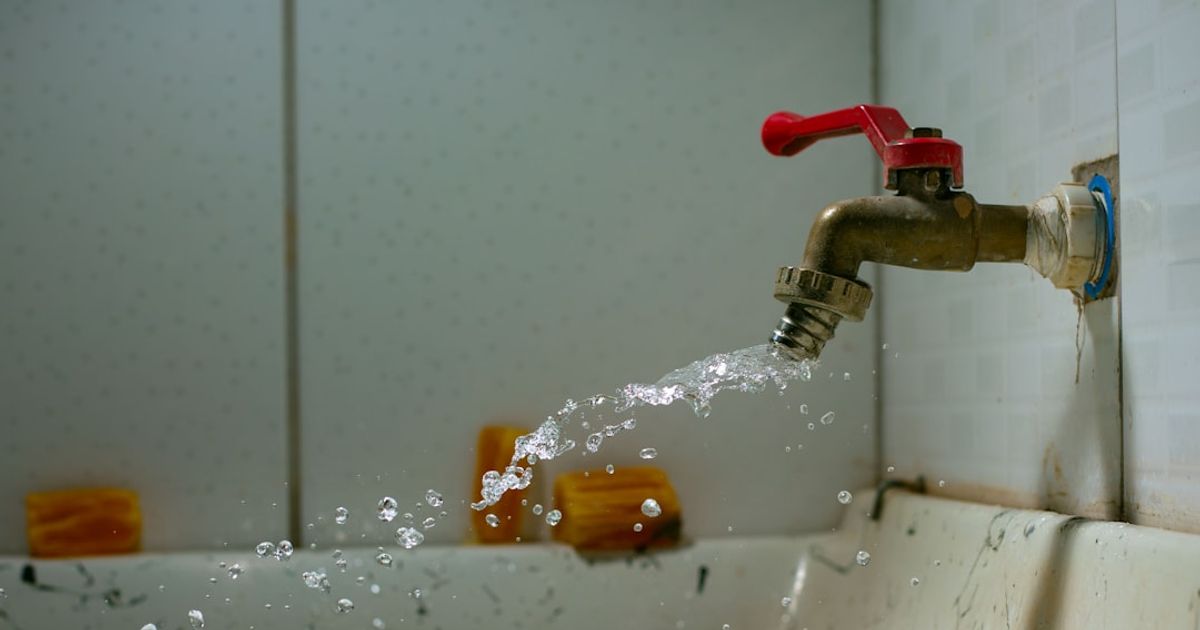
Frozen Pipe Emergency: How to Thaw Pipes Safely & Prevent Rupture During Winter
Introduction
Frozen pipes are one of the most common winter emergencies homeowners face, and they can escalate quickly from a minor inconvenience to a catastrophic disaster. When temperatures plummet, water inside your pipes can freeze, creating blockages that prevent water flow and building dangerous pressure within the pipes themselves. If left unaddressed, this pressure can cause pipes to rupture, leading to water damage that costs an average of $7,000 to $10,000 to restore. The worst part? Many homeowners don't realize they have a frozen pipe problem until it's too late—water stops flowing from a faucet, or worse, they discover water pouring through their ceiling.
This comprehensive guide will walk you through everything you need to know about frozen pipe emergencies. Whether you're currently dealing with a frozen pipe right now or want to prepare for winter's worst-case scenarios, you'll learn how to identify the problem early, safely thaw frozen pipes using professional-approved methods, prevent ruptures from occurring, and know exactly when you need to call an emergency plumber. As a licensed plumber with over 20 years of experience, I've responded to hundreds of frozen pipe emergencies—and the homeowners who act quickly and follow proper procedures save themselves thousands of dollars in repairs. Let's dive into what you need to know to protect your home this winter.
How to Identify a Frozen Pipe: Signs & Symptoms
The key to managing a frozen pipe emergency is catching it early, before the pipe ruptures. Unfortunately, many homeowners don't realize they have frozen pipes until significant damage has already occurred. Learning to recognize the warning signs can mean the difference between a quick thaw and a costly restoration project.
Visual Signs of Frozen Pipes
The most obvious sign of a frozen pipe is frost or ice visible on the exterior of the pipe itself. If you can access your pipes in unheated areas like basements, crawl spaces, attics, or exterior walls, look for white frost coating the pipe surface. This frost indicates that the water inside is frozen solid. You might also notice water stains or moisture around pipes, which suggests that a slow leak has already begun as ice expands within the pipe.
Another visual indicator is condensation on pipes that suddenly stops appearing. During normal winter conditions, you might see some condensation on cold pipes. When this stops, it can mean the water inside has frozen.
Water Flow Problems
The most common symptom homeowners notice is a sudden reduction or complete loss of water flow from specific faucets or fixtures. If water suddenly stops coming from your kitchen sink, bathroom tap, or shower, but other faucets in your home work fine, you likely have a localized frozen pipe. Pay attention to which fixtures are affected—this tells you where the frozen section is located. For example, if only the upstairs bathroom has no water, the frozen pipe is likely in the wall or supply line serving that area.
If you lose water pressure from multiple fixtures at once, or if water stops flowing throughout your entire home, you may have a frozen main water line, which is a more serious emergency requiring immediate professional attention.
Strange Noises and Gurgling Sounds
When water tries to force its way through a partially frozen pipe, you might hear odd sounds—banging, clanking, or gurgling noises coming from your walls or pipes. These sounds indicate that water is struggling to flow around ice blockages. Don't ignore these noises; they're your warning that a frozen pipe situation is developing.
Odor Changes
In some cases, a frozen pipe can trap stagnant water or allow bacteria to accumulate in the blockage area. If you notice unusual smells coming from your drains or faucets, this could indicate a frozen section is creating a bacterial environment. This is particularly common in kitchen drains where grease and food particles can accumulate.
Low Water Pressure Without Complete Loss of Flow
Sometimes a pipe isn't completely frozen but is partially blocked by ice. In this case, you'll notice significantly reduced water pressure rather than a complete stoppage. Water will still flow, but slowly and weakly. This is actually an ideal time to address the problem, as the pipe hasn't completely blocked yet.
Bulging or Cracked Pipes
In severe cases where a pipe has already begun to rupture, you might see visible bulges in the pipe or actual cracks. If you notice this, water damage is likely already occurring, even if you haven't seen it yet. The rupture might be in a hidden location like inside a wall or under the foundation.
Immediate Safety Steps Before Attempting to Thaw
Before you grab a hair dryer or heat lamp to thaw your frozen pipes, you need to take several critical safety precautions. Attempting to thaw pipes improperly can cause explosions, electrical hazards, burns, and accelerate pipe rupture. These safety steps are non-negotiable.
Step 1: Locate the Frozen Pipe
First, you need to identify exactly where the frozen section is. Start by determining which fixtures have no water. If it's a single faucet, the frozen pipe is likely in the supply line serving that fixture. If it's multiple fixtures in one area, the problem is likely in a main supply line serving that section of your home.
Trace the water supply lines from the affected fixtures. Look for pipes in unheated areas, pipes running along exterior walls, pipes in crawl spaces, attics, or basements. The frozen section will typically be in the coldest part of your home, often where pipes lack insulation or are exposed to outside air.
Run your hand along the pipes (carefully, as they'll be very cold). The frozen section will feel noticeably colder than other parts of the pipe. You might feel frost or ice on the surface.
Step 2: Turn Off the Main Water Supply
This is crucial and often overlooked. Before you begin thawing, locate your main water shut-off valve and turn it off completely. This valve is typically located where the water line enters your home from the street—either in the basement, crawl space, or outside near the foundation.
Turning off the main water supply serves two purposes: First, it prevents water from continuing to flow into the frozen section, which could increase pressure and cause rupture. Second, if a pipe does rupture during thawing, you won't have water spraying throughout your home.
After turning off the main valve, open all the faucets in your home (hot and cold) to release any remaining water pressure in the lines. Leave them open during the thawing process.
Step 3: Assess for Existing Rupture
Before beginning any thawing attempt, check whether the pipe has already ruptured. Look for water leaking from the frozen section or dripping from ceilings, walls, or fixtures. If you see water, the pipe has likely already burst, and you need to call an emergency plumber immediately. Do not attempt to thaw a ruptured pipe yourself.
If there's no visible water damage yet, carefully inspect the pipe for bulges, cracks, or deformation. If you see any of these signs, the pipe is likely compromised and could rupture during thawing. Call a professional before attempting thaw.
Step 4: Ensure Proper Ventilation
If you're planning to use any heat source to thaw the pipe, ensure the area is properly ventilated. Never use a propane heater, charcoal grill, or kerosene heater indoors to thaw pipes—these produce carbon monoxide, which is deadly. Only use electric heat sources like hair dryers, heat guns, or electric heat tape in enclosed spaces.
Step 5: Clear the Area
Remove any flammable materials, insulation, or debris from around the frozen pipe. You need clear access to the pipe and space to work safely. This also prevents accidental fires if you're using any heat source.
Step 6: Have Towels and Buckets Ready
Place towels and buckets under and around the frozen pipe. When the ice begins to thaw, water will drip. You want to catch this water to prevent additional water damage to your home. Have several towels ready to absorb water and buckets to collect it.
Safe Thawing Methods: Heat Tape, Hair Dryer & Hot Water
Once you've taken proper safety precautions, you can begin the thawing process. There are several safe methods for thawing frozen pipes, each with specific applications and effectiveness levels.
Method 1: Electric Heat Tape (Most Effective for Accessibility)
Electric heat tape is specifically designed for thawing frozen pipes and is one of the safest and most effective methods available. Heat tape is a flexible, insulated electrical heating element that wraps around the pipe and provides consistent, controlled heat.
How to use heat tape:
First, ensure the pipe is completely dry before applying heat tape. Wrap the heat tape tightly around the frozen pipe, overlapping each wrap by about half the tape's width. Start at the lowest point (closest to the water source) and work your way toward the faucet. This allows thawed water to flow downward and out of the pipe.
Once wrapped, plug the heat tape into a GFCI-protected electrical outlet (this is critical for safety). The tape will begin heating immediately. Most heat tapes reach temperatures of 150-200°F, which is hot enough to melt ice without damaging the pipe.
Leave the heat tape on for 30 minutes, then check for water flow. If water still isn't flowing, leave it on for another 15-30 minutes. Most frozen pipes thaw within 30-60 minutes using heat tape.
Once water begins flowing, leave the heat tape on for another 15 minutes to ensure the entire blockage is cleared. Then turn it off and allow the pipe to cool slightly before removing the tape.
Important safety notes: Never leave heat tape unattended while it's operating. Don't use damaged heat tape (check for cracks or exposed wires). Always use a GFCI outlet to prevent electrical shock. Never wrap heat tape around copper pipes without a protective layer—the heat can damage copper fittings.
Method 2: Hair Dryer or Heat Gun (Good for Accessible Pipes)
If you don't have heat tape, a standard household hair dryer is an excellent alternative for thawing accessible frozen pipes. This method is particularly useful for pipes in walls or tight spaces where heat tape is difficult to apply.
How to use a hair dryer:
Set your hair dryer to the highest heat setting. Hold it 6-12 inches away from the frozen pipe section, moving it slowly back and forth along the length of the ice blockage. Don't hold it in one spot for more than a few seconds—constant movement prevents overheating any single area.
Start at the lowest point of the frozen section and work toward the faucet. This allows thawed water to flow downward. Continue for 20-30 minutes, checking periodically for water flow. Once water begins flowing, continue heating for another 10-15 minutes to fully clear the blockage.
Why this works: The hair dryer's heat melts the ice gradually and safely. Because you're controlling the temperature and movement, there's minimal risk of pipe damage.
Limitations: Hair dryers are slower than heat tape and work best for short frozen sections (under 3 feet). For longer frozen sections, you'll need to work for an extended period. Also, hair dryers aren't practical for pipes in walls or inaccessible locations.
Method 3: Hot Water Application (Safest for Beginners)
For pipes that are accessible and partially frozen, applying hot (not boiling) water directly to the pipe can be effective and extremely safe.
How to apply hot water:
Boil water in a kettle or pot, then let it cool slightly so it's hot but not actively boiling (around 140-160°F). Carefully pour the hot water slowly over the frozen pipe section, starting from the lowest point. Use a towel to direct the water if needed.
Repeat this process every 5-10 minutes for 20-30 minutes. As the ice melts, the water will flow down and drain away. This method is particularly effective for pipes in basements or crawl spaces where you have direct access.
Why this works: Hot water directly melts ice through heat transfer. It's gradual enough that it won't shock the pipe or cause rupture.
Limitations: This method only works for easily accessible pipes. It's not practical for pipes in walls or tight spaces. It also requires multiple repetitions and careful handling to avoid burns.
Method 4: Space Heater (For Entire Areas)
If you have a frozen pipe in a room or space, you can use a space heater to gradually warm the entire area. This is slower than direct heating methods but can be effective for preventing future freezing.
How to use a space heater:
Place an electric space heater in the room containing the frozen pipe, positioned safely away from flammable materials. Set it to a high setting and allow it to run continuously. The room temperature will gradually increase, which will warm the pipes.
This method typically takes 2-4 hours to thaw a frozen pipe, making it slower than direct heating. However, it's excellent for warming entire basements or crawl spaces and preventing multiple pipes from freezing.
Important safety notes: Never leave a space heater unattended. Keep it at least 3 feet away from flammable materials. Ensure it has proper ventilation. Use a space heater with an automatic shutoff feature in case it tips over.
Method 5: Insulation and Prevention (While Waiting for Thaw)
While you're applying heat to thaw the pipe, wrap the area around it with towels, blankets, or pipe insulation to trap the heat and improve efficiency. This helps the thawing process work faster by preventing heat from dissipating into the surrounding area.
Methods to NEVER Use
There are several dangerous methods that should absolutely never be used to thaw frozen pipes:
- Propane torches or blowtorches: These can cause fires, explosions, and produce toxic fumes. They also heat pipes unevenly, risking rupture.
- Charcoal or kerosene heaters indoors: These produce carbon monoxide, which is deadly. Never use them inside your home.
- Boiling water poured directly on pipes: This can cause thermal shock and pipe rupture if the pipe is very cold.
- Wrapping pipes in flammable materials and applying heat: This creates a fire hazard.
- Hitting or striking frozen pipes: This can crack the pipe and cause rupture.
When DIY Thawing Isn't Safe: Call a Professional
While many frozen pipe situations can be handled with DIY methods, there are several scenarios where you absolutely should not attempt thawing yourself and should call an emergency plumber immediately.
Situations Requiring Professional Help
Frozen main water line: If your entire home has lost water pressure, the frozen section is likely in your main water line, which may be buried under your foundation or in the ground. This requires professional equipment and expertise to thaw safely. Attempting to thaw a main line yourself can cause serious damage.
Frozen pipes in walls: If the frozen pipe is located inside a wall where you can't access it directly, you'll need a professional. Plumbers have thermal imaging cameras and other equipment to locate frozen pipes within walls and thaw them safely without opening walls.
Pipes that have already ruptured: If water is already leaking from the frozen section, attempting to thaw it will only increase water damage. A professional needs to repair the rupture first.
Frozen pipes near electrical systems: If the frozen pipe is near electrical wiring, outlets, or your electrical panel, don't attempt DIY thawing. The combination of water and electricity is dangerous.
Frozen gas lines: If you suspect a frozen line connected to your gas system, do not attempt to thaw it. Call your gas company and a professional plumber immediately.
Multiple frozen pipes: If you have several frozen pipes in different locations, this suggests a more serious problem with your home's heating or insulation. A professional should evaluate the situation.
Frozen pipes in inaccessible locations: Attics, crawl spaces, or other hard-to-reach areas may require professional equipment and safety measures.
How to Find a Reliable Emergency Plumber
When you need emergency help, you want to find a qualified, trustworthy plumber quickly. Here's what to look for:
- Licensed and insured: Verify that the plumber holds a valid license for your state and carries liability insurance. This protects you if something goes wrong.
- 24/7 availability: Emergency plumbers should be available nights, weekends, and holidays.
- Transparent pricing: Ask about their emergency service fee (typically $75-$300) and hourly rates before they begin work.
- Fast response time: Most emergency plumbers respond within 30-60 minutes during normal conditions, though peak times may be longer.
- Good reviews: Check Google, Yelp, and BBB ratings. Look for consistent positive feedback about professionalism and quality.
- Local presence: Choose a plumber based in your area who knows local building codes and conditions.
When you call, be prepared to describe the problem clearly: which fixtures have no water, whether you've seen any water damage, and what steps you've already taken. This helps the plumber arrive prepared with the right equipment.
Preventing Pipe Rupture During the Thaw Process
One of the biggest risks during thawing is that the pipe will rupture from pressure buildup. As ice melts, water wants to flow, but if ice remains in other sections, pressure builds up. Understanding how to prevent rupture is critical.
Open All Faucets Before Thawing
Before you apply any heat to a frozen pipe, open all faucets in your home—both hot and cold taps. This serves multiple purposes. First, it releases any pressure that's built up in the lines. Second, it gives thawed water a place to flow as the ice melts, preventing pressure from building up behind remaining ice.
Leave all faucets open throughout the entire thawing process. Once water begins flowing from the affected fixture, you can close the other faucets, but keep the main affected faucet open.
Turn Off the Main Water Supply
As mentioned in the safety section, turning off your main water supply before thawing is essential. With the main supply off, water can't continue flowing into the frozen section, which prevents pressure buildup. The water already in the pipes can escape through open faucets.
Thaw from the Lowest Point Upward
Always begin thawing at the lowest point of the frozen section and work upward toward the faucet. This allows thawed water to flow downward and out through open faucets. If you thaw from the top down, water can't escape, and pressure builds up behind remaining ice.
Work Gradually
Don't apply intense heat all at once. Gradual heating is safer than rapid heating. Rapid temperature changes can cause the pipe material to expand unevenly, leading to cracks or rupture. Use medium heat settings on hair dryers, keep heat tape at moderate temperatures, and apply hot water slowly.
Watch for Signs of Rupture
As you thaw, watch carefully for any signs that the pipe is rupturing: water spraying from cracks, bulging sections becoming more pronounced, or water appearing in unexpected locations. If you see any of these signs, stop immediately and call a professional.
Don't Thaw Too Quickly
While it's tempting to apply maximum heat to thaw a pipe as fast as possible, this is dangerous. Rapid heating can cause ice to melt unevenly, creating pressure pockets that rupture the pipe. Slow and steady thawing is much safer.
Monitor Water Pressure
As water begins flowing, it should start slowly. If water suddenly surges or pressure spikes, this can indicate that a large ice blockage just broke free, creating a pressure surge. If this happens, reduce heat and open more faucets to relieve pressure.
Water Damage Mitigation While Waiting for Professional Help
If you're waiting for an emergency plumber to arrive, or if you've discovered that a pipe has already ruptured, you need to take immediate steps to minimize water damage. Water damage costs an average of $7,000-$10,000 to restore, but quick action can significantly reduce this cost.
Immediate Damage Control
First, locate the source of the water and turn off your main water supply if you haven't already. Every second water continues flowing, more damage occurs. Once the main is off, open all faucets to drain remaining water from the lines.
If water is actively leaking from a pipe, place buckets or containers under the leak to catch the water. This prevents it from spreading and causing additional damage. Use towels to absorb water and direct it toward drains or outside.
Remove Water from Affected Areas
Use wet/dry vacuums, towels, and mops to remove standing water from floors. The faster you remove water, the less damage occurs. Water can begin damaging wood floors, drywall, and insulation within hours.
If water has soaked into carpeting, remove the carpet if possible and allow the subfloor to dry. Wet carpet can develop mold within 24-48 hours if not properly dried.
Increase Air Circulation and Drying
Open windows (if outdoor temperature permits) and use fans to increase air circulation in affected areas. Dehumidifiers are invaluable for removing moisture from the air and preventing mold growth. Run fans and dehumidifiers continuously until the area is completely dry.
Document the Damage
Take photos and videos of all water damage for insurance purposes. Document the location of the frozen pipe, any visible ruptures, and all areas affected by water. This documentation is essential for insurance claims.
Contact Your Insurance Company
Call your homeowner's insurance company immediately to report the damage. Most policies cover sudden, accidental water damage from burst pipes. Your insurance company may send an adjuster to assess the damage and may recommend specific restoration companies.
Prevent Mold Growth
Mold can begin growing within 24-48 hours in wet environments. To prevent mold, ensure affected areas dry completely. Use dehumidifiers, fans, and open windows. If you see any signs of mold (dark spots, musty odors), contact a professional mold remediation company.
Protect Valuables
Move furniture, electronics, and other valuables away from wet areas. Elevated items on blocks or furniture to keep them off wet floors. Remove items from water-damaged cabinets and allow them to dry.
Long-Term Prevention Strategies for Future Winters
Once you've dealt with a frozen pipe emergency, you'll want to ensure it never happens again. Prevention is far more cost-effective than dealing with ruptures and water damage.
Insulate Exposed Pipes
The most effective prevention method is insulating pipes in unheated areas. Pipe insulation is inexpensive (typically $0.50-$2.00 per foot) and easy to install. Foam pipe insulation wraps around pipes and creates a barrier against cold air.
Focus on pipes in basements, crawl spaces, attics, and exterior walls—anywhere pipes are exposed to cold. Pay special attention to pipes running along exterior walls or in areas with poor insulation.
Seal Air Leaks
Cold air infiltration is a major cause of frozen pipes. Seal cracks and gaps around pipes where they pass through exterior walls, foundations, or rim joists. Use caulk, weatherstripping, or spray foam to block cold air.
Check around windows and doors in areas with pipes nearby. Even small air leaks can allow cold air to reach pipes.
Maintain Consistent Heat
Keep your home heated to at least 55°F, even if you're away during winter. Heating doesn't need to be luxurious—just enough to keep pipes warm. If you're leaving your home for an extended period during winter, leave the heat on or drain and shut off the water system.
For vacation homes or seasonal properties, consider draining all water lines before winter arrives. This eliminates the possibility of frozen pipes entirely.
Use Heat Tape Preventatively
If you have pipes in particularly cold areas that are difficult to insulate, install heat tape before winter arrives. Heat tape can run continuously during winter, preventing ice formation. Some heat tape models have thermostats that automatically turn on when temperatures drop below 35°F.
Improve Overall Home Insulation
Improving your home's insulation reduces the likelihood of frozen pipes throughout your home. Focus on attic insulation (most heat loss occurs here) and basement insulation. Better overall insulation keeps your entire home warmer.
Allow Faucets to Drip During Extreme Cold
During severe cold snaps, allow faucets served by vulnerable pipes to drip slightly. Moving water is less likely to freeze than static water. A slow drip uses very little water but can prevent a freeze.
Open Cabinet Doors
Under-sink cabinets often contain pipes. During extreme cold, open cabinet doors to allow warm air from your home to reach the pipes. This simple step can prevent freezing in vulnerable locations.
Install a Whole-Home Humidifier
Dry air can make pipes more susceptible to freezing. A whole-home humidifier maintains humidity levels, which can help prevent freezing. Humidity levels between 30-50% are ideal.
Have Your Plumbing System Inspected
Before winter arrives, have a professional plumber inspect your plumbing system. They can identify vulnerable pipes, recommend insulation improvements, and address any existing issues that could lead to freezing.
Consider a Pipe Freeze Protection System
For homes in extremely cold climates or with chronic frozen pipe problems, professional pipe freeze protection systems are available. These systems use heat cables, thermostats, and insulation to keep pipes warm throughout winter. While more expensive than DIY insulation, they provide comprehensive protection.
Know Your Shut-Off Valve Location
Make sure everyone in your household knows where the main water shut-off valve is located and how to turn it off. In an emergency, quick action to shut off water can minimize damage. Label the valve clearly and consider installing a shut-off valve that's easily accessible.
Drain Outdoor Faucets and Lines
Before winter arrives, disconnect garden hoses and drain outdoor faucets. Install frost-proof faucets (also called freeze-proof faucets) that have shut-off valves inside your home. Regular outdoor faucets can freeze and rupture, causing water to back up into your home's supply lines.
Frequently Asked Questions About Frozen Pipes
What should I do if I smell gas near a frozen pipe?
If you smell gas near a frozen pipe or anywhere in your home, do not attempt to thaw the pipe yourself. Evacuate your home immediately, call your gas company from a safe location (outside or from a neighbor's home), and contact the fire department. Gas leaks are extremely dangerous and require professional handling. Do not use any electrical equipment, light switches, or create any spark that could ignite gas.
Is it true that frozen pipes always burst?
No, frozen pipes don't always rupture. Ice can block a pipe without causing rupture. However, rupture risk increases significantly if the pipe remains frozen for extended periods or if thawing is done improperly. The longer a pipe is frozen, the more pressure builds up, increasing rupture risk. This is why quick action to thaw frozen pipes is important.
Can I use a blowtorch to thaw a frozen pipe?
Absolutely not. Blowtorches are extremely dangerous for thawing pipes. They can cause fires, explosions, and produce toxic fumes. Blowtorches also heat pipes unevenly, which can cause sudden rupture from thermal shock. Never use open flame to thaw pipes. Stick to electric heat sources like heat tape, hair dryers, or heat guns.
How long does it take for a pipe to freeze?
Pipes can freeze in as little as 6-8 hours when exposed to temperatures below 20°F, especially if they lack insulation. However, pipes in well-insulated areas may take 24-48 hours to freeze even in very cold weather. The freezing speed depends on the pipe's location, insulation, water flow, and how cold it gets. This is why prevention during winter is so important.
Will my insurance cover frozen pipe damage?
Most homeowner's insurance policies cover sudden, accidental water damage from burst pipes, including damage caused by freezing. However, coverage depends on your specific policy and the cause of the freeze. Damage from lack of maintenance or failure to heat your home properly may not be covered. Review your policy and contact your insurance company immediately if you experience frozen pipe damage. Document everything with photos for your claim.
What's the difference between a frozen pipe and a clogged pipe?
A frozen pipe is blocked by ice, while a clogged pipe is blocked by debris (hair, grease, food particles, etc.). You can distinguish between them by location and season. Frozen pipes occur in winter in cold areas, while clogs can happen year-round. Frozen pipes typically affect water pressure throughout a section of your home, while clogs usually affect only one fixture. A professional plumber can definitively determine which problem you have.
Can I prevent frozen pipes by leaving my water running?
Yes, allowing water to drip or flow slowly can help prevent freezing. Moving water is less likely to freeze than static water. However, this method uses water and increases your water bill. It's more effective to insulate pipes properly. If you must use the dripping method, only do it during extreme cold snaps, not throughout the entire winter.
Conclusion
Frozen pipe emergencies can escalate rapidly from a minor inconvenience to a catastrophic disaster costing thousands of dollars in water damage restoration. However, by understanding how to identify frozen pipes early, safely thaw them using proper methods, prevent ruptures during the thawing process, and implement long-term prevention strategies, you can protect your home from this common winter emergency.
The key to managing a frozen pipe emergency is acting quickly. The moment you notice signs of a frozen pipe—no water flow from specific fixtures, frost on pipes, or strange noises—take immediate action. Turn off your main water supply, open all faucets, and begin thawing using safe methods like heat tape or a hair dryer. If the situation is beyond your comfort level or if the pipe has already ruptured, don't hesitate to call an emergency plumber. The cost of professional help is minimal compared to the cost of water damage.
For the future, invest in pipe insulation, seal air leaks, maintain consistent home heating, and prepare your plumbing system before winter arrives. These prevention measures are inexpensive and far more cost-effective than dealing with frozen pipe emergencies.
If you're currently dealing with a frozen pipe emergency and need professional help, don't wait. Call a licensed, insured emergency plumber in your area today. They have the expertise, equipment, and experience to safely thaw frozen pipes and prevent ruptures. Your quick action today can save you thousands of dollars in water damage tomorrow.

Frequently Asked Questions
Q:What should I do if I smell gas near a frozen pipe?
A: If you smell gas near a frozen pipe or anywhere in your home, do not attempt to thaw the pipe yourself. Evacuate your home immediately and call your gas company from a safe location outside your home or from a neighbor's house. Also contact the fire department. Gas leaks are extremely dangerous and require professional emergency response. Never use electrical equipment, light switches, or create any spark that could ignite the gas. This is a life-threatening emergency that takes absolute priority over the frozen pipe.
Q:Is it true that frozen pipes always burst?
A: No, frozen pipes don't always rupture. Ice can block a pipe and prevent water flow without causing the pipe to break. However, rupture risk increases significantly if the pipe remains frozen for extended periods or if thawing is done improperly. The longer a pipe stays frozen, the more pressure builds up inside from ice expansion, which increases rupture risk. This is why quick action to thaw frozen pipes as soon as you notice the problem is critical.
Q:Can I use a blowtorch to thaw a frozen pipe?
A: Absolutely not. Blowtorches are extremely dangerous for thawing pipes and should never be used. They can cause fires, explosions, produce toxic fumes, and damage your home. Blowtorches also heat pipes unevenly, which can cause sudden rupture from thermal shock. Never use any open flame to thaw pipes. Stick exclusively to safe electric heat sources like heat tape, hair dryers, or heat guns. These methods are much safer and just as effective.
Q:How long does it take for a pipe to freeze?
A: Pipes can freeze in as little as 6-8 hours when exposed to temperatures below 20°F, especially if they lack insulation or are in unheated areas. However, pipes in well-insulated areas may take 24-48 hours to freeze even in very cold weather. The freezing speed depends on the pipe's location, how much insulation it has, whether water is flowing through it, and how cold the temperature gets. This is why prevention measures during winter are so important.
Q:Will my insurance cover frozen pipe damage?
A: Most homeowner's insurance policies cover sudden, accidental water damage from burst pipes, including damage caused by freezing. However, coverage depends on your specific policy and the cause of the freeze. Damage from lack of maintenance or failure to heat your home properly may not be covered. Review your policy carefully and contact your insurance company immediately if you experience frozen pipe damage. Document everything with photos and videos for your insurance claim.
Q:What's the difference between a frozen pipe and a clogged pipe?
A: A frozen pipe is blocked by ice, while a clogged pipe is blocked by debris like hair, grease, or food particles. You can distinguish between them by considering the season and location. Frozen pipes occur in winter in cold areas, while clogs can happen year-round. Frozen pipes typically affect water pressure throughout a section of your home, while clogs usually affect only one fixture. A professional plumber can definitively determine which problem you have using diagnostic equipment.
Q:Can I prevent frozen pipes by leaving my water running?
A: Yes, allowing water to drip or flow slowly can help prevent freezing because moving water is less likely to freeze than static water. However, this method uses water continuously and increases your water bill significantly. It's more effective and economical to insulate pipes properly. If you must use the dripping method during extreme cold snaps, only do it temporarily during the coldest periods, not throughout the entire winter season.