
Complete Home Plumbing Checklist for Homeowners

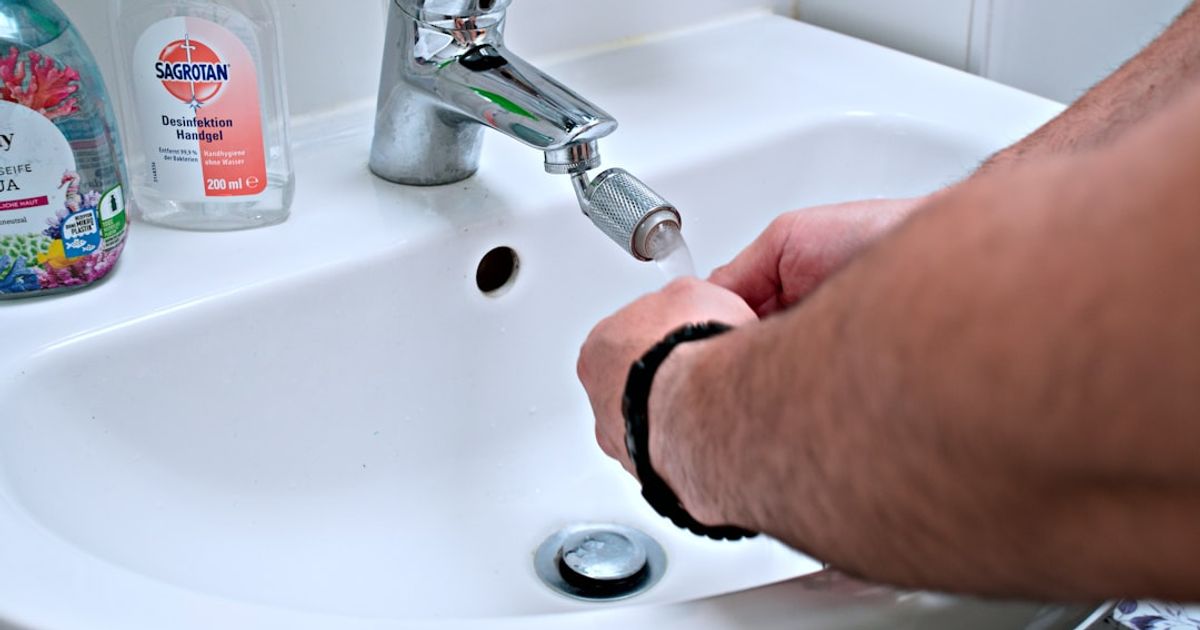
Complete Home Plumbing Checklist for Homeowners
Introduction: Why a Plumbing Checklist Matters
Your home's plumbing system is one of the most critical infrastructure components you own, yet most homeowners don't think about it until something goes wrong. When a plumbing emergency strikes—whether it's a burst pipe at 2 AM, a backed-up sewer line, or a water heater failure—the costs can skyrocket quickly. The average emergency plumbing repair ranges from $250 to $500, and major issues like sewer line repairs can exceed $3,500 or more.
A proactive plumbing checklist changes everything. By regularly inspecting your plumbing system, you can catch small problems before they become expensive emergencies. This guide provides a comprehensive, actionable checklist that homeowners can use to maintain their plumbing systems effectively. Whether you're a new homeowner or have lived in your house for decades, this checklist will help you stay on top of potential issues and avoid costly emergency plumber visits.
Using this checklist takes just 30-45 minutes per month, yet it can save you thousands of dollars in water damage restoration (which typically costs $7-$10 per square foot) and emergency repair fees. You'll learn what to inspect, how often to check it, what warning signs to watch for, and when to call a professional. This comprehensive approach to plumbing maintenance gives you peace of mind and protects one of your largest investments—your home.
Quick Reference Summary: Top Plumbing Priorities
If you're short on time, focus on these five most critical plumbing checks first:
Top 5 Most Important Plumbing Checks:
- Water Heater Inspection: Check for leaks, strange noises, and rust. A failing water heater can fail suddenly, leaving you without hot water and potentially causing water damage. Inspect monthly; replace every 8-12 years.
- Main Water Shut-Off Valve: Locate and test your main shut-off valve. In a water emergency, you need to stop the water flow immediately. Test it quarterly to ensure it works when you need it most.
- Under-Sink Plumbing: Check for leaks under kitchen and bathroom sinks. These hidden leaks often go unnoticed for months, causing mold, wood rot, and structural damage. Inspect monthly.
- Visible Pipe Condition: Look for corrosion, rust, or discoloration on exposed pipes. Corroded pipes are at higher risk for leaks and bursts. Check quarterly, especially in basements and crawl spaces.
- Drain Flow Rate: Test drains in all sinks, showers, and tubs. Slow drains indicate buildup and future clogs. Address them before they become complete blockages requiring emergency service.
Additional Priority Items:
- Toilet operation and leaks (check monthly)
- Sump pump function (check before heavy rain)
- Water pressure (should be 40-80 PSI)
- Septic system status (if applicable)
- Exterior hose bibs and outdoor plumbing
Complete Home Plumbing Checklist
Kitchen Plumbing Inspection
Under-Sink Cabinet Area:
- [ ] Check for water drips or puddles under the sink
- [ ] Inspect P-trap for corrosion, cracks, or loose connections
- [ ] Feel pipes with your hand to detect moisture (even if no visible water)
- [ ] Look for mold, mildew, or discoloration on cabinet surfaces
- [ ] Verify shut-off valves turn smoothly and don't leak when operated
- [ ] Check that pipes are properly supported and not sagging
- [ ] Inspect supply lines for cracks, bulges, or deterioration
- [ ] Ensure no food debris or grease buildup in visible pipes
Why this matters: Under-sink leaks are among the most common hidden water sources in homes. They often develop slowly, causing mold growth and wood rot before homeowners notice. Early detection prevents expensive water damage and health hazards.
Sink Drain and Garbage Disposal:
- [ ] Run water and observe drain flow (should drain within 5-10 seconds)
- [ ] Listen for unusual gurgling sounds when draining
- [ ] Check for slow drainage in one or both basins
- [ ] Test garbage disposal operation (if applicable)
- [ ] Verify disposal drains completely after running
- [ ] Smell for sewer odors coming from the drain
- [ ] Check that drain strainer is intact and in place
- [ ] Pour hot water down drain to clear minor buildup (monthly)
Why this matters: Slow kitchen drains often indicate grease buildup, which can lead to complete blockages. Catching this early prevents emergency drain cleaning service calls that typically cost $150-$500.
Water Supply Lines:
- [ ] Inspect inlet hose connections at the sink faucet
- [ ] Check for leaks at the faucet base
- [ ] Verify faucet handles operate smoothly
- [ ] Test for drips when handles are off
- [ ] Look for corrosion around faucet connections
- [ ] Check water pressure (should feel steady and consistent)
- [ ] Test hot and cold water separately
Bathroom Plumbing Inspection
Sink and Vanity:
- [ ] Check under sink for leaks and moisture (same as kitchen)
- [ ] Inspect P-trap and supply lines carefully
- [ ] Test drain flow in both single and double sinks
- [ ] Verify faucet doesn't drip when turned off
- [ ] Check for water stains on vanity cabinet exterior
- [ ] Listen for dripping sounds inside walls (indicates hidden leak)
- [ ] Inspect caulking around sink edges for deterioration
- [ ] Verify shut-off valves operate and don't leak
Toilet Inspection:
- [ ] Listen for continuous running water (indicates leak)
- [ ] Check for water on the floor around the base
- [ ] Inspect the tank for cracks or discoloration
- [ ] Verify the flapper closes properly after flushing
- [ ] Check for slow refill after flushing
- [ ] Inspect the fill valve for leaks
- [ ] Test that the handle operates smoothly
- [ ] Look for corrosion on bolts and connections
- [ ] Verify water level in tank is correct (should be 1 inch below overflow)
- [ ] Check for water seeping from the tank to bowl
Why this matters: Toilet leaks are often silent but can waste 200+ gallons daily. A running toilet can increase water bills significantly and indicates a failing flapper that's inexpensive to replace if caught early.
Shower and Tub:
- [ ] Test water pressure in shower (should be adequate but not excessive)
- [ ] Check for leaks in the shower pan or tub surround
- [ ] Inspect caulking around tub and shower edges
- [ ] Look for water stains on ceiling below bathroom
- [ ] Verify drain flow is adequate
- [ ] Check for mold or mildew around fixtures
- [ ] Test hot and cold water mixing
- [ ] Inspect shower head for mineral deposits
- [ ] Check for leaks at the faucet valve
- [ ] Verify anti-scald valve functions (if equipped)
Why this matters: Shower and tub leaks often go unnoticed because water drains away. However, water seeping into walls and subfloors causes extensive damage that can cost thousands to repair. Catching leaks early prevents structural damage and mold growth.
Water Heater Inspection
Visual Inspection:
- [ ] Check for any water pooling or dripping from the tank
- [ ] Inspect the entire tank surface for rust or corrosion
- [ ] Look for white mineral deposits (indicates hard water)
- [ ] Verify the tank isn't leaking at the base
- [ ] Check that the temperature and pressure relief valve isn't dripping
- [ ] Inspect the drain valve at the bottom for leaks
- [ ] Look for discoloration or rust on the tank exterior
- [ ] Verify the anode rod access point isn't leaking
Operational Testing:
- [ ] Test hot water flow at the nearest faucet
- [ ] Listen for unusual noises (rumbling, popping, or knocking)
- [ ] Check if hot water heats adequately
- [ ] Verify water temperature is consistent
- [ ] Listen for the burner or heating element activating
- [ ] Check for gas smell (gas water heaters only)
- [ ] Verify the pilot light is lit (gas models)
- [ ] Inspect for water leaks from supply lines
Why this matters: Water heater failures account for approximately 25% of emergency plumbing calls. Most water heaters last 8-12 years, and early warning signs allow you to replace them before catastrophic failure. A failing water heater can leak hundreds of gallons, causing severe water damage.
Basement and Utility Area Inspection
Main Water Shut-Off Valve:
- [ ] Locate your main water shut-off valve
- [ ] Verify the valve handle turns smoothly
- [ ] Test the valve quarterly by turning it off and on
- [ ] Check that water flow stops when the valve is closed
- [ ] Ensure the valve isn't leaking
- [ ] Label the valve clearly for emergency access
- [ ] Mark the location so all household members know where it is
Why this matters: In a water emergency, you need to shut off the main water supply immediately. If your valve is stuck or you can't find it, water damage can escalate rapidly. A 1/8-inch crack in a pipe can leak 250 gallons daily.
Visible Pipes:
- [ ] Inspect all exposed pipes for corrosion or rust
- [ ] Check for white, blue, or green discoloration (mineral deposits)
- [ ] Look for pinhole leaks or small water spots
- [ ] Verify pipes are properly supported and not sagging
- [ ] Check for water stains on pipes or surrounding areas
- [ ] Inspect pipe connections for tightness
- [ ] Look for frozen pipe indicators (bulging, frost)
- [ ] Verify pipes aren't damaged or dented
Sump Pump (if applicable):
- [ ] Verify the sump pump turns on when water enters the pit
- [ ] Check that water drains completely
- [ ] Inspect the discharge pipe for clogs
- [ ] Verify the check valve functions properly
- [ ] Look for any water leaking from the pump
- [ ] Test the pump before heavy rain season
- [ ] Ensure the pump isn't making unusual noises
Why this matters: Sump pump failures during heavy rain can cause basement flooding, resulting in $5,000-$10,000+ in water damage. Testing before storm season ensures your pump will work when you need it.
Drains and Cleanouts:
- [ ] Locate all accessible drain cleanouts
- [ ] Verify cleanout caps are secure and not leaking
- [ ] Check for water pooling around cleanouts
- [ ] Inspect for sewer odors
- [ ] Look for backed-up water or sewage
- [ ] Verify cleanouts are accessible for emergency service
Exterior and Outdoor Plumbing
Hose Bibs and Outdoor Faucets:
- [ ] Check all exterior faucets for leaks
- [ ] Verify handles operate smoothly
- [ ] Inspect for corrosion or damage
- [ ] Test water flow and pressure
- [ ] Check for leaks at connection points
- [ ] Verify shut-off valves for each bib (if equipped)
- [ ] Drain and winterize before freezing temperatures
Irrigation and Sprinkler Systems:
- [ ] Inspect visible pipes for cracks or leaks
- [ ] Test each zone for proper operation
- [ ] Check sprinkler heads for damage
- [ ] Verify water pressure is adequate
- [ ] Look for water pooling or soggy areas
- [ ] Drain system before winter freeze
- [ ] Inspect backflow preventer (if equipped)
Downspouts and Grading:
- [ ] Verify downspouts direct water away from foundation
- [ ] Check that grading slopes away from the house
- [ ] Look for water pooling near foundation
- [ ] Inspect for water seeping into basement
- [ ] Verify gutters aren't overflowing
Frequency Recommendations: When to Check What
Daily Checks (Takes 2-3 minutes)
While you don't need a formal daily inspection, watch for these things during normal daily activities:
- Listen for running water: Hear water running when nothing is on? This indicates a leak. Investigate immediately.
- Check toilet operation: Does your toilet run continuously? Listen for the fill valve refilling constantly.
- Notice water pressure changes: Is water pressure suddenly lower? This might indicate a leak or water main break.
- Smell for sewer odors: Unusual odors near drains or in bathrooms indicate venting problems or sewer issues.
- Observe water appearance: Is water discolored, rusty, or cloudy? This suggests corrosion or contamination.
Weekly Checks (Takes 10-15 minutes)
Perform these checks once per week as part of your routine home maintenance:
- Test all drains: Run water in sinks, showers, and tubs. Do they drain quickly? Slow drains indicate buildup.
- Inspect under sinks: Open cabinet doors and look for any water or moisture. Wipe away any dampness you find.
- Check toilet tanks: Listen for running water. Look at the water level—is it where it should be?
- Test faucets: Turn on each faucet and verify water flows smoothly. Check for drips when turned off completely.
- Observe water pressure: Is pressure consistent throughout the house? Low pressure might indicate leaks.
Monthly Checks (Takes 30-45 minutes)
Set aside time once monthly for a more thorough inspection. Many homeowners do this on the first of the month:
- Complete under-sink inspection: Check both kitchen and bathroom sinks. Feel pipes, look for moisture, verify valves work.
- Toilet detailed inspection: Check tank water level, listen for leaks, inspect for cracks, verify flapper operation.
- Water heater inspection: Look for leaks, listen for noises, check temperature, verify relief valve.
- Drain cleaning: Pour hot water down drains to clear minor buildup. Use a plunger if needed.
- Visible pipe inspection: Walk through basement/utility areas. Look for corrosion, leaks, or damage.
- Faucet testing: Test all faucets for drips, leaks, and proper operation.
- Water pressure check: Use a pressure gauge (inexpensive at hardware stores) to verify 40-80 PSI.
Quarterly Checks (Takes 45-60 minutes)
Perform these more comprehensive checks four times yearly:
- Main shut-off valve test: Turn off and on to verify operation. Ensure it shuts off water completely.
- All drain testing: Test every drain in the house. Check for slow drainage or unusual sounds.
- Pipe inspection: Thoroughly inspect all visible pipes for corrosion, leaks, or damage.
- Toilet tank inspection: Check water level, listen for leaks, verify fill valve operation.
- Exterior faucet check: Test all outdoor hose bibs. Check for leaks and proper operation.
- Sump pump test (if applicable): Verify pump operates when water enters pit.
- Water heater thorough check: Complete visual and operational inspection. Note any changes.
Annual Checks (Takes 1-2 hours)
Once yearly, perform a comprehensive plumbing system inspection:
- Professional water heater inspection: Consider having a plumber inspect your water heater, especially if it's 5+ years old. This costs $100-$150 but can prevent failures.
- Sewer line camera inspection: If you've had backup issues or the system is 20+ years old, have a plumber run a camera through the line. Cost: $250-$500. This identifies tree roots, cracks, or blockages before they cause emergencies.
- Water softener inspection (if applicable): Check salt levels, verify operation, inspect for leaks.
- Septic system inspection (if applicable): Have a professional inspect the tank. Recommended every 3-5 years. Cost: $300-$600.
- Pressure regulator check: Verify the pressure regulator (if equipped) is functioning properly. High water pressure damages pipes and fixtures.
- Backflow preventer inspection (if applicable): Verify the device is functioning to protect your home's water supply.
- Complete system documentation: Update your plumbing system diagram. Note locations of shut-off valves, cleanouts, and other key components.
Seasonal Maintenance:
Spring: Test sump pump before rainy season. Inspect basement for water intrusion. Check exterior grading.
Summer: Inspect outdoor plumbing and sprinkler systems. Test all hose bibs. Drain irrigation systems.
Fall: Drain and winterize exterior faucets and hoses. Prepare for winter freeze. Inspect pipes for freeze-vulnerable areas.
Winter: Monitor for frozen pipes. Verify heat tape and insulation on vulnerable pipes. Keep an eye on water pressure (frozen pipes reduce pressure).
Warning Signs to Watch For: When to Call an Emergency Plumber
Some plumbing issues can wait for a regular appointment, but these warning signs require immediate professional attention:
Immediate Action Required (Call Within Hours)
Active Water Leak or Flooding: If you see water actively leaking, pooling, or flooding, this is an emergency. Water damage costs $7-$10 per square foot to restore. A 1-inch crack in a pipe can leak 250 gallons daily. Shut off the main water valve immediately (you know where it is from your checklist!), then call an emergency plumber. Don't wait—water damage accelerates rapidly.
Burst or Severely Damaged Pipe: If you see a pipe that's cracked, bulging, or visibly damaged, this will fail completely soon. Turn off the main water valve and call an emergency plumber. Burst pipe repair costs $200-$1,000 depending on location and severity, but the water damage from a burst can exceed $10,000.
Sewage Smell or Backed-Up Sewage: If you smell sewage or see backed-up sewage in drains, showers, or toilets, this is a health hazard. Don't use any drains. Call an emergency plumber immediately. This indicates a main sewer line blockage or failure, which typically costs $1,000-$3,500 to repair.
No Hot Water (Winter) If it's winter and you suddenly have no hot water, your water heater may have failed. Check that the thermostat is set correctly and the unit is on. If nothing works, call a plumber. A failed water heater can leak 40-50 gallons per day, causing significant water damage.
No Water Pressure Anywhere: If you suddenly lose water pressure throughout the house, this might indicate a major leak in the main water line. Turn off the main valve and call a plumber. Main water line leaks can waste 1,000+ gallons daily.
Urgent Action Needed (Call Same Day)
Persistent Slow Drains Throughout House: If multiple drains are slow or backed up, this suggests a main line blockage. This will worsen and eventually cause sewage backup. Call a plumber for drain cleaning (typically $150-$300 for a clogged drain, or $500-$1,500 for a main line blockage).
Water Heater Leaking: If your water heater is dripping or leaking, it's failing. A water heater can leak 40-50 gallons per day. Call a plumber to replace it (typically $800-$3,000 depending on the unit). Don't delay—a failed water heater can cause significant water damage.
Toilet Running Continuously: A running toilet wastes 200+ gallons daily and indicates a failing flapper. While not an emergency, it should be repaired quickly. A plumber can fix it for $150-$300, or you can replace the flapper yourself ($10-$20).
Visible Mold or Mildew: If you see mold or mildew around pipes, drains, or fixtures, this indicates moisture problems. While not always a plumbing emergency, it suggests a leak or ventilation issue. Call a plumber to identify the source.
Discolored or Rusty Water: If your water is rusty, brown, or discolored, this indicates corrosion in your pipes or water heater. While not immediately dangerous (usually), it suggests your plumbing system is aging. Have a plumber inspect it. You may need to replace pipes or the water heater soon.
Frozen Pipes (Winter): If you see frost or bulging on pipes, or if a faucet suddenly stops working, you may have a frozen pipe. This is an emergency because frozen pipes can burst. Call a plumber immediately. Don't use heat guns or boiling water—these can cause pipes to burst. A plumber can thaw frozen pipes safely ($200-$500).
Monitor Closely (Call Within 1-2 Weeks)
Minor Drips or Slow Leaks: If you notice a slow drip under the sink or a minor leak, this isn't an emergency, but don't ignore it. Schedule a plumber appointment within 1-2 weeks. Small leaks become big problems.
Water Pressure Changes: If water pressure suddenly decreases, this might indicate a leak. Monitor it closely. If pressure continues to drop, call a plumber.
Unusual Noises: If pipes make banging, knocking, or squealing sounds, this indicates water hammer or other issues. While not immediately dangerous, it suggests problems developing. Call a plumber for diagnosis.
Sewer Odors: If you smell sewage but don't see backed-up water, this indicates a venting problem or minor sewer issue. Call a plumber to diagnose and fix it.
Tools You'll Need for Plumbing Inspections
You don't need expensive equipment to perform a basic plumbing checklist. Here are the essential tools:
Essential Tools (Cost: $30-$50):
- Flashlight or headlamp: Essential for inspecting dark areas like under sinks and in basements. LED flashlights are bright and inexpensive ($10-$20).
- Adjustable wrench: Useful for tightening loose connections. A quality adjustable wrench costs $10-$15.
- Plunger: Standard for clearing minor clogs. Keep both a cup plunger (for sinks) and a flange plunger (for toilets). Cost: $15-$25 for both.
- Bucket: Useful for catching water during inspections and testing drains. Any 5-gallon bucket works ($5-$10).
- Rags or towels: Keep clean rags handy to wipe pipes and check for moisture. Use old towels you already have.
Helpful Tools (Cost: $50-$100):
- Water pressure gauge: Screws onto an outdoor faucet to measure water pressure. Cost: $15-$25. Ideal pressure is 40-80 PSI.
- Drain auger (plumbing snake): Manual drain cleaner for clearing minor clogs. Cost: $20-$40. Saves you from calling a plumber for simple blockages.
- Pipe wrench: Specialized wrench for working with pipes. Cost: $20-$40. Useful if you need to tighten connections.
- Moisture meter: Detects moisture in walls and cabinets before mold develops. Cost: $20-$50. Useful for identifying hidden leaks.
Optional Professional Tools (Cost: $100+):
- Thermal imaging camera: Shows temperature differences that reveal hidden leaks. Cost: $100-$300. Useful for detecting water behind walls.
- Borescope camera: Small camera on a cable for inspecting inside pipes and drains. Cost: $50-$150. Helpful for diagnosing drain problems.
Where to Get These Tools:
Most hardware stores carry plumbing inspection tools. Home Depot, Lowe's, and Ace Hardware have good selections. You can also order online from Amazon. Many tools are inexpensive enough that it's worth buying them—they'll pay for themselves by helping you avoid one emergency plumber visit.
Practical Tips for Maintaining Your Plumbing System
Prevent Clogs Before They Start
Clogged drains are the most common plumbing problem, accounting for 35% of emergency calls. Prevention is far easier than fixing clogs:
Kitchen Sink Prevention:
- Never pour grease down the drain. Grease solidifies as it cools, building up in pipes. Pour grease into a container and dispose of it in the trash.
- Use a drain strainer to catch food particles. Empty it regularly.
- Run hot water down the drain weekly to clear minor buildup.
- Don't put fibrous foods (celery, potato peels) in the garbage disposal.
- Avoid putting large quantities of food down the disposal at once.
Bathroom Drain Prevention:
- Use a drain strainer to catch hair. Hair is a primary cause of bathroom clogs.
- Don't flush anything except toilet paper. "Flushable" wipes, feminine products, and cotton swabs cause blockages.
- Run hot water down drains weekly.
- Use a drain snake monthly to remove hair buildup before it becomes a clog.
Toilet Prevention:
- Only flush toilet paper and human waste.
- Don't flush "flushable" wipes, paper towels, or other items.
- Use reasonable amounts of toilet paper.
- If your toilet frequently clogs, the drain may need professional cleaning.
Protect Pipes from Freezing
Frozen pipes account for significant emergency calls in winter. Prevention is simple:
Insulation:
- Insulate exposed pipes in basements, crawl spaces, and attics with foam pipe insulation. Cost: $10-$20 for a 6-foot section.
- Pay special attention to pipes near exterior walls and in unheated spaces.
- Insulate water supply lines more than drain lines (drains are less likely to freeze).
Heat Tape:
- For vulnerable pipes, use electric heat tape. Cost: $20-$50 per unit. Plug it in before freezing temperatures arrive.
- Heat tape is particularly useful for pipes in exterior walls or near windows.
Prevent Freezing:
- Keep cabinet doors open under sinks to allow warm air circulation.
- Let a small stream of water run from faucets on extremely cold nights. Moving water is less likely to freeze.
- Drain and shut off exterior hose bibs before winter.
- Keep your home heated to at least 55°F even when away during winter.
Maintain Water Pressure
Proper water pressure (40-80 PSI) is essential for plumbing health:
High Water Pressure Problems:
- Pressure above 80 PSI damages pipes, fixtures, and water heater.
- High pressure causes banging pipes (water hammer) and reduces fixture lifespan.
- Install a pressure regulator if your pressure exceeds 80 PSI. Cost: $150-$300 installed.
Low Water Pressure Problems:
- Pressure below 40 PSI indicates a leak or main water line problem.
- Low pressure reduces shower effectiveness and fixture performance.
- Investigate immediately—low pressure often indicates a hidden leak.
Winterize Outdoor Plumbing
Before winter arrives, prepare your outdoor plumbing:
Hose Bib Winterization:
- Disconnect and drain all garden hoses.
- Shut off the water supply to each hose bib (if equipped with shut-off valve).
- Open the hose bib to drain remaining water.
- Leave it open through winter so water doesn't freeze inside.
Sprinkler System Winterization:
- Drain the entire system before freezing temperatures.
- Blow out lines with compressed air to remove all water.
- Shut off the main water supply to the system.
- Proper winterization prevents burst lines that cost $500-$1,500 to repair.
Know Your Water Heater Age
Water heaters typically last 8-12 years. Knowing your water heater's age helps you prepare for replacement:
Find the Age:
- Check the manufacturer's sticker on the tank (usually on the upper third).
- The serial number includes the manufacture date.
- If you can't find it, note when you last replaced the water heater.
Plan Ahead:
- If your water heater is 5+ years old, start budgeting for replacement.
- Water heater replacement costs $800-$3,000 depending on the type and size.
- Replacing a water heater before it fails is much cheaper than emergency replacement.
- Modern water heaters are more efficient and may reduce energy bills.
Document Your Plumbing System
Create a plumbing system diagram for your home:
Include:
- Location of main water shut-off valve
- Location of water meter
- Location of all drain cleanouts
- Water heater location and type
- Septic system location (if applicable)
- Sump pump location (if applicable)
- Shut-off valves for individual fixtures
- Pipe materials (copper, PVC, galvanized, etc.)
- Age of major components
Benefits:
- In an emergency, you can quickly shut off water or access cleanouts.
- When calling a plumber, you can describe your system accurately.
- Helps future homeowners understand your plumbing.
- Useful for insurance purposes.
Take photos of key areas (under sinks, water heater, basement pipes) and keep them with your documentation.
Frequently Asked Questions About Plumbing Maintenance
How Often Should I Have a Professional Plumber Inspect My System?
While monthly self-inspections are valuable, professional inspections are recommended annually for homeowners over 40 years old or every 2-3 years for newer homes. A professional plumber can identify problems you might miss, such as internal corrosion or hidden leaks. Annual inspections typically cost $100-$150 and can identify issues before they become expensive emergencies. If your home is 20+ years old or you've had previous plumbing problems, annual inspections are highly recommended. A plumber can use specialized equipment like cameras to inspect inside pipes, revealing problems that visual inspection can't detect. This investment in professional inspection often saves thousands in emergency repairs.
What Are the Most Common Warning Signs of a Failing Water Heater?
Water heater failures account for about 25% of emergency plumbing calls. Warning signs include: rust or discoloration on the tank, leaking from the base or connections, rumbling or popping noises, inconsistent water temperature, water that's not heating adequately, and visible corrosion on the exterior. If you notice any of these signs, call a plumber promptly. A failing water heater can leak 40-50 gallons daily, causing significant water damage. If your water heater is 8+ years old, replacement may be more cost-effective than repair. Modern water heaters are more efficient and may reduce energy bills by 10-15% compared to older units.
What Should I Do If I Discover a Leak Under My Sink?
First, shut off the water supply to that sink using the shut-off valves (which you've located using your checklist). Place a bucket under the leak to catch water. Inspect the P-trap and connections to identify where the water is coming from. If it's a loose connection, you might tighten it with a wrench. If the pipe is cracked or corroded, you'll need a plumber. Call a plumber within 1-2 weeks—don't ignore it. Small leaks become big problems, and water damage costs $7-$10 per square foot to restore. A leak left unattended for months can cause mold growth and structural damage costing thousands.
How Can I Tell If I Have a Hidden Water Leak?
Hidden leaks are among the most damaging plumbing problems because they go unnoticed for months. Signs include: unusually high water bills (a 1/8-inch crack can leak 250 gallons daily), water stains on ceilings or walls, soft or spongy drywall, mold or mildew growth, musty odors, or water pooling in unexpected places. Check your water meter—if it changes when all water is off, you likely have a leak. Call a plumber immediately if you suspect a hidden leak. A plumber can use thermal imaging or moisture meters to locate leaks without tearing into walls. Detecting and fixing a hidden leak quickly prevents expensive water damage and mold remediation.
What's the Difference Between a Plumbing Emergency and a Regular Repair?
Emergency plumbing issues require immediate attention to prevent water damage or health hazards. These include: active leaks or flooding, burst pipes, sewage backup, no water pressure, and frozen pipes. Emergency repairs typically cost 1.5x-2x the normal rate due to after-hours service fees ($50-$150 surcharge) and faster response times. Regular repairs can wait for a scheduled appointment and are less expensive. Examples include: slow drains, minor drips, running toilets, and low water pressure. By using your plumbing checklist to catch problems early, you can often convert emergencies into regular repairs, saving significant money. A $250 drain cleaning now prevents a $3,500 sewer backup later.
What Should I Keep in My Plumbing Emergency Kit?
Keep a plumbing emergency kit accessible for quick response. Include: your main water shut-off valve location clearly marked, a bucket for catching water, rags or towels, a flashlight, an adjustable wrench, a plunger (cup and flange), and contact information for 2-3 local emergency plumbers. Add a water pressure gauge, drain auger, and pipe wrench if you're comfortable using them. Keep a copy of your plumbing system diagram in the kit. Store the kit in an easily accessible location and ensure all household members know where it is. In a water emergency, quick action with these tools can minimize damage while you wait for professional help.
How Much Will Emergency Plumbing Service Cost Me?
Emergency plumbing costs vary by location and service type. Typical costs include: emergency call-out fee ($75-$300), hourly labor ($75-$200 per hour), plus parts and materials. A simple repair like fixing a running toilet might cost $150-$300 total. A more complex repair like fixing a burst pipe could cost $500-$1,500. Major work like sewer line repair can exceed $3,500. Emergency rates (nights, weekends, holidays) are typically 1.5x-2x normal rates. Getting 3 quotes helps you understand fair pricing in your area. Many plumbers offer free estimates, so don't hesitate to call multiple companies. Remember that preventing emergencies through regular maintenance is far more cost-effective than paying emergency rates.
Conclusion: Taking Action with Your Plumbing Checklist
Your home's plumbing system is critical infrastructure that deserves regular attention. By using this comprehensive plumbing checklist, you can catch small problems before they become expensive emergencies, protect your home from water damage, and extend the lifespan of your plumbing components.
The key to successful plumbing maintenance is consistency. Start with monthly inspections—they take just 30-45 minutes and can save thousands in emergency repairs. As you become familiar with your plumbing system, inspections become faster and easier. You'll learn what normal sounds and operations look like, making it easier to spot problems.
Remember the checklist priorities: water heater condition, main shut-off valve accessibility, under-sink plumbing, visible pipe condition, and drain flow. These five areas account for the majority of plumbing emergencies. By monitoring them closely, you'll catch most problems early.
Don't ignore warning signs. If you see water leaks, smell sewage, hear unusual noises, or notice slow drains, take action quickly. Calling a plumber for a $250 repair now prevents a $3,500+ emergency later. Water damage restoration costs $7-$10 per square foot, making prevention far more economical than dealing with damage.
When you do need professional help, you'll be prepared. You know where your shut-off valve is, you can describe your plumbing system accurately, and you understand what problems require emergency service. This knowledge helps you communicate effectively with plumbers and get faster resolution.
Start your plumbing maintenance routine today. Print this checklist, mark your calendar for monthly inspections, and take control of your home's plumbing health. Your future self will thank you when you avoid a 2 AM emergency call and the associated stress and expense.
Find trusted emergency plumbers in your area today so you have contact information ready if you need it. Having a reliable plumber identified before an emergency means faster response and peace of mind. With regular maintenance and professional support when needed, your plumbing system will serve your home reliably for years to come.

Frequently Asked Questions
Q:How often should I check my plumbing system for problems?
A: Perform a quick visual inspection weekly (2-3 minutes), a more thorough monthly inspection (30-45 minutes), and quarterly detailed checks (45-60 minutes). The most important checks are: water heater condition (monthly), main shut-off valve operation (quarterly), under-sink plumbing (monthly), visible pipes (quarterly), and drain flow rates (monthly). Annual professional inspections are recommended for homes over 10 years old. This regular schedule catches 90% of problems before they become emergencies, potentially saving thousands in water damage and repair costs.
Q:What are the most critical warning signs that I need to call an emergency plumber?
A: Call an emergency plumber immediately for: active water leaks or flooding (water damage costs $7-$10/sq ft to restore), burst or severely damaged pipes, sewage backup or sewer odors, no water pressure anywhere in the house, water heater leaking, or frozen pipes in winter. These issues require same-day or immediate attention. Also call urgently (same day) for: multiple slow drains throughout the house (indicates main line blockage), water heater that's leaking, continuous running toilets, or discolored/rusty water. Prompt action prevents expensive damage—a 1/8-inch pipe crack can leak 250 gallons daily.
Q:What tools do I actually need to perform plumbing inspections?
A: Essential tools (cost under $50): flashlight, adjustable wrench, plunger, bucket, and rags. These are sufficient for basic inspections. Helpful additions (cost $50-$100): water pressure gauge, drain auger/snake, pipe wrench, and moisture meter. You don't need expensive equipment—these basic tools let you identify 90% of common problems. A water pressure gauge ($15-$25) is particularly useful for detecting hidden leaks. Most hardware stores carry these tools, and they pay for themselves by helping you avoid one emergency plumber visit.
Q:How can I prevent the most common plumbing problems?
A: The most common problems and prevention: (1) Clogged drains (35% of emergencies)—never pour grease down drains, use drain strainers, run hot water weekly; (2) Water heater failures (25%)—inspect monthly, replace every 8-12 years; (3) Pipe leaks (20%)—insulate pipes, maintain proper water pressure (40-80 PSI), inspect monthly; (4) Toilet issues (10%)—only flush toilet paper, fix running toilets promptly; (5) Sewer problems (10%)—avoid flushing non-paper items, have main line inspected if 20+ years old. Prevention costs $50-$200 in maintenance but saves $1,000-$5,000 in emergency repairs.
Q:What's the difference between regular plumbing maintenance and emergency service?
A: Regular maintenance involves scheduled inspections and repairs that can wait 1-2 weeks. Emergency service is needed for problems requiring immediate attention: active leaks, burst pipes, sewage backup, or no water. Emergency service costs 1.5x-2x normal rates due to after-hours fees ($50-$150 surcharge) and faster response. A regular drain cleaning costs $150-$300, but a sewer backup emergency costs $1,000-$3,500. By using your checklist to catch problems early, you convert emergencies into regular repairs, saving significant money. Investing 30 minutes monthly in inspections prevents the need for emergency calls.
Q:How do I know if my water heater is failing and needs replacement?
A: Warning signs of water heater failure: rust or discoloration on the tank, leaking from the base or connections, rumbling or popping noises, inconsistent water temperature, inadequate heating, and visible corrosion. Most water heaters last 8-12 years—check the manufacture date on your unit's label. A failing water heater can leak 40-50 gallons daily, causing water damage. Replacement costs $800-$3,000 depending on type and size. Replacing before failure is more cost-effective than emergency replacement. Modern water heaters are more efficient and may reduce energy bills by 10-15% compared to older units.
Q:What should I do if I discover a water leak under my sink?
A: First, shut off the water supply using the shut-off valves under the sink (you identified these during your checklist inspection). Place a bucket under the leak to catch water. Inspect the P-trap and connections to locate the leak source. If it's a loose connection, tighten it with a wrench. If the pipe is cracked or corroded, call a plumber within 1-2 weeks. Don't ignore small leaks—they become big problems. Water damage costs $7-$10 per square foot to restore. A leak left unattended for months causes mold growth and structural damage costing thousands. Small leaks are inexpensive to fix ($150-$300) if caught early.