
How to Detect Hidden Plumbing Leaks: Professional Detection Methods

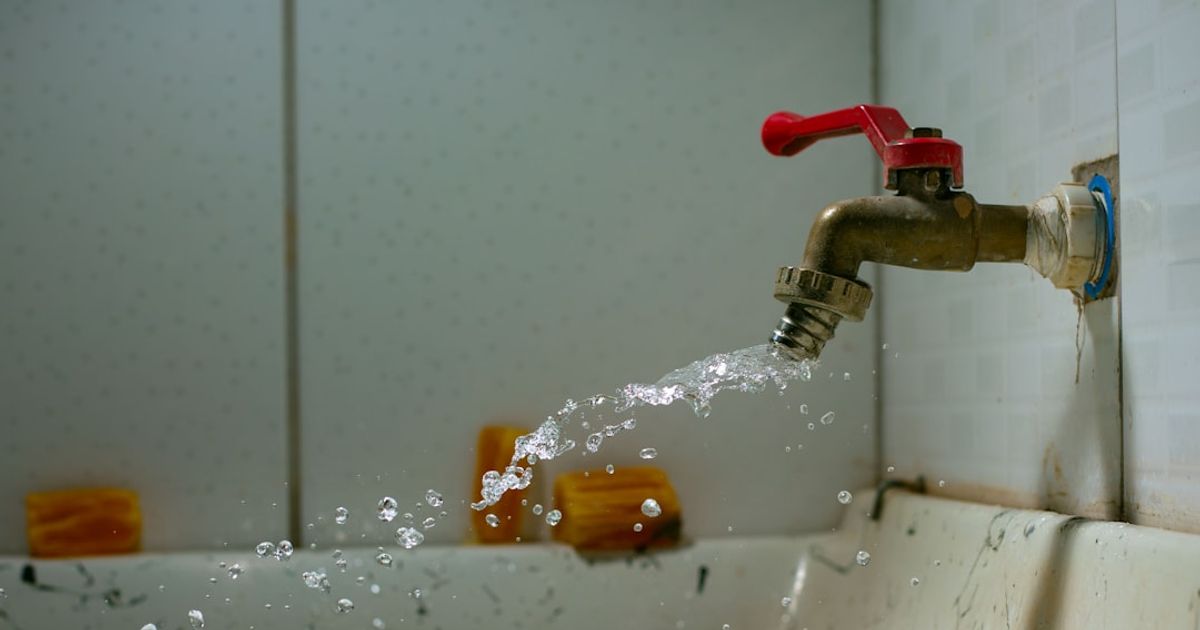
How to Detect Hidden Plumbing Leaks: Professional Detection Methods
Introduction
Hidden plumbing leaks are one of the most insidious problems homeowners face. Unlike obvious burst pipes or overflowing toilets, hidden water leaks can silently damage your home's structure, foundation, and interior for months or even years before you notice the problem. According to the EPA, the average household's leaks can account for nearly 10,000 gallons of wasted water annually, with hidden leaks accounting for a significant portion of that waste.
The challenge with hidden plumbing leaks is that they often occur behind walls, under floors, or in underground supply lines where they're not immediately visible. By the time homeowners discover them, the damage can be extensive and expensive to repair. Water damage restoration alone can cost $7-$10 per square foot, and if structural damage has occurred, costs can escalate dramatically.
This comprehensive guide will teach you how to detect hidden water leaks using professional detection methods that you can employ yourself. You'll learn to recognize the warning signs of hidden leaks, how to check your water meter, and various detection techniques ranging from simple visual inspections to more advanced methods like thermal imaging. Most importantly, you'll understand when it's time to stop investigating and call a professional emergency plumber before the situation worsens. Whether you suspect a leak or want to be proactive about protecting your home, this guide provides the knowledge you need to act quickly and effectively.
The skill level required for these detection methods ranges from beginner (checking your water meter) to intermediate (performing dye tests and thermal inspections). Most of these techniques take 30 minutes to 2 hours to complete, depending on your home's size and the method you choose.
Safety First: Important Warnings and Precautions
Before you begin any leak detection investigation, it's critical to understand the safety considerations involved. While detecting leaks is generally safe, the underlying problems they indicate can pose serious risks to your home and health.
Critical Safety Warnings:
⚠️ Do not attempt to locate leaks in walls or ceilings without professional equipment. Drilling or cutting into walls to investigate suspected leaks can damage hidden electrical wiring, gas lines, or other utilities, creating dangerous hazards.
⚠️ If you smell gas or suspect a gas line leak, evacuate immediately and call your gas company's emergency line. Do not investigate further. Gas leaks are life-threatening emergencies.
⚠️ Mold growth accompanying water leaks can cause serious respiratory issues. If you discover significant mold, avoid prolonged exposure and consider hiring a professional mold remediation company.
⚠️ Electrical hazards exist near water. If you notice water near electrical outlets, switches, or appliances, turn off power to that area at the circuit breaker and do not investigate further.
Personal Protective Equipment (PPE) Needed:
- Work gloves (to protect hands from sharp objects and contaminated water)
- Safety glasses (to protect eyes when looking under sinks or in crawl spaces)
- N95 mask (if investigating in damp areas where mold may be present)
- Flashlight with extra batteries (for visibility in dark spaces)
- Work boots with good traction (for crawl spaces and basements)
When to Stop and Call a Professional Immediately:
Stop your investigation and call an emergency plumber if you encounter:
- Visible mold growth (more than a small spot)
- Water actively dripping or flowing
- Soft or spongy walls or flooring
- A strong musty odor indicating significant moisture
- Structural damage like warped wood or sagging ceilings
- Any situation where you feel unsafe or unsure
Remember, your safety and your home's integrity are more important than trying to save money on a service call. Professional plumbers have the training, insurance, and equipment to handle dangerous situations safely.
Tools and Materials Needed for Leak Detection
The tools required for leak detection vary depending on which methods you plan to use. Here's a complete breakdown of what you might need:
Essential Tools (for basic detection):
- Water meter reader or key ($0-$10) - Used to check your water meter for signs of leaks. Some meters have a small dial that spins when water is flowing.
- Flashlight or headlamp ($15-$40) - Essential for inspecting dark areas like under sinks, in crawl spaces, and basement corners.
- Moisture meter ($30-$100) - Handheld device that detects moisture levels in walls and flooring. Budget options work adequately for basic detection.
- Tape measure ($10-$20) - For documenting the location and size of water stains or damp areas.
- Notebook and pen ($5) - To record findings, measurements, and observations during your investigation.
Dye Test Materials:
- Food coloring or leak detection dye ($5-$15) - Food coloring works for toilet leaks; professional leak detection dye is more visible for other applications.
- Small cups or containers ($0-$5) - For holding dye while performing tests.
- Paper towels ($5) - For cleaning up dye and water during testing.
Advanced Detection Tools (optional):
- Thermal imaging camera ($200-$2,000) - Professional-grade cameras detect temperature differences indicating water presence. Consumer-grade options are available but less reliable.
- Acoustic listening device ($100-$500) - Amplifies sounds of water flowing through pipes, helping locate leaks by sound.
- Pipe tracer or cable locator ($300-$1,000) - Professional tool that traces underground pipes and locates breaks.
Where to Buy These Materials:
- Home improvement stores (Home Depot, Lowe's) - Stock moisture meters, flashlights, and basic detection supplies
- Online retailers (Amazon, eBay) - Widest selection of specialized tools; good for comparing prices
- Plumbing supply shops - Professional-grade tools and expert advice; often more expensive but higher quality
- Rental centers - Many areas have equipment rental shops where you can rent thermal imaging cameras or acoustic devices for $30-$75 per day
Estimated Total Cost:
- Basic detection kit: $50-$150
- With dye testing supplies: $60-$170
- With rented thermal imaging: $80-$245 (including rental)
- Professional detection service: $300-$800 (but includes expert analysis)
For most homeowners, investing in basic tools like a moisture meter and flashlight makes sense if you plan to investigate regularly. For one-time detection, renting advanced equipment or calling a professional is more cost-effective.
Step-by-Step Instructions: How to Detect Hidden Plumbing Leaks
Step 1: Check Your Water Meter for Signs of Leaks
Your water meter is your first line of defense in detecting hidden leaks. This step requires no special equipment beyond your meter reader or a simple pen.
Instructions:
- Locate your water meter. It's typically in a box near the street, in a basement, or on an exterior wall.
- Make note of the current reading. Write down all numbers visible on the meter display.
- Ensure no one in your home uses water for the next 30 minutes. This includes toilets, showers, washing machines, and outdoor faucets.
- Return to the meter and check the reading again. If the number has increased, you have a leak.
- For more definitive results, check the meter's test dial or leak indicator. Many meters have a small triangular or diamond-shaped dial that spins when water flows. If this dial is moving despite no water being used, you definitely have a leak.
- Document your findings with photos of the meter and the readings.
What to Look For:
- Any increase in the meter reading when no water is being used
- Movement of the test dial or leak indicator
- A spinning dial that doesn't stop even when water is turned off at the main shutoff
Pro Tips:
- Perform this test at night when water usage is minimal for the most accurate results
- If you find a leak, note whether it's a small or large increase. A small increase (less than 0.1 gallons per 30 minutes) suggests a minor leak; a large increase suggests a significant leak requiring immediate attention
- Repeat this test weekly if you suspect a leak but haven't found it yet
Step 2: Visually Inspect Your Home for Water Damage Signs
Water stains, discoloration, and other visual clues are often the first indicators of hidden leaks. This step is crucial and requires careful observation.
Instructions:
- Start in your basement or crawl space. Look at all walls, floors, and the underside of joists for water stains, discoloration, or efflorescence (white mineral deposits).
- Move to all bathrooms. Check under sinks, around toilets, and in shower/tub areas. Look for soft spots in flooring or water stains on ceilings below bathrooms.
- Inspect your kitchen, paying special attention to areas under the sink, around the dishwasher, and near the refrigerator (ice maker lines).
- Check laundry room areas, particularly around the washing machine connections and water heater.
- Look at exterior walls for water stains, efflorescence, or mold growth.
- Examine ceilings throughout your home for water stains, sagging, or discoloration.
- Check the attic if accessible. Look for water stains on roof decking or insulation.
- Document all findings with photos and measurements. Mark locations on a home diagram.
What to Look For:
- Water stains (yellow, brown, or dark discoloration)
- Peeling paint or wallpaper
- Soft, spongy drywall or wood
- Mold or mildew growth (dark spots or fuzzy growth)
- Efflorescence (white, chalky deposits on concrete)
- Warped or buckled flooring
- Musty odors
- Visible moisture or dampness
Pro Tips:
- Use a moisture meter to confirm suspected damp areas. Readings above 20% indicate excessive moisture
- Pay special attention to areas directly below plumbing fixtures on upper floors
- Don't ignore small stains—they often indicate slow leaks that have been present for months
Step 3: Use a Moisture Meter to Locate Leak Areas
A moisture meter provides objective data about moisture levels in walls, flooring, and other materials.
Instructions:
- Turn on your moisture meter and allow it to calibrate according to manufacturer instructions.
- Establish a baseline by testing an area you know is dry. This gives you a reference point.
- Test areas where you observed water stains or suspected moisture. Press the meter's pins firmly into the material.
- Document readings for each location. Most meters display readings as a percentage or moisture content number.
- Create a map of your findings, marking areas with high moisture readings.
- Retest areas with elevated readings after 24 hours. Increasing moisture levels suggest an active leak.
What to Look For:
- Readings above 20% indicate concerning moisture levels
- Readings above 30% suggest significant water damage
- Localized high readings (surrounded by normal readings) help pinpoint leak locations
- Increasing readings over time confirm active leaks
Pro Tips:
- Test multiple spots in suspect areas to narrow down the leak location
- Test both sides of walls if possible to determine if the leak is in the wall cavity
- Moisture meters work best on wood and drywall; results on tile or concrete are less reliable
Step 4: Perform Dye Tests for Toilet and Drain Leaks
Dye tests are particularly effective for identifying leaks in toilets and drain lines. Food coloring works well and is inexpensive.
For Toilet Leaks:
- Turn off the water supply to the toilet (valve on the wall behind the toilet).
- Flush the toilet to empty the tank.
- Add 10-15 drops of food coloring to the tank (red or blue is most visible).
- Do not flush. Wait 30 minutes without using the toilet.
- Check the bowl. If colored water appears in the bowl without flushing, the flapper valve is leaking.
- If no color appears, the toilet is not the source of the leak.
For Drain Leaks:
- Place a white container or paper towel under the suspected drain or pipe.
- Add food coloring to the drain or pour it down the pipe you're testing.
- Observe whether the color appears under the pipe. If it does, you've found the leak location.
- This method works best for leaks in visible drain pipes under sinks or in crawl spaces.
What to Look For:
- Colored water in the toilet bowl indicates a tank leak
- Colored water appearing under pipes indicates a drain leak
- The absence of color suggests the leak is elsewhere
Pro Tips:
- Use multiple colors if testing several areas to avoid confusion
- Wear gloves when handling food coloring to avoid staining your hands
- Take photos of results for documentation
Step 5: Check for Leaks at Water Meter and Main Shutoff
Leaks at these critical points can waste significant water and indicate underground pipe damage.
Instructions:
- Locate your water meter and main shutoff valve.
- Inspect all connections for water dripping, seeping, or pooling.
- Check the meter itself for visible cracks or leaks.
- Look at the ground around the meter for wet spots or unusually green grass.
- If you find moisture, use your moisture meter to confirm the location.
- Turn off the main shutoff valve completely and wait 30 minutes.
- Check the meter reading. If it increased despite the shutoff being off, the leak is between the meter and the shutoff.
What to Look For:
- Visible water dripping or flowing
- Wet soil around the meter
- Corrosion or mineral deposits indicating water leakage
- Meter readings increasing even when shutoff is off
Pro Tips:
- These leaks are typically the plumber's responsibility (between the meter and your home), so document findings for your insurance company
- Leaks at the meter often require professional repair and may involve the water utility company
Step 6: Investigate Under Sinks and Around Appliances
These areas contain numerous connections and are common leak locations.
Instructions:
- Open cabinet doors under all sinks in your home.
- Look for water stains, pooled water, or damp materials.
- Feel the pipes with your hand (carefully—they may be hot). Wet pipes indicate active leaks.
- Check connection points where pipes join fixtures. Tighten any loose connections with a wrench (turn clockwise).
- Look at the shut-off valves under sinks. These often develop leaks as they age.
- Inspect the P-trap (the curved pipe section). It should be dry underneath.
- Repeat this process for all water-using appliances: dishwasher, washing machine, water heater, refrigerator (ice maker line).
- Check the area around the water heater for rust, corrosion, or pooled water.
What to Look For:
- Water pooling in the cabinet
- Damp or soft cabinet materials
- Mineral deposits or corrosion on pipes
- Loose connections
- Rust or discoloration on metal pipes
Pro Tips:
- Place a white paper towel under suspect pipes to make small leaks more visible
- Tighten compression fittings (the nuts where pipes connect) by hand first, then add a quarter turn with a wrench
- If tightening doesn't stop the leak, the fitting likely needs replacement
Troubleshooting Common Detection Issues
Problem: Water meter shows a leak, but you can't find any water stains or damp areas.
Solution: The leak is likely in an underground pipe, in a wall cavity, or in the slab foundation. These hidden leaks can be active for months before becoming visible. Your options are: (1) Call a professional leak detection service with acoustic or thermal imaging equipment, (2) Turn off the main water shutoff and monitor your meter over several days to confirm the leak rate, (3) Watch for signs of the leak appearing (water stains, soft spots, dead patches in lawn). Don't ignore this—even slow leaks cause significant water damage over time.
Problem: You found water stains but the meter shows no leak.
Solution: The water stains may be from an old leak that has since stopped, or they could be from condensation, humidity, or other moisture sources. If the stains are old and dry, and your moisture meter readings are normal, the leak has likely resolved. However, if you're still finding new stains, repeat your meter test several times over a week to catch intermittent leaks. Some leaks only occur when specific appliances run or during certain times of day.
Problem: The dye test didn't show any color, but you still suspect a leak.
Solution: The dye may have moved too quickly or been diluted. Repeat the test with more dye and wait longer (up to 1 hour). If still negative, the leak isn't in that specific area. Move on to testing other locations. Remember, dye tests only work for visible or easily accessible pipes.
Problem: You found multiple potential leak locations and don't know which one is the actual problem.
Solution: Prioritize based on severity: active water dripping > visible mold > water stains > high moisture readings. Fix the most obvious leak first, then recheck your meter. If the leak persists, investigate the next location. You may have multiple leaks. This is the point where professional help becomes very valuable—a plumber can often identify the main leak source through experience and equipment.
Problem: The leak location is in a wall or under the foundation.
Solution: Stop investigating and call a professional immediately. These leaks require specialized equipment (acoustic detection, thermal imaging, or pipe tracing) and professional repair. Attempting to locate or fix these yourself risks causing additional damage.
When to Call a Professional Leak Detection Service
Knowing when to stop investigating and bring in professionals is crucial for protecting your home and your wallet. Here are clear signs that professional help is necessary:
Call a Professional If:
- Your water meter confirms a leak, but you can't locate the source after 1-2 hours of investigation. Professional plumbers have acoustic listening devices and thermal imaging cameras that can pinpoint leaks in walls, under concrete slabs, and in underground pipes. These tools are expensive to rent and require training to use effectively.
- You've found water stains or mold growth. While small, isolated stains might be old, significant staining or any mold growth indicates a serious moisture problem. Professionals can assess the extent of damage and recommend appropriate remediation.
- The leak appears to be in a wall cavity or under the foundation. Investigating these areas yourself risks causing additional damage. Professional equipment can locate the exact leak point without destructive investigation.
- You suspect a slab leak (leak in pipes running under your concrete foundation). These leaks require professional detection equipment and specialized repair methods. Ignoring them leads to foundation damage and extremely expensive repairs.
- The leak is in an underground main water line. These require excavation and specialized equipment to locate and repair. This is definitely a professional job.
- You've made repairs but the leak persists. This indicates a more complex problem than initial assessment suggested. Professional diagnosis will identify the real issue.
- Water damage is visible, and you're concerned about structural integrity. Professionals can assess whether structural repairs are needed and coordinate with contractors if necessary.
- You feel unsafe or uncomfortable investigating further. Your safety is paramount. If you're uncertain about anything, call a professional.
What to Expect from a Professional Leak Detection Service:
When you call a professional plumber or specialized leak detection company, here's what typically happens:
- Initial phone consultation ($0-$50): Describe your symptoms, and they'll ask diagnostic questions.
- In-home inspection ($150-$300): A technician visits to visually assess the situation and discuss findings.
- Advanced detection ($200-$600): Using thermal imaging, acoustic devices, or other specialized equipment to locate leaks.
- Full service cost: $300-$800 depending on complexity and equipment used.
While this seems expensive, consider that missing a leak for even a few months can result in water damage costing thousands of dollars. Professional detection is an investment in protecting your home.
How to Prepare for the Professional's Visit:
- Document all your findings with photos and notes
- Have your water meter readings available
- Point out all water stains and damp areas you've found
- Explain the timeline: when you first noticed signs, whether it's getting worse
- Provide information about your home's age and plumbing type
- Make sure they have access to all areas (attic, crawl space, basement)
Prevention: Regular Plumbing Inspections and Maintenance
The best approach to hidden leaks is preventing them from occurring in the first place. Regular maintenance and inspections catch problems before they become emergencies.
Annual Plumbing Inspection Checklist:
Spring Inspection (March-May):
- Check all visible pipes under sinks for leaks or corrosion
- Inspect water heater for rust, corrosion, or pooled water
- Test all shut-off valves to ensure they operate smoothly
- Check basement and crawl space for any water stains or moisture
- Inspect exterior faucets for leaks and damage
- Check for any water damage in the attic
Summer Inspection (June-August):
- Test your water meter reading procedure to ensure you know how to use it
- Check outdoor irrigation systems for leaks
- Inspect washing machine hoses for cracks or bulges
- Look for signs of foundation cracks that might indicate water intrusion
Fall Inspection (September-October):
- Prepare for winter by insulating exposed pipes
- Check all water-using appliances (dishwasher, ice maker) for leaks
- Have your water heater professionally serviced
- Check gutters and downspouts to ensure proper water drainage away from foundation
Winter Inspection (November-February):
- Monitor for frozen pipes in vulnerable areas
- Check for ice dams on the roof that might cause water intrusion
- Watch for unusual water meter readings
- Inspect basement for new water stains or moisture
Maintenance Tasks to Prevent Leaks:
- Replace water heater anode rod every 3-5 years ($50-$150 service) - This prevents rust and extends the heater's life
- Flush the water heater annually ($100-$200 service) - Removes sediment that causes leaks
- Replace washing machine hoses every 5-7 years ($30-$100 DIY, $100-$200 professional) - Hoses are prone to bursting
- Have plumbing inspected before buying a home ($200-$400) - Catches problems early
- Install a water leak detection system ($300-$1,000 installed) - Automatic shutoff systems can prevent catastrophic damage
- Insulate pipes in cold areas ($1-$2 per foot DIY, $200-$500 professional) - Prevents freezing and bursting
- Maintain proper water pressure ($100-$300 for regulator installation if needed) - High pressure (above 80 PSI) stresses pipes and causes leaks
Warning Signs to Watch For Between Inspections:
- Unusually high water bills
- Sound of running water when no fixtures are in use
- Soft spots or spongy areas in flooring
- Persistent musty odors
- Visible mold or mildew
- Water stains on ceilings or walls
- Cracks in foundation or basement walls
- Dead patches in your lawn
- Unusually wet soil around the foundation
If you notice any of these signs, perform the detection steps outlined earlier in this guide. Early detection of leaks can save thousands of dollars in water damage repair costs.
Frequently Asked Questions About Hidden Leak Detection
Q1: What tools do I absolutely need to detect a hidden leak myself?
A: At minimum, you need a flashlight and the ability to read your water meter. These two tools can confirm whether you have a leak. Beyond that, a moisture meter ($30-$100) is highly valuable for pinpointing leak locations. Food coloring costs just a few dollars and helps identify toilet and drain leaks. For most homeowners, these basic tools are sufficient for initial investigation. Advanced tools like thermal imaging cameras or acoustic devices are helpful but not essential for basic detection—they're more cost-effective to rent or have a professional use.
Q2: How long does it typically take to find a hidden leak using these methods?
A: Simple detection (checking your meter and looking for visible water stains) takes 15-30 minutes. More thorough investigation (moisture meter testing, dye tests, checking under appliances) takes 1-2 hours. If you can't locate the leak source after 2 hours of investigation, it's likely in a location requiring professional equipment. Professional leak detection using specialized equipment typically takes 1-3 hours depending on your home's size and complexity.
Q3: My water meter shows a leak, but there's no visible water anywhere. Is this a serious problem?
A: Yes, this requires attention. If your meter shows water usage when no fixtures are running, you have an active leak—even if it's not visible. Small leaks can waste 10,000+ gallons per year. The leak is likely in an underground pipe, wall cavity, or slab foundation where water isn't immediately visible. You should contact a professional for detection using acoustic or thermal imaging equipment. Don't delay—these hidden leaks cause extensive damage over time.
Q4: Can I fix a leak I find myself, or do I always need a plumber?
A: Some leaks are DIY-fixable, while others require professionals. Simple fixes you might handle: tightening loose connection nuts (use a wrench), replacing a leaking toilet flapper ($10-$20), or replacing a leaking P-trap ($20-$50). You should NOT attempt: gas line leaks, main water line leaks, slab leaks, leaks in walls, or water heater repairs. When in doubt, call a professional. The cost of a service call ($150-$300) is far less than the cost of water damage from an improperly repaired leak.
Q5: How much will it cost to fix a hidden leak once I find it?
A: Costs vary dramatically based on the leak's location and type. A simple fix like replacing a shut-off valve costs $100-$300. Repairing a leaking pipe under a sink costs $150-$400. A slab leak repair can cost $1,000-$3,000+. A burst main water line repair might cost $500-$2,500. This is why early detection is so valuable—small leaks are far cheaper to repair than the water damage they cause if left unchecked.
Q6: Should I turn off my main water shutoff if I suspect a leak?
A: Only if the leak is actively causing water damage or you're unable to locate and stop it. Turning off the main shutoff is a temporary measure that prevents further damage but doesn't fix the leak. If you turn it off, you'll need to call a plumber to locate and repair the problem. For small, slow leaks detected on your meter, you don't need to shut off the water—just prioritize getting professional detection and repair.
Q7: What's the difference between a professional leak detection service and a regular plumber?
A: Regular plumbers diagnose and repair leaks, but may not specialize in finding hidden ones. Specialized leak detection companies use advanced equipment (thermal imaging, acoustic devices, pipe tracers) specifically designed to locate leaks without damaging your home. For obvious leaks, a regular plumber is fine. For hidden leaks that you can't locate yourself, a specialized leak detection service is worth the extra cost ($50-$150 more) because they'll find it accurately, saving you from expensive exploratory work.
Conclusion
Detecting hidden plumbing leaks before they cause extensive damage is one of the most important maintenance tasks you can perform as a homeowner. By following the methods outlined in this guide—checking your water meter, looking for visual signs of water damage, using a moisture meter, and performing targeted dye tests—you can identify many leaks yourself and take action quickly.
Remember that while these detection methods are effective for visible or easily accessible leaks, some hidden leaks require professional equipment and expertise. There's no shame in calling a professional when you've exhausted your investigation options. The cost of professional leak detection ($300-$800) is a worthwhile investment compared to the thousands of dollars in water damage that undetected leaks cause.
The key to protecting your home is vigilance. Check your water meter monthly, watch for warning signs like water stains and musty odors, and perform seasonal inspections. When you do find a leak, act quickly. Every day a leak persists adds to the potential damage and future repair costs.
If you discover a leak you can't locate yourself, or if you need professional leak detection services in your area, don't hesitate to reach out to a licensed emergency plumber. They have the tools, training, and experience to find and fix hidden leaks safely and effectively. Your home's structural integrity depends on it.

Frequently Asked Questions
Q:What tools do I absolutely need to detect a hidden leak myself?
A: At minimum, you need a flashlight and the ability to read your water meter. These two tools can confirm whether you have a leak. Beyond that, a moisture meter ($30-$100) is highly valuable for pinpointing leak locations. Food coloring costs just a few dollars and helps identify toilet and drain leaks. For most homeowners, these basic tools are sufficient for initial investigation. Advanced tools like thermal imaging cameras or acoustic devices are helpful but not essential for basic detection—they're more cost-effective to rent or have a professional use.
Q:How long does it typically take to find a hidden leak using these methods?
A: Simple detection (checking your meter and looking for visible water stains) takes 15-30 minutes. More thorough investigation (moisture meter testing, dye tests, checking under appliances) takes 1-2 hours. If you can't locate the leak source after 2 hours of investigation, it's likely in a location requiring professional equipment. Professional leak detection using specialized equipment typically takes 1-3 hours depending on your home's size and complexity.
Q:My water meter shows a leak, but there's no visible water anywhere. Is this a serious problem?
A: Yes, this requires attention. If your meter shows water usage when no fixtures are running, you have an active leak—even if it's not visible. Small leaks can waste 10,000+ gallons per year. The leak is likely in an underground pipe, wall cavity, or slab foundation where water isn't immediately visible. You should contact a professional for detection using acoustic or thermal imaging equipment. Don't delay—these hidden leaks cause extensive damage over time.
Q:Can I fix a leak I find myself, or do I always need a plumber?
A: Some leaks are DIY-fixable, while others require professionals. Simple fixes you might handle: tightening loose connection nuts (use a wrench), replacing a leaking toilet flapper ($10-$20), or replacing a leaking P-trap ($20-$50). You should NOT attempt: gas line leaks, main water line leaks, slab leaks, leaks in walls, or water heater repairs. When in doubt, call a professional. The cost of a service call ($150-$300) is far less than the cost of water damage from an improperly repaired leak.
Q:How much will it cost to fix a hidden leak once I find it?
A: Costs vary dramatically based on the leak's location and type. A simple fix like replacing a shut-off valve costs $100-$300. Repairing a leaking pipe under a sink costs $150-$400. A slab leak repair can cost $1,000-$3,000+. A burst main water line repair might cost $500-$2,500. This is why early detection is so valuable—small leaks are far cheaper to repair than the water damage they cause if left unchecked.
Q:Should I turn off my main water shutoff if I suspect a leak?
A: Only if the leak is actively causing water damage or you're unable to locate and stop it. Turning off the main shutoff is a temporary measure that prevents further damage but doesn't fix the leak. If you turn it off, you'll need to call a plumber to locate and repair the problem. For small, slow leaks detected on your meter, you don't need to shut off the water—just prioritize getting professional detection and repair.
Q:What's the difference between a professional leak detection service and a regular plumber?
A: Regular plumbers diagnose and repair leaks, but may not specialize in finding hidden ones. Specialized leak detection companies use advanced equipment (thermal imaging, acoustic devices, pipe tracers) specifically designed to locate leaks without damaging your home. For obvious leaks, a regular plumber is fine. For hidden leaks that you can't locate yourself, a specialized leak detection service is worth the extra cost ($50-$150 more) because they'll find it accurately, saving you from expensive exploratory work.