
How to Handle Common Plumbing Emergencies: A Step-by-Step Guide

How to Handle Common Plumbing Emergencies: A Step-by-Step Guide
Introduction
Plumbing emergencies don't wait for business hours. Whether it's 2 AM on a Sunday or the middle of a holiday weekend, a burst pipe, overflowing toilet, or sudden water leak can turn your home into a disaster zone within minutes. The average water damage restoration costs between $7,000 and $10,000, making quick action essential to minimize damage and protect your property.
This comprehensive guide will walk you through handling the most common plumbing emergencies that homeowners face. You don't need to be a licensed plumber to take immediate action that prevents catastrophic water damage. With the right knowledge, tools, and safety precautions, you can stabilize the situation until a professional emergency plumber arrives or until you're ready to tackle the repair yourself.
This guide applies to homeowners of all skill levels, from complete beginners to those with some DIY experience. Most of the emergency response steps require only basic tools you likely already have at home. We'll cover situations that are manageable for homeowners, while clearly identifying when you absolutely must call a professional. The time estimate for most emergency response procedures is 15-30 minutes, though some repairs may take longer.
Understanding how to respond to plumbing emergencies gives you peace of mind and can save you thousands of dollars in water damage restoration costs. Let's explore the essential knowledge every homeowner needs.
Safety First: Critical Warnings and Precautions
Before attempting any plumbing repair or emergency response, safety must be your top priority. Plumbing systems involve water under pressure, potential electrical hazards, and sometimes toxic materials. Ignoring safety protocols can result in serious injury or property damage.
Critical Warnings – Stop and Call a Professional Immediately If:
- You smell gas near your water heater or anywhere in your home. Gas leaks are life-threatening emergencies. Leave your home immediately and call your gas company's emergency line from outside.
- You see water near electrical outlets, appliances, or your electrical panel. This creates electrocution hazards. Turn off the main electrical breaker if you can do so safely, then call an emergency plumber.
- You notice sewage backing up into your home or smell strong sewage odors in multiple drains. This indicates a main sewer line problem requiring professional equipment.
- Your water heater is leaking and you smell a rotten egg odor. This suggests a failed anode rod or serious internal corrosion. Don't attempt repairs.
- You have a burst pipe inside a wall or ceiling and water is actively spraying. This requires immediate professional attention to prevent structural damage.
Personal Protective Equipment (PPE) You'll Need:
Before touching anything, gather protective gear. Wear rubber gloves to protect against bacteria and chemicals. Safety glasses prevent water and debris from splashing into your eyes. A dust mask is essential when working under sinks or in crawl spaces where mold or dust may be present. For more serious situations, wear steel-toed boots to protect your feet from heavy pipes or tools.
Water Shutoff Knowledge:
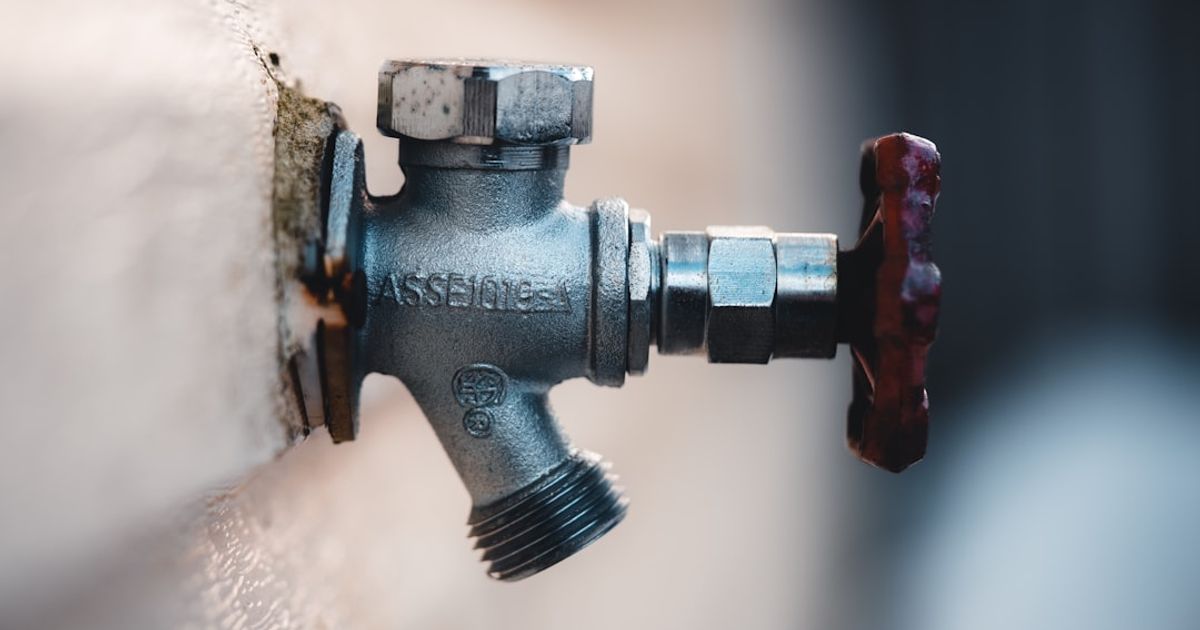
The most important safety action is knowing how to shut off your water immediately. Locate your main water shutoff valve—typically found where the water line enters your home, either in the basement, crawl space, or outside near the foundation. Turn the valve clockwise to shut off water flow. Practice this before an emergency so you can do it quickly under stress. If you have an exterior shutoff, mark its location clearly so you can find it in the dark.
Tools and Materials You'll Need
Having the right tools on hand transforms a stressful emergency into a manageable situation. Most of these items are inexpensive and should be part of every homeowner's toolkit. You don't need professional-grade equipment to handle basic emergencies.
Essential Emergency Tools:
Adjustable wrench ($15-25): This single tool handles most plumbing connections. Get a 10-inch adjustable wrench that fits various bolt sizes. Keep it accessible in a kitchen drawer or bathroom cabinet.
Plunger ($10-20): Every home needs at least two plungers—a cup plunger for sinks and a flange plunger for toilets. The flange plunger has an extended rubber piece that fits into toilet drain openings. Quality matters here; cheap plungers don't create proper suction.
Pipe wrench ($20-40): This specialized wrench grips round pipes securely. A 14-inch pipe wrench handles most residential pipes. It's essential for shutting off water valves and tightening connections.
Bucket ($5-15): Keep a 5-gallon bucket under suspected leaks to catch water and help you locate the source. Multiple buckets are helpful for serious leaks.
Flashlight or headlamp ($15-30): Most plumbing emergencies happen in dark basements or under sinks. A hands-free headlamp is invaluable since you'll need both hands free.
Towels and rags ($0): Gather old towels to absorb water and protect your floors. Keep a stack under your sink specifically for plumbing emergencies.
Duct tape and plumber's tape ($10-20): Temporary waterproof solutions while you arrange professional repairs. Duct tape works for emergency pipe wrapping; plumber's tape (PTFE tape) seals threaded connections.
Helpful Additional Materials:
Pipe repair clamp ($15-30): These mechanical clamps temporarily seal small leaks in pipes. Keep one sized for your main water line diameter.
Plunger helper or wet/dry vacuum ($30-100): A wet/dry shop vacuum can remove standing water quickly, preventing mold growth and damage.
Pipe dope or plumber's grease ($8-15): This lubricant helps loosen stuck connections and prevents leaks when reassembling pipes.
Replacement washers and gaskets ($5-10): Keep assorted sizes on hand for faucet repairs. These inexpensive items prevent many common leaks.
Cost Estimates for a Basic Emergency Kit:
You can assemble a complete emergency plumbing kit for $100-150. This investment pays for itself with the first professional emergency call you avoid. Many homeowners spend $150-300 just for the emergency service call fee, making DIY prevention and initial response highly worthwhile.
Step-by-Step Emergency Response Procedures
Step 1: Locate and Shut Off Your Water Supply Immediately
Your first action in any plumbing emergency is stopping water flow. Every second counts when water is actively leaking or spraying. Sprint to your main water shutoff valve—the location you identified earlier—and turn it clockwise until it stops. You'll feel resistance when the valve is fully closed.
What to look for: The shutoff valve should have a handle (either a lever or knob). If it won't turn or feels stuck, don't force it. Gently wiggle it back and forth while applying steady pressure. If it's truly stuck, you may need to call a professional, but most valves move with firm but gentle pressure.
Pro Tip: If you have an older home with a stuck main valve, consider installing a modern ball valve next to it. This gives you a backup shutoff point and costs only $50-100 to install professionally.
Step 2: Assess the Situation and Locate the Leak Source
Once water flow is stopped, take a moment to assess what you're dealing with. Is water actively spraying from a visible pipe? Is it dripping from a connection? Is it pooling under a sink or in your basement? Understanding the leak source determines your next steps.
What to look for: Trace the water to its source. Is it coming from a supply line (the pipes bringing water in) or a drain line (pipes carrying water out)? Supply line leaks are typically under pressure and spray or gush. Drain line leaks are usually slower and more contained. The location matters—leaks under sinks are often accessible and fixable, while leaks inside walls require professional help.
Pro Tip: Take photos of the leak location and any damage. Your insurance company will need documentation, and photos help a professional plumber understand the situation before arriving.
Step 3: For Visible Pipe Leaks: Apply a Temporary Seal
If you've located a small leak in a visible pipe, you can apply a temporary fix while waiting for professional help or before making permanent repairs. This prevents continued water damage.
For pinhole leaks or small cracks:
- Dry the area completely with towels. Water prevents tape and sealants from adhering properly.
- Wrap the damaged section tightly with plumber's tape (PTFE tape), overlapping each wrap by half the tape width. Make 10-15 wraps around the pipe.
- For extra security, wrap duct tape over the plumber's tape in the same overlapping pattern.
- Test by slowly turning water back on and observing the repair. If it holds, you've bought time. If water still leaks, turn water back off and call a professional.
For larger cracks or split pipes:
- Dry the area thoroughly.
- Install a pipe repair clamp by positioning it over the damaged section.
- Tighten the clamp bolts evenly—don't over-tighten, which can crack the pipe further.
- Slowly turn water back on and check for leaks.
Pro Tip: These temporary repairs typically last 24-48 hours. They're emergency measures, not permanent solutions. Plan to make a proper repair or call a professional soon after.
Step 4: For Burst Pipes or Major Leaks: Isolate the Section
If an entire section of pipe has burst or is spraying water uncontrollably, you need to isolate that specific section rather than shutting off the entire house.
Step-by-step isolation:
- Identify the shutoff valve for that specific area. Most bathrooms have shutoff valves under the sink or behind the toilet. Kitchens have shutoff valves under the sink.
- Turn the shutoff valve clockwise until tight. You'll feel clear resistance when it's fully closed.
- If no local shutoff exists, you'll need to shut off the main water supply and then call a professional to install local shutoff valves.
- Open the faucet in that area to release remaining pressure in the line.
- Place buckets under the leak to catch remaining water.
What to look for: Some valves are stiff if they haven't been used recently. Apply steady, firm pressure without jerking. If a valve won't budge after 30 seconds of pressure, stop trying—forcing it can break the valve, requiring professional replacement.
Pro Tip: Test your local shutoff valves monthly by turning them slightly. This keeps them from seizing and ensures they work in emergencies.
Step 5: For Overflowing Toilets: Stop the Water Flow
Toilet overflows are among the most common plumbing emergencies. Act quickly to prevent sewage backup and water damage.
Immediate response:
- Do NOT flush the toilet again. This adds more water to an already overflowing situation.
- Locate the shutoff valve behind the toilet (typically on the wall or floor). Turn it clockwise until tight.
- If there's no shutoff valve, reach into the tank and lift the float ball or cup to stop water from entering the bowl.
- Remove the toilet tank lid carefully and set it on a towel where it won't break.
- Locate the fill valve (the mechanism that refills the tank) and lift the float to stop water flow.
For a clogged toilet:
- Use a flange plunger (the one with the extended rubber piece) to create a seal in the bowl opening.
- Push down and pull up vigorously 15-20 times, maintaining the seal.
- Check if water drains. If yes, flush carefully and watch to ensure it drains completely.
- If the plunger doesn't work, stop attempting it—you may have a main line clog requiring professional equipment.
What to look for: If water is brown or has a sewage odor, you have a sewer line problem, not just a toilet clog. Stop immediately and call a professional.
Pro Tip: Keep a plunger specifically for toilets (not the same one you use for sinks) to avoid spreading bacteria.
Step 6: For Faucet Leaks: Tighten or Replace the Aerator
Small faucet leaks are often the easiest DIY fix and can save significant water waste.
To tighten or replace the aerator:
- Locate the aerator—the screen-like piece at the faucet tip where water flows out.
- Unscrew it by turning counterclockwise. You may need an adjustable wrench for a tight fit.
- Examine the aerator for debris, mineral buildup, or damage. If it's clogged with sediment, soak it in white vinegar for 30 minutes to dissolve mineral deposits.
- Rinse the aerator thoroughly under running water.
- Screw it back on by turning clockwise until snug. Don't over-tighten, which can crack the aerator.
- Test the faucet for leaks.
If the leak persists:
- Turn off the water supply under the sink.
- Use an adjustable wrench to loosen the packing nut (the hexagonal nut where the faucet handle connects to the spout).
- Tighten it by turning clockwise. A quarter-turn often stops the leak.
- Turn water back on and test.
Pro Tip: If tightening the packing nut doesn't work, the internal seals need replacement—a job worth calling a professional for, as it requires specific tools and expertise.
Troubleshooting Common Issues
What If Water Still Leaks After Shutting Off the Main Valve?
This is unusual but possible. It means water is still in the pipes between your shutoff valve and the leak. Open all faucets in your home to release this remaining pressure. Start with the highest faucets (upstairs bathrooms) and work downward. This allows air into the pipes as water drains out, releasing pressure. Once all faucets run dry, the leak should stop. If water continues flowing after all faucets are open, you may have a leak in the main line itself—call a professional immediately.
What If the Temporary Repair Fails Quickly?
Temporary fixes sometimes fail within hours if the damage is more severe than initially apparent. If your tape or clamp repair starts leaking again, shut off water immediately and reassess. The pipe damage may be larger than visible. Duct tape and plumber's tape work best on small, clean surfaces. If the pipe is corroded, wet, or has rough edges, these materials won't adhere properly. In this case, a pipe repair clamp is more effective, or you need professional help.
What If I Can't Locate the Main Water Shutoff Valve?
Don't panic—most homes have a shutoff valve, but it may be hidden. Check these locations: basement or crawl space near the foundation where the main water line enters, exterior wall near the water meter, under the kitchen sink, in a utility closet, or in an attic (in warm climates). If you still can't find it, call your water company's non-emergency line—they can tell you the exact location. In the meantime, shut off water at individual fixtures using their local shutoff valves.
What If Multiple Drains Are Backing Up?
This indicates a main sewer line clog, not a simple drain problem. Stop using water immediately—flushing toilets or running sinks adds more water to the backup. Call a professional emergency plumber. They have specialized equipment (like drain cameras and hydro-jets) to diagnose and clear main line clogs. This is definitely not a DIY situation.
What If Water Is Coming from the Water Heater?
Water heater leaks require immediate attention but are usually not emergency-level urgent. Shut off the water supply valve at the top of the water heater (turn clockwise). If you smell rotten eggs or see rust, the water heater has failed internally and needs replacement. If it's just leaking from a connection, you might tighten the connection with a wrench. However, water heater repair and replacement should usually be handled by professionals due to gas/electrical hazards and code requirements.
What If the Leak Is Inside a Wall or Ceiling?
You likely cannot fix this yourself. Water inside walls causes hidden mold growth and structural damage. Turn off the main water supply immediately. Call a professional plumber and your homeowner's insurance company. The plumber will use moisture detection equipment to locate the exact leak point, which may require cutting into walls. Insurance may cover the damage if the leak is sudden and accidental rather than from lack of maintenance.
When to Call a Professional Emergency Plumber
Knowing your limits is crucial. Some situations are beyond safe DIY handling and require professional expertise, specialized equipment, and licensing. Attempting complex repairs can void your homeowner's insurance, violate building codes, and create dangerous situations.
Always Call a Professional For:
Main water line problems: If water is leaking from the main line entering your home, you need professional help. These repairs often require digging, specialized equipment, and permits. Costs range from $500-$3,500 depending on severity and location.
Sewer line issues: Backed-up sewage, multiple slow drains, or sewage odors indicate sewer line problems. Professional plumbers use camera inspection and hydro-jetting equipment. Repairs cost $1,000-$8,000 depending on the problem.
Water heater problems: Gas water heaters involve gas line safety concerns. Electric water heaters involve electrical hazards. Even simple replacements require permits in most areas. Professionals have the proper licensing and insurance. Replacement costs $800-$3,000.
Burst pipes inside walls or ceilings: These require professional detection equipment, wall cutting, and proper repair. Attempting DIY fixes can worsen structural damage.
Gas-related issues: Any smell of gas near plumbing or water heater requires immediate professional attention. Gas leaks are life-threatening.
Persistent leaks after DIY attempts: If your temporary repair fails or the problem worsens, don't keep trying. Call a professional. You may cause additional damage.
Frozen pipes: While some can be thawed with heat, frozen pipes often indicate deeper problems. Professional plumbers can thaw safely and prevent bursting.
How to Explain the Problem to a Plumber:
When you call, provide specific information: "I have a leak under my kitchen sink that started at 3 PM. I've shut off the water and placed a bucket under it. The water is clear, not brown, so it's not a sewer issue." This helps the plumber prepare appropriate tools and estimate arrival time. Mention any temporary repairs you've attempted—plumbers need to know what they're working with.
Emergency Service Costs:
Emergency plumbing services typically cost $150-$300 for the service call alone, plus hourly rates of $75-$200 depending on your location and time of day. Weekend and holiday surcharges add $50-$150. Getting 3 quotes for non-emergency work is wise, but during true emergencies, focus on stopping the damage first and comparing quotes later.
Prevention Tips: Avoiding Future Emergencies
The best plumbing emergency is the one that never happens. Regular maintenance and awareness prevent most common problems.
Monthly Maintenance Tasks:
Inspect under sinks: Look for water stains, corrosion, or drips. Catch leaks early before they cause damage. Check both supply lines and drain pipes.
Test shutoff valves: Turn each one slightly to ensure they work smoothly. Stuck valves are useless in emergencies. If a valve won't move, have a plumber service it.
Check water heater: Look for rust, corrosion, or water pooling around the base. Listen for unusual noises like popping or rumbling, which indicate sediment buildup.
Inspect visible pipes: Look for corrosion (green or white deposits on copper), pinhole leaks, or water stains. These are early warning signs.
Seasonal Prevention:
Winter: Insulate exposed pipes in crawl spaces and basements. Drip faucets during freezing temperatures to prevent pressure buildup in frozen pipes. Open cabinet doors under sinks to allow warm air circulation. Disconnect outdoor hoses and shut off exterior water valves.
Spring: After winter, check for burst pipes or freeze damage. Have your sump pump inspected before the rainy season. Check for water intrusion in basements or crawl spaces.
Summer: Have your water heater serviced before peak usage season. Check outdoor faucets and sprinkler systems for leaks. Ensure gutters and downspouts direct water away from your foundation.
Fall: Have your water heater inspected and flushed to remove sediment. Check all shutoff valves before winter. Inspect the roof for damage that could cause water intrusion.
Warning Signs to Watch For:
Brown or discolored water indicates rust in pipes or water heater problems. Low water pressure suggests mineral buildup or hidden leaks. Slow drains in multiple fixtures indicate main line clogs. Wet spots in your yard may indicate underground pipe leaks. Sewage odors suggest sewer line problems. Unusually high water bills often indicate hidden leaks.
Professional Maintenance Schedule:
Have a professional plumber inspect your entire system every 2-3 years. Annual inspection of water heaters extends their lifespan. Drain cleaning every 1-2 years prevents major clogs. These preventive services cost $150-$300 annually but prevent emergencies costing thousands.
Frequently Asked Questions
What tools do I absolutely need to have on hand for plumbing emergencies?
The essential tools every homeowner needs are an adjustable wrench, a plunger (both cup and flange styles), a pipe wrench, flashlight, towels, and duct tape. These six items handle 80% of common plumbing emergencies. You should also know the location of your main water shutoff valve—this is more important than any tool. Practice shutting it off before an emergency occurs. Additional helpful items include a bucket for catching water, plumber's tape, and a pipe repair clamp. You can assemble a complete emergency kit for $100-150, which is far less than a single professional emergency call.
How long does it typically take to fix common plumbing problems myself?
Simple fixes like tightening a leaking connection or replacing a faucet aerator take 5-15 minutes. Stopping an overflowing toilet takes 10-20 minutes. Applying a temporary seal to a small pipe leak takes 15-30 minutes. More complex tasks like replacing a P-trap or unclogging a drain with a plunger might take 30-45 minutes. However, these times assume you have the right tools and know what you're doing. If you're unfamiliar with plumbing, add 50% to these estimates. Remember that emergency response (shutting off water, locating the problem) should take only 15-30 minutes regardless of the fix complexity.
When should I stop attempting a DIY fix and call a professional plumber?
Stop immediately if you smell gas, see water near electrical outlets, or encounter sewage backup. Stop if a temporary repair fails within hours—this indicates a more serious problem. Stop if you need to cut into walls or ceilings, work with gas lines, or work on your water heater. Stop if the problem involves the main water line, sewer line, or underground pipes. Stop if you've spent more than 45 minutes attempting a fix without success. Stop if you're uncomfortable or uncertain at any point. Remember that attempting complex repairs can void your homeowner's insurance and violate building codes. When in doubt, call a professional. The cost of a service call ($150-300) is far less than the cost of water damage ($7,000-10,000) or improper repairs requiring professional correction.
Why is my water bill suddenly very high, and what should I do?
A sudden increase in your water bill usually indicates a hidden leak. Check for obvious leaks under sinks, around the water heater, and in the basement. Look for wet spots in your yard or unusually green patches of grass. Listen for running water sounds when all faucets are off. If you can't locate a visible leak, you likely have an underground leak or a leak inside a wall. Call a professional plumber with leak detection equipment. They use moisture sensors and acoustic listening devices to locate hidden leaks. Costs for leak detection run $150-300, but finding and fixing a leak quickly saves thousands in water bills and damage.
What's the difference between a plumbing emergency and a regular plumbing problem?
A plumbing emergency involves active water damage or safety hazards. Burst pipes, overflowing toilets, sewage backups, and water heater leaks are emergencies because they cause immediate damage. A regular plumbing problem is something inconvenient but not causing active damage—a slow drip, a running toilet, or a clogged drain that's manageable. Emergencies require immediate response, often 24/7 professional service. Regular problems can wait for business hours and standard pricing. However, a slow leak can become an emergency if ignored. A regular clogged drain can become an emergency if it backs up sewage. Addressing regular problems promptly prevents them from becoming emergencies.
How much does an emergency plumber typically cost, and how can I save money?
Emergency plumbing service calls cost $150-$300 just for the call, plus hourly rates of $75-$200 depending on your location and time of day. Weekend and holiday surcharges add $50-$150. A simple 30-minute repair might total $250-500, while complex repairs easily exceed $1,000. To save money, handle simple fixes yourself before calling a professional. Learn to shut off water and locate shutoff valves. Maintain your system regularly to prevent emergencies. For non-emergency work, get three quotes and compare prices. Some plumbers offer discounts for multiple repairs or off-season work. Ask about service plans that include annual inspections at reduced rates.
Can I use chemical drain cleaners for clogged drains, or should I use a plunger?
Chemical drain cleaners are generally not recommended. They're caustic, dangerous if you spill them on skin, and often ineffective on serious clogs. They can damage older pipes and create hazardous fumes. A plunger is safer and often more effective. For a clogged sink, fill the sink with a few inches of water, seal the overflow hole if present, and plunge vigorously 15-20 times. For a clogged toilet, use a flange plunger with the same technique. If plunging doesn't work, try a plumbing snake—a flexible auger that breaks up clogs. If the clog is in the main line, stop attempting fixes and call a professional. They have hydro-jetting equipment that safely clears clogs without chemicals or pipe damage.
Conclusion
Plumbing emergencies are stressful, but you now have the knowledge to respond effectively and minimize damage. Remember these critical points: immediately shut off your water supply, locate the problem source, apply temporary fixes if appropriate, and call a professional when necessary. The most important tool you possess is knowledge—knowing where your main shutoff valve is located and how to use it can save thousands in water damage.
Most common plumbing emergencies are manageable with basic tools and calm thinking. Overflowing toilets, minor leaks, and simple drain clogs are well within homeowner capability. However, recognize your limits. Main line problems, sewer issues, water heater failures, and gas-related concerns require professional expertise and equipment.
Prevent future emergencies through regular maintenance. Test your shutoff valves monthly, inspect under sinks regularly, and address small problems before they become large ones. An annual professional inspection costs $150-300 but prevents emergencies costing thousands.
When you do need professional help, you're prepared. You've stopped the immediate damage, documented the problem, and can clearly explain the situation. This speeds up professional response and often reduces costs.
Emergency plumbing situations are never convenient, but they're manageable. With this guide, you have the knowledge, tools, and confidence to handle most common plumbing emergencies safely and effectively. Stay calm, act quickly, and don't hesitate to call a professional when the situation exceeds your comfort level. Your home and safety are worth the investment.
Find trusted emergency plumbers in your area today and save their contact information in your phone. When emergencies strike, you'll be prepared with both knowledge and professional backup. Plumbing problems don't have to become catastrophes—you have the power to minimize damage and protect your home.

Frequently Asked Questions
Q:What tools do I absolutely need to have on hand for plumbing emergencies?
A: The essential tools every homeowner needs are an adjustable wrench, a plunger (both cup and flange styles), a pipe wrench, flashlight, towels, and duct tape. These six items handle 80% of common plumbing emergencies. You should also know the location of your main water shutoff valve—this is more important than any tool. Practice shutting it off before an emergency occurs. Additional helpful items include a bucket for catching water, plumber's tape, and a pipe repair clamp. You can assemble a complete emergency kit for $100-150, which is far less than a single professional emergency call.
Q:How long does it typically take to fix common plumbing problems myself?
A: Simple fixes like tightening a leaking connection or replacing a faucet aerator take 5-15 minutes. Stopping an overflowing toilet takes 10-20 minutes. Applying a temporary seal to a small pipe leak takes 15-30 minutes. More complex tasks like replacing a P-trap or unclogging a drain with a plunger might take 30-45 minutes. However, these times assume you have the right tools and know what you're doing. If you're unfamiliar with plumbing, add 50% to these estimates. Remember that emergency response (shutting off water, locating the problem) should take only 15-30 minutes regardless of the fix complexity.
Q:When should I stop attempting a DIY fix and call a professional plumber?
A: Stop immediately if you smell gas, see water near electrical outlets, or encounter sewage backup. Stop if a temporary repair fails within hours—this indicates a more serious problem. Stop if you need to cut into walls or ceilings, work with gas lines, or work on your water heater. Stop if the problem involves the main water line, sewer line, or underground pipes. Stop if you've spent more than 45 minutes attempting a fix without success. Stop if you're uncomfortable or uncertain at any point. Remember that attempting complex repairs can void your homeowner's insurance and violate building codes. When in doubt, call a professional.
Q:Why is my water bill suddenly very high, and what should I do?
A: A sudden increase in your water bill usually indicates a hidden leak. Check for obvious leaks under sinks, around the water heater, and in the basement. Look for wet spots in your yard or unusually green patches of grass. Listen for running water sounds when all faucets are off. If you can't locate a visible leak, you likely have an underground leak or a leak inside a wall. Call a professional plumber with leak detection equipment. They use moisture sensors and acoustic listening devices to locate hidden leaks. Costs for leak detection run $150-300, but finding and fixing a leak quickly saves thousands in water bills and damage.
Q:What's the difference between a plumbing emergency and a regular plumbing problem?
A: A plumbing emergency involves active water damage or safety hazards. Burst pipes, overflowing toilets, sewage backups, and water heater leaks are emergencies because they cause immediate damage. A regular plumbing problem is something inconvenient but not causing active damage—a slow drip, a running toilet, or a clogged drain that's manageable. Emergencies require immediate response, often 24/7 professional service. Regular problems can wait for business hours and standard pricing. However, a slow leak can become an emergency if ignored. A regular clogged drain can become an emergency if it backs up sewage.
Q:How much does an emergency plumber typically cost, and how can I save money?
A: Emergency plumbing service calls cost $150-$300 just for the call, plus hourly rates of $75-$200 depending on your location and time of day. Weekend and holiday surcharges add $50-$150. A simple 30-minute repair might total $250-500, while complex repairs easily exceed $1,000. To save money, handle simple fixes yourself before calling a professional. Learn to shut off water and locate shutoff valves. Maintain your system regularly to prevent emergencies. For non-emergency work, get three quotes and compare prices. Some plumbers offer discounts for multiple repairs or off-season work. Ask about service plans that include annual inspections at reduced rates.
Q:Can I use chemical drain cleaners for clogged drains, or should I use a plunger?
A: Chemical drain cleaners are generally not recommended. They're caustic, dangerous if you spill them on skin, and often ineffective on serious clogs. They can damage older pipes and create hazardous fumes. A plunger is safer and often more effective. For a clogged sink, fill the sink with a few inches of water, seal the overflow hole if present, and plunge vigorously 15-20 times. For a clogged toilet, use a flange plunger with the same technique. If plunging doesn't work, try a plumbing snake—a flexible auger that breaks up clogs. If the clog is in the main line, stop attempting fixes and call a professional.