
How to Identify a Plumbing Leak Before Major Damage Occurs

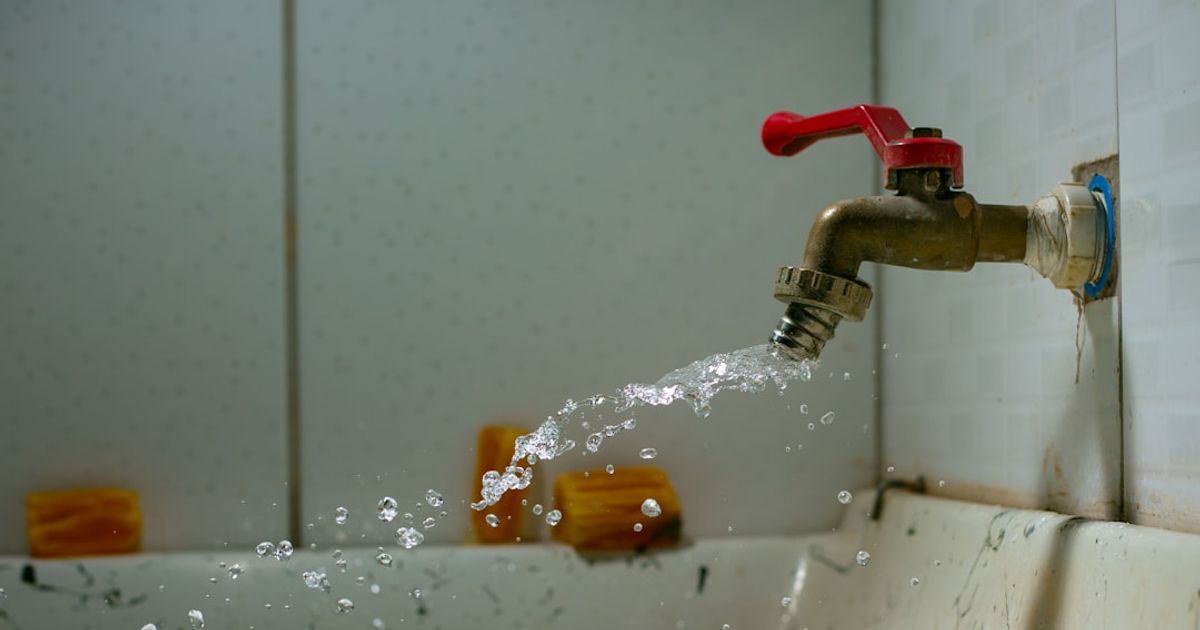
How to Identify a Plumbing Leak Before Major Damage Occurs
Introduction
Water leaks are one of the most insidious problems homeowners face. Unlike a burst pipe that announces itself dramatically, many leaks develop silently behind walls, under floors, and in crawl spaces—causing thousands of dollars in damage before you even realize there's a problem. The average household loses approximately 10,000 gallons of water annually due to leaks, according to the EPA. That's equivalent to the water needed to fill an Olympic swimming pool.
This comprehensive guide will teach you how to identify a plumbing leak before major damage occurs. Whether you suspect a hidden leak or want to perform preventive maintenance on your home's plumbing system, you'll learn practical, actionable techniques that any homeowner can use. By catching leaks early, you can avoid costly water damage repairs, reduce your water bills, and protect your home's structural integrity.
This guide is designed for homeowners of all skill levels. You don't need to be a licensed plumber to detect most common leaks—just patience, attention to detail, and the right knowledge. Most leak detection can be completed in 30 minutes to 2 hours, depending on your home's size and the leak's location. By the end of this guide, you'll understand when you can handle detection yourself and when it's time to call a professional plumber.
Safety First: Important Warnings and Precautions
Before you begin any leak detection investigation, it's crucial to understand the safety considerations involved. While leak detection itself is relatively safe, certain situations require immediate professional attention.
Critical Safety Warnings:
- Stop immediately if you suspect a gas leak. If you notice a rotten egg smell (mercaptan, added to natural gas), evacuate your home and call your gas company's emergency line. Never investigate gas leaks yourself—they can cause explosions and carbon monoxide poisoning.
- Do not enter standing water if there's been recent flooding or sewage backup. Contaminated water can carry dangerous pathogens. Wear protective equipment or call a professional remediation company.
- Avoid electrical hazards. If water is near electrical outlets, panels, or appliances, turn off power to that area at the circuit breaker before investigating. Never mix water and electricity.
- Be cautious in crawl spaces and attics. These areas may contain mold, asbestos (in older homes), or unstable structures. Use proper lighting, wear a dust mask, and ensure adequate ventilation.
- Do not attempt to repair active leaks yourself if they're causing water to spray or if the leak is near gas lines, electrical systems, or structural supports.
Personal Protective Equipment (PPE) You May Need:
- Flashlight or headlamp (essential for dark crawl spaces and under-sink areas)
- Work gloves (latex or nitrile for protection when touching wet materials)
- Dust mask or N95 respirator (if investigating moldy areas)
- Safety glasses (to protect eyes from debris or water splashes)
- Rubber boots (if investigating wet areas or potential contamination)
When to Stop and Call a Professional:
If you encounter any of these situations, stop your investigation and call a licensed plumber immediately: active water spraying or gushing, leaks near the main water line, suspected slab leaks (leaks under your home's foundation), leaks in walls that require cutting into drywall, mold growth covering large areas, or any situation making you uncomfortable or unsafe.
Tools and Materials Needed for Leak Detection
The good news about leak detection is that you likely already own most of the tools needed. Unlike plumbing repairs, detection requires observation and measurement rather than complex equipment. Here's a complete list of what you'll need:
Essential Tools (Free or Likely Already Owned):
- Flashlight or headlamp ($15-40): Essential for examining dark areas under sinks, in crawl spaces, and behind appliances. A headlamp leaves your hands free for investigation.
- Notepad and pen ($2-5): Document what you find, including location, type of leak, and severity. This information helps plumbers diagnose problems quickly.
- Measuring tape ($8-15): Useful for measuring water stains and determining leak size and location.
- Towels or rags ($0-10): For wiping away water to see the source more clearly and for drying areas you've examined.
- Bucket ($5-20): Useful for catching drips to measure leak rate and to place under active leaks to prevent further damage.
- Smartphone camera ($0): Take photos of leaks, water stains, and damage for documentation and to show a plumber.
Optional but Helpful Tools:
- Moisture meter ($20-60): Detects moisture in drywall, wood, and other materials. Helps identify hidden leaks behind walls. Brands like Extech and Tramex are reliable.
- Thermal imaging camera ($200-400): Professional-grade tool that detects temperature differences indicating water presence. Many plumbers have these; you can also rent them.
- Food coloring or dye tablets ($3-8): Helps trace water flow and identify leak sources in drains and toilets.
- Pipe insulation tape ($5-15): Useful for temporarily marking suspect pipes.
- Borescope or inspection camera ($30-100): Small camera on a flexible wire allows you to see inside walls and tight spaces.
Where to Buy These Tools:
Most tools are available at home improvement stores (Home Depot, Lowe's), online retailers (Amazon), or general retailers (Walmart, Target). Moisture meters and inspection cameras can be rented from tool rental centers for $10-20 per day if you don't want to purchase them.
Estimated Total Cost:
If you own basic tools like a flashlight and measuring tape, you can perform leak detection with zero additional cost. If you need to purchase everything, expect to spend $30-60 for essential items, or $150-300 if you want to add moisture meters and inspection cameras.
Visual Signs of Water Leaks Inside Your Home
The most obvious leaks are the ones you can see. Water stains, discoloration, and visible moisture are your home's way of telling you something's wrong. Learning to recognize these visual signs is the first step in early leak detection.
Water Stains on Ceilings and Walls:
Water stains are among the most telling signs of leaks. Look for yellowish, brownish, or rust-colored rings on ceilings, particularly in bathrooms, kitchens, and areas directly below bathrooms on upper floors. These stains indicate that water has been seeping through materials for some time. Fresh water stains appear darker and more defined, while old stains are lighter and more diffuse.
Check the ceiling directly above where you see the stain—the leak source is often not directly above the stain. Water travels along joists and beams before dripping down, so the actual leak could be several feet away from where water appears. Use your measuring tape to mark the stain's location and dimensions, then look upward to trace potential water paths.
Soft, Sagging, or Discolored Drywall and Flooring:
When drywall absorbs water, it becomes soft and loses structural integrity. Press gently on any suspicious areas—healthy drywall is firm, while water-damaged drywall feels spongy or gives way easily under pressure. Discoloration often accompanies this softness. Flooring presents similar issues: soft spots in hardwood, warping in laminate, or spongy areas in vinyl all indicate water damage.
Check your home's perimeter, particularly in basements and crawl spaces where leaks from exterior walls are common. Look along the base of walls for water stains, efflorescence (white mineral deposits), or discoloration. These areas are vulnerable to foundation leaks and exterior water intrusion.
Mold and Mildew Growth:
Mold thrives in moist environments. If you notice dark spots, fuzzy growth, or musty odors in bathrooms, under sinks, or in crawl spaces, mold is likely present—indicating a moisture problem. While some mold is normal in bathrooms (from shower steam), extensive growth or mold in unexpected locations suggests a leak.
Mold growth typically appears black, green, or white. It's often found in corners, on grout, around window frames, or in crawl spaces. If you see mold, investigate the area immediately for water sources. Note that mold can be a health hazard, so wear a dust mask when investigating moldy areas and consider calling a professional if mold covers more than a few square feet.
Peeling Paint and Wallpaper:
Water damage causes paint to bubble, peel, or blister. Wallpaper may also peel, curl, or show water stains. These signs indicate that water has been present long enough to damage adhesives and finishes. Check areas behind and around these damaged spots for active moisture or staining.
Rust Stains and Mineral Deposits:
Rust-colored stains indicate that iron in your water pipes is oxidizing—a sign of water exposure. Mineral deposits (white, chalky buildup) appear where water has been evaporating. Both indicate water presence and warrant investigation.
Under-Sink and Appliance Inspection:
Many leaks occur in visible locations we simply overlook. Open cabinet doors under sinks and inspect the pipes, connections, and the cabinet bottom. Look for:
- Water stains or discoloration on the cabinet bottom
- Soft or warped wood
- Rust on metal pipes or connections
- Water pooling or dripping from connections
- Mineral deposits around joints
- Musty odors indicating mold
Inspect water supply lines to washing machines, dishwashers, refrigerators, and water heaters. Look for cracks, bulges, or discoloration in rubber hoses. Stainless steel braided hoses are more durable than rubber and less prone to failure. Check connection points where hoses attach to appliances and water supply lines—these are common leak locations.
Bathroom Inspection Checklist:
Bathrooms are leak hotspots due to constant water exposure. Check:
- Around the toilet base: Look for water stains on flooring or subfloor. A leaking toilet wax ring can cause serious subfloor damage.
- Behind and under the tub/shower: Check for water stains on walls and flooring. Cracked caulk or grout allows water to penetrate behind fixtures.
- Under the sink: Inspect pipes and connections for leaks or stains.
- Grout and caulk: Look for cracks, gaps, or deterioration that allow water penetration.
- Ceiling below upper-floor bathrooms: Check for stains indicating leaks from fixtures above.
Outdoor Leak Detection: Checking Exterior Pipes and Foundations
Leaks aren't limited to your home's interior. Outdoor water leaks can be equally damaging, affecting your foundation, landscaping, and underground utilities. Systematic exterior inspection is crucial for early detection.
Inspecting Outdoor Faucets and Hose Connections:
Start with the most obvious outdoor water sources. Check every exterior faucet (also called spigots or hose bibs) for:
- Active drips: Even a slow drip wastes significant water over time. A faucet dripping once per second wastes about 3,000 gallons annually.
- Rust or corrosion: Indicates age and potential failure. Older faucets are more prone to internal leaks.
- Leaks at the connection point: Where the faucet attaches to the house, water may leak into the wall.
- Damage or cracks: Any visible damage should be replaced.
Turn each faucet fully on and off, listening for unusual sounds. A squeaking or grinding sound indicates internal wear. Check the connection point where the faucet enters your home—water stains here indicate interior leaks.
Foundation and Exterior Wall Inspection:
Walk around your home's perimeter, looking for:
- Water stains on foundation: Indicates water is flowing down the exterior wall or seeping from underground.
- Efflorescence: White, chalky mineral deposits on foundation indicate water has been present.
- Cracks in foundation or basement walls: Even small cracks allow water penetration. Monitor cracks for growth or water seepage.
- Wet spots or soggy soil: Indicates water is pooling or leaking from underground pipes.
- Discoloration of soil or vegetation: Unusual plant growth or dead patches may indicate water leaks.
- Visible water pooling: After rain or watering, water should drain away from your foundation within a few hours.
Underground Pipe Investigation:
Your home's main water line runs underground from the street to your home. Leaks here are expensive to repair but can be detected by observing:
- Unusually green or lush grass patches: Indicates underground water is nourishing vegetation.
- Soggy or sunken areas in your yard: Water pooling underground can cause soil subsidence.
- Cracks in your driveway or patio: Shifting soil from underground water leaks can cause concrete to crack.
- Unexplained increase in water bills: Discussed in detail in the next section, this is often the first sign of main line leaks.
- Visible water on the ground surface: If water is actively leaking from an underground line, it may surface in your yard.
If you suspect a main line leak, mark the area and call a professional. These leaks require specialized detection equipment and professional repair.
Septic System Inspection (If Applicable):
For homes on septic systems, check:
- Unusually wet or boggy areas near the drain field: Indicates septic system failure or leaks.
- Sewage odors in your yard: Suggests system malfunction.
- Grass growing unusually well over the drain field: Indicates excess moisture.
Septic issues require professional assessment. Call a septic specialist if you notice these signs.
Downspout and Gutter Inspection:
While not plumbing leaks per se, gutter and downspout problems cause water to collect near your foundation, leading to foundation leaks. Check:
- Gutters pulling away from the house: Should be securely fastened.
- Clogged gutters: Leaves and debris cause water to overflow near the foundation.
- Downspouts directing water toward the foundation: Should extend 4-6 feet away from the house.
- Missing downspout extensions: Water should be directed away from the foundation.
Using Your Water Meter to Detect Hidden Leaks
Your water meter is an invaluable tool for detecting leaks you can't see. This method is particularly useful for finding hidden leaks in walls, under floors, or in underground pipes. The principle is simple: if water is leaving your home, your meter will register it.
Locating Your Water Meter:
Your water meter is typically located in one of these places:
- Outside your home: Usually in a meter box at the street or property line, marked with a plastic or metal lid.
- In your basement or crawl space: Common in older homes or areas with freezing winters.
- In a utility room: Some homes have meters inside near the main water shut-off.
Once you've located your meter, familiarize yourself with how to read it. Most meters display a series of numbers indicating gallons used. Some have a small red or blue dial that spins when water is flowing.
The Water Meter Leak Detection Method:
This simple test takes 10 minutes and can definitively tell you if you have a leak:
- Turn off all water-using appliances and fixtures. Make sure no one is using water—no showers, toilet flushes, washing machines, or dishwashers. This is best done when everyone is asleep or away from home.
- Record the meter reading. Write down the exact number displayed on your meter. Take a photo for documentation.
- Wait 1-2 hours without using any water. Don't use the toilet, turn on faucets, or run appliances. This waiting period allows you to detect even slow leaks.
- Check the meter again. Record the new reading. If the number has increased, you have a leak. Even a small increase indicates water loss.
- Calculate the leak rate. Subtract the first reading from the second. The difference is water lost to leaks in that time period. For example, if your meter increased by 5 gallons in 2 hours, you're losing approximately 60 gallons daily.
Understanding Your Results:
- No change in meter reading: No active leaks detected. Your home's plumbing is likely sound.
- Small increase (1-5 gallons per 2 hours): You have a slow leak, possibly in an underground line or hidden location. This still warrants investigation.
- Large increase (more than 5 gallons per 2 hours): You have a significant leak requiring immediate attention. This could be a burst pipe or major leak.
Narrowing Down the Leak Location:
Once you've confirmed a leak, you can determine if it's inside your home or in the main line:
- Turn off the main water shut-off valve. This is typically located near your meter or where the water line enters your home. You'll need to locate this valve first—ask your water company if you're unsure.
- Check the meter again after 1-2 hours with the main valve off. If the meter doesn't change, the leak is in your main water line (between the meter and your home's main shut-off). If the meter still increases, the leak is inside your home.
- Turn the main valve back on. To narrow down interior leaks, turn off water to different areas of your home and test again. For example, turn off the water heater supply line and test. If the meter stops increasing, the leak is in your hot water system. Turn off the toilet water supply and test; if the meter stops, you have a toilet leak.
Seasonal Meter Readings:
Compare your water usage across seasons to identify leaks that might not show up in a single test:
- Winter usage should be lower than summer (less outdoor watering, shorter showers). If winter usage is high, you may have an indoor leak.
- Check for consistent increases in usage month to month. Sudden spikes may indicate new leaks.
- Compare to previous years if possible. Significant increases suggest leaks or increased usage.
Most water companies provide annual usage reports. Reviewing these can reveal patterns indicating leaks.
Mold, Odors, and Other Warning Signs of Leaks
Beyond visible water, your senses can detect leaks through other warning signs. Mold, musty odors, and unusual sounds all indicate moisture problems requiring investigation.
Mold and Mildew as Leak Indicators:
Mold thrives in moist environments and is often the first sign of hidden moisture. While bathrooms naturally have some mold from shower steam, finding mold in unexpected locations indicates a leak:
- Mold in basement or crawl spaces: Indicates foundation leaks or high humidity from water intrusion.
- Mold in attics: Suggests roof leaks or condensation from ventilation issues.
- Mold in closets or interior walls: Indicates hidden leaks within wall cavities.
- Mold around windows or doors: May indicate exterior water intrusion.
When you find mold, investigate the area for water sources. Trace upward and to the sides to locate the leak. If mold covers a large area (more than 10 square feet), call a professional mold remediation company.
Musty and Moldy Odors:
A persistent musty smell indicates mold growth, which requires moisture to develop. This smell is often the first sign of hidden leaks before visible mold appears. If you notice musty odors:
- Identify the location where the smell is strongest.
- Investigate that area thoroughly for moisture, stains, or mold.
- Check above and around the area for water sources.
- Improve ventilation to reduce moisture while investigating.
Musty smells in basements are common, but they shouldn't be ignored. Even in older homes with some dampness, excessive mustiness indicates a problem.
Unusual Sounds Indicating Leaks:
Your plumbing system makes sounds. Learning the difference between normal and concerning sounds helps identify leaks:
- Hissing sounds in walls: May indicate water spraying from a pressurized leak.
- Dripping sounds in walls or ceilings: Indicates active leaking.
- Gurgling sounds in drains: May indicate air being drawn in due to leaks or blockages.
- Running water sounds when no one is using water: Indicates active leaks or a running toilet.
To locate sounds, place your ear against walls or use a stethoscope (or improvise with a tube) to listen to pipes. Pinpoint the location and investigate that area.
Soft Spots and Structural Changes:
Water damage weakens materials. Look for:
- Soft or spongy flooring: Indicates water damage to subfloors.
- Sagging ceilings or walls: Suggests significant water accumulation.
- Buckling or warping wood: Water causes wood to swell and warp.
- Crumbling drywall: Advanced water damage causes structural failure.
These signs indicate significant water damage. Professional assessment is necessary.
Pest Activity:
Interestingly, increased pest activity can indicate leaks. Moisture attracts insects and rodents. If you notice:
- Increased insect activity (cockroaches, silverfish, ants)
- Unexplained rodent presence
- Termite activity
These may indicate moisture problems from leaks. Pests are attracted to damp areas and will congregate near water sources.
Discoloration and Staining:
Beyond water stains, look for:
- Rust or corrosion on metal pipes or fixtures: Indicates water exposure.
- Green or blue staining: Indicates copper corrosion, suggesting acidic water or leaks.
- Yellow or brown staining: Indicates old water damage or rust.
- White mineral deposits: Shows where water has been evaporating.
When to Call a Professional for Leak Detection
While many leaks can be detected through DIY methods, certain situations require professional expertise. Knowing when to call a plumber saves time, money, and prevents further damage.
Situations Requiring Professional Leak Detection:
Main Water Line Leaks:
If your meter test indicates a leak outside your home (water loss with the main shut-off valve on), you have a main line leak. These are expensive to repair ($1,500-$3,500 on average) but require professional detection and repair. Main line leaks can cause:
- Foundation damage
- Yard subsidence
- Contamination of drinking water
- Significant water loss
Professional plumbers use specialized equipment like ground-penetrating radar or acoustic leak detection to pinpoint main line leaks without excavating your entire yard.
Slab Leaks:
If you have a concrete slab foundation (common in southwestern states) and suspect a leak beneath it, professional detection is essential. Slab leaks can cause:
- Foundation cracking
- Uneven floors
- Significant water damage
- Mold growth
Slab leaks require specialized thermal imaging or acoustic equipment to locate. Repair typically involves breaking through concrete, making professional assessment crucial.
Hidden Leaks in Walls:
If you suspect a leak within walls (indicated by water stains, soft drywall, or musty odors), professionals can use moisture meters, thermal imaging, or borescopes to locate the exact leak source. This prevents unnecessary drywall removal and damage.
Persistent Leaks You Can't Locate:
If your meter indicates a leak but you can't find it despite thorough investigation, call a professional. They have:
- Advanced detection equipment
- Experience locating difficult leaks
- Knowledge of common hidden leak locations
Leaks Requiring Structural Assessment:
If leaks have caused:
- Significant mold growth
- Structural damage
- Soft spots in floors or ceilings
- Foundation cracks
Professional assessment is necessary to determine repair scope and safety.
Multiple or Recurring Leaks:
If you have multiple leaks or leaks that keep recurring, your home's plumbing system may have systemic issues. A professional inspection can identify:
- Corrosion or deterioration of pipes
- Improper installation
- Water quality issues causing pipe degradation
- Pressure problems stressing your system
What to Expect from a Professional Leak Detection Service:
When you call a plumber for leak detection, expect:
- Initial consultation: They'll ask about symptoms, location of suspected leaks, and water bill history.
- Visual inspection: The plumber will examine accessible areas—under sinks, around appliances, basement, and crawl spaces.
- Advanced testing: Depending on findings, they may use:
- Moisture meters to detect hidden moisture
- Thermal imaging cameras to see temperature differences indicating water
- Acoustic devices to listen for leaks
- Dye testing to trace water flow
- Video inspection of pipes using small cameras
- Detailed report: Professional plumbers provide written reports with:
- Leak location and description
- Photos and diagrams
- Repair recommendations
- Cost estimates for repair
- Repair options: They'll explain repair options, costs, and timelines.
Cost of Professional Leak Detection:
Leak detection service costs vary by region and complexity:
- Basic leak detection: $150-$300
- Advanced detection (thermal imaging, acoustic): $300-$600
- Main line or slab leak detection: $500-$1,500
Many plumbers waive the detection fee if you hire them for repairs. Some offer free estimates for suspected leaks. Get quotes from multiple plumbers in your area.
Finding a Qualified Leak Detection Professional:
When selecting a plumber:
- Verify licensing: Plumbers should be licensed in your state. Requirements vary by location but typically involve apprenticeship, exams, and continuing education.
- Check insurance: Liability insurance ($1M+ is standard) protects you if damage occurs during detection.
- Read reviews: Check Google, Yelp, and the Better Business Bureau for customer feedback.
- Ask about experience: How many leak detection jobs have they performed? What's their success rate?
- Compare prices: Get 3 estimates before deciding. Prices vary significantly by region and complexity.
- Ask about guarantees: Will they stand behind their work if the leak isn't found?
Prevention Tips: Avoiding Future Leaks
Once you've identified and repaired leaks, preventing future leaks protects your investment and home.
Regular Inspection Schedule:
Make leak detection part of your home maintenance routine:
- Monthly: Check under sinks, around appliances, and for visible leaks.
- Quarterly: Inspect bathrooms, basements, and crawl spaces for water stains or mold.
- Annually: Check water heater, washing machine hoses, and exterior faucets. Test your meter for hidden leaks.
- Seasonally: Before winter, insulate exposed pipes to prevent freezing. Before spring, check for winter damage.
Maintain Your Water Heater:
Water heaters are common leak sources:
- Check the temperature and pressure relief valve: This valve should have a drain pipe extending to the floor. If it's leaking, the valve may need replacement.
- Inspect for rust or corrosion: Rust indicates the tank is deteriorating and may fail soon.
- Flush the tank annually: Sediment buildup can cause corrosion and leaks.
- Replace after 10-15 years: Most water heaters last 10-15 years. Older heaters are more prone to leaks.
Replace Worn Hoses:
Rubber hoses deteriorate over time:
- Washing machine hoses: Replace every 5-7 years. Look for bulges, cracks, or mineral deposits.
- Refrigerator ice maker lines: Replace every 5-7 years.
- Dishwasher hoses: Replace every 5-7 years.
- Consider stainless steel braided hoses: These are more durable than rubber and less prone to failure.
Maintain Caulk and Grout:
In bathrooms, caulk and grout seal joints and prevent water penetration:
- Inspect annually: Look for cracks, gaps, or deterioration.
- Recaulk when needed: Caulk typically lasts 5-7 years before needing replacement.
- Regrout when necessary: Grout deteriorates faster than caulk and may need replacement every 3-5 years.
Monitor Water Pressure:
High water pressure stresses pipes and increases leak risk:
- Check your water pressure: Normal pressure is 40-80 PSI. If consistently above 80 PSI, you may have a pressure problem.
- Install a pressure regulator: If pressure is high, a regulator can reduce it to a safe level.
- Check the regulator annually: Regulators wear out and may need replacement.
Winterize Your Home:
Frozen pipes are a major source of leaks:
- Insulate pipes in unheated areas (basements, crawl spaces, attics).
- Disconnect garden hoses before winter and drain outdoor faucets.
- Open cabinet doors under sinks on exterior walls to allow warm air circulation.
- Let faucets drip slightly during freezing weather to prevent pressure buildup.
- Know your main water shut-off location in case a pipe bursts.
Address Water Quality Issues:
Certain water conditions accelerate pipe corrosion:
- Hard water: Mineral deposits buildup can clog pipes and cause leaks. Consider a water softener.
- Acidic water: Low pH causes copper corrosion. A water treatment system can help.
- High chlorine: Excessive chlorine can corrode pipes. Check with your water company about levels.
Maintain Your Drainage System:
Clogged drains can cause backups and water damage:
- Clean drains regularly: Use a drain snake or plunger to remove clogs before they cause backups.
- Avoid pouring grease down drains: Grease solidifies and clogs pipes.
- Use drain screens: Prevent hair and debris from entering drains.
- Have your main drain professionally cleaned every 1-2 years if you have frequent clogs.
Know Your Home's Plumbing Layout:
Understanding where your main water shut-off, meter, and pipes are located helps you respond quickly to leaks:
- Locate your main water shut-off valve: Know where it is and how to turn it off.
- Mark your water meter location: Know how to read it and monitor usage.
- Understand your pipe layout: Know where major pipes run, especially if you're doing home renovations.
- Keep this information accessible: Write it down and keep it with your home documents.
Frequently Asked Questions
Q: What tools do I need to find a water leak in my home?
A: You can detect most leaks with basic tools you likely already own: a flashlight, measuring tape, notepad, and smartphone camera. Optional tools include a moisture meter ($20-60) for detecting hidden moisture, a thermal imaging camera ($200-400 or rental for $10-20/day) for seeing temperature differences, and a borescope ($30-100) for looking inside walls. The most important tool is your water meter, which is free to use and can definitively tell you if you have a leak.
Q: How long does leak detection take?
A: Basic leak detection typically takes 30 minutes to 2 hours depending on your home's size and complexity. Visual inspection of accessible areas takes 20-30 minutes. Using your water meter to test for leaks takes about 10 minutes of active time plus 1-2 hours of waiting. Professional leak detection using advanced equipment may take 2-4 hours. If a plumber needs to open walls or perform extensive investigation, it could take longer.
Q: When should I stop investigating and call a professional plumber?
A: Call a professional immediately if you encounter: active water spraying or gushing, leaks near electrical systems or gas lines, water in your crawl space or basement indicating foundation leaks, suspected main water line leaks (indicated by your meter test), slab leaks (leaks under your foundation), leaks requiring cutting into drywall, extensive mold growth, or any situation making you uncomfortable or unsafe. Also call if your meter indicates a leak but you can't locate it after thorough investigation, or if you have multiple recurring leaks suggesting systemic problems.
Q: How much water does a typical leak waste?
A: The amount varies dramatically. A faucet dripping once per second wastes about 3,000 gallons annually. A toilet running continuously wastes 200+ gallons daily or 6,000+ gallons monthly. A small pinhole leak in a pressurized line can waste 1,000+ gallons daily. This is why early detection is crucial—even small leaks add up to significant water waste and increased bills. A leak doubling your water bill indicates a major problem requiring immediate attention.
Q: Can I detect a leak without turning off water?
A: Yes, you can detect many leaks without turning off water. Visual inspection, looking for water stains and mold, checking under sinks, and listening for sounds all work with water on. However, your water meter test (the most reliable detection method) requires turning off all water-using appliances and fixtures. You don't need to turn off the main valve for this test—just stop using water. For pinpointing whether a leak is in your main line or inside your home, you do need to turn off the main valve.
Q: What's the difference between a slow leak and a burst pipe?
A: A slow leak develops gradually, often hidden from view. It may go undetected for weeks or months, causing significant water damage before discovery. Slow leaks are detected through water stains, increased water bills, or meter testing. A burst pipe is sudden and dramatic—water sprays or gushes from the break. Burst pipes are obvious but require immediate action to prevent severe water damage. Both require professional repair, but burst pipes are emergencies requiring immediate attention while slow leaks can be scheduled for repair (though they should be fixed promptly).
Q: How do I know if a leak is in my main water line?
A: Use the water meter test described in this guide. Turn off all water-using appliances and fixtures. Record your meter reading, wait 1-2 hours, and check again. If the meter increased, you have a leak. Now turn off your main water shut-off valve (located near your meter or where water enters your home). Wait another 1-2 hours and check the meter again. If the meter stops increasing with the main valve off, the leak is in your main line (between the meter and your home). If the meter still increases, the leak is inside your home. Main line leaks require professional detection and repair.
Q: Can I repair a leak myself or do I need a plumber?
A: This depends on the leak type and your skill level. Simple repairs like replacing a leaking faucet washer, tightening connection joints, or replacing a toilet fill valve are manageable for DIYers. However, leaks in walls, under floors, main lines, or slab leaks require professional repair. Improper repairs can void your home's insurance or violate building codes. If you're unsure about your ability to repair a leak safely and properly, hire a professional. The cost of professional repair is typically less than the cost of water damage from an improperly repaired leak.
Conclusion
Identifying plumbing leaks before they cause major damage is one of the most important preventive measures you can take as a homeowner. Water damage is expensive—averaging $7-$10 per square foot for restoration—making early detection invaluable. By learning to recognize visual signs of water leaks, using your water meter effectively, investigating outdoor areas, and understanding when professional help is needed, you can protect your home and wallet from costly damage.
Start with the simple steps outlined in this guide: inspect your home monthly for visible water stains and mold, test your water meter quarterly for hidden leaks, and maintain your plumbing system through regular inspections and preventive maintenance. These simple actions catch most leaks before they become emergencies.
Remember that detecting a leak is often easier than repairing it. If you find a leak you can't locate or aren't comfortable repairing, calling a professional plumber is the right choice. The investment in professional leak detection and repair is far less than the cost of water damage restoration. When you need help, don't hesitate to contact a licensed, insured plumber who can use advanced detection equipment and provide expert repairs.
By staying vigilant about leak detection and addressing problems promptly, you'll maintain your home's integrity, keep your water bills reasonable, and avoid the stress and expense of major water damage. Your home's plumbing system works hard to serve you—give it the attention it deserves with regular inspection and prompt repair of any leaks you discover.

Frequently Asked Questions
Q:What tools do I need to find a water leak in my home?
A: You can detect most leaks with basic tools you likely already own: a flashlight, measuring tape, notepad, and smartphone camera. Optional tools include a moisture meter ($20-60) for detecting hidden moisture, a thermal imaging camera ($200-400 or rental for $10-20/day) for seeing temperature differences indicating water, and a borescope ($30-100) for looking inside walls. The most important tool is your water meter, which is free to use and can definitively tell you if you have a leak. Most homeowners can perform effective leak detection with just a flashlight and their water meter.
Q:How long does leak detection take?
A: Basic leak detection typically takes 30 minutes to 2 hours depending on your home's size and complexity. Visual inspection of accessible areas takes 20-30 minutes. Using your water meter to test for leaks takes about 10 minutes of active time plus 1-2 hours of waiting. Professional leak detection using advanced equipment may take 2-4 hours. If a plumber needs to open walls or perform extensive investigation, it could take longer. Plan for a full afternoon if conducting a thorough DIY inspection of your entire home.
Q:When should I stop investigating and call a professional plumber?
A: Call a professional immediately if you encounter: active water spraying or gushing, leaks near electrical systems or gas lines, water in your crawl space or basement indicating foundation leaks, suspected main water line leaks, slab leaks (leaks under your foundation), leaks requiring cutting into drywall, extensive mold growth, or any situation making you uncomfortable or unsafe. Also call if your meter indicates a leak but you can't locate it after thorough investigation, or if you have multiple recurring leaks suggesting systemic problems. Professional plumbers have specialized equipment and expertise for difficult leaks.
Q:How much water does a typical leak waste?
A: The amount varies dramatically. A faucet dripping once per second wastes about 3,000 gallons annually. A toilet running continuously wastes 200+ gallons daily or 6,000+ gallons monthly. A small pinhole leak in a pressurized line can waste 1,000+ gallons daily. This is why early detection is crucial—even small leaks add up to significant water waste and increased bills. A leak doubling your water bill indicates a major problem requiring immediate attention. Using your water meter to calculate leak rate helps you understand the severity and urgency of repairs.
Q:What's the difference between a slow leak and a burst pipe?
A: A slow leak develops gradually, often hidden from view. It may go undetected for weeks or months, causing significant water damage before discovery. Slow leaks are detected through water stains, increased water bills, or meter testing. A burst pipe is sudden and dramatic—water sprays or gushes from the break. Burst pipes are obvious but require immediate action to prevent severe water damage. Both require professional repair, but burst pipes are emergencies requiring immediate action while slow leaks can be scheduled for repair (though they should be fixed promptly to prevent accumulating damage).
Q:Can I repair a leak myself or do I need a plumber?
A: This depends on the leak type and your skill level. Simple repairs like replacing a leaking faucet washer, tightening connection joints, or replacing a toilet fill valve are manageable for DIYers with basic plumbing knowledge. However, leaks in walls, under floors, main lines, or slab leaks require professional repair. Improper repairs can void your home's insurance or violate building codes. If you're unsure about your ability to repair a leak safely and properly, hire a professional. The cost of professional repair is typically less than the cost of water damage from an improperly repaired leak.
Q:How do I know if a leak is in my main water line?
A: Use the water meter test described in this guide. Turn off all water-using appliances and fixtures. Record your meter reading, wait 1-2 hours, and check again. If the meter increased, you have a leak. Now turn off your main water shut-off valve (located near your meter or where water enters your home). Wait another 1-2 hours and check the meter again. If the meter stops increasing with the main valve off, the leak is in your main line (between the meter and your home). If the meter still increases, the leak is inside your home. Main line leaks require professional detection and repair using specialized equipment.