
How to Locate a Frozen Pipe & Prevent Water Damage: Winter Plumbing Guide

How to Locate a Frozen Pipe & Prevent Water Damage: Winter Plumbing Guide
Introduction: Understanding Frozen Pipes
Winter brings beautiful snow and holiday cheer, but it also brings a serious threat to your home's plumbing system: frozen pipes. When water inside your pipes freezes, it expands and can cause pipes to crack, burst, and lead to thousands of dollars in water damage. The good news? With early detection and prevention, you can protect your home from this costly problem.
This comprehensive guide is designed for homeowners who want to understand frozen pipe detection, learn where pipes are most vulnerable, discover safe thawing methods, and implement long-term prevention strategies. Whether you're experiencing your first winter in a cold climate or you're a seasoned homeowner looking to be more proactive, this guide will help you keep your plumbing system flowing smoothly all season long.
When This Guide Applies: This guide is most relevant for homeowners in climates where winter temperatures regularly drop below 20°F (-7°C). If you live in areas with occasional freezes or are experiencing an unexpected cold snap, the information here will help you act quickly to prevent damage.
---
Signs Your Pipes Are Frozen
Detecting a frozen pipe early is crucial for preventing costly water damage. Here are the key warning signs to watch for:
Visual and Auditory Signs
No Water Flow or Reduced Water Pressure The most obvious sign of a frozen pipe is when you turn on a faucet and little to no water comes out. If one faucet has no water but others work fine, the frozen section is likely between that faucet and your main water line.
Frost or Ice Buildup Look for visible frost, ice, or condensation on exposed pipes in your basement, attic, crawl space, or under sinks. This indicates the pipe is very cold and may be freezing.
Strange Odors If water can't flow properly through a frozen section, stagnant water may cause musty or unusual smells from your drains.
Banging or Clanking Sounds When water tries to force its way through a partially frozen pipe, you may hear knocking or banging sounds in your walls. This is called "water hammer" and indicates pressure buildup.
Signs of a Burst Pipe
Water Stains or Discoloration Yellow, brown, or dark stains on ceilings, walls, or floors indicate water is leaking from pipes inside your walls.
Soft Spots or Bulging Drywall Touch walls and ceilings for soft spots or areas that feel wet. These suggest water is pooling behind the surface.
Mold or Mildew Growth Unexpected mold growth, particularly in unusual locations, may indicate slow water leaks from frozen, burst pipes.
Puddles or Wet Spots Check your basement, crawl space, and around the foundation for unexplained water pooling.
---
Common Locations for Frozen Pipes
Frozen pipes don't occur randomly—they freeze in specific vulnerable locations. Knowing these common problem areas helps you focus your prevention efforts and inspection time.
High-Risk Locations
1. Exterior Wall Pipes Pipes running along outside walls are the first to freeze because they're exposed to outdoor temperatures. Kitchen and bathroom pipes on exterior walls are particularly vulnerable.
2. Attic and Crawl Spaces These unheated areas can reach temperatures as low as the outdoors. Any water supply lines running through these spaces are at serious risk.
3. Basement and Foundation Areas While basements stay warmer than attics, pipes near foundation walls or basement windows can freeze, especially if your basement isn't heated.
4. Under Sinks Pipes under kitchen and bathroom sinks are exposed to cold air when cabinet doors are open. The insulation in exterior walls is often thinner here.
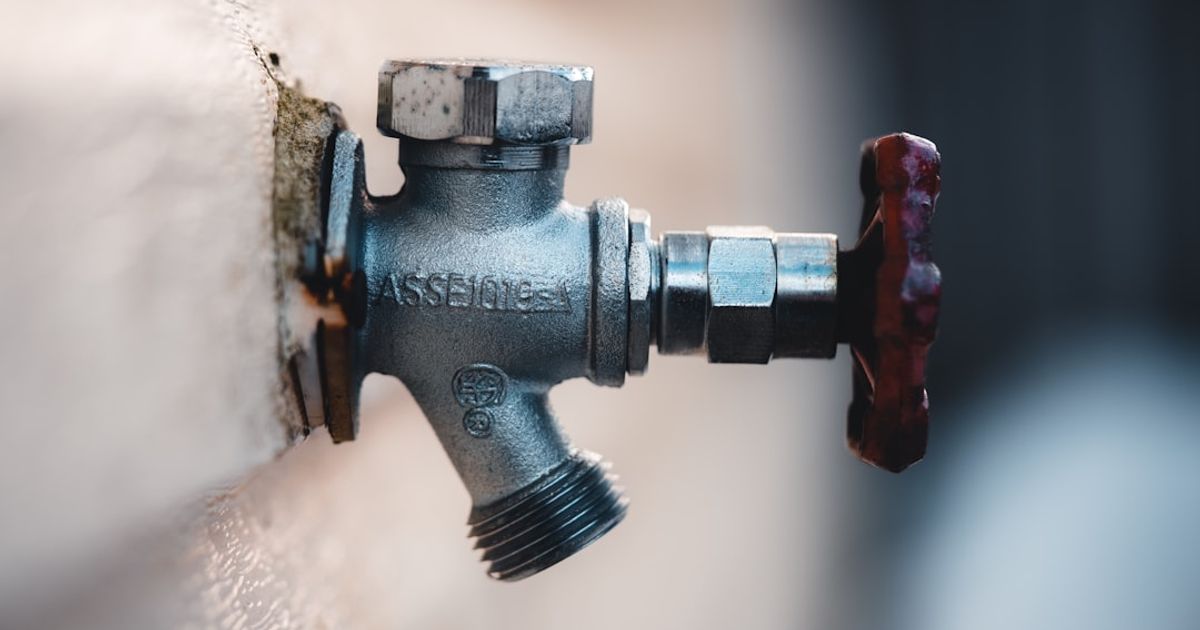
5. Outdoor Faucets and Hose Bibs These are among the first to freeze and are often overlooked during winterization.
6. Garage and Utility Room Pipes If these spaces aren't heated, any water lines are vulnerable.
7. Pool Supply Lines If you have a pool, its supply and drain lines are highly susceptible to freezing.
Secondary Risk Areas
- Water meter connections
- Pipes in uninsulated garages
- Drain lines (especially P-traps under sinks)
- Exposed pipes in laundry rooms
- Pipes in poorly insulated additions to your home
---
Step-by-Step Pipe Location Guide
Step 1: Map Your Home's Water Supply System
Before winter arrives, familiarize yourself with your plumbing system:
- Locate your main water shut-off valve (usually near the water meter or where the main line enters your home)
- Identify the path of your main water line from the meter into your home
- Trace hot and cold water lines to major fixtures (kitchen, bathrooms, laundry)
- Note which areas of your home are unheated or poorly insulated
- Take photos or create a simple sketch for future reference
Step 2: Inspect Attic and Crawl Spaces
What You'll Need:
- Flashlight or headlamp
- Notepad
- Camera or phone for photos
- Gloves and dust mask
Process:
- Enter your attic safely using a sturdy ladder and wearing appropriate protective gear
- Scan the entire attic with your flashlight, looking for any water pipes
- Pay special attention to pipes running near exterior walls or roof penetrations
- Note any pipes that lack insulation
- Check for existing water stains or damage
- Repeat this process for any crawl spaces
Step 3: Examine Basement and Foundation Areas
- Walk around your entire basement perimeter
- Look for pipes running along exterior walls, especially near windows and doors
- Check pipes near the foundation for frost or ice buildup
- Inspect the area where the main water line enters your home
- Look under all sinks and note which ones are on exterior walls
- Check for any visible cracks in the foundation where cold air might enter
Step 4: Check Under Sinks and Cabinets
- Open cabinet doors under kitchen and bathroom sinks
- Feel the pipes—are they cold to the touch?
- Check if there are gaps around pipes where cold air enters
- Look for existing insulation or lack thereof
- Note the location of the shut-off valve for that sink
Step 5: Inspect Exterior Areas
- Walk around your home's exterior
- Locate all outdoor faucets and hose bibs
- Check if hoses are still connected (they should be disconnected in winter)
- Look for any exposed pipes on the outside of your home
- Identify gaps or openings where pipes enter your home
Step 6: Document Everything
- Create a written list of all vulnerable pipe locations
- Photograph pipes that lack insulation
- Note the distance from exterior walls or unheated spaces
- Identify which areas get the coldest
- Keep this documentation for future reference
---
Safe Methods to Thaw Frozen Pipes
⚠️ SAFETY WARNING: Never use an open flame, blowtorch, or propane heater to thaw pipes. These methods can cause fires, explosions, and pipe damage. Always use safe, indirect heat methods.
Method 1: Hair Dryer (Safest Option)
Best For: Pipes you can access easily, under sinks, and small sections
Steps:
- Set your hair dryer to medium heat
- Start at the faucet end and work backward toward the frozen section
- Keep the dryer 6-12 inches from the pipe
- Move it slowly along the pipe in a back-and-forth motion
- Continue for 5-10 minutes
- Test the faucet to see if water flows
- Repeat if necessary, but don't leave the dryer running unattended
Method 2: Heat Lamp or Space Heater
Best For: Pipes in basements, crawl spaces, and larger areas
Steps:
- Position a safe space heater or heat lamp 3-4 feet away from the frozen pipe
- Ensure the heater is away from flammable materials
- Never leave it unattended
- Allow 30 minutes to an hour for the area to warm
- Check the faucet periodically for water flow
- Once thawed, leave the heater running to prevent re-freezing
Method 3: Hot Water Wraps
Best For: Exposed pipes under sinks and in accessible areas
Steps:
- Wrap the frozen pipe section with old towels or rags
- Secure the wraps with tape or string
- Slowly pour hot (not boiling) water over the wrapped pipe
- The heat will transfer through the towels to the pipe
- Repeat every 5-10 minutes
- Test the faucet for water flow
Method 4: Heat Tape or Heating Cable
Best For: Long-term solutions for pipes that freeze repeatedly
Steps:
- Unplug the heat tape
- Wrap it tightly around the frozen pipe section, overlapping slightly
- Secure with electrical tape every 12 inches
- Plug in and set to appropriate temperature (follow manufacturer instructions)
- This method works best as prevention but can help thaw pipes
- Leave running until water flows
Method 5: Open Cabinet Doors
Best For: Preventing freezing under sinks on exterior walls
Steps:
- Open cabinet doors under sinks on exterior walls
- This allows warmer room air to circulate around pipes
- Keep doors open continuously during cold snaps
- This is more preventative but can help slightly with partial freezing
Important Thawing Tips
- Start at the faucet: Always begin heating at the faucet end so water can escape as it thaws
- Work backward: Move toward the frozen section so water has an escape route
- Be patient: Thawing takes time; rushing can damage pipes
- Check frequently: Test water flow every 5-10 minutes
- Don't force it: If water won't flow after 30 minutes of heating, stop and call a professional
- Keep the faucet open: Leave the affected faucet open while thawing so water can flow out
---
When to Call a Professional Plumber
Stop and Call Immediately If:
⚠️ You cannot locate the frozen section. If you've checked all visible pipes and can't find the problem, it's likely in your walls, and a professional has equipment to locate it.
⚠️ Multiple faucets have no water. This suggests the main line or a major trunk line is frozen, which requires professional expertise.
⚠️ You see water stains or wet spots. A burst pipe is leaking inside your walls, and a plumber needs to locate and repair it immediately.
⚠️ You smell gas or notice unusual odors. If gas lines are involved, call your gas company first, then a plumber.
⚠️ Thawing attempts haven't worked after 30 minutes. Continued attempts may damage the pipe.
⚠️ You have a burst or cracked pipe. Visible cracks or splits require professional repair.
⚠️ The frozen pipe is in your walls or foundation. Accessing these requires professional tools and expertise.
⚠️ You're uncomfortable using any method. It's better to be safe and call a professional than risk injury or property damage.
Why Professional Help Matters
Licensed plumbers have:
- Thermal imaging cameras to locate frozen sections in walls
- Professional-grade thawing equipment
- The expertise to repair burst pipes
- Insurance to cover any damage
- Knowledge of building codes and proper repairs
Cost Consideration: Emergency plumber visits for frozen pipes typically cost $150-$400 for service calls, plus additional costs for repairs. This is far less than the $5,000-$25,000+ cost of water damage restoration.
---
Prevention Tips for Future Winters
The best approach to frozen pipes is prevention. Implement these strategies before winter arrives.
Insulation Solutions
1. Insulate Exposed Pipes
- Use foam pipe insulation sleeves (available at hardware stores for $1-3 per foot)
- Wrap pipes in your attic, basement, and crawl spaces
- Pay special attention to exterior wall pipes
- Secure insulation with tape or zip ties
2. Seal Air Leaks
- Caulk gaps around pipes where they enter your home
- Seal cracks in foundation walls
- Weatherstrip basement windows and doors
- Use spray foam to seal large gaps
3. Insulate Cabinets
- Add pipe insulation under sinks on exterior walls
- Use foam board to insulate the back of exterior wall cabinets
- Leave cabinet doors open during cold snaps to allow warm air circulation
Behavioral Prevention
1. Maintain Consistent Heat
- Keep your home at least 55°F even when away
- Don't let heating systems fail; maintain furnaces regularly
- Consider a programmable thermostat to ensure consistent temperatures
2. Let Water Drip
- During extreme cold, let faucets drip slightly (especially on exterior walls)
- Moving water is less likely to freeze
- This uses minimal water but provides significant protection
3. Open Cabinet Doors
- During cold snaps, open cabinet doors under sinks
- Allows warmer room air to circulate around pipes
4. Disconnect Outdoor Hoses
- Remove hoses from outdoor faucets in fall
- Water left in hoses and faucets will freeze and damage them
- Install faucet covers ($5-15 each)
System Improvements
1. Install Heat Tape
- Use self-regulating heat tape on pipes that freeze repeatedly
- Costs $20-50 per section
- Plugs in and provides continuous low-level heat
- Ideal for attic and crawl space pipes
2. Upgrade Insulation
- Add insulation to your attic, basement, and crawl spaces
- Better overall insulation keeps your home warmer and pipes safer
- Check local energy efficiency rebates
3. Install a Frost-Free Faucet
- These drain automatically to prevent freezing
- Cost $25-50 per faucet
- Eliminates the most common freeze point
4. Add a Recirculation System
- For homes with frequent hot water line freezing
- Keeps water moving through pipes
- More expensive but very effective
Pre-Winter Checklist
Before the first freeze, complete this checklist:
- ☐ Locate main water shut-off valve
- ☐ Inspect all accessible pipes for insulation
- ☐ Disconnect and drain outdoor hoses
- ☐ Install faucet covers on outdoor spigots
- ☐ Seal gaps and cracks around pipes
- ☐ Inspect attic and crawl spaces for vulnerable pipes
- ☐ Ensure all exterior walls are properly insulated
- ☐ Test your heating system
- ☐ Set up a dripping faucet system if needed
- ☐ Consider installing heat tape on problem areas
- ☐ Keep emergency plumber contact information handy
---
Troubleshooting Common Issues
Problem: Water Flows from One Faucet but Not Others
Likely Cause: The frozen section is between that faucet and the main line
Solution:
- Use a hair dryer on the pipes leading to that faucet
- Start at the faucet and work backward
- If unsuccessful after 30 minutes, call a plumber
Problem: All Faucets Have No Water
Likely Cause: Main water line or major trunk line is frozen
Solution:
- This requires professional help; call a plumber immediately
- Do not attempt to thaw main lines yourself
- Shut off the main water valve if you can access it
Problem: Water Pressure Is Very Low but Not Zero
Likely Cause: Partial freezing or ice buildup in the line
Solution:
- Try gentle heating methods on visible pipes
- Let faucets drip to encourage water flow
- Keep the area warm to prevent complete freezing
- If it doesn't improve in a few hours, call a plumber
Problem: Visible Frost on Pipes But No Water Problems Yet
Likely Cause: Pipes are very cold but not yet frozen
Solution:
- This is your warning sign—act immediately
- Insulate the pipes with towels or foam insulation
- Increase heat in the area
- Open cabinet doors to allow warm air circulation
- Let faucets drip slightly
Problem: You Hear Banging Sounds in Walls
Likely Cause: Water hammer from pressure buildup in frozen pipes
Solution:
- Locate the source by listening carefully
- Try heating visible pipes in that area
- If sounds continue, call a plumber (pipe damage may have occurred)
Problem: Water Smells or Tastes Unusual After Thawing
Likely Cause: Sediment or debris from the pipe interior
Solution:
- Run water for several minutes to flush the system
- Use cold water first, then hot
- If the problem persists, call a plumber
- Don't drink the water until it clears
---
FAQ Section
Q: How long does it take for pipes to freeze?
A: Most pipes freeze within 6-8 hours of exposure to temperatures below 20°F (-7°C). Uninsulated pipes can freeze even faster. However, pipes in heated basements or well-insulated areas may take 24+ hours or never freeze at all. This is why prevention is so important—once you notice signs of freezing, action is needed immediately.
Q: Can I use a space heater to thaw pipes in my attic?
A: Yes, but with extreme caution. Space heaters can work for thawing pipes in attics or crawl spaces, but they must be:
- Kept at least 3 feet away from flammable materials
- Never left unattended
- Placed on a level, stable surface
- Used with proper ventilation
A safer option is to hire a professional with proper equipment. The risk of fire often outweighs the cost savings.
Q: Will my homeowner's insurance cover frozen pipe damage?
A: Most homeowner's insurance policies cover sudden, accidental burst pipes that cause water damage. However, damage from lack of maintenance (like failure to insulate pipes or maintain adequate heat) is typically not covered. Check your specific policy. This is another reason prevention is crucial—it protects both your home and your insurance coverage.
Q: What temperature should I set my thermostat to prevent frozen pipes?
A: Keep your home at a minimum of 55°F (13°C) at all times, even when away. For homes with many exterior wall pipes or poor insulation, 60°F (16°C) is safer. During extreme cold snaps, maintain 65°F (18°C) or higher. Remember: heating costs are far less than water damage repairs.
Q: Are frozen pipes in the ground a concern?
A: Yes, buried water lines can freeze if they're not installed below the frost line for your area. If you suspect a buried line is frozen, you'll notice no water at all or very low pressure. Call a professional plumber with ground-penetrating radar equipment to locate and thaw the line. This requires specialized equipment and expertise.
---
Conclusion
Frozen pipes are a serious winter threat, but they're also largely preventable with proper preparation and awareness. By understanding the signs of freezing, knowing where pipes are vulnerable, and implementing prevention strategies, you can protect your home from costly water damage.
Remember these key takeaways:
- Act quickly when you notice signs of freezing
- Use safe thawing methods like hair dryers and heat lamps
- Know when to call a professional rather than risk further damage
- Invest in prevention before winter arrives
- Maintain consistent heat throughout your home
Don't wait until pipes burst to address the problem. Start preparing your home today, and you'll have peace of mind all winter long. If you ever feel uncertain about your plumbing system or encounter a problem you can't handle, don't hesitate to call a licensed professional plumber. They have the expertise, equipment, and insurance to handle any situation safely and correctly.

Frequently Asked Questions
Q:How long does it take for pipes to freeze?
A: Most pipes freeze within 6-8 hours of exposure to temperatures below 20°F (-7°C). Uninsulated pipes can freeze even faster. However, pipes in heated basements or well-insulated areas may take 24+ hours or never freeze at all. This is why prevention is so important—once you notice signs of freezing, immediate action is needed.
Q:Can I use a space heater to thaw pipes in my attic?
A: Yes, but with extreme caution. Space heaters can work for thawing pipes in attics or crawl spaces, but they must be kept at least 3 feet away from flammable materials, never left unattended, placed on level surfaces, and used with proper ventilation. A safer option is hiring a professional with proper equipment, as the risk of fire often outweighs cost savings.
Q:Will my homeowner's insurance cover frozen pipe damage?
A: Most homeowner's insurance policies cover sudden, accidental burst pipes that cause water damage. However, damage from lack of maintenance (like failure to insulate pipes or maintain adequate heat) is typically not covered. Check your specific policy, as this is another reason prevention is crucial.
Q:What temperature should I set my thermostat to prevent frozen pipes?
A: Keep your home at a minimum of 55°F (13°C) at all times, even when away. For homes with many exterior wall pipes or poor insulation, 60°F (16°C) is safer. During extreme cold snaps, maintain 65°F (18°C) or higher. Heating costs are far less than water damage repairs.
Q:Are frozen pipes in the ground a concern?
A: Yes, buried water lines can freeze if they're not installed below the frost line for your area. If you suspect a buried line is frozen, you'll notice no water at all or very low pressure. Call a professional plumber with ground-penetrating radar equipment to locate and thaw the line.