
How to Identify a Burst Pipe Before Water Damage Occurs

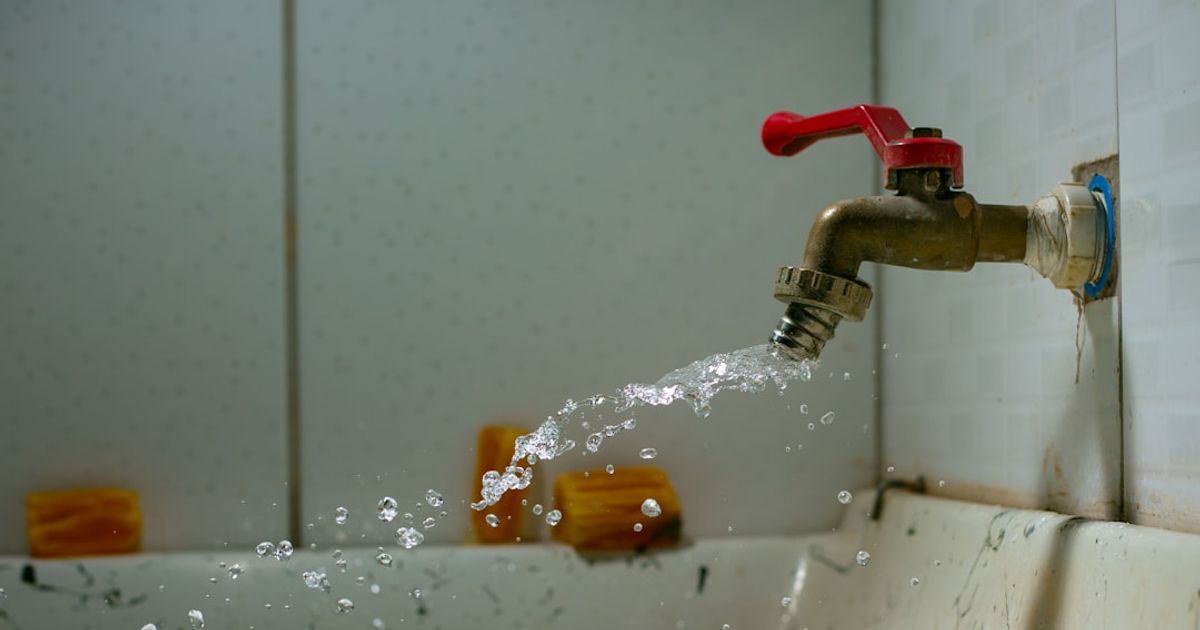
How to Identify a Burst Pipe Before Water Damage Occurs
Introduction
A burst pipe can transform from a minor inconvenience into a catastrophic disaster within hours. According to insurance data, water damage from burst pipes costs homeowners an average of $7,000 to $10,000 in restoration and repairs—and that's when damage is caught quickly. The longer a burst pipe goes undetected, the more extensive the water damage becomes, potentially affecting structural integrity, electrical systems, and creating conditions for mold growth.
This comprehensive guide teaches you how to identify burst pipe signs before they escalate into emergencies. You'll learn to recognize the visual indicators, understand where burst pipes typically occur in homes, and master the techniques professionals use to locate hidden leaks. Whether you suspect a burst pipe or want to protect your home from this preventable disaster, this guide provides step-by-step instructions for early detection and immediate damage mitigation.
The skill level required for these detection methods ranges from beginner to intermediate. Most homeowners can perform visual inspections and water meter checks independently, though some detection techniques may require professional equipment. This guide takes approximately 30-60 minutes to complete, though actual detection time varies based on your home's size and pipe accessibility.
Early detection is your greatest defense against burst pipe damage. By learning these identification techniques now, you can catch problems at their source and prevent thousands of dollars in water damage repairs.
Safety First: Critical Precautions Before Starting
Before investigating potential burst pipes, understand the safety considerations involved. Water damage creates multiple hazards beyond the obvious leak itself.
Electrical Hazards: Water conducts electricity, creating serious shock risks. If water has contacted electrical outlets, panels, appliances, or wiring, do not touch standing water. Turn off the main electrical panel if water has reached significant levels, or call an electrician immediately. Never use electrical devices or tools near standing water.
Mold and Contamination: Water sitting for more than 24-48 hours begins developing mold, which poses respiratory hazards. Wear an N95 mask when investigating areas with visible mold or musty odors. If mold coverage exceeds 10 square feet, professional remediation is necessary.
Structural Collapse: Significant water damage weakens drywall, flooring, and framing. Never walk on water-damaged floors or ceilings that appear soft or sagging. If you suspect structural damage, evacuate the area and call a professional.
When to Stop and Call a Professional Immediately:
- Water has contacted electrical systems or outlets
- You suspect the main water line is burst (water erupting from ground near foundation)
- Mold is visible or you smell strong musty odors
- Water is pooling in the basement or crawlspace
- You discover water damage in walls or ceilings and cannot locate the source
- The burst pipe involves the main sewer line (sewage backup)
- You feel uncomfortable investigating due to water depth or conditions
Your safety is the priority. Professional plumbers have proper training, equipment, and insurance to handle dangerous situations safely.
Tools and Materials Needed for Burst Pipe Detection
Most burst pipe detection can be accomplished with common household items. However, having the right tools makes the process faster and more accurate.
Essential Tools (most homeowners already own these):
- Flashlight or headlamp: Essential for examining dark spaces like crawlspaces, attics, and under sinks. A headlamp frees both hands for inspection. Cost: $10-$30.
- Moisture meter: Detects moisture in drywall and flooring before visible damage appears. Digital moisture meters are affordable and highly accurate. Cost: $20-$50.
- Screwdriver or drywall saw: For carefully opening small inspection holes in drywall to check for hidden water. Use a small drywall saw rather than a large hole. Cost: $5-$15.
- Towels and buckets: For containing small leaks while investigating and documenting water sources. Cost: $0 (household items).
- Notepad and camera: Document findings with photos and written notes. Your smartphone camera works perfectly. Cost: $0.
Specialized Tools (optional but helpful):
- Thermal imaging camera: Professional-grade tool that detects temperature differences caused by water flow. Rental cost: $30-$50 per day. Some plumbers offer thermal imaging services.
- Water meter reading kit: Helps calculate water loss rates. Most utilities provide meter reading instructions free. Cost: $0.
- Stethoscope or listening device: Amplifies the sound of water flowing through pipes, helping locate hidden leaks by sound. Cost: $15-$40.
- Dye or food coloring: Helps trace water movement and identify leak sources. Cost: $5-$10.
Materials to Have on Hand:
- Plastic sheeting and duct tape: For temporary containment of leaks while waiting for repairs.
- Buckets and towels: For capturing dripping water and preventing additional damage.
- Pipe tape or plumber's tape: For temporary leak sealing (not a permanent fix).
- Wet/dry vacuum: For removing standing water from affected areas.
Where to Buy These Items: Home Depot, Lowe's, and Ace Hardware carry all essential tools. Moisture meters and thermal imaging cameras are available at hardware stores or online retailers like Amazon. Many plumbing supply companies rent specialized equipment for $25-$50 per day.
Common Signs of a Burst Pipe: What to Look For
Burst pipes exhibit multiple warning signs. Learning to recognize these indicators allows you to catch problems before they cause extensive damage.
Sudden Water Pressure Loss
One of the earliest and most reliable indicators of a burst pipe is a noticeable drop in water pressure throughout your home. This occurs because water escaping through the burst is no longer reaching your fixtures. If you notice weak water flow from multiple faucets simultaneously, a burst pipe is a primary suspect.
Test water pressure by turning on several faucets at once. Normal household water pressure ranges from 40-80 PSI (pounds per square inch). If pressure suddenly drops, note when it occurred. Did it happen after freezing temperatures? After you heard a loud bang in the walls? These details help professionals diagnose the problem.
Important distinction: Pressure loss in a single faucet usually indicates a localized clog or fixture problem. Pressure loss throughout the home suggests a main line issue or major burst affecting the primary water supply.
Unexplained Wet Spots and Water Stains
Water stains on ceilings, walls, or flooring indicate water is traveling through your home's structure. These wet spots represent water damage already occurring, making quick action essential. Look for:
- Ceiling stains: Indicate water traveling downward through walls or from pipes in upper floors. Brown or yellowish stains suggest water has been present for some time.
- Wall discoloration: Wet spots on interior walls, especially lower portions, suggest water movement through walls or from pipes running vertically.
- Flooring damage: Warped, buckled, or soft flooring indicates water saturation. Hardwood floors cupping (edges higher than center) specifically suggests water damage.
- Baseboards and trim: Swelling, discoloration, or separation from walls indicates water contact.
Immediately photograph any wet spots and note their location. If stains are expanding or new stains appear daily, the leak is active and worsening.
Sounds of Running Water
Listen carefully throughout your home, especially at night when background noise is minimal. Burst pipes produce distinctive sounds:
- Hissing or spraying: Water escaping under pressure creates a hissing sound, often audible near walls or in crawlspaces.
- Dripping or trickling: Steady dripping from pipes or into walls indicates ongoing water escape.
- Rushing or whooshing: Water flowing forcefully through damaged sections.
- Banging or water hammer: Sudden pressure changes in pipes create loud banging sounds, sometimes preceding a burst.
Use a stethoscope or place your ear against walls to pinpoint sound sources. If you hear running water when no fixtures are in use, investigate immediately.
Visible Mold or Mildew Growth
Mold appears within 24-48 hours of water exposure. Black, green, or white fuzzy growth on walls, ceilings, or in crawlspaces indicates sustained moisture. Musty odors often accompany mold growth. If you discover mold, the burst pipe has been leaking for at least a day. Professional remediation may be necessary for extensive growth.
Unusually High Water Bills
If your water bill suddenly increases 20-30% without explanation, a hidden leak is likely present. Most utilities include leak detection information on your bill. Compare your current usage to previous months. A family of four typically uses 8,000-10,000 gallons monthly; significant increases suggest active leaks.
Where Burst Pipes Typically Occur in Homes
Understanding common burst pipe locations helps you focus inspection efforts and recognize risk areas.
Foundation and Slab Leaks
Pipes running under concrete foundations or in slabs are vulnerable to burst from ground settling, corrosion, and shifting soil. Slab leaks are among the most serious because they're hidden and can cause foundation damage.
Warning signs of slab leaks include:
- Wet spots appearing in flooring or foundation
- Cracks in concrete flooring
- Soft spots in flooring
- Water pooling near the foundation exterior
- Unusually high water bills with no visible leaks
Slab leaks require professional detection equipment like thermal imaging or ground-penetrating radar. If you suspect a slab leak, contact a professional immediately.
Pipes in Exterior Walls
Pipes running through exterior walls are exposed to temperature extremes. In cold climates, pipes in poorly insulated exterior walls freeze and burst during winter. In hot climates, pipes can crack from expansion and contraction.
Inspect exterior walls for:
- Wet spots on exterior or interior surfaces
- Discoloration or staining
- Mold growth
- Soft drywall or siding
Pipes in exterior walls are particularly vulnerable in climates experiencing freeze-thaw cycles. If you live in a cold climate, ensure these pipes are properly insulated before winter arrives.
Attic Pipes
Attic pipes are exposed to temperature extremes and often lack adequate insulation. Winter freezing and summer heat stress cause pipe failure. Attic inspection is straightforward—look for:
- Water stains on rafters or insulation
- Visible moisture or condensation
- Dripping water
- Mold growth on insulation or wood
- Soft or deteriorated pipe insulation
Attic pipes are relatively accessible, making repairs easier than hidden wall pipes. However, attic temperature extremes make these pipes particularly vulnerable to freezing in winter.
Crawlspace and Basement Pipes
Pipes in crawlspaces and basements are exposed to moisture, temperature fluctuations, and corrosive conditions. These areas are often damp, accelerating pipe corrosion. Inspect these areas monthly for:
- Visible water pooling or dripping
- Rust or corrosion on metal pipes
- Cracks in concrete flooring
- Mold or mildew growth
- Soft spots in flooring
Crawlspaces and basements should be inspected regularly. Poor drainage or standing water in these areas creates conditions for pipe failure and mold growth.
Bathroom and Kitchen Areas
Bathrooms and kitchens have the highest concentration of pipes, making these areas common burst pipe locations. High water usage and temperature fluctuations stress pipes in these areas. Inspect under sinks, behind toilets, and in walls for:
- Water stains or discoloration
- Mold growth
- Soft drywall or flooring
- Visible corrosion or damage
- Leaking fixtures
Visual Inspection Techniques: Step-by-Step Process
Systematic visual inspection can identify many burst pipes before they cause catastrophic damage. Follow this structured approach.
Step 1: Establish a Baseline Water Reading
Before beginning your inspection, establish your home's baseline water usage. Turn off all water-using appliances and fixtures. No showers, laundry, dishwasher, or toilet flushing. Note your water meter reading (we'll explain this in detail in the next section). Wait 30 minutes without using water. Check the meter again. The reading should not change. If it increases, water is escaping somewhere in your system.
Step 2: Inspect All Accessible Pipes
Begin with visible pipes in basements, crawlspaces, attics, and under sinks. Using your flashlight, examine pipes for:
- Visible cracks or splits: Even small cracks indicate pipe failure.
- Corrosion or rust: Discoloration, pitting, or flaking indicates advanced corrosion.
- Pooling water or drips: Active leaks are immediately visible.
- Wet areas around pipes: Moisture indicates water escape.
- Soft insulation: Wet pipe insulation indicates leaking pipes.
Document findings with photographs. Note the pipe material (copper, PVC, galvanized steel) and location. This information helps professionals prioritize repairs.
Step 3: Check Walls and Ceilings for Water Stains
Systematically walk through every room, examining walls and ceilings for discoloration. Look for:
- Fresh stains: Light brown or yellow discoloration indicates recent water contact.
- Old stains: Dark brown or black stains suggest water has been present for extended periods.
- Expanding stains: Stains that appear larger than previous observations indicate active leaking.
- Stain patterns: Water typically travels downward, so ceiling stains indicate pipes or water sources above.
Pay special attention to areas directly above bathrooms and kitchens, where pipe concentrations are highest. Mark stains with tape and photograph them for reference.
Step 4: Feel Walls and Flooring for Moisture
Gently press your hand against walls and flooring, especially near stains or suspected problem areas. Damp or soft areas indicate water saturation. Use your moisture meter to quantify moisture levels. Most building materials should read 12-15% moisture content; readings above 20% indicate problems.
Press on flooring to detect soft spots. Floors should feel firm and solid. Spongy or soft flooring indicates water damage and structural compromise.
Step 5: Inspect Crawlspaces and Basements Thoroughly
Crawlspaces and basements are ideal locations for burst pipe detection because pipes are often visible and accessible. Using your flashlight, examine:
- All visible pipes for cracks, corrosion, or leaks
- Flooring and foundation for water pooling or stains
- Insulation for moisture or mold
- Support beams for water damage or discoloration
Crawlspaces require careful movement. Watch for structural hazards, low ceilings, and soft flooring. If crawlspace conditions are unsafe, stop and contact a professional.
Step 6: Examine Exterior Foundation and Landscaping
Walk around your home's exterior, examining the foundation for:
- Water pooling or flowing: Indicates water escaping from underground pipes.
- Wet spots or discoloration: Foundation staining suggests slab leaks.
- Cracks in concrete: New cracks may indicate foundation shifting from water damage.
- Unusually green or lush landscaping: Can indicate water escaping from underground pipes.
Note any areas where water appears to be escaping or pooling. These locations may indicate slab leaks or main water line breaks.
Step 7: Listen for Water Sounds
During evening or early morning when background noise is minimal, listen throughout your home for water sounds. Use a stethoscope placed against walls and pipes to amplify sounds. Listen for:
- Hissing or spraying indicating water escape
- Dripping or trickling sounds
- Rushing water sounds
Note the location of any sounds and mark them for professional investigation.
Using Your Water Meter to Detect Hidden Leaks
Your water meter is your most reliable tool for detecting hidden leaks, including burst pipes. This technique requires no special equipment and provides definitive proof of leaks.
Understanding Your Water Meter
Water meters measure water consumption in gallons or cubic feet. Most residential meters are located near the street in a meter box, or inside the home near the main water shutoff. Meters display a five or six-digit number representing total water consumption. Some meters have a small red or black triangle dial that rotates with water flow.
Locate your water meter now, before you need it. Note its location and how to read it. Take a photo for reference.
The Water Meter Leak Test
This test definitively determines whether water is leaking in your home:
Step 1: Ensure no water is being used. Turn off washing machines, dishwashers, and irrigation systems. No one should be using showers, sinks, or toilets.
Step 2: Note your water meter reading. Write down the exact number displayed. Take a photo of the meter for reference.
Step 3: Wait 30 minutes without using any water. Do not flush toilets or run any water-using appliances.
Step 4: Check the meter reading again. Write down the new number.
Step 5: Compare readings. If the second reading is higher than the first, water is escaping somewhere. If readings are identical, no significant leaks are present.
Calculating Your Leak Rate
If the meter indicates leaking, calculate the leak rate:
- Subtract the first reading from the second reading
- Multiply the difference by 748 (gallons per cubic foot, if your meter measures cubic feet)
- Divide by 30 (minutes you waited)
- This gives you gallons per minute leaking
Example: First reading 1,234.5, second reading 1,234.8. Difference = 0.3 cubic feet. 0.3 × 748 = 224.4 gallons. 224.4 ÷ 30 = 7.5 gallons per minute leaking.
A leak rate of 1 gallon per minute or higher indicates a serious problem requiring immediate professional attention. Smaller leaks (less than 1 GPM) still waste significant water and should be addressed promptly.
Locating the Leak
Once you've confirmed a leak exists, determine whether it's indoors or outdoors:
Step 1: Turn off the main water shutoff valve. This valve is typically located near the water meter or where the main water line enters your home.
Step 2: Check the meter again after 30 minutes with the main shutoff OFF. If the meter reading increases, the leak is in the outdoor main water line (between the meter and your home). This requires professional repair.
Step 3: If the meter doesn't change with the shutoff OFF, the leak is inside your home. Turn the main shutoff back ON and begin inspecting interior pipes using the visual inspection techniques described earlier.
Using the Meter Triangle Indicator
Many water meters have a small triangle or dial that rotates with water flow. This indicator is extremely sensitive and helps detect very small leaks:
- Turn off all water in your home
- Observe the triangle indicator
- If the triangle rotates slowly, a small leak is present
- The faster the rotation, the larger the leak
This method is particularly useful for detecting slow leaks that might not show up in a 30-minute test.
When to Call a Professional: Advanced Detection Methods
While visual inspection and water meter testing are effective, some burst pipes require professional detection equipment. Understanding when to involve professionals prevents wasted time and ensures accurate diagnosis.
Signs You Need Professional Detection
Contact a professional plumber if:
- Your water meter indicates a leak but you cannot locate it visually
- You suspect a slab leak (leak under your home's concrete foundation)
- Water stains appear in walls or ceilings but no visible pipe damage is evident
- You hear water sounds but cannot locate the source
- Multiple rooms show signs of water damage with no obvious cause
- Water damage or mold growth is extensive
Professional Detection Equipment
Thermal Imaging Cameras: These specialized cameras detect temperature differences caused by water movement. Leaking water creates cooler areas that show as different colors on thermal images. Thermal imaging can locate leaks within walls without cutting holes. Cost: $100-$300 per inspection.
Acoustic Detection: Professional-grade listening devices amplify water sounds, allowing technicians to pinpoint leak locations by sound. This method works well for pipes in walls. Cost: $75-$200 per inspection.
Ground-Penetrating Radar (GPR): This technology detects pipes and water movement under concrete slabs. It's the gold standard for slab leak detection. Cost: $200-$500 per inspection.
Dye Testing: Professionals use specialized dyes to trace water movement and identify leak sources. Dyes are non-toxic and help visualize water paths. Cost: $50-$150.
Pressure Testing: Plumbers pressurize the water system to identify weak points and locate leaks. Cost: $75-$200.
What to Expect During Professional Inspection
When you call a professional plumber for burst pipe detection:
- Initial phone consultation: Describe your symptoms, when they started, and any observations you've made. Provide your water meter readings.
- On-site inspection: The plumber will perform visual inspection and may use specialized equipment. This typically takes 30-90 minutes depending on your home's size.
- Diagnosis report: The plumber explains findings, shows you the problem location, and recommends repair options.
- Cost estimate: You'll receive a written estimate for repairs. Don't hesitate to ask questions or get a second opinion.
Cost Considerations
Inspection costs range from $75-$500 depending on equipment used and your home's complexity. However, early detection saves thousands in water damage repair costs. If a burst pipe causes $7,000-$10,000 in damage, a $200 inspection is excellent insurance.
Many plumbers waive inspection fees if you proceed with their repair services. Ask about this when scheduling.
Immediate Steps to Minimize Damage While Waiting for Help
Once you've identified or suspect a burst pipe, immediate action minimizes water damage. These steps should be taken while waiting for professional help to arrive.
Step 1: Shut Off the Main Water Supply
Locating and shutting off your main water shutoff valve is the single most important action. This stops water from flowing through the burst section, preventing further damage.
Finding your main shutoff: The main valve is typically located:
- Inside your home near the water meter (common in northern climates)
- Outside near the street in a meter box (common in southern climates)
- In a basement or crawlspace
- Near the point where the main water line enters your home
Shutting off the valve: Turn the valve handle clockwise (right) until it stops. Some valves have a lever handle (turn 90 degrees); others have a round handle (turn multiple times). Turn firmly but don't force it—these valves can break if over-tightened.
Testing the shutoff: After closing the valve, turn on a faucet. Water should stop flowing. If water continues, the valve isn't fully closed. Try turning it further.
Important: Locate your main shutoff NOW, before an emergency occurs. In a crisis, finding it quickly is critical. Take a photo of its location and show all household members where it is.
Step 2: Turn Off the Water Heater
If your home has a tank water heater, turn it off immediately. This prevents the heater from operating without water supply, which can cause damage. For electric heaters, switch off the breaker. For gas heaters, turn the dial to "Pilot" or "Off." Do not turn off the pilot light unless instructed by the manufacturer.
If you have a tankless water heater, most models automatically shut down when water pressure drops significantly, so additional action may not be necessary. Check your manual.
Step 3: Document the Damage
Take extensive photographs and video of all water damage. Document:
- Wet spots and stains
- Water pooling or flowing
- Damaged materials
- Affected rooms and areas
This documentation is essential for insurance claims. Date and time-stamp photos if possible. Your insurance company will require this evidence.
Step 4: Contain and Remove Water
Use buckets, towels, and wet/dry vacuums to contain and remove standing water. This prevents water from spreading to unaffected areas and reduces mold growth risk. Place buckets under dripping water to catch it. Use towels to absorb water on flooring.
For significant water pooling, use a wet/dry vacuum to remove water. Empty the vacuum frequently and dispose of water properly (down a drain or outside).
Step 5: Increase Air Circulation
Open windows and doors to increase air circulation. Use fans to promote drying. Increased air movement slows mold growth and helps dry affected materials. However, if outdoor humidity is high, this may be counterproductive—use air conditioning instead to dehumidify.
Place dehumidifiers in affected rooms if available. These devices remove moisture from the air, accelerating drying.
Step 6: Move Valuables Away from Water
Remove furniture, electronics, and personal items from water-affected areas. Move items to dry areas of your home. This prevents additional damage and makes professional water removal easier.
Step 7: Contact Your Insurance Company
Call your homeowner's insurance company immediately. Most policies cover water damage from burst pipes. Provide them with:
- Date and time the problem was discovered
- Description of damage
- Photographs and video documentation
- Repair estimates from plumbers
Insurance companies often have preferred water damage restoration companies. They may send an adjuster to assess damage. Cooperate fully with the adjustment process.
Step 8: Avoid Using Water
While waiting for professional help, avoid using water. Don't run showers, flush toilets, or operate washing machines. Each water use can worsen the situation. If you must flush toilets, use the main shutoff to turn water back on briefly, then immediately shut it off again.
Step 9: Call a Professional Plumber
Contact a licensed, insured plumber immediately. Explain your situation and ask about emergency availability. Many plumbers offer 24/7 emergency service with response times of 30-60 minutes. If your regular plumber isn't available, call multiple plumbers to find available service.
Provide the plumber with:
- Your observations and water meter readings
- Location of suspected burst pipe
- Photos of damage
- Your main water shutoff location
- Insurance company information
Prevention Tips: Protecting Your Home from Future Burst Pipes
Preventing burst pipes is far more cost-effective than repairing damage. Implement these preventive measures to protect your home.
Insulate Exposed Pipes
Pipes in attics, crawlspaces, and exterior walls are vulnerable to freezing. Install pipe insulation foam around these pipes. Foam insulation is inexpensive ($0.50-$1.50 per foot) and easy to install. Simply wrap it around pipes and secure with tape.
For pipes in extremely cold areas, consider heat tape. This electrical tape wraps around pipes and provides active heating when temperatures drop. Cost: $15-$40 per pipe.
Maintain Consistent Home Temperatures
Keep your home heated to at least 55°F even when away during winter. This prevents freezing in interior pipes. Open cabinet doors under sinks to allow warm air to reach pipes. Close off rooms you're not using to concentrate heat where pipes are located.
Drain Exterior Faucets and Lines Before Winter
Turn off water to exterior faucets before winter arrives. Open the faucet to drain remaining water. Leave faucets open through winter to allow any water that enters to escape. This prevents ice buildup and freezing.
Install a Water Pressure Regulator
Excessive water pressure stresses pipes and accelerates failure. Install a water pressure regulator to maintain pressure between 40-60 PSI. Regulators cost $100-$300 installed and significantly extend pipe life.
Regularly Inspect Pipes
Monthly inspection of accessible pipes catches problems early. Look for corrosion, cracks, or leaks. Address small issues before they become emergencies. Schedule annual professional inspections for hidden pipes.
Address Water Quality Issues
Hard water and acidic water accelerate pipe corrosion. If your water is hard (mineral-heavy), consider installing a water softener. If your water is acidic, install a pH neutralizer. These systems extend pipe life significantly.
Replace Old Galvanized Pipes
Galvanized steel pipes, common in homes built before 1980, corrode from the inside out. If your home has galvanized pipes, plan for replacement. Modern copper or PVC pipes last 50+ years. Replacement costs $3,000-$8,000 depending on home size but prevents burst pipe emergencies.
Know Your Home's Age and Pipe Materials
Understand when your pipes were installed and what materials were used. Pipes installed 50+ years ago are approaching end-of-life. Pipes made of materials no longer recommended (galvanized steel, polybutylene) should be replaced proactively.
Monitor Water Bills Regularly
Review your water bills monthly. Sudden increases indicate leaks. Catching leaks early prevents burst pipes and water damage. Compare current usage to previous years.
Prepare for Emergencies
Know your main water shutoff location. Show all household members where it is. Practice shutting it off so you're comfortable doing so in an emergency. Keep a photo of the shutoff location on your phone.
Conclusion: Early Detection Saves Thousands
Burst pipes represent one of the most damaging home emergencies, but early detection prevents catastrophic damage. By learning to recognize burst pipe signs—water pressure loss, wet spots, unusual sounds, and mold growth—you can catch problems before they escalate.
Implement the visual inspection techniques described in this guide. Use your water meter as a leak detection tool. Understand where burst pipes typically occur in your home and inspect these areas regularly. When you suspect a burst pipe, take immediate action: shut off the main water supply, document damage, and contact a professional plumber.
Prevention is your best defense. Insulate vulnerable pipes, maintain consistent home temperatures, and address water quality issues. Regular inspections catch problems early when repairs are simpler and less expensive.
Remember: a $200 professional inspection or $50 in insulation materials is far less expensive than $7,000-$10,000 in water damage repair. By taking these identification and prevention steps now, you protect your home, preserve your belongings, and avoid the stress of a plumbing emergency.
If you discover signs of a burst pipe, don't wait. Contact a licensed, insured emergency plumber today. The faster you address burst pipes, the less damage occurs and the lower your repair costs. Your home's structural integrity and your family's safety depend on quick action.

Frequently Asked Questions
Q:What tools do I need to inspect my home for burst pipes?
A: Most homeowners can perform basic burst pipe inspection with common household items: a flashlight or headlamp, towels, and a notepad. A moisture meter ($20-$50) is helpful for detecting hidden moisture in walls and flooring. Your water meter (which you already have) is your most valuable detection tool. For advanced detection, professionals use thermal imaging cameras, acoustic devices, and ground-penetrating radar, but these aren't necessary for initial inspection. Start with what you have at home, and contact a professional if you cannot locate the leak yourself.
Q:How long does it take to inspect my home for burst pipes?
A: A thorough visual inspection typically takes 30-60 minutes depending on your home's size and pipe accessibility. The water meter leak test takes just 30 minutes of waiting time plus a few minutes to take readings. If you discover concerning signs, you may spend additional time investigating specific areas. Professional inspections with specialized equipment typically take 1-2 hours. The time investment is worthwhile—early detection prevents thousands in water damage costs.
Q:When should I stop investigating and call a professional plumber immediately?
A: Stop investigating and call a professional immediately if: water has contacted electrical systems or outlets; you discover the main water line is burst (water erupting from ground); mold is visible or you smell strong musty odors; water is pooling in the basement or crawlspace; you discover water damage in walls but cannot locate the source; you suspect a sewer line problem; or you feel unsafe due to water depth or structural concerns. Your safety is the priority. Professional plumbers have proper training, equipment, and insurance to handle dangerous situations. Never risk electrical shock, structural collapse, or exposure to contaminated water.
Q:What does a sudden drop in water pressure mean, and could it be something other than a burst pipe?
A: A sudden drop in water pressure throughout your home can indicate a burst pipe, but other causes are possible. A partially clogged water main, water main break in the street, or issues at your municipal water supplier can also cause pressure loss. However, if pressure drops only in your home (not affecting neighbors), a burst pipe is likely. Use your water meter to confirm—if the meter increases when water isn't being used, a leak is definitely present. Contact your water utility if you suspect a municipal water main problem. They can check the main line at no cost.
Q:How much does it cost to have a professional detect and repair a burst pipe?
A: Detection costs range from $75-$500 depending on equipment used and complexity. Many plumbers waive inspection fees if you proceed with repairs. Repair costs vary dramatically based on the burst pipe's location and severity. Accessible pipe repairs cost $200-$500. Hidden pipe repairs in walls or under slabs cost $500-$2,000+. Main water line repairs range from $500-$3,500. Slab leaks are most expensive, often $2,000-$8,000. Emergency service (nights, weekends, holidays) typically costs 1.5-2x normal rates. Get multiple quotes before proceeding with repairs—prices vary significantly between plumbers.
Q:Can I use temporary fixes like pipe tape or epoxy putty instead of calling a plumber?
A: Temporary fixes like pipe tape, epoxy putty, or self-fusing silicone tape can stop small leaks temporarily while you arrange professional repairs. However, these are NOT permanent solutions. They typically last days to weeks before failing again. For burst pipes with significant damage, temporary fixes are ineffective. More importantly, improper repairs can void your homeowner's insurance and violate building codes. If your insurance requires proper repair by licensed plumbers, temporary fixes may disqualify your claim. Use temporary fixes only to contain water damage until a professional can repair the pipe properly. Never rely on them as permanent solutions.
Q:What's the difference between a burst pipe and a pinhole leak, and how do I detect each?
A: A burst pipe has significant damage causing large water escape, while a pinhole leak is a tiny hole causing slow water escape. Burst pipes create obvious wet spots, water pooling, and pressure loss. Pinhole leaks are harder to detect—they cause slow water loss visible only through higher water bills or moisture detection over time. Both require professional repair, but pinhole leaks are less urgent since they cause slower damage. Use your water meter to detect pinhole leaks: if the meter increases during periods of no water use, a leak exists. Moisture meters help locate pinhole leaks by detecting damp areas in walls and flooring. Professional thermal imaging can pinpoint pinhole leaks precisely.