
Las Vegas Plumbing Guide: Water Quality & Emergency Services

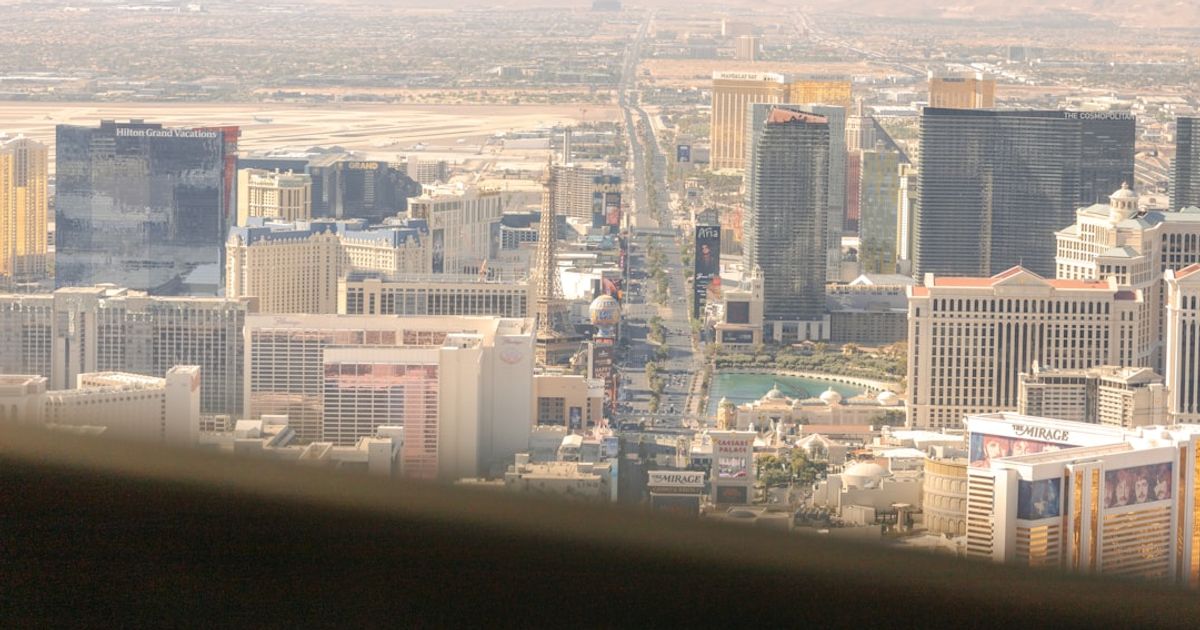
Complete Plumbing Guide for Las Vegas Homeowners: Water Quality, Common Issues & Emergency Services
Introduction: Understanding Las Vegas Plumbing Challenges
Las Vegas homeowners face unique plumbing challenges that differ dramatically from other parts of the country. The desert climate, hard water issues, and aging infrastructure create a perfect storm of potential problems that can leave you without water or facing expensive repairs. Whether you're a long-time resident or new to the Las Vegas area, understanding these specific challenges is essential for protecting your home's plumbing system and your wallet.
The water supplied to Las Vegas homes comes from Lake Mead and the Colorado River, and while it's safe to drink, it contains significantly higher mineral content than water in most other regions. This hard water is one of the primary reasons Las Vegas homeowners experience plumbing issues at higher rates than the national average. Additionally, the extreme heat, low humidity, and mineral-rich soil create conditions that accelerate pipe corrosion and deterioration.
This comprehensive guide walks you through everything Las Vegas homeowners need to know about their plumbing systems. We'll explore the specific water quality issues affecting the area, identify common plumbing problems you're likely to encounter, discuss solutions like water softening systems, and explain how to find reliable emergency plumbing services when disaster strikes. By the end, you'll have the knowledge to make informed decisions about your plumbing maintenance, repairs, and upgrades.
Whether you're dealing with a burst pipe at 2 AM or planning preventive maintenance, this guide provides the practical information you need to navigate Las Vegas plumbing with confidence.
Las Vegas Water Quality & Mineral Content Issues
Las Vegas has some of the hardest water in the United States, with mineral content averaging 300-400 parts per million (ppm). For context, water is considered "hard" at 120 ppm and above. This means Las Vegas water is roughly three to four times harder than the national average, creating significant implications for your plumbing system, appliances, and daily life.
The Colorado River water that supplies Las Vegas contains high concentrations of calcium, magnesium, and other minerals. As water travels through pipes and heats up in your water heater, these minerals precipitate out and form scale deposits. This buildup accumulates inside pipes, reducing water flow and putting stress on your plumbing system. Over time, mineral deposits can completely block pipes, requiring expensive professional cleaning or replacement.
Beyond plumbing damage, Las Vegas hard water affects everything in your home. Your dishwasher becomes less effective, requiring more detergent. Laundry comes out dull and stiff. Showers leave soap scum and residue on your skin. Water heaters work harder and fail sooner. Appliances like washing machines and refrigerators have significantly shortened lifespans compared to homes in soft water areas.
The Clark County Water Reclamation District, which supplies Las Vegas, regularly tests water quality and publishes reports showing specific mineral compositions. The water also contains chlorine and other treatment chemicals necessary for safety, but these can contribute to corrosion issues in older pipes. Understanding your local water quality is the first step toward protecting your plumbing investment.
Most Las Vegas water comes from Lake Mead, though some supplemental water comes from groundwater sources. During drought conditions, which have been common in recent years, the mineral concentration can increase slightly as Lake Mead levels drop. This makes water softening systems not just a convenience but a practical necessity for Las Vegas homeowners who want to protect their plumbing infrastructure and extend the life of their appliances.
Common Plumbing Problems in Desert Climate Homes
The Las Vegas desert climate creates specific plumbing challenges that homeowners in other regions rarely encounter. The extreme heat, low humidity, intense UV exposure, and mineral-rich soil combine to accelerate pipe deterioration and create unique failure patterns that Las Vegas plumbers deal with constantly.
One of the most common issues in Las Vegas is pipe corrosion. The combination of hard water, high mineral content, and chlorine treatment creates an acidic environment that corrodes copper pipes from the inside out. This pinhole leaking—where tiny holes develop in pipes—is endemic to Las Vegas homes, particularly those built between 1970 and 2000. A single pinhole leak might seem minor, but it indicates that corrosion is occurring throughout your entire plumbing system. If you discover one pinhole leak, others will likely develop within months or years.
Water heater failures occur at much higher rates in Las Vegas than nationally. The hard water causes rapid sediment buildup inside tanks, reducing efficiency and creating conditions for failure. Most water heaters in Las Vegas last only 6-8 years, compared to 10-12 years in soft water areas. The mineral deposits also create a condition called "popcorning," where sediment at the tank bottom heats rapidly and causes cracking and premature failure.
Slab leaks represent another significant Las Vegas problem. The desert soil shifts and contracts with extreme temperature changes, putting stress on underground pipes. Combined with corrosion issues, this creates conditions where pipes beneath concrete slabs develop leaks. Detecting slab leaks requires professional equipment, but signs include warm spots on your floor, unusually high water bills, or wet patches in your yard.
Main water line breaks are increasingly common in older Las Vegas neighborhoods. The combination of soil movement, temperature extremes, and pipe age creates failure conditions. A main line break can result in massive water loss, foundation damage, and expensive excavation and replacement. Emergency plumbers in Las Vegas frequently respond to these calls, particularly during summer months when ground stress is highest.
Toilet issues are extremely common in Las Vegas due to hard water mineral deposits clogging fill valves and flapper mechanisms. Constantly running toilets waste thousands of gallons annually. Mineral buildup also affects shower heads, causing uneven water distribution or complete blockage. These issues might seem minor, but they're often symptoms of larger mineral accumulation problems throughout your system.
Hard Water Solutions & Water Softening Systems
Water softening systems are not optional luxuries for Las Vegas homeowners—they're practical investments that protect your plumbing, extend appliance life, and improve water quality. Understanding your options helps you make the best choice for your home and budget.
The most effective solution is a whole-house water softening system, which uses ion exchange technology to remove calcium and magnesium ions before water enters your plumbing. These systems work by passing hard water through resin beads that attract mineral ions and exchange them for sodium ions. Periodically, the system regenerates by flushing salt through the resin to restore its effectiveness.
Tanked water softeners are the traditional option and remain popular in Las Vegas. They store softened water in a tank, typically ranging from 30-80 gallons, providing immediate access to soft water. These systems require regular salt refilling and occasional maintenance, but they're cost-effective and reliable. Installation costs in Las Vegas typically range from $1,500 to $3,000, with monthly maintenance costs of $20-$50 for salt and occasional service calls.
Tankless water softeners are gaining popularity in Las Vegas, particularly for homes with space constraints. These systems soften water on-demand without storing it, reducing salt and water waste during regeneration. They're more expensive upfront ($3,000-$5,000 installed) but offer better efficiency and require less maintenance. For Las Vegas homeowners concerned about water conservation in a desert environment, tankless systems make environmental sense.
Whole-house filters combined with water softeners provide additional benefits by removing chlorine, sediment, and other contaminants alongside mineral reduction. Many Las Vegas plumbers recommend these combination systems for comprehensive water treatment. The investment is higher ($2,500-$4,500 installed) but provides superior water quality and longer-lasting system performance.
Point-of-use systems that treat water only at specific faucets or appliances are another option, though less effective than whole-house solutions. Under-sink reverse osmosis systems provide excellent drinking water but don't protect your plumbing. Shower filters reduce chlorine exposure but don't address mineral buildup in pipes. These are best used as supplements to whole-house treatment rather than replacements.
When choosing a water softening system for your Las Vegas home, consider your water usage, available space, budget, and environmental concerns. A licensed Las Vegas plumber can test your water, calculate appropriate system capacity, and recommend solutions tailored to your specific situation. Many offer system comparisons and can explain the long-term cost benefits of protecting your plumbing investment.
Pipe Corrosion & Longevity in Las Vegas
Understanding pipe corrosion is critical for Las Vegas homeowners because it directly impacts your plumbing system's longevity and failure patterns. The desert environment accelerates corrosion in ways that homeowners in other regions don't typically experience.
Copper pipes, the standard in Las Vegas homes built from the 1970s onward, are susceptible to corrosion from multiple factors. The high mineral content in Las Vegas water creates a slightly acidic environment that attacks copper. Chlorine used to treat the water accelerates this process. Galvanic corrosion occurs when copper pipes contact other metals, creating an electrochemical reaction that eats through pipe walls. All these factors combine to create pinhole leaks that develop from the inside out, often without visible external signs until water damage appears.
Galvanized steel pipes, common in older Las Vegas homes built before 1970, corrode even faster. The zinc coating that protects steel deteriorates over decades, exposing the underlying steel to corrosion. Homes with galvanized pipes typically experience complete failure within 40-60 years, often creating simultaneous failures throughout the system. If your Las Vegas home has galvanized pipes, replacement should be a priority, particularly if you're experiencing low water pressure or discolored water.
PVC plastic pipes, used in newer Las Vegas homes and for drain lines, resist corrosion but can degrade from UV exposure and extreme heat. The desert sun's intensity causes PVC to become brittle over time, particularly in exposed outdoor sections. Regular inspection of visible PVC pipes for cracks or brittleness helps catch problems before they cause leaks.
The extreme temperature variations in Las Vegas—often 30-40 degree swings between day and night—cause pipes to expand and contract constantly. This thermal stress accelerates corrosion and creates conditions for joint failures. Pipes that expand and contract thousands of times annually develop microscopic cracks that gradually enlarge into leaks.
Testing water chemistry is essential for understanding your specific corrosion risk. Las Vegas water's pH, alkalinity, and mineral content can vary by neighborhood. A professional water analysis reveals your corrosion index and helps determine appropriate treatment. Some Las Vegas plumbers recommend installing sacrificial anodes or using corrosion inhibitor systems to protect pipes, particularly in homes with aggressive water chemistry.
If your Las Vegas home is over 30 years old and has original copper pipes, you're likely experiencing early-stage corrosion. Pinhole leaks often appear first in water heater connections, under sinks, or in basement/crawlspace areas where pipes are accessible. Finding and fixing one pinhole leak is important, but it's equally important to address the underlying corrosion issue. Many Las Vegas plumbers recommend whole-system replacement or protective treatment for homes showing corrosion signs.
Emergency Plumbing Services Available 24/7
Plumbing emergencies don't follow business hours, and Las Vegas homeowners need to know how to access reliable 24/7 emergency services when disaster strikes. Understanding what constitutes an emergency and how to respond helps minimize damage and costs.
A plumbing emergency in Las Vegas includes situations requiring immediate professional attention to prevent property damage or health hazards. Burst pipes, water heater failures, sewer backups, gas line issues, and major leaks all qualify as emergencies. Even situations like overflowing toilets or complete loss of water can become emergencies if not addressed quickly, particularly during Las Vegas's hot summers when lack of water becomes dangerous.
Most Las Vegas emergency plumbing services charge call-out fees ranging from $150 to $300 just to arrive, plus hourly rates of $125-$200 for the actual work. Emergency rates—typically charged for calls between 5 PM and 8 AM on weekdays, plus all-day Saturday and Sunday—are usually 1.5 to 2 times normal rates. While these costs seem high, they're justified by the expense of maintaining 24/7 staffing and the urgency of emergency response.
When you experience a plumbing emergency in Las Vegas, your first action should be to shut off the main water supply. Locate your water shut-off valve—typically in the front of your home near the street or in the basement—and familiarize yourself with it before an emergency occurs. Shutting off water immediately prevents thousands of dollars in damage. For gas-related emergencies, evacuate your home and call 911 rather than attempting to address the problem yourself.
While waiting for an emergency plumber to arrive in Las Vegas, contain the damage. Place towels or buckets under leaks, move valuables away from water, and document damage with photos for insurance purposes. If water is actively pouring, use a wet/dry vacuum to remove it and prevent it from spreading. For sewer backups, avoid using any water in your home until the emergency plumber arrives.
Finding a reliable emergency plumber in Las Vegas requires advance research. Don't wait for an emergency to start searching—identify 2-3 reputable companies now, check their reviews, verify licensing and insurance, and save their numbers. When emergencies occur, you'll call the company you've already vetted rather than scrambling through Google reviews in a panic.
Licensed emergency plumbers in Las Vegas must hold a current Nevada plumbing license from the Nevada State Contractors Board. Verify licensing through the state website before hiring anyone. Ask about their insurance coverage—legitimate emergency plumbers carry at least $1 million in liability insurance. Request references and check online reviews on Google, Yelp, and the Better Business Bureau.
Many Las Vegas emergency plumbing services offer service agreements or membership programs that reduce emergency call-out fees. These programs typically cost $100-$200 annually and include discounted emergency rates plus priority response. For homeowners who want to minimize emergency costs, these programs often pay for themselves with a single emergency call.
Finding Trusted Local Plumbers in Las Vegas
Finding a trustworthy plumber in Las Vegas for both emergency and non-emergency work requires knowing what to look for and how to verify credentials. The plumbing industry, like many service industries, has both excellent professionals and unreliable operators. Knowing the difference protects your home and budget.
Start by verifying Nevada plumbing licenses through the Nevada State Contractors Board website. All licensed plumbers must display their license number, and you can verify their status, any complaints, and disciplinary history online. A plumber without a current license is illegal to hire and leaves you without recourse if problems arise. Never hire unlicensed plumbers regardless of how much they claim to save you.
Insurance is equally critical. Ask for proof of current liability insurance (minimum $1 million) and workers' compensation insurance if they employ others. Legitimate Las Vegas plumbers carry this insurance to protect both themselves and you. If an uninsured plumber causes damage to your home, you're liable. If they're injured on your property, you could face lawsuits.
Check multiple review sources before hiring a Las Vegas plumber. Google reviews, Yelp, the Better Business Bureau, and Angi (formerly Angie's List) provide comprehensive feedback from real customers. Look for patterns in reviews—one negative review might be an outlier, but multiple complaints about the same issue indicate a real problem. Pay special attention to reviews mentioning pricing honesty, timeliness, and work quality.
Get written estimates from at least three Las Vegas plumbers before committing to non-emergency work. Estimates should be detailed, including specific work to be performed, materials to be used, labor costs, and timeline. Be wary of estimates that are significantly lower than others—this often indicates the plumber will cut corners or add surprise charges later. Conversely, the most expensive estimate isn't always the best.
Ask potential Las Vegas plumbers about their experience with local issues. How many pinhole leak repairs have they performed? What's their approach to hard water problems? Can they recommend water softening systems? A plumber familiar with Las Vegas-specific challenges will have better solutions than someone treating your home like any other market.
Question potential plumbers about warranties and guarantees. Reputable Las Vegas plumbers stand behind their work with written warranties covering both labor and materials. Ask how long warranties last and what they cover. Get warranty terms in writing before work begins.
Consider membership in professional organizations like the Plumbing-Heating-Cooling Contractors Association (PHCC) or the Air Conditioning Contractors of America (ACCA). These organizations require members to maintain high standards and provide dispute resolution services. While membership isn't required to be a good plumber, it indicates commitment to professional standards.
Personal referrals from neighbors and friends are invaluable. Ask people in your Las Vegas community which plumbers they've used and would hire again. These recommendations come from people with direct experience and no financial incentive to mislead you.
Seasonal Plumbing Maintenance for Nevada Homes
Las Vegas's extreme seasonal variations create specific maintenance needs that homeowners must address to prevent emergency failures. Proactive seasonal maintenance costs far less than emergency repairs and keeps your system running reliably year-round.
Summer Maintenance (June-August) Summer in Las Vegas brings 110+ degree temperatures that stress plumbing systems. Before summer arrives, have your water heater inspected and flushed to remove mineral sediment. Las Vegas hard water causes rapid sediment buildup, and flushing extends system life significantly. Check all visible pipes for signs of corrosion or leaks, particularly in crawlspaces and basements where temperatures are slightly lower but pipes are still exposed.
Inspect outdoor faucets and hoses for cracks or brittleness caused by UV exposure and heat. Replace any that show damage before they fail. Ensure your irrigation system, if you have one, is functioning properly and not wasting water—critical in a desert environment where water conservation matters. Check sprinkler heads for mineral deposits that restrict flow, and clean or replace them as needed.
Test your air conditioning system's condensate drain line, which can become clogged with mineral deposits or algae. A clogged AC drain can cause water damage inside your home. If your system backs up, call a Las Vegas plumber to clean the line. Summer is also the ideal time to address any pinhole leaks you've noticed—don't wait for them to worsen.
Fall Maintenance (September-October) Fall is the best time for comprehensive plumbing maintenance before winter. Have a Las Vegas plumber inspect your entire system, looking for corrosion, leaks, and areas of concern. This is the ideal time to install water softening systems or upgrades, as fall weather makes installation easier and less disruptive.
Drain and store outdoor hoses and shut off exterior water supplies if you have them. While Las Vegas rarely freezes, occasional cold snaps can cause pipes to freeze if not protected. Insulate any exposed outdoor pipes with foam insulation. Check underground irrigation lines for damage and drain them before winter.
Inspect your water heater's temperature and pressure relief valve by lifting the lever slightly—it should release water and then stop. If it doesn't, replacement is needed. Have your water heater flushed again in fall to remove summer sediment buildup. Check all visible pipes for new leaks or corrosion that might have developed during summer.
Winter Maintenance (November-February) While Las Vegas winters are mild compared to northern states, occasional freezing temperatures still occur, particularly in December and January. When temperatures drop below freezing, drip outdoor faucets to keep water moving and prevent freezing. Open cabinet doors under sinks to allow warm air circulation around pipes. For pipes in unheated areas like garages or crawlspaces, wrap them with heat tape or insulation.
Winter is when water heater failures spike due to increased hot water demand. If your water heater is over 8 years old, have it inspected by a Las Vegas plumber. Be alert for signs of failure like strange noises, discolored water, or reduced hot water supply. Addressing problems early prevents emergency failures on cold nights when you most need hot water.
Check your main water shut-off valve to ensure it operates smoothly. You don't want to discover it's stuck when you have an emergency. If it's difficult to turn, have a plumber service it. Winter is also a good time to address any plumbing repairs you've been postponing—cold weather provides ideal conditions for many repairs.
Spring Maintenance (March-May) Spring brings warming temperatures and occasional heavy rain. Check for slab leaks by looking for warm spots on floors or wet patches in your yard. Listen for water running when no water is being used—a sign of hidden leaks. If you suspect a slab leak, call a Las Vegas plumber for professional detection using specialized equipment.
Inspect your sump pump if you have one, ensuring it operates properly and isn't clogged with sediment. Test it by pouring water into the sump pit and verifying it activates and drains properly. Spring rains can overwhelm a non-functioning sump pump, causing basement flooding.
Check all exterior pipes and connections for damage from winter temperature swings. Look for new leaks or corrosion that might have developed. Inspect your water meter for leaks—if it's running when no water is being used, you have a leak somewhere. Spring is ideal for addressing these issues before summer heat arrives.
Regular seasonal maintenance prevents most plumbing emergencies and extends system life significantly. Many Las Vegas plumbers offer maintenance plans that include seasonal inspections and flushing at discounted rates. These programs typically cost $200-$400 annually but save thousands in emergency repairs and extend appliance life by years.
Frequently Asked Questions About Las Vegas Plumbing
Q: Why is my Las Vegas tap water cloudy or discolored?
A: Cloudy water in Las Vegas is usually caused by air bubbles in the water, which is harmless. It typically clears within a few minutes. Discolored water—brown, yellow, or reddish tints—indicates sediment or rust in pipes. This is more concerning and suggests either corrosion in your home's plumbing or a problem with the municipal supply. If discoloration persists, contact Clark County Water Reclamation District to report it. If it's only in your home, you likely have corroded pipes requiring professional inspection. Discolored water can stain fixtures and indicate pipes are deteriorating internally.
Q: How much does a water softening system cost in Las Vegas?
A: Water softening system costs in Las Vegas vary widely based on system type and capacity. Whole-house tanked systems typically cost $1,500-$3,000 installed, with monthly maintenance around $30-$50 for salt and occasional service. Tankless systems run $3,000-$5,000 installed with lower ongoing costs. Combined filter and softener systems cost $2,500-$4,500. While these are significant investments, they protect plumbing systems worth far more and extend appliance life by years. Most Las Vegas homeowners recoup the investment within 5-7 years through reduced emergency repairs and extended appliance life. Many plumbers offer financing options to spread costs over time.
Q: What should I do if I discover a pinhole leak in my Las Vegas home?
A: Finding one pinhole leak indicates corrosion is occurring throughout your plumbing system. While you can have the specific leak repaired (typically $200-$400), this addresses the symptom, not the cause. Within months or years, other leaks will develop. Call a Las Vegas plumber to assess the extent of corrosion and discuss solutions. Options include: installing a corrosion inhibitor system ($500-$1,000), replacing affected pipe sections ($1,000-$3,000), installing a whole-house water treatment system ($2,000-$4,000), or replacing the entire plumbing system ($5,000-$15,000+ depending on home size). A professional assessment helps you make the most cost-effective choice.
Q: How often should I have my water heater serviced in Las Vegas?
A: Las Vegas water heater maintenance should occur at least twice yearly due to hard water mineral buildup. Flushing removes sediment that reduces efficiency and causes premature failure. Most Las Vegas plumbers recommend flushing every 6 months—ideally in spring and fall. Annual professional inspection is also recommended to check for corrosion, leaks, and proper operation. These services typically cost $150-$300 annually but extend water heater life from 6-8 years to 10-12 years, saving thousands in replacement costs. Many plumbers offer maintenance plans bundling these services at discounted rates.
Q: What's the average cost of emergency plumbing service in Las Vegas?
A: Emergency plumbing in Las Vegas typically costs $150-$300 just for the service call, plus $125-$200 per hour for labor. Emergency rates (nights, weekends, holidays) are usually 1.5-2x normal rates, adding $50-$150 to the bill. Actual repair costs depend on the problem—a simple fix might cost $300-$500 total, while complex issues like sewer line repair can cost $3,000-$8,000. Getting multiple quotes helps you understand fair pricing for your specific situation. Many emergency plumbers offer service agreements reducing call-out fees and providing priority response, often paying for themselves with one emergency call.
Q: How can I tell if I have a slab leak in my Las Vegas home?
A: Slab leaks develop under concrete foundations and are difficult to detect without professional equipment. Signs include: warm spots on your floor (warm water leaking beneath concrete), wet patches in your yard, unusually high water bills, water sounds when no water is being used, or cracks in your foundation. If you suspect a slab leak, call a Las Vegas plumber with leak detection equipment. They use acoustic sensors, thermal imaging, and other tools to pinpoint leaks without excavating your entire foundation. Early detection prevents extensive foundation damage. Slab leak repair costs $1,000-$3,500 depending on location and severity, but ignoring them can cost $10,000+ in foundation repairs.
Q: Are there any water quality issues I should know about in Las Vegas?
A: Las Vegas water is safe to drink and meets all EPA standards, but it's among the hardest in the nation with 300-400 ppm mineral content. This causes plumbing and appliance problems but poses no health risks. Some residents are sensitive to chlorine taste/smell, which can be addressed with activated carbon filters. If you have specific health concerns about water quality, the Clark County Water Reclamation District publishes detailed water quality reports. For general Las Vegas residents, the main concern is mineral content's impact on plumbing and appliances, best addressed through water softening systems.
Conclusion: Protecting Your Las Vegas Plumbing Investment
Las Vegas plumbing challenges are real and specific to the desert environment, but they're manageable with proper knowledge and proactive maintenance. The hard water, extreme temperatures, and mineral-rich conditions that make Las Vegas plumbing problematic also make professional expertise invaluable.
The most important steps you can take are: understand your water quality and install appropriate treatment, maintain your water heater and pipes regularly, address corrosion issues early before they become catastrophic, and develop relationships with trusted local plumbers before emergencies occur. These proactive measures cost far less than emergency repairs and water damage restoration.
Whether you're dealing with immediate plumbing problems or planning long-term system improvements, Las Vegas homeowners have excellent resources available. Professional plumbers experienced with local challenges can assess your specific situation and recommend cost-effective solutions. Water softening systems protect your investment and improve daily life. Regular maintenance prevents most emergencies.
Find trusted emergency plumbers in Las Vegas, Nevada today by verifying licenses, checking reviews, and getting multiple quotes. Don't wait for a 2 AM pipe burst to start searching for help. Being prepared means you'll handle plumbing challenges efficiently, protect your home from damage, and keep your system running reliably for years to come. Your Las Vegas home's plumbing system is critical infrastructure—treat it with the attention and professional care it deserves.

Frequently Asked Questions
Q:Why is my Las Vegas tap water cloudy or discolored?
A: Cloudy water in Las Vegas is usually caused by harmless air bubbles that clear within minutes. However, discolored water—brown, yellow, or reddish—indicates sediment or corrosion in your pipes. This suggests either municipal supply issues or deteriorating home plumbing. Contact Clark County Water Reclamation District if discoloration persists. If it's only in your home, corroded pipes likely need professional inspection. Discolored water stains fixtures and indicates internal pipe deterioration requiring attention.
Q:How much does a water softening system cost in Las Vegas?
A: Las Vegas water softening systems range from $1,500-$3,000 for tanked systems (with $30-$50 monthly salt costs) to $3,000-$5,000 for tankless systems. Combined filter-softener systems cost $2,500-$4,500. While significant investments, these systems protect plumbing worth far more and extend appliance life by years. Most Las Vegas homeowners recoup costs within 5-7 years through reduced emergency repairs and extended appliance lifespan. Many plumbers offer financing to spread costs over time.
Q:What should I do if I discover a pinhole leak in my Las Vegas home?
A: Finding one pinhole leak indicates corrosion throughout your system. While specific leak repair costs $200-$400, this only addresses symptoms. Other leaks will develop within months. Call a Las Vegas plumber to assess corrosion extent. Options include: corrosion inhibitor systems ($500-$1,000), replacing affected sections ($1,000-$3,000), installing water treatment ($2,000-$4,000), or full system replacement ($5,000-$15,000+). Professional assessment helps determine the most cost-effective solution for your situation.
Q:How often should I have my water heater serviced in Las Vegas?
A: Las Vegas water heaters need servicing twice yearly due to hard water mineral buildup. Flushing removes sediment that reduces efficiency and causes premature failure. Spring and fall flushing, plus annual professional inspection, typically cost $150-$300 annually. These services extend water heater life from 6-8 years to 10-12 years, saving thousands in replacement costs. Many plumbers offer maintenance plans bundling services at discounted rates, making regular maintenance affordable and convenient.
Q:What's the average cost of emergency plumbing service in Las Vegas?
A: Emergency plumbing in Las Vegas costs $150-$300 for service calls plus $125-$200 hourly labor. Emergency rates (nights, weekends, holidays) are 1.5-2x normal rates, adding $50-$150. Simple repairs cost $300-$500 total; complex issues like sewer line work cost $3,000-$8,000. Multiple quotes help determine fair pricing. Service agreements reduce call-out fees and provide priority response, often paying for themselves with one emergency call.
Q:How can I tell if I have a slab leak in my Las Vegas home?
A: Slab leak signs include warm floor spots (warm water beneath concrete), wet yard patches, unusually high water bills, water sounds when no water is being used, or foundation cracks. Professional leak detection uses acoustic sensors and thermal imaging to pinpoint leaks without extensive excavation. Early detection prevents expensive foundation damage. Slab leak repair costs $1,000-$3,500 depending on location and severity, but ignoring them can cost $10,000+ in foundation repairs.
Q:Are there any water quality issues I should know about in Las Vegas?
A: Las Vegas water is safe and meets EPA standards, but it's among the nation's hardest with 300-400 ppm mineral content. This causes plumbing and appliance problems but poses no health risks. Some residents are sensitive to chlorine taste/smell, addressable with activated carbon filters. Clark County Water Reclamation District publishes detailed quality reports. The main concern is mineral content's impact on plumbing and appliances, best addressed through water softening systems.