
Leaking Pipe Emergency: Detection, Fixes & 24/7 Plumber Guide

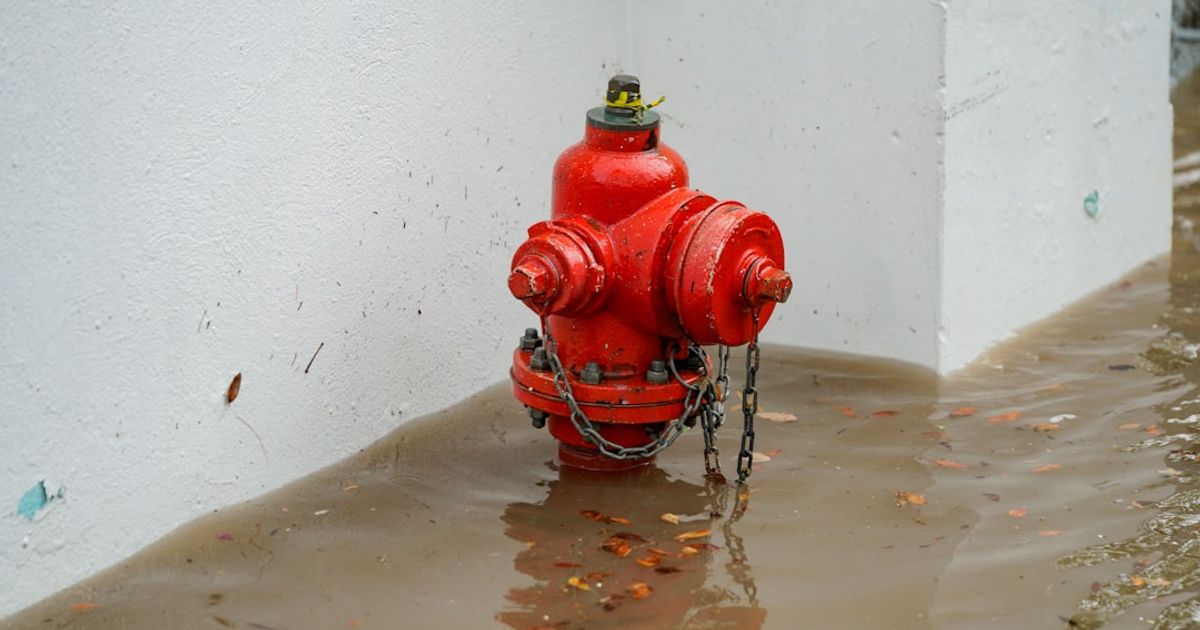
Leaking Pipe Emergency: Detection, Temporary Fixes & When to Call 24/7 Plumber
A leaking pipe can turn into a homeowner's worst nightmare. What starts as a small drip behind your wall can quickly escalate into thousands of dollars in water damage, mold growth, and structural compromise. In my 20 years as a licensed plumber, I've responded to countless emergency calls where homeowners wish they'd acted faster—or known what to do in those critical first minutes.
The difference between a manageable repair and a catastrophic situation often comes down to three things: recognizing the signs early, knowing your immediate action steps, and understanding when professional help is truly urgent. This comprehensive guide walks you through everything you need to know about leaking pipe emergencies, from detection to temporary stabilization to deciding whether you need a 24/7 emergency plumber.
Understanding how to respond to a leaking pipe emergency isn't just about saving money on repairs—it's about protecting your family's safety, your home's integrity, and your peace of mind.
How to Spot a Leaking Pipe: Early Warning Signs
The most dangerous leaks are often the ones you can't see. While some pipes burst spectacularly with water spraying everywhere, many leaks develop gradually behind walls, under floors, or in crawl spaces. Catching these early can save you tens of thousands of dollars in water damage restoration.
Visible Water Stains and Discoloration
Water stains on ceilings, walls, or floors are your home's way of sending an SOS signal. These typically appear as brown, yellowish, or dark patches that expand over time. Pay special attention to:
- Ceiling stains: Usually indicate leaks from pipes or fixtures on the floor above
- Wall stains: Often signal horizontal pipe leaks within the wall cavity
- Floor stains: May indicate leaks in pipes running beneath your flooring or in your basement/crawl space
- Stains around baseboards: Common indicator of leaks in pipes running along the foundation
If you notice fresh water stains (lighter in color, still damp to the touch), this indicates an active leak that needs immediate attention. Older stains that are completely dry might indicate a past leak that's since resolved, but I'd still recommend having a plumber inspect it.
Unusual Sounds and Noises
Your plumbing system shouldn't make much noise beyond normal water flow sounds. If you hear these sounds, a leak may be developing:
- Hissing or spraying sounds: Often indicates water escaping under pressure from a small hole or crack
- Dripping sounds: Steady dripping behind walls or in crawl spaces suggests active water escape
- Bubbling or gurgling: Can indicate water pooling in unusual locations
- Banging or hammering: While often caused by water hammer (a different issue), can sometimes accompany pipe stress from leaks
I recommend listening to your plumbing system when it's quiet. Many homeowners never notice these warning sounds because they're masked by daily activity. Take 10 minutes on a quiet evening to listen carefully in your basement, crawl space, or near visible pipes.
Musty Odors and Mold Growth
One of the earliest indicators of a hidden leak is a musty, earthy smell. This odor comes from mold growth that thrives in damp environments created by water leaks. Look for:
- Black or green mold spots: Especially in corners, around baseboards, or on ceiling areas
- Persistent musty smell: Indicates moisture accumulation even if you can't see mold yet
- Discolored drywall or insulation: Suggests water saturation
- Soft or spongy materials: Wood, insulation, or drywall that feels damp or deteriorated
Mold isn't just a cosmetic problem—it poses health risks, particularly for children, elderly family members, and anyone with respiratory issues. If you notice mold growth, don't ignore it. This is often a sign that a leak has been present for weeks or months.
Increased Water Bills
Your water bill is an excellent early warning system for hidden leaks. A sudden spike in your water usage—even without any obvious signs of water waste—often indicates a leak somewhere in your system.
- Monitor your baseline: Know what your typical monthly water bill is
- Sudden increases: A jump of 10% or more warrants investigation
- Check for obvious waste: Before assuming a leak, verify that no toilets are running, no faucets are dripping, and you haven't changed your usage patterns
- Read your meter: If you suspect a leak, check your water meter before and after a 2-hour period when no water should be used
In my experience, a hidden leak can waste 2,000-10,000 gallons per month, translating to $20-$100+ in extra water charges. Finding and fixing the leak quickly pays for itself.
Soft Spots in Flooring or Foundation
Water damage compromises structural integrity. If you notice:
- Soft or spongy flooring: Indicates water saturation in subfloor materials
- Buckling or warping wood floors: Sign of prolonged moisture exposure
- Cracks in foundation or concrete: Can indicate water pressure from leaking pipes
- Settling or sloping floors: May suggest water damage to support structures
These signs indicate that a leak has been present for an extended period and requires immediate professional assessment.
Immediate Actions: Locate Your Water Shut-Off Valve
When you discover a leaking pipe emergency, your first action should be locating and understanding your water shut-off valve. This single action can mean the difference between a contained problem and catastrophic water damage.
Finding Your Main Water Shut-Off Valve
Your main water shut-off valve controls all water flowing into your home. Locating it before an emergency means you won't waste precious minutes searching during a crisis.
Common locations:
- Basement or crawl space: Usually near where the main water line enters your foundation
- Garage: Often along an exterior wall
- Under the kitchen sink: In some homes, particularly those with slab foundations
- Utility room or mechanical room: Near your water heater
- Exterior wall: Some homes have the valve on the outside of the house
- Meter box: In some areas, the shut-off is located near your water meter
Identifying the valve:
The main shut-off valve typically looks like a lever handle (ball valve) or a round knob (gate valve). A ball valve has a handle that's parallel to the pipe when open and perpendicular when closed. A gate valve has a round knob that turns clockwise to close.
Testing Your Shut-Off Valve
Don't wait for an emergency to test your shut-off valve. Here's how to do it safely:
- Choose a time when water usage is low: Early morning or late evening works best
- Locate the valve: Refer to your home's blueprints or ask your water company for assistance
- Turn it slowly: Rotate the handle or knob clockwise until it stops—don't force it
- Wait 30 seconds: Allow water pressure to equalize
- Check water flow: Open a nearby faucet to confirm water has stopped
- Turn it back on: Rotate counterclockwise slowly to restore water flow
- Test another faucet: Verify water is flowing normally again
If your valve doesn't work, won't turn, or seems stuck, call a plumber immediately. A non-functional shut-off valve during a leak emergency is extremely problematic.
Secondary Shut-Off Valves
Many homes have additional shut-off valves for specific areas:
- Under sinks: Controls water to that particular sink
- Behind toilets: Controls water supply to the toilet
- Near water heater: Controls hot water supply
- Exterior faucets: Often have individual shut-offs inside the home
Familiarize yourself with these secondary valves as well. They allow you to isolate problems without shutting off water to your entire home.
Temporary Fixes While Waiting for the Plumber
Once you've shut off the main water supply, temporary fixes can minimize additional damage while you wait for emergency plumber response. These solutions are not permanent—they're designed to buy you time and prevent further water escape.
Using Pipe Repair Clamps
Pipe repair clamps are inexpensive ($10-$30) and highly effective for small leaks. They work by compressing a rubber pad against the leak point.
How to apply a pipe repair clamp:
- Dry the area completely: Use towels to remove all moisture from the pipe
- Position the clamp: Center it over the leak point
- Tighten the bolts: Turn each bolt evenly, alternating between them to maintain pressure
- Check for leaks: Monitor for 15 minutes to ensure the seal is holding
- Recheck periodically: These clamps can loosen over time, so verify they're still tight
Pipe clamps work best on small pinhole leaks or slow drips. They're less effective on larger cracks or burst sections.
Applying Pipe Repair Tape
Self-fusing silicone tape (also called self-amalgamating tape) creates a temporary seal by bonding to itself rather than the pipe.
Application steps:
- Clean and dry the pipe: Remove any debris, corrosion, or moisture
- Start wrapping: Begin the tape 2 inches before the leak point
- Overlap as you wrap: Each wrap should overlap the previous layer by 50%
- Stretch slightly: The tape works better when slightly stretched as applied
- Wrap past the leak: Continue 2 inches beyond the damage
- Press firmly: Ensure good contact between tape layers
This temporary solution typically lasts 24-48 hours. It's ideal for small cracks or pinhole leaks but won't hold on larger ruptures.
Using Epoxy Putty
Two-part epoxy putty can seal small leaks temporarily. This method works on both metal and plastic pipes.
Application process:
- Mix the putty: Knead equal parts of the two components until uniform in color
- Dry the pipe: Remove all moisture from the affected area
- Apply the putty: Press it firmly into and around the leak
- Shape it: Form a mound that extends at least 1 inch beyond the leak in all directions
- Allow curing time: Follow product instructions—typically 24 hours before water pressure is reapplied
Epoxy putty is more durable than tape but requires longer curing time. Don't turn water back on until the putty has fully hardened.
Wrapping with Plumber's Tape and Hose Clamps
For small leaks, combining plumber's tape with hose clamps provides a quick temporary seal.
- Wrap the leak area: Apply plumber's tape around the pipe, overlapping each layer by 50%
- Apply hose clamps: Position clamps over the taped area
- Tighten the clamps: Turn the screw clockwise until snug (don't over-tighten)
- Space clamps evenly: Place them 1-2 inches apart along the leak
- Monitor for leaks: Check within 15 minutes and periodically thereafter
Water Damage Mitigation: Protect Your Home
While addressing the leak itself, you must simultaneously protect your home from water damage. Water damage restoration costs $7-$10 per square foot, making prevention crucial.
Immediate Water Removal
Standing water accelerates mold growth and structural damage. Begin removal immediately:
- Use towels and buckets: For small amounts of water, towels and mop-up is effective
- Rent a wet/dry vacuum: For larger accumulations, a wet/dry shop vacuum removes water efficiently
- Consider a submersible pump: For significant water pooling (more than a few inches), a small submersible pump can move water quickly
- Direct water away from structures: If water is flowing, direct it toward floor drains or outside
Improving Air Circulation
Mold thrives in damp, stagnant environments. Increasing air circulation helps dry affected areas:
- Open windows: Bring in fresh air and create cross-ventilation
- Use fans: Position box fans or portable fans to direct air across wet areas
- Turn on exhaust fans: Bathroom and kitchen exhaust fans help remove moisture
- Dehumidifiers: Portable dehumidifiers extract moisture from the air
- Air conditioning: Running your AC helps remove humidity from the home
Protecting Belongings
Move items away from water to prevent loss:
- Furniture and soft goods: Move away from affected areas
- Electronics: Unplug and remove from water exposure
- Important documents: Move to a safe, dry location
- Valuables: Relocate items of sentimental or financial value
Preventing Mold Growth
Mold can begin growing within 24-48 hours of water exposure:
- Maintain humidity below 50%: Use dehumidifiers as needed
- Keep air moving: Fans and open windows help prevent mold
- Clean wet surfaces: Wipe down surfaces with a mixture of water and white vinegar
- Don't use bleach: On porous materials like drywall, bleach is ineffective; focus on drying instead
- Monitor for mold: Check daily for any mold growth and address immediately
When a Leak Is a True Emergency vs. Can Wait
Not every leak requires an emergency plumber call. Understanding the difference helps you make smart decisions about response urgency and cost.
True Emergency Situations (Call 24/7 Plumber Immediately)
Active burst or major leak: Water spraying or flowing from a pipe requires immediate professional response. These situations can cause thousands of dollars in damage within hours.
Multiple leak points: If you discover leaks in several locations, this suggests a systemic problem requiring urgent assessment.
Leaks affecting electrical systems: Water near electrical panels, outlets, or wiring creates serious safety hazards. Shut off water immediately and call both a plumber and electrician.
Leaks in walls or floors: Hidden leaks cause damage you can't see. These require professional location and repair.
Water entering living spaces: Active water pooling in basements, crawl spaces, or living areas needs immediate attention.
Frozen pipes with active leaks: In winter, frozen pipes that have burst require urgent repair before thawing causes additional damage.
Sewer line leaks: Leaks from sewer lines pose health hazards and require immediate professional attention.
Gas line leaks: If you suspect a leak near a gas line, evacuate immediately and call your gas company and a plumber.
Non-Emergency Situations (Can Schedule During Business Hours)
Slow drips from fixtures: A slow, steady drip from a faucet or under-sink pipe can usually wait 24-48 hours for a scheduled appointment.
Leaks at connection points: Small leaks at pipe joints or connections often just need tightening, which can be scheduled.
Water heater leaks: If your water heater is leaking slowly and you've placed a bucket underneath, you have time to schedule repair during business hours (though don't delay more than a few days).
Toilet leaks: Most toilet leaks (running water, slow drips) are non-emergency and can be scheduled.
Faucet leaks: Dripping faucets are annoying but not emergencies, though they waste water and should be repaired.
Emergency Response Times and Costs
Emergency plumber response times typically range from 30 minutes to 2 hours, depending on call volume and your location. Emergency rates are generally 1.5x to 2x higher than standard rates:
- Standard hourly rate: $75-$150
- Emergency rate: $150-$300 per hour
- After-hours surcharge: $50-$150 additional
- Weekend/holiday surcharge: $50-$150 additional
- Emergency call-out fee: $150-$300 (often applied to first hour of work)
While these costs seem high, they're minimal compared to water damage restoration costs, which can exceed $10,000 for significant damage.
Documenting the Leak: Insurance & Repair Records
Proper documentation protects you financially and helps ensure quality repairs.
Photographing and Videoing the Damage
Take comprehensive photos and videos before repairs begin:
- Wide shots: Show the overall affected area
- Close-ups: Document specific damage, stains, or leak points
- Multiple angles: Capture the problem from different perspectives
- Date and time: Note when photos were taken
- Video walkthrough: Record a narrated video of all damage
Store these files in cloud storage (Google Photos, Dropbox, iCloud) for safekeeping.
Creating a Damage Inventory
Document all affected items:
- Materials damaged: Drywall, insulation, flooring, etc.
- Items lost or damaged: Furniture, belongings, valuables
- Estimated costs: Research replacement costs for damaged items
- Location details: Specific rooms and areas affected
Obtaining Repair Quotes
Get multiple quotes for both plumbing repair and water damage restoration:
- Get 3 quotes minimum: Compare pricing and approaches
- Get detailed estimates: Ensure quotes specify what's included
- Ask about guarantees: Quality repairs should include warranties
- Verify licensing: Confirm plumbers are licensed and insured
- Check references: Ask for customer references, especially for water damage restoration
Filing Insurance Claims
If your homeowner's insurance covers the damage:
- Report promptly: Most policies require claims within 30 days
- Provide documentation: Submit photos, videos, and damage inventory
- Keep receipts: Save all receipts for repairs and replacements
- Don't discard damaged items: Keep them for insurance adjuster inspection
- Get adjuster inspection: Allow the insurance company to assess damage
- Follow up regularly: Track your claim status and deadlines
Maintaining Repair Records
Keep detailed records of all repairs:
- Repair invoices: Save copies of all work performed
- Parts and materials: Document what was replaced
- Plumber information: Keep contractor name, license number, contact info
- Warranty documentation: File any warranties on new parts or repairs
- Before/after photos: Maintain visual documentation of repairs
These records prove the work was completed professionally and help with future claims or disputes.
Pro Secrets Most Homeowners Don't Know
After 20 years in emergency plumbing, I've learned that homeowners often miss critical information that could save them thousands of dollars.
The Hidden Leak Discovery Method
Most hidden leaks are discovered by accident or only after significant damage occurs. Here's a professional technique: Check your water meter without using any water. Note the reading, wait 2 hours without running any water, then check again. If the meter has advanced, you have a leak. This simple test catches hidden leaks long before water damage becomes visible.
Why Older Homes Have More Leaks
Pipes don't last forever. Galvanized steel pipes (common in homes built before 1980) typically fail after 40-50 years. Copper pipes last 50-70 years. If your home is older and you're experiencing multiple leaks, the entire system may be failing. A professional assessment can determine whether individual repair or full replacement makes financial sense.
The Insurance Coverage Gap
Here's what surprises homeowners: Most homeowner's insurance covers sudden, accidental leaks but NOT slow leaks or leaks caused by poor maintenance. If a pipe bursts unexpectedly, you're likely covered. If a pipe corroded over years and finally leaked, insurance may deny the claim. This distinction makes preventive maintenance incredibly valuable.
Temporary Fixes Rarely Hold Long-Term
I've seen homeowners apply temporary fixes and assume they've solved the problem. In reality, these solutions typically last days to weeks at most. The underlying issue remains and often worsens. Temporary fixes are exactly that—temporary. They buy time for professional repair, not a permanent solution.
Water Damage Happens Faster Than You Think
Mold can begin growing within 24-48 hours. Structural damage accelerates after 72 hours. This timeline is why emergency response matters. A leak that seems minor can become catastrophic within days if left unaddressed.
Conclusion
A leaking pipe emergency requires quick thinking, immediate action, and knowing when to call for professional help. The steps outlined in this guide—from early detection through documentation—give you the knowledge to respond effectively.
Remember: Your main water shut-off valve is your first line of defense. Knowing its location and how to operate it can prevent thousands in damage. Temporary fixes buy time but aren't permanent solutions. And when a leak is truly urgent, professional emergency plumber response is worth every penny.
If you're facing a leaking pipe emergency right now, don't delay. Find trusted emergency plumbers in your area who can respond quickly and professionally. The cost of emergency response is minimal compared to the cost of water damage restoration. Your home—and your peace of mind—are worth protecting.
For future prevention, have your plumbing system inspected annually, maintain your water heater, and address minor leaks immediately before they become emergencies. Proactive maintenance is always more cost-effective than reactive emergency repair.

Frequently Asked Questions
Q:Is a slow drip from a pipe a true emergency?
A: Not necessarily. A slow, steady drip from a visible pipe can usually wait 24-48 hours for a scheduled appointment, though you should address it promptly to prevent water waste. However, if the drip is coming from inside a wall, ceiling, or floor, it requires urgent professional attention because hidden water causes damage you can't see. When in doubt, call a plumber to assess the situation.
Q:What should I do if I can't locate my water shut-off valve?
A: First, contact your water utility company—they can tell you the location or help you find it. Check your home's blueprints if available. Common locations include the basement, garage, exterior wall near the foundation, or utility room. If you still can't find it, call a plumber to locate and mark it for you. Never wait for an emergency to discover you can't find this critical valve.
Q:Can I use duct tape to fix a leaking pipe?
A: Duct tape is not recommended for pipe repairs. While it might temporarily slow a leak, it won't create a proper seal and often fails within hours. Use proper pipe repair materials instead: self-fusing silicone tape, pipe repair clamps, or epoxy putty. These are inexpensive ($10-$30) and far more effective than duct tape.
Q:How quickly can water damage occur?
A: Water damage happens faster than most people realize. Mold can begin growing within 24-48 hours of water exposure. Structural damage accelerates after 72 hours. This is why emergency response matters—what seems like a minor leak can cause significant damage within days if left unaddressed.
Q:Will homeowner's insurance cover my leaking pipe?
A: It depends. Most homeowner's insurance covers sudden, accidental leaks (like a burst pipe) but not slow leaks caused by poor maintenance or aging pipes. Gradual leaks from corrosion or wear are typically considered maintenance issues and aren't covered. Review your specific policy or contact your insurance agent to understand your coverage.
Q:What's the difference between an emergency plumber and a regular plumber?
A: Emergency plumbers are available 24/7, including nights, weekends, and holidays. They respond quickly (typically 30 minutes to 2 hours) to urgent situations. Regular plumbers typically work business hours and require scheduling in advance. Emergency plumbers charge premium rates (1.5x to 2x standard rates) but provide critical service when you need it most. The higher cost is justified by their availability and rapid response.
Q:Should I turn off water to my entire home for a small leak?
A: For a small, visible leak in one area, you can often shut off the secondary valve serving just that fixture or area (under the sink, behind the toilet, etc.). This allows you to maintain water to the rest of your home. Only shut off the main valve if the leak is large, affects multiple areas, or you can't locate a secondary shut-off valve. However, if you're unsure, shutting off the main valve is the safer choice to prevent additional damage.