
Plumbing Emergency vs. Routine Repair in Plano TX

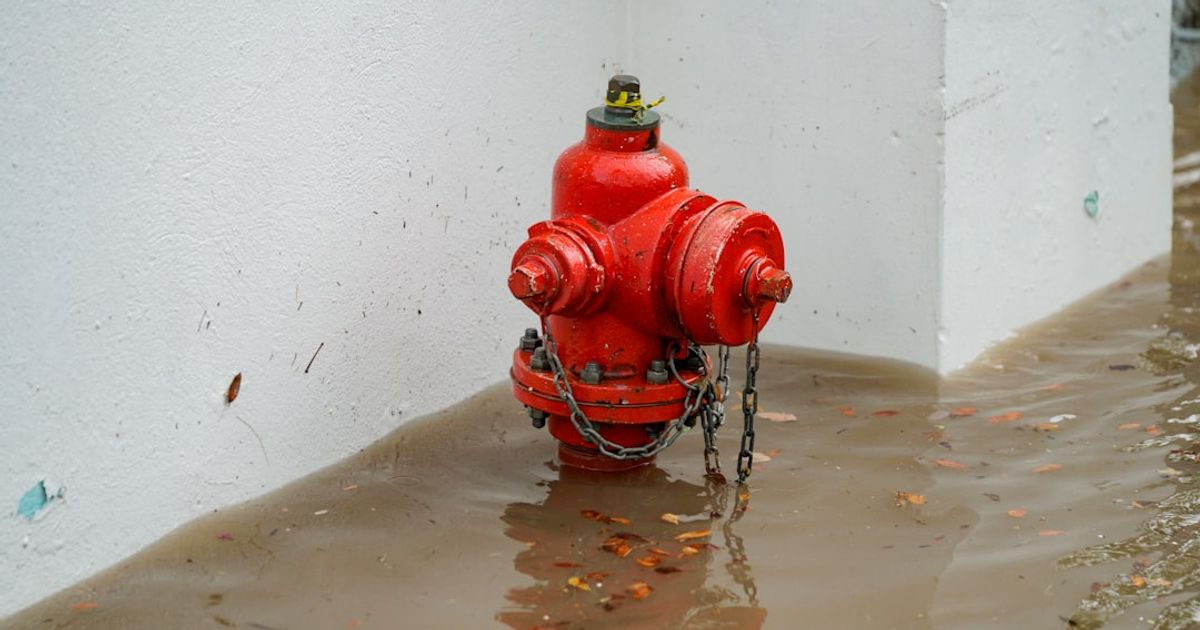
What Is Considered a Plumbing Emergency in Plano TX vs. Routine Repair?
Quick Answer
A plumbing emergency in Plano, TX is any situation causing active water damage, health hazards, or complete loss of essential services that requires immediate attention to prevent property damage or safety risks. This includes burst pipes, sewage backups, no hot water in winter, and complete water loss. Routine repairs like slow drains, minor leaks, or running toilets can typically wait until business hours without causing damage.
What Qualifies as a Plumbing Emergency in Plano, TX
Understanding the difference between a true plumbing emergency and a routine repair can save Plano homeowners significant money while ensuring you get help when you really need it. Emergency plumbing situations demand immediate attention because they pose immediate threats to your home's structural integrity, your family's health, or create unsanitary conditions. In Plano, TX, where homes range from newer suburban developments to established neighborhoods with aging infrastructure, knowing what constitutes an emergency is critical.
A plumbing emergency is defined as any situation where water is actively damaging your property, where you have no access to essential water services, or where there's an immediate health or safety risk. In Plano, Texas, emergency plumbers charge premium rates—typically $150-$300 just for the after-hours service call, plus $100-$200 per hour for labor—making it important to reserve emergency services for genuine crises.
The most common plumbing emergencies in Plano include burst pipes that are spraying water inside your home, sewage backing up into bathrooms or the main floor, complete loss of water pressure throughout the house, and gas line issues (though these require both a plumber and gas company in Plano). These situations cannot wait because they either cause immediate damage or create health hazards that threaten your family.
Plano's climate and infrastructure create specific emergency patterns. While Plano doesn't experience the severe freezing that northern states do, occasional cold snaps in January and February can cause pipes to freeze, especially in homes with poor insulation or pipes running through exterior walls. Additionally, Plano's aging sewer systems in some neighborhoods are susceptible to root intrusion and backups, particularly in spring when tree roots are actively growing.
Emergency situations also include scenarios where you have no hot water during winter months, which can quickly become a health concern for families with young children or elderly members. Complete water loss—where no water comes from any fixture in your home—is always an emergency because it prevents basic sanitation and makes the home uninhabitable.
In contrast, routine plumbing repairs in Plano are issues that, while inconvenient, don't cause immediate damage or create health risks if they wait 12-24 hours. A slowly dripping faucet, a running toilet that's filling the tank, a slow-draining sink, or a minor leak under the sink are all examples of routine repairs that can be scheduled during normal business hours. These issues might waste water and increase your utility bill, but they won't cause structural damage or health hazards in the short term.
Burst Pipes & Water Damage Situations
Burst pipes represent one of the most serious plumbing emergencies in Plano, TX, and they demand immediate professional attention. When a pipe bursts, water flows at high pressure into your walls, crawl space, attic, or basement, causing thousands of dollars in damage within hours. In Plano's climate, burst pipes most commonly occur during the rare but impactful cold snaps when temperatures drop below freezing, or when older homes have corroded pipes that finally fail under normal water pressure.
A burst pipe is always an emergency because the damage compounds exponentially with time. Water seeping into your home's structure causes mold growth, structural rot, and damage to insulation, drywall, flooring, and electrical systems. Mold remediation alone can cost $2,000-$6,000 in Plano, making prevention and rapid response critical. If you notice water spraying from a pipe, water pooling in your basement or crawl space, or sudden wet spots appearing on your ceiling or walls, this is a genuine emergency requiring an immediate call to a 24/7 emergency plumber in Plano.
Other water damage emergencies include water heater failures that cause flooding, washing machine supply line ruptures, or main water line breaks at your property line. These situations all involve active water flow that causes damage every minute the problem persists. In Plano, TX, the average cost of water damage restoration is $7-$10 per square foot, meaning a 500-square-foot affected area could cost $3,500-$5,000 to restore. This is why emergency response is so important—calling within the first hour of discovering a burst pipe can prevent thousands in additional damage.
The warning signs of an imminent pipe burst include unexplained wet spots on walls or ceilings, a sudden drop in water pressure throughout your home, discolored water coming from your taps, or strange clanking sounds in your walls when you use hot water. If you notice any of these signs in your Plano home, call an emergency plumber immediately. Don't wait to see if the problem resolves itself—it won't.
In Plano, burst pipes in crawl spaces are particularly problematic because homeowners often don't discover them until significant damage has occurred. If you have a crawl space, consider having a plumber inspect it during routine maintenance visits. Many emergency plumbers in Plano offer crawl space inspections for $150-$250, which is a worthwhile investment for older homes.
Water damage from burst pipes can also affect your homeowner's insurance. Most policies cover burst pipes, but they typically don't cover damage from lack of maintenance or neglect. This is another reason to act quickly—documenting the emergency and having a licensed plumber in Plano, TX address it immediately helps protect your insurance claim.
Sewage Backups & Health Hazards
Sewage backups are among the most serious plumbing emergencies in Plano, Texas, and they create immediate health hazards that make your home unsafe to occupy. A sewage backup occurs when wastewater backs up into your home through drains, toilets, or showers instead of flowing out to the municipal sewer system or septic tank. This is a genuine emergency that requires professional response from a licensed plumber in Plano within hours, not days.
Sewage contains harmful bacteria, viruses, and parasites including E. coli, hepatitis A, and cryptosporidium. Exposure to sewage can cause serious illness, particularly in children, elderly family members, or people with compromised immune systems. If sewage is backing up into your home in Plano, you should restrict access to affected areas and call an emergency plumber immediately. This is not a situation to attempt DIY solutions—professional remediation is essential.
Common signs of a sewage backup in Plano homes include multiple drains backing up simultaneously (toilets, showers, and sinks all affected), raw sewage appearing in basement drains or the lowest-level bathroom, a strong sewage smell coming from drains or your yard, and unusually lush patches of grass in your yard (which can indicate a sewer line leak). If you notice any of these signs, call an emergency plumber in Plano immediately.
Sewage backups in Plano are often caused by tree root intrusion into sewer lines, a common problem in established neighborhoods where mature trees' roots seek out moisture from underground pipes. Other causes include collapsed or damaged sewer lines, grease buildup in municipal sewer lines, or blockages from non-flushable items. Plano's municipal sewer system occasionally experiences backups during heavy rain events when the system becomes overwhelmed, but this typically affects multiple homes in an area rather than just one property.
The cost of addressing a sewage backup in Plano ranges from $300-$800 if it's a simple clog in your main line, to $2,000-$8,000 if the municipal sewer line is the problem and requires professional jetting or excavation. If tree roots have invaded your sewer line, repair costs can reach $3,000-$25,000 depending on the extent of damage and whether the line needs to be replaced. This is why emergency response is critical—early intervention can prevent the need for expensive sewer line replacement.
After a sewage backup is addressed, you'll need professional cleaning and potentially mold remediation. Never attempt to clean sewage-contaminated areas yourself. Licensed professional remediation companies in Plano charge $1,500-$5,000 for thorough cleanup and sanitization, but this is a necessary expense for health and safety.
To prevent sewage backups in your Plano home, avoid flushing non-flushable items (even "flushable" wipes cause problems), don't pour grease down drains, and have your sewer line inspected every 3-5 years if you have mature trees on your property. Many emergency plumbers in Plano offer sewer line camera inspections for $300-$500, which can identify problems before they become emergencies.
No Hot Water or Complete Water Loss
No hot water during winter months in Plano, Texas qualifies as an emergency, particularly if you have young children, elderly family members, or anyone with health conditions requiring warm water. While no hot water during summer is inconvenient but not dangerous, the inability to bathe in warm water during Plano's winter months (December through February) creates health risks and makes your home uncomfortable enough to warrant emergency response.
A complete loss of hot water can result from several issues: your water heater has failed, the gas supply to your water heater has been interrupted, or there's a problem with your water heater's thermostat or heating element. In Plano, water heater failures are most common in homes with older units (over 10 years old) or during winter when the heater is working overtime. If you have no hot water and you have young children or elderly family members in your home, call an emergency plumber in Plano immediately.
The cost of emergency water heater repair in Plano ranges from $200-$500 for simple fixes like a failed thermostat or heating element, to $1,200-$2,000 for emergency replacement of a failed unit. While this is expensive, it's justified when you have family members who need warm water for health and hygiene reasons. Many emergency plumbers in Plano can install a replacement water heater within 24 hours, though emergency installation fees add $200-$400 to the standard cost.
Complete water loss—where no water comes from any fixture in your home—is always an emergency because it makes your home uninhabitable and creates health and sanitation issues. Complete water loss in Plano can result from a main water line break at your property line, a failure of the municipal water main serving your neighborhood, or a complete system failure in your home's plumbing. If you have no water at all, first check with neighbors to see if they also have no water. If the problem is neighborhood-wide, contact the City of Plano's Water Utilities Department. If only your home is affected, call an emergency plumber in Plano immediately.
A main water line break in Plano can cost $1,500-$3,500 to repair if it's a simple break in an accessible location, or $5,000-$15,000 if the line runs under your foundation or driveway. Emergency response is critical because water continues to flow out of the break, wasting water and potentially causing foundation damage or flooding in your yard.
If you lose water during winter in Plano, this can also be an emergency because frozen pipes may be the cause. If you suspect frozen pipes, call an emergency plumber in Plano rather than attempting to thaw them yourself. Improper thawing techniques can damage pipes or create fire hazards.
Partial water loss—where you have water pressure at some fixtures but not others—is usually not an emergency unless it affects all hot water or all water to essential areas. A single faucet losing pressure can usually wait until business hours, but if you lose water to all bathrooms or the kitchen, call an emergency plumber in Plano to ensure there isn't a main line problem.
Routine Issues That Can Wait Until Morning
Many plumbing problems that feel urgent are actually routine issues that can safely wait until business hours without causing damage. Understanding the difference between true emergencies and routine repairs helps Plano homeowners avoid unnecessary emergency service charges, which typically cost 1.5-2 times more than standard rates.
A slowly dripping faucet is a routine repair that can wait. While it wastes water and increases your utility bill, it won't cause damage if you wait 12-24 hours for a plumber. A running toilet—where water continuously flows from the tank into the bowl—is also routine. While annoying and wasteful, a running toilet won't cause damage overnight. You can temporarily stop the water waste by turning off the water supply valve behind the toilet (usually located at the base of the toilet). This simple step prevents water waste while you wait for a plumber.
Slow drains in individual sinks, showers, or tubs are routine unless they affect all drains in your home (which could indicate a main line problem). A slow drain in your kitchen sink can usually wait until morning, when a plumber can properly diagnose and fix the problem. You can temporarily improve drainage by using a plunger or removing visible debris, but avoid chemical drain cleaners, which can damage pipes and create hazards for professional plumbers.
Minor leaks under sinks or from toilet supply lines are routine if the leak is slow and you can place a bucket to catch the water. These leaks won't cause immediate damage if they're contained, but they should be repaired within 24-48 hours to prevent water damage. If you notice a leak, turn off the water supply valve to that fixture (most sinks and toilets have individual shut-off valves) to stop the leak while you wait for a plumber.
A leaking water heater is routine if the leak is slow (a few drops per hour) and you can contain the water. However, if the leak is rapid or if your water heater is actively draining, this becomes an emergency. If you're unsure, it's better to err on the side of caution and call an emergency plumber in Plano.
A single toilet that won't flush or is overflowing is routine if you can turn off the water supply valve and contain the water. Multiple toilets not flushing simultaneously could indicate a main line problem, which would be an emergency. Low water pressure at a single fixture is routine, but low pressure throughout your entire home could indicate a main line problem and warrants emergency attention.
Strange noises in your pipes—banging, whistling, or rattling sounds—are usually routine issues related to water pressure or loose pipes, though they can sometimes indicate more serious problems. If noises are accompanied by leaks or loss of water pressure, call an emergency plumber in Plano. If it's just noise without other symptoms, this can wait until business hours.
In Plano, TX, most routine plumbing repairs cost $150-$300 during standard business hours, compared to $300-$500+ for emergency service calls. By correctly identifying which issues are truly emergencies, you can save significant money while ensuring you get help when you genuinely need it.
FAQ: Answering Common Emergency Plumbing Questions
What should I do immediately if I discover a burst pipe in my Plano home?
If you discover a burst pipe in your Plano home, take immediate action to minimize water damage. First, locate your main water shut-off valve—it's typically located near your water meter at the front of your property or in your basement—and turn it off immediately. This stops water flow from the burst pipe. Next, open all faucets in your home to drain remaining water from the pipes. Turn off your water heater to prevent damage. Then call an emergency plumber in Plano immediately. Document the damage with photos for your insurance claim. If water is actively damaging electrical systems or if you smell gas, evacuate your home and call 911. While waiting for the plumber, move valuables away from the affected area and use towels or buckets to contain water. Don't attempt to repair the burst pipe yourself—this requires professional expertise and specialized tools. Emergency plumbers in Plano typically respond within 30-60 minutes during peak times.
How do I know if my water heater failure is an emergency in Plano?
Your water heater failure is an emergency in Plano if you have young children, elderly family members, or anyone with health conditions requiring warm water, especially during winter months. It's also an emergency if your water heater is actively leaking and flooding your basement or utility room. If you simply have no hot water but it's summer and you have no vulnerable family members, this is routine and can wait until morning. To determine if your water heater is failing, check if you have no hot water from any fixture, if you hear strange rumbling or banging sounds from the water heater, or if you see water pooling around the base of the unit. If you have a gas water heater and smell gas, this is an emergency—evacuate your home and call 911. Call an emergency plumber in Plano if you have no hot water during winter or if your water heater is actively leaking. Repair costs typically range from $200-$500, with emergency replacement running $1,200-$2,000.
What are the signs that my sewer line is backing up in Plano?
Sewer line backups in Plano create serious health hazards and require emergency professional response. The primary sign is raw sewage appearing in your lowest-level drains, typically in the basement bathroom or lowest-level shower. Other signs include multiple drains backing up simultaneously (not just one sink or toilet), a strong sewage smell coming from your drains or yard, unusually lush patches of grass in your yard (indicating a leak from your sewer line), or slow drains throughout your entire home. If you notice any of these signs, call an emergency plumber in Plano immediately. Don't attempt to use any plumbing fixtures until the problem is addressed, as this worsens the backup. Avoid the affected area, especially if raw sewage is visible, as it contains harmful bacteria and parasites. Emergency plumbers in Plano can diagnose sewer line problems using camera inspection and typically charge $300-$800 for main line cleaning or $2,000-$8,000 for more extensive repairs. Tree root intrusion, which is common in Plano's established neighborhoods, may require sewer line replacement costing $3,000-$25,000.
Can I safely wait until morning to call a plumber for a slowly dripping faucet in Plano?
Yes, a slowly dripping faucet is a routine repair that can safely wait until morning without causing damage to your Plano home. A faucet dripping at a rate of one drop per second wastes approximately 3,000 gallons of water per year, which will increase your water bill, but it won't cause structural damage or create health hazards overnight. You can turn off the water supply valve under the sink (usually located at the base of the faucet) to stop the drip while you wait for a plumber during business hours. Routine faucet repairs typically cost $150-$250 during standard hours, compared to $300-$500+ for emergency service. The only exception is if the dripping faucet is accompanied by other symptoms like water damage, mold growth, or if the leak is actually a spray rather than a drip, which could indicate a more serious problem. In that case, call an emergency plumber in Plano. For simple drips, schedule an appointment with a standard plumber during business hours to save money.
How quickly do emergency plumbers in Plano typically respond?
Emergency plumbers in Plano typically respond within 30-60 minutes during standard evening and weekend hours (typically 5 PM to 8 AM and all day Saturday-Sunday). During peak emergency times—particularly during cold snaps in January and February when frozen pipes are common, or after heavy rain when sewage backups occur—response times may extend to 90-120 minutes because all available plumbers are already on calls. Late-night calls (after 11 PM) may have longer response times than evening calls. When you call an emergency plumber in Plano, ask for an estimated arrival time. If you're told it will be more than 2 hours, ask if another plumbing company can arrive faster, as you may want to contact multiple companies simultaneously to get the fastest response. Response time varies by emergency plumbing company in Plano—larger companies with multiple trucks typically respond faster than single-plumber operations. Have your address and a description of the problem ready when you call, as this helps dispatchers route the nearest available plumber to your location. Most emergency plumbers in Plano charge a $150-$300 service call fee just for arriving, regardless of whether they can fix the problem immediately.
What's the difference between a water heater leak and a burst pipe emergency in Plano?
A water heater leak is typically less urgent than a burst pipe, though it still requires professional attention within 24 hours. A leaking water heater usually leaks slowly from the bottom of the tank—a few drops per hour—and you can place a bucket or towel under it to contain the water while you wait for a plumber during business hours. A water heater leak isn't an emergency unless it's actively flooding your basement or utility room, in which case you should call an emergency plumber in Plano immediately. In contrast, a burst pipe sprays water at high pressure and causes damage within minutes. A burst pipe requires emergency response because water is actively damaging your walls, insulation, or foundation. If your water heater is leaking slowly, you can schedule a standard appointment with a plumber in Plano and expect to pay $200-$500 for repair or $1,200-$2,000 for replacement. If the leak is rapid or if your water heater is actively flooding your home, call an emergency plumber in Plano and expect to pay emergency rates. To determine if your water heater is leaking or burst, look at the rate of water flow—if it's a slow drip, it's routine; if it's a steady stream or spray, it's an emergency.
When to Call an Emergency Plumber in Plano, TX
Knowing exactly when to call an emergency plumber in Plano helps you make the right decision when you're stressed and unsure. As a general rule, if you're asking "Is this an emergency?" and you're genuinely uncertain, it's often better to err on the side of caution and call. Most emergency plumbers in Plano are happy to answer quick diagnostic questions over the phone, and they can advise whether your situation truly requires emergency service or can wait until morning.
Call an emergency plumber in Plano immediately if:
Water is actively spraying or flooding: If water is coming from a pipe, water heater, or appliance at a rate that's causing visible water damage, this is an emergency. Don't wait—call immediately and turn off your main water valve.
Sewage is backing up into your home: If you see raw sewage in your drains, bathtubs, or showers, this is a health emergency. Call an emergency plumber in Plano immediately and restrict access to affected areas.
You have no water during winter: If you have no water coming from any fixture and it's winter in Plano, call an emergency plumber. This could indicate frozen pipes or a main line break that requires immediate attention.
Your water heater is flooding: If your water heater is actively leaking large amounts of water into your basement or utility room, call an emergency plumber in Plano. If it's just a slow drip, you can wait until morning.
You have no hot water with vulnerable family members: If you have young children, elderly family members, or anyone with health conditions and you have no hot water during winter, call an emergency plumber in Plano, especially if it's evening or nighttime.
Gas smell near plumbing: If you smell gas near your water heater or gas lines, evacuate your home and call 911. Don't use any electrical switches or create sparks. After evacuation, call your gas company and an emergency plumber in Plano.
You can wait until morning to call a plumber in Plano if:
Single fixture issues: If only one faucet, toilet, or drain is affected, this is usually routine. If all fixtures are affected, call an emergency plumber.
Slow leaks you can contain: If you can place a bucket under a leak and it's dripping slowly, you can wait until morning.
Running toilets or slow drains: These are annoying but not emergencies. Turn off the water supply valve to the toilet and schedule a morning appointment.
Minor water pressure loss: If you have low pressure at one fixture, this is routine. If all fixtures have lost pressure, call an emergency plumber.
Conclusion: Trust Your Instincts About Plano Plumbing Emergencies
Understanding what constitutes a plumbing emergency in Plano, TX versus a routine repair is crucial for protecting your home and your wallet. True emergencies—burst pipes, sewage backups, complete water loss, and no hot water during winter with vulnerable family members—demand immediate professional attention from a 24/7 emergency plumber in Plano. These situations cause damage or create health hazards that worsen by the hour, justifying the premium emergency rates of $300-$500+ for service calls.
Routine repairs like slow drains, dripping faucets, running toilets, and minor leaks can safely wait until business hours without causing damage. By correctly categorizing your plumbing problem, you can save significant money—routine repairs typically cost $150-$300 during standard hours compared to $300-$500+ for emergency service—while ensuring you get professional help when you genuinely need it.
The key to making the right decision is understanding the potential for damage and health risks. If water is actively damaging your property, if you have no access to essential services, or if there's an immediate health or safety risk, call an emergency plumber in Plano immediately. If the problem is inconvenient but not causing active damage or health risks, it can wait until morning.
When you do need an emergency plumber in Plano, Texas, have your main water shut-off valve location identified in advance so you can stop water flow immediately. Keep the phone numbers of 2-3 emergency plumbing companies in Plano readily available so you can call quickly if needed. Document any damage with photos for your insurance claim, and don't attempt repairs that are beyond your skill level—professional plumbers in Plano are trained to handle emergencies safely and correctly.
Trust your instincts. If you believe your plumbing situation is an emergency, call an emergency plumber in Plano. They can quickly assess the situation and advise you on next steps. It's always better to call and have a professional confirm that your situation isn't an emergency than to wait and risk thousands of dollars in water damage or health hazards. When you need emergency plumbing service in Plano, TX, professional 24/7 plumbers are standing by to help protect your home and your family.
---
Need an emergency plumber in Plano, TX right now? Contact FindEmergencyPlumber.com to connect with licensed, insured emergency plumbers available 24/7 in your area. We help you find trusted professionals who respond quickly to genuine emergencies and provide transparent pricing. Don't let a plumbing emergency damage your Plano home—get professional help today.

Frequently Asked Questions
Q:What should I do immediately if I discover a burst pipe in my Plano home?
A: If you discover a burst pipe in your Plano home, take immediate action to minimize water damage. First, locate your main water shut-off valve—it's typically located near your water meter at the front of your property or in your basement—and turn it off immediately. This stops water flow from the burst pipe. Next, open all faucets in your home to drain remaining water from the pipes. Turn off your water heater to prevent damage. Then call an emergency plumber in Plano immediately. Document the damage with photos for your insurance claim. If water is actively damaging electrical systems or if you smell gas, evacuate your home and call 911. While waiting for the plumber, move valuables away from the affected area and use towels or buckets to contain water. Don't attempt to repair the burst pipe yourself—this requires professional expertise and specialized tools. Emergency plumbers in Plano typically respond within 30-60 minutes during peak times.
Q:How do I know if my water heater failure is an emergency in Plano?
A: Your water heater failure is an emergency in Plano if you have young children, elderly family members, or anyone with health conditions requiring warm water, especially during winter months. It's also an emergency if your water heater is actively leaking and flooding your basement or utility room. If you simply have no hot water but it's summer and you have no vulnerable family members, this is routine and can wait until morning. To determine if your water heater is failing, check if you have no hot water from any fixture, if you hear strange rumbling or banging sounds from the water heater, or if you see water pooling around the base of the unit. If you have a gas water heater and smell gas, this is an emergency—evacuate your home and call 911. Call an emergency plumber in Plano if you have no hot water during winter or if your water heater is actively leaking. Repair costs typically range from $200-$500, with emergency replacement running $1,200-$2,000.
Q:What are the signs that my sewer line is backing up in Plano?
A: Sewer line backups in Plano create serious health hazards and require emergency professional response. The primary sign is raw sewage appearing in your lowest-level drains, typically in the basement bathroom or lowest-level shower. Other signs include multiple drains backing up simultaneously (not just one sink or toilet), a strong sewage smell coming from your drains or yard, unusually lush patches of grass in your yard (indicating a leak from your sewer line), or slow drains throughout your entire home. If you notice any of these signs, call an emergency plumber in Plano immediately. Don't attempt to use any plumbing fixtures until the problem is addressed, as this worsens the backup. Avoid the affected area, especially if raw sewage is visible, as it contains harmful bacteria and parasites. Emergency plumbers in Plano can diagnose sewer line problems using camera inspection and typically charge $300-$800 for main line cleaning or $2,000-$8,000 for more extensive repairs. Tree root intrusion, which is common in Plano's established neighborhoods, may require sewer line replacement costing $3,000-$25,000.
Q:Can I safely wait until morning to call a plumber for a slowly dripping faucet in Plano?
A: Yes, a slowly dripping faucet is a routine repair that can safely wait until morning without causing damage to your Plano home. A faucet dripping at a rate of one drop per second wastes approximately 3,000 gallons of water per year, which will increase your water bill, but it won't cause structural damage or create health hazards overnight. You can turn off the water supply valve under the sink (usually located at the base of the faucet) to stop the drip while you wait for a plumber during business hours. Routine faucet repairs typically cost $150-$250 during standard hours, compared to $300-$500+ for emergency service. The only exception is if the dripping faucet is accompanied by other symptoms like water damage, mold growth, or if the leak is actually a spray rather than a drip, which could indicate a more serious problem. In that case, call an emergency plumber in Plano. For simple drips, schedule an appointment with a standard plumber during business hours to save money.
Q:How quickly do emergency plumbers in Plano typically respond?
A: Emergency plumbers in Plano typically respond within 30-60 minutes during standard evening and weekend hours (typically 5 PM to 8 AM and all day Saturday-Sunday). During peak emergency times—particularly during cold snaps in January and February when frozen pipes are common, or after heavy rain when sewage backups occur—response times may extend to 90-120 minutes because all available plumbers are already on calls. Late-night calls (after 11 PM) may have longer response times than evening calls. When you call an emergency plumber in Plano, ask for an estimated arrival time. If you're told it will be more than 2 hours, ask if another plumbing company can arrive faster, as you may want to contact multiple companies simultaneously to get the fastest response. Response time varies by emergency plumbing company in Plano—larger companies with multiple trucks typically respond faster than single-plumber operations. Have your address and a description of the problem ready when you call, as this helps dispatchers route the nearest available plumber to your location. Most emergency plumbers in Plano charge a $150-$300 service call fee just for arriving, regardless of whether they can fix the problem immediately.
Q:What's the difference between a water heater leak and a burst pipe emergency in Plano?
A: A water heater leak is typically less urgent than a burst pipe, though it still requires professional attention within 24 hours. A leaking water heater usually leaks slowly from the bottom of the tank—a few drops per hour—and you can place a bucket or towel under it to contain the water while you wait for a plumber during business hours. A water heater leak isn't an emergency unless it's actively flooding your basement or utility room, in which case you should call an emergency plumber in Plano immediately. In contrast, a burst pipe sprays water at high pressure and causes damage within minutes. A burst pipe requires emergency response because water is actively damaging your walls, insulation, or foundation. If your water heater is leaking slowly, you can schedule a standard appointment with a plumber in Plano and expect to pay $200-$500 for repair or $1,200-$2,000 for replacement. If the leak is rapid or if your water heater is actively flooding your home, call an emergency plumber in Plano and expect to pay emergency rates. To determine if your water heater is leaking or burst, look at the rate of water flow—if it's a slow drip, it's routine; if it's a steady stream or spray, it's an emergency.
Q:Is a running toilet in Plano considered a plumbing emergency?
A: No, a running toilet is not a plumbing emergency in Plano and can safely wait until morning or business hours without causing damage. While a running toilet wastes water and increases your utility bill (a constantly running toilet can waste 200+ gallons per day), it won't cause structural damage or create health hazards overnight. To stop the water waste immediately, locate the water supply valve behind your toilet (usually at the base where the supply line connects) and turn it off. This stops the water from running while you wait for a plumber. Running toilets are typically caused by a faulty fill valve, flush valve, or flapper, which are inexpensive repairs costing $150-$300 during business hours. Emergency service for a running toilet would cost $300-$500+, making it much more economical to wait until morning. The only exception would be if your running toilet is accompanied by other problems, such as water pooling around the base of the toilet or sewage smell, which could indicate a more serious issue. In those cases, call an emergency plumber in Plano immediately.