
Complete Plumbing Maintenance Checklist for Homeowners

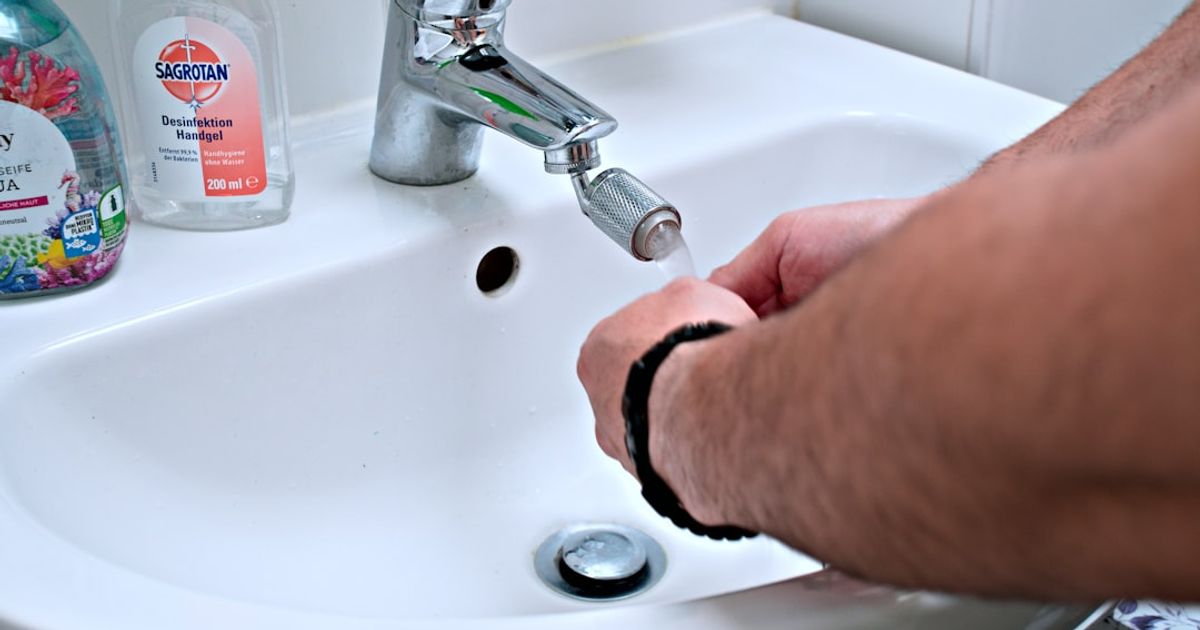
Complete Plumbing Maintenance Checklist for Homeowners
Introduction
Plumbing emergencies don't just happen—they develop over time through neglect and lack of preventive maintenance. As a homeowner, you face a critical choice: spend a few minutes each month on simple inspections or spend thousands of dollars calling an emergency plumber at 2 AM when a pipe bursts or your water heater fails catastrophically.
The average emergency plumber service call costs between $150 and $300 just for the visit, with repairs often ranging from $250 to $1,500 depending on the issue. More importantly, emergency situations can cause significant water damage to your home—water damage restoration alone costs $7 to $10 per square foot. A burst pipe in your wall can cause damage exceeding $10,000 before you even realize there's a problem.
This comprehensive plumbing maintenance checklist is designed for homeowners who want to take control of their home's health and avoid these expensive emergencies. Whether you're a first-time homeowner or have lived in your house for decades, this guide provides a systematic approach to inspecting your plumbing system regularly and catching problems before they become disasters.
Using this checklist, you'll learn what to look for, when to look for it, and which warning signs demand immediate attention from a professional. By following this guide, you can extend the life of your plumbing fixtures, improve your home's efficiency, and most importantly, prevent the kind of emergency situations that disrupt your life and drain your wallet.
Quick Reference Summary: Your Essential Plumbing Checklist
Before diving into the detailed checklist, here's a quick reference guide highlighting the most critical items you need to monitor. These items, if neglected, are most likely to lead to emergency plumber calls:
Top 5 Most Important Plumbing Checks:
- Water Heater Temperature and Leaks - Check monthly for leaks at the base and listen for unusual noises. A failing water heater can flood your home or leave you without hot water for days.
- Water Pressure and Flow - Notice changes in water pressure throughout your home. Sudden drops can indicate hidden leaks or developing problems in your main water line.
- Under-Sink Cabinets for Moisture - Check under every sink monthly for water stains, puddles, or soft wood. These are early warning signs of leaks that can cause mold and structural damage.
- Toilet Running or Leaking - A running toilet wastes 200+ gallons daily and indicates internal problems. Check the tank and base for leaks monthly.
- Drain Speed and Odors - Slow drains or sewage smells indicate developing clogs or sewer line issues. Address these before they become complete blockages requiring emergency service.
Quick Checklist by Frequency:
- Daily: Listen for unusual sounds, notice water pressure changes, check for visible leaks
- Weekly: Run water in all drains, check for standing water, inspect visible pipes
- Monthly: Check water heater, inspect under sinks, test toilet function, look for moisture
- Quarterly: Check water pressure, inspect outdoor faucets, drain water heater sediment
- Annually: Have professional inspection, check water main shutoff, inspect sump pump, test backflow preventer
This summary provides the foundation for your maintenance routine. The detailed sections below expand on each item with specific instructions and explanations of why each check matters.
Complete Plumbing Maintenance Checklist
Kitchen Plumbing Checklist
Under-Sink Cabinet Inspection (Time: 5 minutes)
- [ ] Open cabinet and visually inspect for water stains or discoloration
- [ ] Feel wood surfaces for softness or swelling indicating water damage
- [ ] Look for standing water, puddles, or wet spots
- [ ] Check P-trap connections for tightness and corrosion
- [ ] Smell for musty odors indicating mold or mildew
- [ ] Verify shutoff valve is accessible and functional
Why it matters: The area under your kitchen sink is ground zero for hidden leaks. Water stains and soft wood indicate ongoing leaks that can cause mold growth, structural damage, and pest infestations. Catching these early prevents expensive cabinet replacement and potential health hazards.
Garbage Disposal Inspection (Time: 3 minutes)
- [ ] Run cold water and test disposal for proper operation
- [ ] Listen for unusual grinding sounds or vibrations
- [ ] Check for leaks around the disposal unit
- [ ] Verify it drains water completely after running
- [ ] Note any burning smells or strange odors
Why it matters: A failing garbage disposal can back up water into your sink and create plumbing clogs. Early detection of problems prevents complete blockages that require emergency drain cleaning service.
Faucet and Sprayer Check (Time: 5 minutes)
- [ ] Test hot and cold water flow separately
- [ ] Check for drips from the spout when turned off
- [ ] Inspect spray hose for cracks or leaks
- [ ] Verify water pressure is consistent
- [ ] Look for corrosion or mineral buildup around the base
- [ ] Check that shutoff valves under sink operate smoothly
Why it matters: Dripping faucets waste thousands of gallons annually and indicate worn washers or seals. A single dripping faucet can waste 3,000+ gallons per year, significantly increasing your water bill.
Main Drain Line Check (Time: 5 minutes)
- [ ] Run water from sink and listen for gurgling sounds
- [ ] Observe how quickly water drains
- [ ] Note any sewage smells from the drain
- [ ] Check for slow drainage in the sink
- [ ] Look for water backing up when using other fixtures
Why it matters: Slow kitchen drains often indicate developing clogs in your main line. Grease accumulation is the primary cause. Addressing this early prevents complete blockages that require expensive emergency drain cleaning.
Bathroom Plumbing Checklist
Toilet Inspection (Time: 5 minutes per toilet)
- [ ] Listen for running water or hissing sounds
- [ ] Observe if water is trickling into the bowl when not in use
- [ ] Check the tank for cracks or leaks
- [ ] Inspect the base for water stains or moisture
- [ ] Verify the flapper closes properly after flushing
- [ ] Confirm water level in tank is correct (about 1 inch below overflow tube)
- [ ] Test flush power and refill speed
Why it matters: Running toilets are the number one cause of water waste in homes, sometimes wasting 200+ gallons daily. They also indicate internal tank problems that worsen over time. A toilet that runs constantly will eventually need replacement.
Sink and Faucet Check (Time: 5 minutes per sink)
- [ ] Test both hot and cold water flow
- [ ] Check for drips when faucet is completely closed
- [ ] Inspect the base of the faucet for water stains
- [ ] Look under the sink for leaks or moisture
- [ ] Verify the drain stopper works properly
- [ ] Check P-trap connections for tightness
- [ ] Listen for gurgling sounds when draining
Why it matters: Bathroom sink leaks often go unnoticed because the water drains into the cabinet. Over time, this causes mold growth and wood rot that can compromise your home's structure.
Shower and Tub Inspection (Time: 5 minutes)
- [ ] Test water temperature and pressure
- [ ] Look for leaks around the base or walls
- [ ] Check caulking for cracks or separation
- [ ] Inspect for water stains on walls or ceiling below
- [ ] Verify drain drains completely without standing water
- [ ] Check showerhead for mineral buildup affecting spray
- [ ] Look for mold or mildew around fixtures
Why it matters: Shower leaks can go undetected for months, causing water damage to walls and substructure. Water that seeps behind tile can cause extensive structural damage costing thousands to repair.
Water Heater Checklist
Visual Inspection (Time: 5 minutes)
- [ ] Check the base of the tank for water stains or leaks
- [ ] Look for rust or corrosion on the tank exterior
- [ ] Verify the temperature and pressure relief valve is accessible
- [ ] Check that the drain valve is not leaking
- [ ] Inspect all pipe connections for corrosion or leaks
- [ ] Verify the unit is not tilted or unstable
Why it matters: Water heater leaks often start small but escalate quickly. A small leak today becomes a catastrophic flood tomorrow. Water heaters typically last 8-12 years; regular inspection helps you plan replacement before failure.
Operational Check (Time: 3 minutes)
- [ ] Verify hot water reaches all faucets
- [ ] Listen for unusual noises (rumbling, popping, crackling)
- [ ] Check that water heats to appropriate temperature
- [ ] Note any changes in water quality or color
- [ ] Verify the pilot light is lit (for gas units)
Why it matters: Strange noises indicate sediment buildup inside the tank. This reduces efficiency and indicates the tank is aging. Rumbling sounds often precede complete failure.
Pressure Relief Valve Test (Time: 2 minutes, quarterly only)
- [ ] Locate the temperature and pressure relief valve on the tank
- [ ] Lift the valve lever slightly to test it
- [ ] Water should flow from the drain pipe
- [ ] Verify the valve reseals properly
- [ ] Check that the drain line is clear and unobstructed
Why it matters: The pressure relief valve prevents dangerous pressure buildup. A malfunctioning valve could allow pressure to exceed safe levels, creating an explosion hazard.
Whole-House Plumbing Checklist
Water Pressure Check (Time: 5 minutes)
- [ ] Test water pressure at multiple faucets
- [ ] Note if pressure is consistent throughout the house
- [ ] Check for sudden pressure drops
- [ ] Verify pressure is between 40-80 PSI (normal range)
- [ ] Listen for water hammer (banging sounds in pipes)
Why it matters: Sudden pressure changes indicate developing problems in your main water line or supply system. Pressure that's too high can damage fixtures and pipes; pressure that's too low indicates leaks or main line problems.
Visible Pipe Inspection (Time: 10 minutes)
- [ ] Check all exposed pipes for corrosion or discoloration
- [ ] Look for green/blue staining (copper corrosion) or white deposits (mineral buildup)
- [ ] Inspect pipe connections for leaks or weeping
- [ ] Verify pipes are properly supported and not sagging
- [ ] Check for cracks or damage to visible pipes
- [ ] Look for signs of previous repairs or patches
Why it matters: Corroded pipes are at high risk of failure. Corrosion indicates your water chemistry may be problematic and affecting other parts of your system.
Main Water Shutoff Valve Check (Time: 5 minutes, quarterly)
- [ ] Locate your main water shutoff valve
- [ ] Verify it's clearly labeled and accessible
- [ ] Test the valve by turning it off completely
- [ ] Confirm water stops flowing throughout the house
- [ ] Turn the valve back on fully
- [ ] Verify water pressure returns to normal
Why it matters: In a plumbing emergency, you need to shut off your water immediately. If you don't know where the shutoff is or it doesn't work, water damage can escalate rapidly. Test it regularly so you know it functions when needed.
Sump Pump Inspection (Time: 5 minutes, if applicable)
- [ ] Verify the pump is receiving power
- [ ] Check the discharge pipe for obstructions
- [ ] Listen for the pump to activate during testing
- [ ] Verify water drains away from the foundation
- [ ] Check the backup power system (if installed)
- [ ] Look for debris or sediment in the sump pit
Why it matters: A failed sump pump during heavy rain can cause basement flooding and thousands of dollars in damage. Regular testing ensures it works when you need it most.
Outdoor Faucet and Hose Check (Time: 5 minutes per faucet)
- [ ] Test water flow from each outdoor faucet
- [ ] Check for leaks at the connection point
- [ ] Verify the faucet closes completely without dripping
- [ ] Inspect hoses for cracks, leaks, or damage
- [ ] Disconnect hoses and store properly (winter preparation)
- [ ] Check for freeze-proof faucet operation (in cold climates)
Why it matters: Outdoor faucet leaks can waste significant water and indicate problems with your exterior plumbing. In cold climates, frozen outdoor lines can burst and cause interior water damage.
Frequency Recommendations: When to Check What
Daily Plumbing Checks (Takes 2 minutes)
Incorporate these simple observations into your daily routine without adding significant time to your day:
Listen for Unusual Sounds As you move through your home, listen for water running when no faucets are on. Hissing sounds, banging pipes, or gurgling noises indicate developing problems. The most common sound is water trickling into a toilet bowl from a failing flapper valve—this alone wastes 200+ gallons daily.
Notice Water Pressure Changes When you use water, notice if pressure is normal. A sudden drop in pressure when you turn on a shower while someone uses the toilet is normal, but consistent low pressure throughout the house indicates a problem. Pressure that's too high (above 80 PSI) strains pipes and fixtures.
Observe for Visible Water Quickly scan areas where you know plumbing exists—under sinks, near the water heater, basement corners. Any standing water or new wet spots demand immediate investigation.
Weekly Plumbing Checks (Takes 10 minutes)
Perform these checks once per week to catch developing problems early:
Run Water in All Drains Turn on water at every sink, shower, and tub in your home. Observe how quickly water drains. Slow drains indicate developing clogs. If one drain is slow, it's a local problem; if all drains are slow, it indicates a main line issue.
Check for Standing Water After using showers or baths, verify water drains completely within a few minutes. Standing water indicates clogs or drainage problems. Check under sinks after running water to ensure no leaks develop.
Inspect Visible Pipes Look at any pipes you can see in basements, under sinks, or in crawl spaces. Note any new stains, corrosion, or moisture. Changes from week to week indicate developing problems.
Test Toilet Function Flush each toilet and listen for proper refilling. The tank should refill within 30 seconds and stop automatically. If it continues running or refills slowly, internal tank problems are developing.
Monthly Plumbing Checks (Takes 30 minutes)
Set a calendar reminder for the first of each month to perform these comprehensive checks:
Water Heater Inspection Check the base for leaks, listen for unusual noises, and verify hot water reaches all fixtures. Note any changes from previous months. A water heater that's leaking today will fail completely within weeks or months.
Under-Sink Cabinet Inspection Open cabinets under every sink in your home. Look for water stains, soft wood, or standing water. Feel pipes for dampness. Smell for musty odors indicating mold. These checks catch leaks before they cause major damage.
Faucet and Fixture Check Test every faucet in your home. Look for drips, verify water pressure is normal, and check for leaks at connections. A single dripping faucet wastes 3,000+ gallons annually.
Toilet Leak Detection Add food coloring to the toilet tank and wait 15 minutes without flushing. If color appears in the bowl, the flapper is leaking and needs replacement. This simple test catches water waste before your bill skyrockets.
Drain Cleaning Pour boiling water down drains to help prevent buildup. For stubborn drains, use a drain snake or plunger. Don't use chemical drain cleaners regularly as they damage pipes over time.
Quarterly Plumbing Checks (Takes 45 minutes)
Perform these more thorough checks four times yearly (every three months):
Water Pressure Test Use a pressure gauge (available at any hardware store for $10-15) to test your water pressure at an outdoor faucet. Normal pressure is 40-80 PSI. Pressure outside this range indicates system problems requiring professional attention.
Shutoff Valve Testing Test your main water shutoff valve to ensure it works. Turn it off, verify water stops, then turn it back on. If the valve doesn't work smoothly or water doesn't stop, have a plumber service or replace it immediately.
Water Heater Sediment Drain Drain 2-3 gallons from your water heater's drain valve into a bucket. If the water is cloudy or contains sediment, drain more water until it runs clear. Sediment buildup reduces efficiency and shortens tank life.
Sump Pump Testing If you have a sump pump, fill the pit with water to trigger the pump. Verify it activates, discharges water away from the foundation, and shuts off properly. Test backup power systems if installed.
Annual Plumbing Checks (Professional inspection)
Schedule a professional plumber for an annual inspection, ideally in fall before winter weather arrives:
Professional Inspection A licensed plumber will inspect your entire plumbing system, identify wear and aging components, and recommend replacements before failures occur. This typically costs $150-300 but prevents emergencies costing thousands.
Water Main Line Check Professionals can use cameras to inspect your water main for corrosion, cracks, or root intrusion. Main line problems are expensive to repair ($1,500-3,500+) but can be planned for rather than causing emergency situations.
Sewer Line Inspection Similarly, sewer lines can be camera-inspected to identify problems before they cause backups. Root intrusion, cracks, or sagging lines are detectable before they create emergencies.
Backflow Preventer Testing Many jurisdictions require annual testing of backflow prevention devices. This ensures water flows in the correct direction and prevents contamination of your water supply.
Water Softener Service If you have a water softener, have it serviced annually. Mineral buildup and resin bed degradation reduce effectiveness and can damage your plumbing system.
Warning Signs to Watch For: When to Call an Emergency Plumber
Immediate Action Required (Call Within Hours)
Visible Water Leaks or Flooding Any active water leak, no matter how small, demands immediate attention. Water damage escalates rapidly—what starts as a small puddle becomes structural damage within hours. If water is actively flowing, turn off your main water shutoff valve immediately, then call an emergency plumber.
No Hot Water If your water heater has completely failed and you have no hot water, call a plumber within 24 hours. While not an immediate emergency like flooding, prolonged lack of hot water indicates tank failure that will worsen.
Sewage Smell or Backups Sewage odors inside your home indicate sewer line problems. Toilet backups (water coming up through drains) demand immediate professional attention. These problems worsen rapidly and can create health hazards.
Multiple Slow Drains If drains throughout your house are slow, your main line is clogged. This will escalate to complete backup and potential sewage overflow. Professional drain cleaning is needed before the situation becomes critical.
Urgent (Call Within 24-48 Hours)
Single Dripping Faucet While not an emergency, a dripping faucet wastes 3,000+ gallons annually and indicates internal seal failure. Schedule repair within a few days to prevent further water waste.
Toilet Running Constantly A running toilet wastes 200+ gallons daily. While you can sometimes fix this yourself by replacing the flapper, professional service ensures proper repair and prevents water waste.
Water Stains Under Sinks New water stains indicate active leaks. These need professional inspection to determine the source and prevent mold growth and structural damage.
Corrosion on Visible Pipes Green or blue staining on copper pipes indicates corrosion that will eventually cause leaks. While not immediately dangerous, corroded pipes should be evaluated and replaced before failure.
Unusual Noises from Water Heater Rumbling, popping, or crackling sounds indicate sediment buildup. While the heater may continue functioning, these noises signal aging and imminent failure. Have it inspected and plan for replacement.
Monitor Closely (Schedule Professional Visit)
Slightly Slow Drains If a single drain is slow but not completely blocked, you can often resolve this with a plunger or drain snake. However, if the problem persists or worsens, professional service is needed to prevent complete blockage.
Low Water Pressure Gradually declining water pressure indicates developing problems in your main line or internal plumbing. Have a professional test your system and identify the cause.
Water Discoloration Brown, red, or cloudy water indicates sediment, rust, or mineral buildup. While sometimes temporary, persistent discoloration requires investigation to ensure water safety.
Age-Related Concerns If your home's plumbing is over 50 years old, pipes may be reaching end of life. Even without current problems, have a professional evaluate your system and plan for replacement before failures occur.
Tools You'll Need for Plumbing Inspections
Essential Tools (Under $50 Total)
Flashlight or Headlamp You'll need to look into dark spaces under sinks and in basements. A bright LED flashlight costs $10-20 and makes inspection much easier. A headlamp ($15-25) is even better for hands-free inspection.
Adjustable Wrench A 10-inch adjustable wrench ($10-15) allows you to tighten connections that may have loosened over time. This simple tool can prevent small leaks from becoming major problems.
Bucket A 5-gallon bucket ($5-10) is essential for catching water during inspections and testing. Keep one under your main shutoff valve and under each sink.
Towels and Shop Rags Keep absorbent towels nearby to dry surfaces and identify moisture. This helps you spot leaks that aren't actively dripping.
Plunger (Cup and Flange) Have both a standard cup plunger ($5-10) for sinks and a flange plunger ($8-12) for toilets. These tools can resolve many clogs before they require professional service.
Helpful Tools ($50-150)
Water Pressure Gauge A simple pressure gauge ($10-15) threads onto an outdoor faucet and shows your water pressure. Normal range is 40-80 PSI; pressure outside this range indicates problems.
Drain Snake or Plumbing Auger A hand-crank drain snake ($20-40) or powered auger ($100-150) can clear minor clogs. For major blockages, professional equipment is necessary, but these tools handle many common clogs.
Pipe Wrench A 12-inch pipe wrench ($15-25) grips pipes for tightening or loosening connections. Essential for more advanced plumbing work beyond basic inspection.
Water Heater Drain Pan A large drain pan ($20-40) placed under your water heater catches leaks before they damage your floor. This simple tool can save thousands in water damage.
Moisture Meter A moisture meter ($30-50) detects dampness in wood and drywall before visible mold develops. This tool catches hidden water damage early.
Where to Get Tools
All these tools are available at:
- Home Depot or Lowe's: Full selection, competitive pricing
- Amazon: Convenient home delivery, often lower prices
- Local hardware stores: Expert advice and immediate availability
- Tool rental shops: For expensive tools you'll use rarely
Many plumbing supply companies will loan tools to customers or offer them at low rental rates if you plan to tackle repairs yourself.
FAQ: Your Plumbing Maintenance Questions Answered
How often should I have my plumbing professionally inspected?
Most plumbers recommend annual professional inspections, ideally in the fall before winter weather arrives. However, the frequency depends on your home's age and condition. Homes over 40 years old with original plumbing should be inspected annually or even semi-annually. Newer homes (under 10 years) may only need inspection every 2-3 years unless problems develop. If you notice any warning signs—slow drains, water stains, pressure changes—schedule an inspection immediately rather than waiting for your annual appointment. Professional inspections typically cost $150-300 but can identify problems worth thousands in potential damage, making them excellent investments in home protection.
What are the most common warning signs of plumbing problems?
The most frequent warning signs homeowners should watch for include: (1) Running toilets that continue flowing after flushing, (2) Dripping faucets that waste thousands of gallons annually, (3) Slow drains that indicate developing clogs, (4) Water stains under sinks showing active leaks, (5) Discolored water indicating rust or sediment, (6) Sewage smells suggesting sewer line problems, (7) Low water pressure indicating main line issues, (8) Unusual noises from pipes or water heater, (9) Visible corrosion on pipes, and (10) Wet spots on walls or ceilings indicating hidden leaks. Any of these signs warrant investigation by a professional plumber. Ignoring warning signs allows small problems to escalate into major emergencies costing thousands to repair.
What tools do I actually need for basic plumbing maintenance?
For basic monthly inspections and maintenance, you need surprisingly few tools. A flashlight ($10-20) helps you see under sinks and in dark spaces. An adjustable wrench ($10-15) allows you to tighten loose connections. A bucket ($5-10) catches water during inspections. A plunger ($8-15) handles many clogs. Shop towels help identify moisture. These five items cost under $60 total and handle most basic maintenance tasks. For more advanced work, add a drain snake ($20-40) for clearing minor clogs and a water pressure gauge ($10-15) for testing pressure. You don't need expensive professional equipment for routine inspections—just basic tools and careful observation.
How can I prevent frozen pipes in winter?
Frozen pipes are a common winter emergency, but prevention is straightforward. First, insulate exposed pipes in unheated areas like basements and crawl spaces using foam pipe insulation ($1-3 per foot). Second, allow faucets to drip slightly during freezing temperatures—moving water is less likely to freeze. Third, open cabinet doors under sinks to allow warm air circulation around pipes. Fourth, seal cracks and gaps in exterior walls where pipes enter. Fifth, maintain your home's temperature above 55°F even when away, as this prevents pipes from freezing. Sixth, disconnect outdoor hoses and drain outdoor faucet lines before winter. These simple steps cost under $50 and prevent frozen pipe emergencies that can cost $500-1,500 to repair. In areas with severe winters, consider installing heat tape on vulnerable pipes ($20-40).
What should I do if I discover a water leak?
If you discover a leak, act quickly to minimize damage. First, turn off your main water shutoff valve immediately—this stops water from flowing and prevents escalation. Second, if water is actively flooding, use towels and buckets to contain and remove standing water. Third, take photos of the leak and any damage for insurance purposes. Fourth, call a professional plumber within 24 hours for repair. Fifth, if the leak is in a wall or ceiling, you may need to contact a water damage restoration company. Don't ignore leaks hoping they'll resolve themselves—leaks always worsen over time. A small drip today becomes a gushing leak tomorrow. The cost of emergency repair ($500-1,500) is far less than the cost of water damage restoration ($7-10 per square foot) that results from ignoring leaks.
How long do plumbing fixtures typically last?
Plumbing fixture lifespan varies by type and quality: Water heaters typically last 8-12 years before requiring replacement. Toilets can last 20-30 years but internal components may need replacement every 5-10 years. Faucets generally last 15-20 years depending on water quality and usage. Pipes vary dramatically—copper pipes last 50+ years, PVC lasts 50-70 years, but galvanized steel pipes (common in older homes) only last 40-50 years and often fail earlier due to corrosion. Knowing your fixture ages helps you plan replacements before failures occur. If your water heater is over 10 years old, budget for replacement within the next few years. If your home has galvanized pipes over 40 years old, have a plumber evaluate them for replacement. Planned replacement is far less expensive than emergency repair.
Can I fix most plumbing problems myself or should I always call a professional?
Some plumbing tasks are DIY-appropriate while others require professional expertise. Safe DIY tasks include: replacing a toilet flapper ($10, 10 minutes), unclogging a drain with a plunger or snake, tightening loose connections with a wrench, replacing a faucet aerator, and basic inspection and maintenance. Never attempt: gas line work (safety hazard), water heater replacement (requires permits and expertise), main sewer line repairs (specialized equipment needed), water main repairs (requires digging and expertise), or installing new fixtures (often requires permits). When in doubt, call a professional. The cost of a service call ($150-300) is minimal compared to the cost of fixing DIY mistakes ($500-2,000+). Additionally, improper repairs can void warranties, violate building codes, and create safety hazards. Professional plumbers have licenses, insurance, and expertise that protect your home and investment.
Conclusion
Plumbing maintenance doesn't require extensive knowledge or expensive equipment—it requires consistent attention and quick action when problems develop. By following this comprehensive checklist and performing regular inspections, you'll catch problems early, prevent costly emergencies, and extend the life of your plumbing system.
The investment of 30 minutes monthly for plumbing inspections is minimal compared to the thousands of dollars you'll save by preventing emergencies. A burst pipe, failed water heater, or sewer backup can cost $1,500-10,000 to repair, not including water damage restoration. In contrast, regular maintenance costs almost nothing and saves you from these catastrophic expenses.
Remember the key points from this checklist: check your water heater monthly for leaks, test your main shutoff valve quarterly, inspect under every sink monthly for water stains, listen for unusual sounds daily, and schedule professional inspections annually. These simple steps form the foundation of effective plumbing maintenance.
When you do discover problems, don't delay calling a professional emergency plumber. Small leaks become major water damage within hours. Running toilets waste thousands of gallons and indicate internal failure. Slow drains develop into complete blockages. Sewage smells indicate serious sewer line problems. The cost of professional service today is far less than the cost of emergency repair and water damage restoration tomorrow.
Use this checklist as your guide to proactive plumbing maintenance. Print it, post it on your refrigerator, and set calendar reminders for monthly and quarterly checks. Share it with family members so everyone knows what to watch for. By taking control of your plumbing system's health, you'll enjoy reliable water supply, avoid emergency situations, and protect your home's value and structural integrity.
Find trusted emergency plumbers in your area today and save their contact information for quick access if problems develop. With regular maintenance and professional support when needed, your home's plumbing system will serve you reliably for decades to come.

Frequently Asked Questions
Q:How often should I have my plumbing professionally inspected?
A: Most plumbers recommend annual professional inspections, ideally in the fall before winter weather arrives. However, the frequency depends on your home's age and condition. Homes over 40 years old with original plumbing should be inspected annually or even semi-annually. Newer homes (under 10 years) may only need inspection every 2-3 years unless problems develop. If you notice any warning signs—slow drains, water stains, pressure changes—schedule an inspection immediately rather than waiting for your annual appointment. Professional inspections typically cost $150-300 but can identify problems worth thousands in potential damage, making them excellent investments in home protection.
Q:What are the most common warning signs of plumbing problems?
A: The most frequent warning signs homeowners should watch for include: (1) Running toilets that continue flowing after flushing, (2) Dripping faucets that waste thousands of gallons annually, (3) Slow drains that indicate developing clogs, (4) Water stains under sinks showing active leaks, (5) Discolored water indicating rust or sediment, (6) Sewage smells suggesting sewer line problems, (7) Low water pressure indicating main line issues, (8) Unusual noises from pipes or water heater, (9) Visible corrosion on pipes, and (10) Wet spots on walls or ceilings indicating hidden leaks. Any of these signs warrant investigation by a professional plumber. Ignoring warning signs allows small problems to escalate into major emergencies costing thousands to repair.
Q:What tools do I actually need for basic plumbing maintenance?
A: For basic monthly inspections and maintenance, you need surprisingly few tools. A flashlight ($10-20) helps you see under sinks and in dark spaces. An adjustable wrench ($10-15) allows you to tighten loose connections. A bucket ($5-10) catches water during inspections. A plunger ($8-15) handles many clogs. Shop towels help identify moisture. These five items cost under $60 total and handle most basic maintenance tasks. For more advanced work, add a drain snake ($20-40) for clearing minor clogs and a water pressure gauge ($10-15) for testing pressure. You don't need expensive professional equipment for routine inspections—just basic tools and careful observation.
Q:How can I prevent frozen pipes in winter?
A: Frozen pipes are a common winter emergency, but prevention is straightforward. First, insulate exposed pipes in unheated areas like basements and crawl spaces using foam pipe insulation ($1-3 per foot). Second, allow faucets to drip slightly during freezing temperatures—moving water is less likely to freeze. Third, open cabinet doors under sinks to allow warm air circulation around pipes. Fourth, seal cracks and gaps in exterior walls where pipes enter. Fifth, maintain your home's temperature above 55°F even when away, as this prevents pipes from freezing. Sixth, disconnect outdoor hoses and drain outdoor faucet lines before winter. These simple steps cost under $50 and prevent frozen pipe emergencies that can cost $500-1,500 to repair.
Q:What should I do if I discover a water leak?
A: If you discover a leak, act quickly to minimize damage. First, turn off your main water shutoff valve immediately—this stops water from flowing and prevents escalation. Second, if water is actively flooding, use towels and buckets to contain and remove standing water. Third, take photos of the leak and any damage for insurance purposes. Fourth, call a professional plumber within 24 hours for repair. Fifth, if the leak is in a wall or ceiling, you may need to contact a water damage restoration company. Don't ignore leaks hoping they'll resolve themselves—leaks always worsen over time. A small drip today becomes a gushing leak tomorrow. The cost of emergency repair ($500-1,500) is far less than the cost of water damage restoration ($7-10 per square foot) that results from ignoring leaks.
Q:How long do plumbing fixtures typically last?
A: Plumbing fixture lifespan varies by type and quality: Water heaters typically last 8-12 years before requiring replacement. Toilets can last 20-30 years but internal components may need replacement every 5-10 years. Faucets generally last 15-20 years depending on water quality and usage. Pipes vary dramatically—copper pipes last 50+ years, PVC lasts 50-70 years, but galvanized steel pipes (common in older homes) only last 40-50 years and often fail earlier due to corrosion. Knowing your fixture ages helps you plan replacements before failures occur. If your water heater is over 10 years old, budget for replacement within the next few years. If your home has galvanized pipes over 40 years old, have a plumber evaluate them for replacement. Planned replacement is far less expensive than emergency repair.
Q:Can I fix most plumbing problems myself or should I always call a professional?
A: Some plumbing tasks are DIY-appropriate while others require professional expertise. Safe DIY tasks include: replacing a toilet flapper ($10, 10 minutes), unclogging a drain with a plunger or snake, tightening loose connections with a wrench, replacing a faucet aerator, and basic inspection and maintenance. Never attempt: gas line work (safety hazard), water heater replacement (requires permits and expertise), main sewer line repairs (specialized equipment needed), water main repairs (requires digging and expertise), or installing new fixtures (often requires permits). When in doubt, call a professional. The cost of a service call ($150-300) is minimal compared to the cost of fixing DIY mistakes ($500-2,000+). Additionally, improper repairs can void warranties, violate building codes, and create safety hazards. Professional plumbers have licenses, insurance, and expertise that protect your home and investment.