
5 Essential Tips for Preventing Emergency Plumber Calls in Colorado Springs

5 Essential Tips for Preventing Emergency Plumber Calls in Colorado Springs: Maintenance That Saves Thousands
Introduction: Why Plumbing Prevention Matters in Colorado Springs
Colorado Springs residents face unique plumbing challenges that most homeowners in other regions never encounter. The high altitude, extreme temperature fluctuations, and mineral-heavy water create a perfect storm for unexpected plumbing emergencies. When disaster strikes at 2 AM on a weekend, emergency plumber rates in Colorado Springs can cost $200-$400 just for the service call, plus additional hourly charges that quickly escalate to $1,500-$3,000 for a major repair.
The good news? Most emergency plumbing calls in Colorado Springs are entirely preventable through consistent, strategic maintenance. By implementing just five essential maintenance practices, Colorado Springs homeowners can expect to save between $2,000-$5,000 over five years in avoided emergency repairs and water damage restoration. This comprehensive guide shares the exact maintenance strategies that professional plumbers in Colorado Springs recommend to their own families.
Whether you're dealing with the notorious frozen pipes that plague Colorado Springs winters or the aggressive mineral deposits that clog fixtures year-round, this guide provides actionable, specific advice tailored to Colorado Springs' unique climate and water conditions. You'll learn not just what to do, but why it matters specifically in our region, when to do it, and how to recognize warning signs before they become emergencies.
Tip 1: Establish a Regular Inspection Schedule (Year-Round Prevention)
The foundation of preventing emergency plumber calls in Colorado Springs is establishing a consistent inspection routine. Professional plumbers recommend that Colorado Springs homeowners conduct visual inspections at least once per month, with more thorough inspections quarterly. This isn't about becoming a plumber yourself—it's about catching small problems before they become expensive emergencies.
What to Inspect Each Month
Begin your monthly inspection under sinks in bathrooms and kitchens. Look for any signs of water staining, discoloration, or moisture. Colorado Springs' dry climate means water damage is immediately visible—use this to your advantage. Check the cabinet floors, the pipes themselves, and the wall behind the sink. Even a small drip indicates a problem that will worsen over time.
Inspect your water heater in the basement or utility closet. Look for rust spots, corrosion, or any water pooling around the base. Colorado Springs water is notoriously hard and mineral-heavy, which accelerates water heater deterioration. A small leak today becomes a catastrophic failure tomorrow. Check the temperature and pressure relief valve to ensure it's not dripping constantly—a slow drip is normal, but a steady stream indicates a failing valve.
Examine all visible pipes in your basement or crawl space. Colorado Springs homes often have exposed pipes in these areas. Look for white, green, or blue crusty deposits (mineral buildup), damp spots, or discoloration. These are all early warning signs that a leak is developing. Pay special attention to joints and connection points where pipes meet fixtures or other pipes.
Check your toilet tanks for any signs of water running continuously. Listen for the characteristic hiss of water flowing into the bowl. A running toilet can waste 200+ gallons daily, and Colorado Springs' water costs make this expensive. Lift the tank lid (carefully—it's porcelain) and inspect the flapper valve, which should be sitting flush against the drain hole.
Quarterly Deep Inspection Checklist
Every three months, conduct a more thorough inspection. This is the time to check areas you don't see daily. Look at your main water shutoff valve and ensure you know where it is and that it operates smoothly. In Colorado Springs, knowing how to quickly shut off water is critical—it can mean the difference between a minor leak and thousands in water damage.
Inspect your sump pump if you have one (common in Colorado Springs basements). Pour water into the sump pit and verify the pump activates. Test the backup battery if equipped. During Colorado Springs' spring snowmelt season, a failing sump pump can lead to basement flooding within hours.
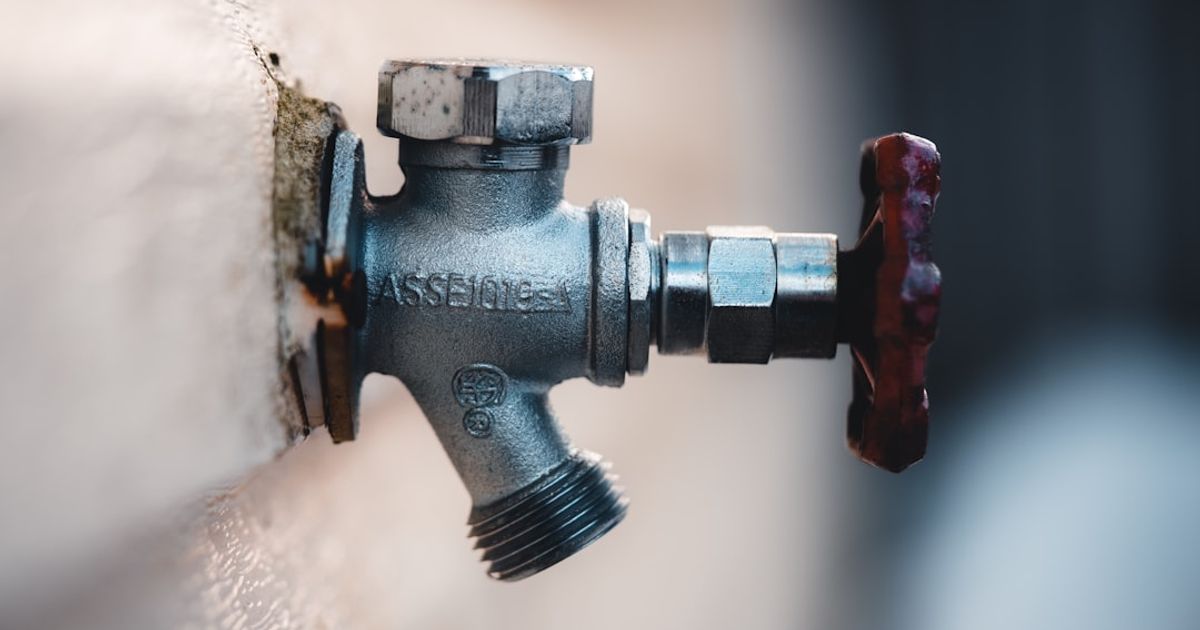
Check your exterior faucets and hose bibs for leaks or corrosion. Colorado Springs' intense UV exposure and temperature swings cause exterior fixtures to deteriorate faster than in other regions. Turn each one on and off, listening for any unusual sounds.
Inspect visible portions of your main water line where it enters the house. Look for any soft spots in the ground, unusually green patches of grass (indicating a water leak), or settling in the foundation. Main water line repairs in Colorado Springs cost $1,500-$3,500, making early detection invaluable.
Document Everything
Create a simple inspection log. Note the date, what you checked, and any observations. This documentation helps you identify patterns—like a slow leak that's gradually worsening—and provides critical information if you do need to call an emergency plumber in Colorado Springs. Professionals can work more efficiently when they understand the history of a problem.
Tip 2: Winterize Your Pipes Before Colorado Springs Freezes (September-October)
Frozen pipes are the number-one emergency plumber call in Colorado Springs, accounting for nearly 40% of winter emergency service requests. The problem is uniquely severe in Colorado Springs due to our high elevation (6,000+ feet), which causes temperatures to drop more dramatically than in lower-altitude regions. A pipe that wouldn't freeze in Denver might freeze solid in Colorado Springs at the same outside temperature.
Understanding Freeze Risk in Colorado Springs
Colorado Springs experiences hard freezes from November through March, with the most dangerous period being January and February. Nighttime temperatures regularly drop to 0°F or below, and exposed pipes can freeze within 2-3 hours. Water expands as it freezes, creating pressure that can rupture pipes. A single burst pipe can release 250+ gallons of water daily, causing structural damage, mold growth, and restoration costs exceeding $10,000.
Pipes most vulnerable to freezing in Colorado Springs homes include:
- Pipes in attics or crawl spaces with poor insulation
- Exterior walls in bedrooms or bathrooms
- Pipes near exterior doors or windows
- The main water line where it enters the foundation
- Exposed pipes in basements or garages
- Outdoor faucets and irrigation lines
Winterization Steps (Complete by October in Colorado Springs)
Insulate all exposed pipes. This is the single most effective freeze prevention measure. Use foam pipe insulation sleeves (available at any hardware store) on all exposed pipes, particularly those near exterior walls. In Colorado Springs, don't skip any pipes—the freeze risk is too high. Pay special attention to pipes in attics, crawl spaces, and basements. Foam insulation is inexpensive ($1-$3 per foot) and takes just an afternoon to install.
Seal air leaks around pipes. Use caulk or spray foam to seal gaps where pipes pass through exterior walls. Cold air flowing around pipes dramatically increases freeze risk. In Colorado Springs homes, check the areas where pipes enter the house from the exterior—these are critical freeze points.
Disconnect and drain outdoor hoses. This is non-negotiable in Colorado Springs. Even a small amount of water left in a hose can freeze and create back-pressure that freezes the water line inside the wall. Disconnect hoses by October 1st in Colorado Springs. Store them indoors for winter. Shut off the water supply to outdoor faucets at the interior shutoff valve if your home has them.
Drain irrigation systems completely. If you have an irrigation system in Colorado Springs, have it professionally blown out with compressed air before the first freeze. Residual water in irrigation lines freezes and can damage the entire system, costing $500-$1,500 to repair.
Open cabinet doors under sinks. This allows warmer air from your home's interior to circulate around pipes. In Colorado Springs, this simple step prevents freezing in kitchen and bathroom cabinets that are often against exterior walls.
Maintain consistent interior temperature. Never let your Colorado Springs home drop below 55°F, even when you're away. Frozen pipes often occur in vacant homes. If you're leaving during winter, ask a neighbor to check on your home or hire a house-sitting service. The cost of prevention is minimal compared to burst pipe repairs.
Insulate your water heater. Colorado Springs water heaters work harder due to our cold winters and mineral-heavy water. An insulation blanket ($20-$40) reduces energy loss and extends water heater life. This is particularly important for water heaters in unheated spaces like garages or basements.
During Winter: Active Freeze Prevention
When Colorado Springs experiences extreme cold snaps (below -10°F), take additional precautions. Allow faucets in vulnerable locations to drip slowly overnight—the flowing water is much less likely to freeze than still water. This costs pennies in extra water usage but can prevent thousands in damage.
If you notice water pressure dropping significantly in Colorado Springs during winter, you may have a frozen section of pipe. Call an emergency plumber immediately rather than waiting—a frozen section can lead to a burst if pressure builds up.
Tip 3: Master Drain Maintenance Best Practices (Quarterly)
Clogged drains are the second-most common reason Colorado Springs residents call emergency plumbers, accounting for about 35% of service calls. The problem is particularly severe in Colorado Springs due to our mineral-heavy water, which deposits scale inside pipes over time. This mineral buildup narrows pipes, making them more susceptible to clogs from hair, soap, and food debris.
Understanding Colorado Springs' Unique Drain Challenge
Colorado Springs water has a hardness level of 150-200 parts per million (ppm), which is considered "very hard." This mineral content (primarily calcium and magnesium) accumulates inside your pipes, gradually reducing their diameter. A pipe that should have a 1.5-inch opening might effectively be only 1-inch after five years of mineral buildup. This narrowed pipe clogs far more easily than it should.
Additionally, Colorado Springs' high altitude affects water pressure and flow rates. Lower pressure means slower drain flow, which allows debris to settle rather than flush through. These factors combine to make drain maintenance essential in Colorado Springs.
Monthly Drain Maintenance Routine
Clean drain stoppers and strainers. Remove visible hair and debris from sink strainers and shower drain covers weekly. This prevents material from accumulating deeper in the pipes. In Colorado Springs homes, you'll notice how quickly mineral deposits build up on these strainers—this is a visual reminder of what's happening inside your pipes.
Flush drains with hot water. Once weekly, pour a kettle of boiling water down each drain. This helps dissolve soap residue and mineral deposits before they accumulate. In Colorado Springs, hot water is particularly effective because it helps dissolve our mineral-heavy water's deposits. Do this for all drains: kitchen sink, bathroom sinks, shower, and toilet.
Use enzyme-based drain cleaners monthly. These biological cleaners break down organic material without harsh chemicals. Pour enzyme cleaner down drains monthly, following product instructions. Enzyme cleaners are safe for Colorado Springs' septic systems (if applicable) and are gentler on pipes than chemical drain cleaners.
Avoid chemical drain cleaners. This is critical in Colorado Springs. Chemical cleaners like Drano or Liquid-Plumr are caustic and can damage older pipes. They're also ineffective on mineral buildup, which is the primary drain problem in Colorado Springs. Emergency plumbers in Colorado Springs often find that chemical cleaners have damaged pipes, making repairs more expensive.
Quarterly Deep Drain Cleaning
Every three months, perform a more intensive drain cleaning:
Baking soda and vinegar treatment. Pour 1/2 cup of baking soda down the drain, followed by 1/2 cup of white vinegar. Cover the drain and let it sit for 30 minutes. The chemical reaction helps break down buildup. Flush with boiling water. This is safe, effective, and inexpensive—perfect for Colorado Springs homeowners managing hard water issues.
Remove and clean P-traps. The curved pipe section under sinks (the P-trap) collects debris. Place a bucket underneath, unscrew the slip nuts by hand, and remove accumulated sludge. Rinse with water and reinstall. This takes 10 minutes and prevents clogs from forming deeper in the line.
Snake accessible drains. A plumbing snake (available at any hardware store for $15-$30) can break through minor clogs. Feed the snake down the drain, crank the handle, and pull back slowly. In Colorado Springs, snaking drains quarterly can prevent the mineral and debris buildup that causes emergency clogs.
Professional Drain Cleaning (Annual)
Once yearly, consider having a professional plumber in Colorado Springs perform hydro-jetting or camera inspection. Hydro-jetting uses high-pressure water to blast mineral deposits and buildup from inside pipes. In Colorado Springs, this is often more effective than snaking because it addresses the mineral problem that's unique to our region. Cost is typically $300-$600, but it prevents clogs that could cost $500-$1,500 to repair.
What NOT to Put Down Drains
In Colorado Springs, where mineral buildup is already a problem, be especially careful about what enters your drains:
- Grease or cooking oil (solidifies as it cools, combining with minerals to create stubborn clogs)
- Coffee grounds (accumulate and don't break down)
- Eggshells (don't grind up completely)
- Pasta, rice, or bread (expand when wet)
- Hair (wrap around mineral deposits)
- Dental floss (doesn't dissolve)
- Wipes of any kind, including "flushable" wipes (don't actually flush and cause major clogs)
Tip 4: Monitor Water Pressure Constantly (Early Warning System)
Water pressure problems are an early warning sign of serious plumbing issues in Colorado Springs. Learning to recognize abnormal pressure can alert you to problems before they become emergencies. Colorado Springs' elevation and mineral-heavy water create unique pressure dynamics that differ from other regions.
Understanding Normal Water Pressure in Colorado Springs
Normal residential water pressure ranges from 40-80 PSI (pounds per square inch). In Colorado Springs, pressure tends toward the lower end of this range due to our high elevation. Most Colorado Springs homes maintain 50-70 PSI. If you notice significant changes from your normal baseline, something is wrong.
Signs of Abnormal Water Pressure
Pressure that's too high (above 80 PSI). This damages fixtures, causes leaks, and stresses pipes. High pressure in Colorado Springs often results from mineral deposits in the main water line or a faulty pressure regulator. Symptoms include:
- Water hammering (loud banging when you turn off a faucet)
- Leaking faucets that won't stop dripping
- Weak or inconsistent water flow despite high pressure
- Hissing sounds from pipes
High pressure is particularly damaging in Colorado Springs because mineral deposits in pipes reduce their flexibility. The combination of high pressure and mineral-narrowed pipes creates dangerous stress conditions. Call an emergency plumber in Colorado Springs if you experience consistent water hammering.
Pressure that's too low (below 40 PSI). This indicates a leak, mineral blockage, or problem with the main water line. In Colorado Springs, low pressure often signals a slow leak in the main water line—a problem that can waste 50+ gallons daily. Symptoms include:
- Weak water flow from showers and faucets
- Difficulty filling bathtubs
- Water trickling instead of flowing from outdoor faucets
- Toilets filling very slowly
Pressure drops in specific areas. If pressure is normal at some faucets but low at others, you have a localized problem. In Colorado Springs, this often indicates mineral buildup in specific lines or a leak in that branch of the plumbing system.
How to Measure Water Pressure
Purchase an inexpensive pressure gauge (available at hardware stores for $10-$20). Attach it to an outdoor faucet or connect it using an adapter to a bathroom sink. Turn the faucet on fully and read the PSI. Test at different times of day—pressure often drops in early morning or evening when demand is high.
In Colorado Springs, test your water pressure seasonally. Mineral deposits accumulate gradually, so pressure changes might not be obvious month-to-month but become clear over a season.
Responding to Pressure Problems
If pressure is consistently above 80 PSI, install a pressure regulator if you don't have one. This inexpensive device ($50-$150 installed) protects your entire plumbing system. In Colorado Springs, a pressure regulator is considered essential maintenance, not optional.
If pressure suddenly drops, check for obvious leaks first. Look under sinks, in the basement, and around the water heater. If you can't find a visible leak but pressure remains low, call an emergency plumber in Colorado Springs. A slow leak in the main water line can cause $5,000+ in water damage before you notice it.
If pressure is inconsistent (high one day, low the next), you likely have mineral buildup affecting water flow. In Colorado Springs, this is common and typically requires professional cleaning of the main water line or installation of a whole-house water softener.
The Water Softener Consideration
Many Colorado Springs homeowners find that installing a water softener solves multiple problems simultaneously. By removing minerals from water before it enters your plumbing system, a softener prevents:
- Mineral deposits in pipes
- Reduced water pressure from mineral buildup
- Hard water stains and deposits on fixtures
- Drain clogs from mineral accumulation
- Shortened water heater lifespan
Cost ranges from $1,000-$2,500 installed, but the savings in emergency repairs, extended appliance life, and reduced maintenance often justify the investment for Colorado Springs homeowners.
Pro Secrets Most Colorado Springs Homeowners Don't Know
Professional plumbers in Colorado Springs have discovered maintenance practices that go beyond standard advice. These insider secrets can significantly reduce your emergency risk.
The seasonal pressure flush. Every spring and fall, open your main water shutoff valve fully for 30 seconds, then close it. This flushes sediment and mineral deposits that accumulate in the main line. In Colorado Springs, this simple practice prevents pressure problems and extends the life of your water heater by 2-3 years.
Temperature fluctuation protection. Colorado Springs experiences extreme temperature swings—from below freezing at night to 60°F+ during the day, even in winter. These fluctuations stress pipes and fixtures. Professional plumbers recommend insulating pipes not just for freeze protection but to moderate temperature swings that cause expansion and contraction stress.
The water heater flush ritual. Colorado Springs water heaters accumulate mineral sediment rapidly. Professionals recommend flushing your water heater quarterly (not just annually). Turn off the water heater, attach a hose to the drain valve, and drain 5-10 gallons into a bucket. This removes sediment before it accumulates. Many Colorado Springs homeowners discover their water heater lasts 12-15 years with quarterly flushing, compared to 8-10 years without it.
Fixture aerator cleaning. The screens inside faucet aerators (the removable tip of your faucet) clog with mineral deposits in Colorado Springs. Unscrew the aerator, soak it in white vinegar for an hour, and scrub with a soft brush. Reinstall. This takes 10 minutes per faucet and dramatically improves water flow. Professional plumbers in Colorado Springs do this for every client because it's so effective.
The humidity factor. Colorado Springs' extremely dry climate (average humidity 40%) causes pipes to contract more than in humid regions. This contraction stress can create tiny leaks over time. Maintaining consistent interior humidity (40-50%) reduces this stress. A humidifier in winter protects pipes while also benefiting your health and home.
Shut-off valve maintenance. Most homeowners never touch their main water shutoff valve. Professional plumbers in Colorado Springs recommend operating it monthly—just turning it on and off. This prevents corrosion and ensures it will actually work if you need it in an emergency. A stuck shutoff valve when you have a burst pipe is a nightmare scenario.
Seasonal Considerations for Colorado Springs
Colorado Springs' climate creates distinct seasonal maintenance needs that differ from other regions.
Fall (September-October). This is your critical winterization window in Colorado Springs. Complete all pipe insulation, disconnect hoses, drain irrigation systems, and test your heating system. This is also the time to have your water heater serviced and to inspect your roof for gaps where cold air might enter attic spaces. Don't wait until November—Colorado Springs can experience hard freezes in early October.
Winter (November-February). Monitor pipes in vulnerable areas weekly. During extreme cold snaps, allow dripping water to prevent freezes. Check your sump pump regularly because Colorado Springs' winter snow can cause spring flooding. This is when emergency plumber calls spike in Colorado Springs—be prepared with a trusted plumber's contact information.
Spring (March-May). As snow melts, check your foundation for new cracks or water intrusion. Test your sump pump frequently. This is when main water line breaks often occur in Colorado Springs as the ground settles after winter freezing. If you notice unusually green patches of grass or soft spots in your yard, call a plumber immediately—these indicate main line leaks.
Summer (June-August). While freeze risk is gone, summer is ideal for outdoor plumbing projects. Have your irrigation system inspected, repair any exterior faucet leaks, and address any plumbing issues that developed during winter. This is also when you should have your main water line inspected if you've had any pressure problems, as professionals can access it more easily.
When to Call an Emergency Plumber in Colorado Springs
Despite your best maintenance efforts, sometimes professional help is necessary. Knowing when to call prevents minor problems from becoming catastrophic.
Call immediately if: You notice water pooling around your water heater, you hear water running constantly with no obvious source, you smell sewage in your home or yard, you have no hot water and your water heater is less than 10 years old, or you notice significant water pressure drops.
Call within 24 hours if: You have a slow drip you can't locate, you notice water stains on ceilings or walls, your drains are draining slowly despite your maintenance efforts, or you hear unusual sounds from pipes.
Don't attempt DIY if: You need to work on the main water line, you suspect a gas line issue, you need to install or repair a water heater, you have a sewage backup, or you need to work on pipes under the slab foundation.
Finding a reliable emergency plumber in Colorado Springs requires research. Look for plumbers who are:
- Licensed and insured (verify with Colorado Springs licensing board)
- Available 24/7 (confirm their actual response time)
- Transparent about pricing (get written estimates)
- Local to Colorado Springs (they understand our unique water and climate challenges)
- Well-reviewed (check Google, Yelp, and BBB ratings)
Establish a relationship with a trusted plumber before you need emergency service. Call for a routine inspection or maintenance visit. When emergencies do happen, you'll have a trusted professional you can call with confidence.
Conclusion: Your Colorado Springs Plumbing Protection Plan
Preventing emergency plumber calls in Colorado Springs requires understanding that our region's unique challenges—high altitude, hard water, extreme temperature swings, and intense UV exposure—demand specific maintenance strategies. The five essential tips covered in this guide address these challenges directly.
Start by establishing your monthly and quarterly inspection routine. This early warning system catches problems before they become emergencies. Implement winterization starting in September to prevent the frozen pipes that plague Colorado Springs winters. Master drain maintenance practices that address our mineral-heavy water problem. Monitor water pressure as an early warning system. And understand when professional help is necessary rather than attempting dangerous DIY repairs.
The investment in these maintenance practices—perhaps $500-$1,000 annually—is minimal compared to the cost of emergency repairs. A single burst pipe in Colorado Springs costs $1,500-$3,000 to repair, plus water damage restoration that can exceed $10,000. Emergency plumber calls typically cost 1.5-2 times normal rates due to after-hours surcharges.
By implementing these five essential tips, Colorado Springs homeowners can expect to:
- Eliminate 70-80% of potential emergency calls
- Extend the life of water heaters by 3-5 years
- Reduce water waste and monthly utility bills
- Avoid structural damage and mold from water leaks
- Maintain consistent water pressure and flow
- Sleep better knowing your plumbing system is protected
Start today. Check your water pressure. Inspect under your sinks. Schedule your winterization. The small effort you invest now will save you thousands in emergency repairs and water damage restoration. Your future self in Colorado Springs will thank you when you avoid that 2 AM emergency plumber call.
When you do need professional help, find trusted emergency plumbers in Colorado Springs today by researching local, licensed, and well-reviewed professionals. Don't wait for an emergency to discover who to call.

Frequently Asked Questions
Q:What is the most important plumbing maintenance task for Colorado Springs homeowners?
A: Winterization is the single most critical maintenance task for Colorado Springs residents. Frozen pipes account for 40% of winter emergency plumber calls in our region, and a single burst pipe can cost $1,500-$3,000 to repair plus thousands more in water damage. Begin winterization in September by insulating all exposed pipes, disconnecting outdoor hoses, draining irrigation systems, and sealing air leaks. This prevents the freeze damage that's unique to Colorado Springs' high altitude and extreme winter temperatures. While drain maintenance and inspections are important year-round, winterization specifically addresses the emergency that most threatens Colorado Springs homes.
Q:How can I prevent frozen pipes in Colorado Springs winters?
A: Prevent frozen pipes through multiple strategies: (1) Insulate all exposed pipes with foam sleeves by October 1st—don't skip any pipes in Colorado Springs; (2) Seal air leaks where pipes pass through exterior walls; (3) Disconnect and drain outdoor hoses completely; (4) Have irrigation systems professionally blown out; (5) Open cabinet doors under sinks to allow interior air circulation; (6) Maintain your home's temperature above 55°F even when away; (7) During extreme cold snaps below -10°F, allow faucets in vulnerable areas to drip slowly. These measures work together because Colorado Springs' high elevation (6,000+ feet) causes more dramatic temperature drops than lower-altitude regions, making comprehensive protection essential.
Q:What do professional plumbers in Colorado Springs recommend most?
A: Professional plumbers in Colorado Springs most strongly recommend: (1) Monthly visual inspections of pipes, water heater, and under-sink areas—this catches problems early; (2) Quarterly drain maintenance using enzyme cleaners and baking soda/vinegar treatments to address mineral buildup; (3) Annual water heater flushing (or quarterly for optimal results) because our mineral-heavy water causes rapid sediment accumulation; (4) Installing a water softener, which solves multiple problems simultaneously by removing minerals before they enter your system; (5) Maintaining awareness of your normal water pressure and calling immediately if it changes significantly. These practices specifically address Colorado Springs' unique challenges of hard water and freeze risk.
Q:Is a water softener necessary in Colorado Springs?
A: While not absolutely necessary, a water softener is highly recommended for Colorado Springs homeowners. Our water hardness of 150-200 ppm is considered 'very hard,' causing mineral deposits in pipes, reduced water pressure, shortened water heater lifespan, and frequent drain clogs. A softener costs $1,000-$2,500 installed but typically saves $2,000-$4,000 over 10 years through avoided emergency repairs, extended appliance life, and reduced maintenance needs. Many Colorado Springs plumbers consider a softener essential maintenance rather than optional. If you're experiencing frequent drain clogs, low water pressure, or hard water stains despite maintenance efforts, a softener is worth the investment.
Q:How often should I have my water heater serviced in Colorado Springs?
A: Colorado Springs homeowners should have water heaters serviced at minimum annually, though quarterly flushing provides optimal results. Our mineral-heavy water causes rapid sediment accumulation inside tanks, reducing efficiency and shortening lifespan. Without regular flushing, Colorado Springs water heaters typically last 8-10 years; with quarterly flushing, they often last 12-15 years. Annual service should include flushing sediment, inspecting the anode rod, checking the temperature and pressure relief valve, and testing water temperature. If your water heater is over 8 years old and you haven't been flushing it regularly, start immediately—you may extend its life by several years. Professional service typically costs $150-$300 annually but is far cheaper than replacement.
Q:What should I do if I notice low water pressure in Colorado Springs?
A: Low water pressure in Colorado Springs often indicates a leak or mineral buildup. First, check if the problem is throughout your home or just specific faucets. If it's everywhere, you may have a main water line leak—look for unusually green grass patches or soft spots in your yard. If it's localized to certain faucets, clean the aerators (the screens at faucet tips) by soaking in vinegar—mineral deposits clog these quickly in Colorado Springs. If pressure remains low after cleaning aerators, check your main water shutoff valve to ensure it's fully open. If you still have low pressure, call a professional plumber in Colorado Springs to check for mineral buildup in the main line or a slow leak. Don't ignore low pressure—it often indicates a developing problem that gets worse.
Q:Can I use chemical drain cleaners in Colorado Springs?
A: Avoid chemical drain cleaners like Drano or Liquid-Plumr in Colorado Springs. These caustic products can damage older pipes and are ineffective against mineral buildup—the primary drain problem in our region. Chemical cleaners also complicate repairs if you later need professional help, as plumbers must work around caustic residue. Instead, use enzyme-based cleaners monthly and perform quarterly baking soda/vinegar treatments. For stubborn clogs, use a plumbing snake or call a professional for hydro-jetting, which uses high-pressure water to blast mineral deposits and buildup. Professional hydro-jetting costs $300-$600 but is far more effective than chemical cleaners and safer for Colorado Springs' mineral-heavy water challenges.