
5 Essential Tips for Preventing Emergency Plumber Calls

5 Essential Tips for Preventing Emergency Plumber Calls: Maintenance That Saves Thousands
Introduction
The 2 AM panic of discovering water flooding your basement or waking up without hot water is a nightmare no homeowner wants to experience. Yet millions of homeowners face emergency plumbing situations every year, with average emergency call-out fees ranging from $150 to $300, plus additional repair costs that can easily exceed $1,000 to $3,000. The worst part? Most of these emergencies are completely preventable.
After 20 years of responding to emergency plumbing calls, I've learned that the homeowners who avoid costly disasters aren't the lucky ones—they're the informed ones. They understand that plumbing maintenance isn't something you do when problems appear; it's something you do to ensure problems never appear in the first place. The difference between a $200 maintenance visit and a $5,000 emergency repair often comes down to a few simple preventive steps.
This comprehensive guide shares the five essential tips that professional plumbers use to protect their own homes. These aren't complicated or expensive recommendations—they're practical, actionable strategies that any homeowner can implement immediately. By following this advice, you'll dramatically reduce your risk of emergency plumbing situations, extend the lifespan of your plumbing system, and keep more money in your pocket. Let's dive into the maintenance practices that truly make a difference.
Tip 1: Regular Inspection of Visible Pipes & Connections
Why This Matters
Visible pipes and connections are your home's plumbing early warning system. Unlike hidden pipes behind walls or underground, visible pipes give you a chance to catch small problems before they become big emergencies. Leaks, corrosion, loose connections, and mineral buildup all show visible signs if you know what to look for.
Small leaks that go unnoticed for weeks can cause significant water damage, mold growth, and structural issues. A single dripping pipe can waste 3,000 gallons of water annually—that's not just environmental waste, it's money flowing directly down the drain. More importantly, a small leak today often becomes a burst pipe tomorrow, transforming a $200 repair into a $1,500 emergency.
How to Inspect Your Pipes
Monthly Visual Inspection (15 minutes)
Once monthly, spend 15 minutes doing a visual inspection of all visible pipes in your home. Here's exactly what to check:
Under Kitchen and Bathroom Sinks: Look underneath cabinets with a flashlight. Check where pipes connect to the sink, where they exit the wall, and where they connect to the shutoff valves. You're looking for any water stains, drips, or moisture. Even tiny drops indicate a problem that needs attention.
Water Heater Area: Examine all connections to your water heater. This is where leaks commonly develop, especially in the cold water inlet and hot water outlet. Look for white mineral deposits (a sign of slow leaks), rust spots, or active dripping.
Basement or Crawl Space: If you have a basement, spend time looking at exposed pipes. Check the main water line where it enters your home, the drain lines, and any visible shutoff valves. Look for water pooling, corrosion, or loose connections.
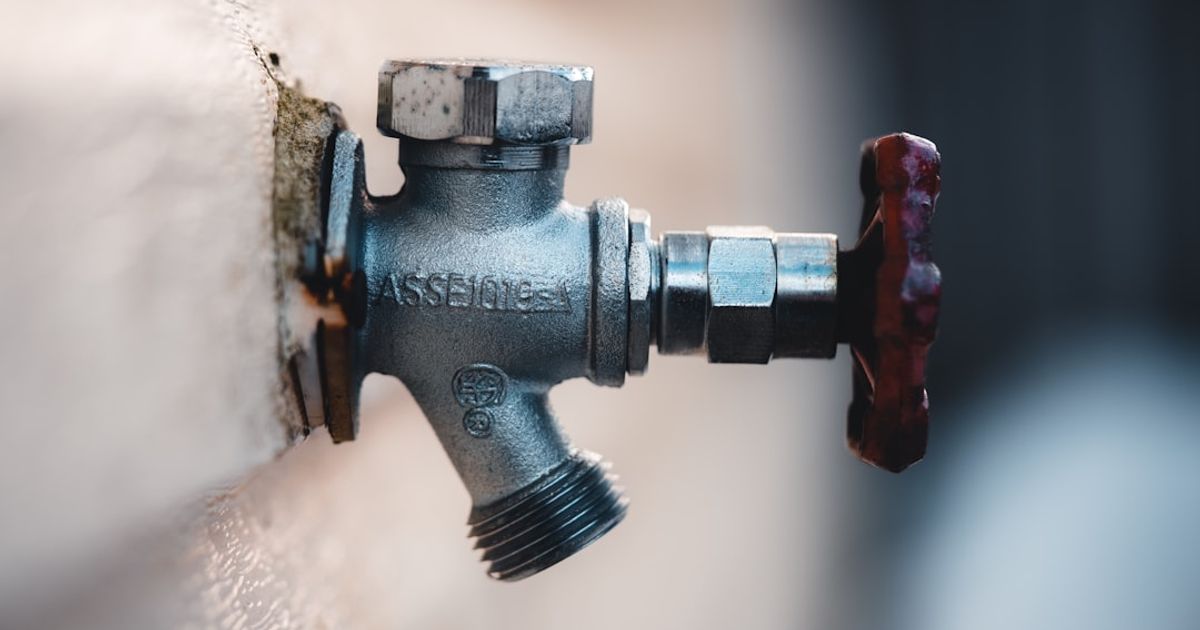
Exterior Faucets and Hose Bibs: Check outdoor faucets for leaks, cracks, or mineral buildup. These are often forgotten but are common failure points.
What to Look For: Red Flags
Water Stains and Discoloration: Brown, white, or green stains indicate mineral deposits or corrosion. This suggests water has been leaking for some time.
Corrosion and Oxidation: Greenish-blue staining on copper pipes indicates corrosion. White crusty deposits on brass fittings indicate mineral buildup and potential weakness.
Loose or Separated Connections: Pipes that have shifted or connections that appear loose need attention. Vibration from water flow can cause connections to loosen over time.
Visible Cracks or Pinhole Leaks: Any visible damage to pipe material is a sign of advanced deterioration. Pinhole leaks are particularly problematic because they indicate the pipe is failing from inside out.
Rust or Pitting: Orange or reddish discoloration on steel pipes indicates rust. Pitting (small holes) means the pipe is compromised and could burst soon.
Common Mistakes to Avoid
Ignoring "Small" Leaks: Many homeowners think a drip is no big deal. In reality, a single drip per second wastes 3,000 gallons annually. Don't wait—have even small leaks addressed immediately.
Not Checking Hidden Areas: Pipes behind washing machines, under sinks, and in crawl spaces are easy to forget. These areas actually have the highest leak rates because they're not monitored.
Mistaking Condensation for Leaks: Cold water pipes naturally develop condensation in humid conditions. However, if you see pooling water or constant dripping, it's a real leak, not condensation.
Delaying Professional Inspection: If you spot corrosion, mineral buildup, or any suspicious signs, don't wait for the problem to worsen. Call a professional plumber for a $150-$250 inspection rather than facing a $1,500+ emergency repair.
Professional Inspection Schedule
While monthly visual checks are essential, professional inspections catch problems your eyes might miss. I recommend a professional inspection every 2-3 years, or annually if your home is over 25 years old. A professional will use specialized tools to check water pressure, test for hidden leaks, and assess pipe integrity.
Tip 2: Drain Maintenance: Prevent Clogs Before They Happen
Why This Matters
Clogged drains are the single most common plumbing emergency, accounting for approximately 35% of all emergency plumbing calls. A clogged drain might seem like a minor inconvenience, but it's often a symptom of larger problems developing in your drainage system. More importantly, clogs frequently cause backups that damage your entire plumbing system, leading to expensive repairs.
The good news? Clogged drains are highly preventable. Most clogs develop gradually from accumulated hair, soap scum, food particles, and grease—all things you can control. By implementing simple drain maintenance practices, you can virtually eliminate clog-related emergencies.
Monthly Drain Flushing
The Hot Water Method (Free and Effective)
Once monthly, flush your drains with hot water. This simple practice prevents most common clogs from forming. Here's the process:
- Boil a kettle of water (about 2-3 quarts)
- Remove any drain covers or stoppers
- Slowly pour the hot water down the drain
- Wait 15 minutes
- Follow with cold water to flush any remaining debris
This works because hot water dissolves soap scum and grease that accumulates on pipe walls. Over time, this buildup restricts water flow and traps other debris. Regular hot water flushing prevents this accumulation.
The Baking Soda and Vinegar Method (Chemical-Free)
For a deeper clean that's safer than commercial drain cleaners, use this method monthly:
- Pour 1/2 cup of baking soda down the drain
- Follow immediately with 1/2 cup of white vinegar
- Cover the drain with a plug or cloth
- Wait 30 minutes while the chemical reaction works
- Flush with hot water
This creates a natural fizzing action that breaks down buildup without harsh chemicals that can damage pipes over time.
What NOT to Put Down Drains
Kitchen Drains: Never pour grease, oil, or fat down kitchen drains. These solidify as they cool, creating stubborn clogs. Instead, pour grease into a container to cool, then discard in the trash. Also avoid starchy foods like pasta and rice, coffee grounds, and large food particles.
Bathroom Drains: Hair is the leading cause of bathroom clogs. Use drain screens or hair catchers in all bathroom drains. Never flush "flushable" wipes—they don't break down like toilet paper and cause serious clogs in both home drains and municipal sewer systems.
All Drains: Avoid pouring paint, medications, cooking oil, or chemical products down any drain. These don't break down and accumulate in your pipes and the municipal sewer system.
Drain Screen Installation
Drain screens are among the cheapest insurance against clogs. For just $2-$5 per screen, you can prevent 90% of hair-related clogs. Install screens in:
- Shower drains
- Bathtub drains
- Bathroom sink drains
- Kitchen sink drains (if you have a garbage disposal, this is less critical but still helpful)
Clean screens weekly by removing accumulated hair. This 30-second task prevents major clogs from forming.
Garbage Disposal Care
If you have a garbage disposal, proper use prevents both clogs and disposal failure:
Best Practices: Run cold water before, during, and after use. Feed food slowly—don't overstuff. Use for small food particles only, not large chunks. Never put bones, fibrous vegetables, or grease down the disposal.
Monthly Cleaning: Once monthly, clean your garbage disposal by grinding ice cubes and citrus peels. This sharpens the blades and removes buildup. Never put your hands in the disposal, even when it's off.
Common Mistakes to Avoid
Using Chemical Drain Cleaners: Liquid drain cleaners like Drano and Liquid Plumr are highly corrosive. They damage pipes over time, especially older pipes. They're also dangerous to handle and ineffective on stubborn clogs. Professional plumbers almost never recommend them.
Ignoring Slow Drains: A slow drain isn't just inconvenient—it's a warning sign that a clog is forming. Address slow drains immediately with hot water or baking soda treatments before they become complete blockages.
Not Cleaning Drain Screens: Drain screens are useless if you don't clean them. Hair accumulates quickly and can actually make clogs worse. Clean screens weekly.
Assuming All Clogs Are Simple: Some clogs are deep in your main line or caused by tree roots. If your DIY methods don't work within one attempt, call a professional. Repeated plunging or snaking can damage pipes.
Tip 3: Water Heater Care & Preventive Maintenance
Why This Matters
Water heater failures account for approximately 25% of emergency plumbing calls, and they're particularly problematic because they often happen unexpectedly and leave you without hot water. More concerning, a failing water heater can leak thousands of gallons into your home, causing severe water damage.
The average water heater lasts 8-12 years, but proper maintenance can extend this lifespan to 15+ years. More importantly, maintenance catches problems before they become emergencies. A $200 maintenance visit can prevent a $1,500-$3,000 replacement or emergency repair.
Annual Flushing (Most Important Maintenance Task)
Why Flushing Matters: Over time, sediment (minerals and rust) accumulates at the bottom of your water heater tank. This sediment reduces efficiency, causes the tank to work harder, and accelerates corrosion. Flushing removes this sediment, restoring efficiency and extending lifespan.
How to Flush Your Water Heater (Gas or Electric):
- Turn Off the Heat Source: For gas heaters, turn the thermostat to "Pilot." For electric heaters, turn off the breaker.
- Let Water Cool: Wait 30 minutes for the water to cool slightly. Hot water can cause burns.
- Attach a Garden Hose: Connect a standard garden hose to the drain valve at the bottom of the tank. Direct the hose to a drain, outdoor area, or bucket.
- Open the Drain Valve: Slowly open the drain valve and let water flow until it runs clear. This typically takes 10-30 minutes depending on sediment accumulation.
- Close the Valve and Remove Hose: Once clear, close the drain valve and remove the hose.
- Restore Power: Turn the heat source back on and allow the tank to reheat.
Frequency: Flush annually in areas with hard water, every 2-3 years in areas with soft water. Hard water areas (high mineral content) require more frequent flushing.
Temperature Setting
Your water heater temperature significantly affects both safety and efficiency:
Recommended Setting: 120°F (49°C) is the ideal temperature. This provides hot water for bathing and cleaning while preventing scalding injuries and reducing energy consumption.
Too Hot (Above 130°F): Increases scalding risk, especially for children and elderly people. Also increases sediment buildup and accelerates corrosion.
Too Cold (Below 110°F): May not kill bacteria effectively and doesn't provide adequate hot water for most household needs.
How to Adjust: Locate the thermostat dial on your water heater. Turn it to 120°F. If you're unsure, call a professional to adjust it safely.
Pressure Relief Valve Testing
The pressure relief valve is a critical safety device that prevents dangerous pressure buildup in your tank.
How to Test (Annually):
- Place a bucket under the small pipe extending from the relief valve
- Lift the test lever on the valve briefly
- You should hear a hissing sound and see water discharge
- Release the lever—water discharge should stop immediately
If Water Doesn't Stop: The valve is stuck or failing. Call a professional immediately. A failed relief valve can cause tank rupture, which is extremely dangerous.
Anode Rod Inspection
The anode rod is a metal rod inside your tank that corrodes instead of the tank itself, protecting it from rust. Over time, the anode rod deteriorates and needs replacement.
Professional Service: This requires draining the tank and specialized tools. Have a professional inspect the anode rod every 3-5 years. Replacement costs $200-$300 but extends tank life by 5+ years.
Signs Your Water Heater Needs Professional Attention
Leaking: Any water pooling around the base of your water heater indicates tank failure. This requires immediate replacement.
Rust-Colored Water: Reddish or brown hot water indicates internal corrosion. This suggests the tank is failing and needs replacement soon.
Strange Noises: Popping, cracking, or rumbling sounds indicate sediment buildup or internal deterioration. Professional flushing or replacement may be needed.
No Hot Water or Insufficient Hot Water: This can indicate thermostat failure, heating element failure (electric), or burner problems (gas). Professional diagnosis is needed.
Rotten Egg Smell: This indicates bacterial growth in the tank. Flushing and temperature adjustment usually resolve this.
Common Mistakes to Avoid
Never Ignoring Leaks: Even small leaks worsen quickly. A leaking water heater needs immediate professional attention or replacement.
Setting Temperature Too High: Many homeowners set their water heater to 140-160°F thinking it provides better hot water. This actually causes more problems—sediment buildup, corrosion, and scalding risk—without providing better performance.
Skipping Annual Flushing: This is the single most important maintenance task. Skipping it significantly reduces your water heater's lifespan and increases failure risk.
Not Knowing Your Water Heater Age: If your water heater is over 10 years old, start budgeting for replacement. Unexpected failure of an older heater is common and expensive.
Tip 4: Winter Preparation—Protect Against Frozen Pipes
Why This Matters
Frozen pipes are the leading plumbing emergency in cold climates, accounting for the majority of winter emergency calls. When water freezes inside pipes, it expands, creating enormous pressure that bursts the pipe. A single burst pipe can release 250 gallons of water daily, causing catastrophic water damage.
Frozen pipe damage is particularly expensive because the burst often occurs inside walls or under floors, requiring extensive damage to locate and repair. Average repair costs range from $500 to $1,000 for simple cases and can exceed $5,000 if walls or floors must be opened.
The encouraging news? Frozen pipes are almost entirely preventable with proper winter preparation.
Insulating Exposed Pipes
Identify Vulnerable Pipes: Pipes most at risk of freezing are those in unheated areas:
- Attics and crawl spaces
- Basements against exterior walls
- Garages
- Under kitchen and bathroom cabinets against exterior walls
- Any pipes near exterior doors or windows
Insulation Methods:
Pipe Wrap Insulation ($0.50-$2 per foot): Foam or fiberglass wrap that slides over pipes. Easy to install—simply wrap around the pipe and secure with tape. Provides 2-4 hours of freeze protection depending on thickness.
Heat Tape ($1-$3 per foot): Electric heating cable that wraps around pipes. When temperatures drop, the cable heats, preventing freezing. More expensive but highly effective for extremely vulnerable pipes. Must be plugged in during winter.
Rigid Foam Insulation ($1-$2 per foot): Harder foam that slides over pipes. More durable than wrap but slightly more difficult to install.
Newspaper and Plastic (Free): In emergencies, wrap pipes with newspaper and cover with plastic. This provides minimal protection but is better than nothing.
Allowing Water to Drip
Moving water freezes much more slowly than still water. On extremely cold nights, allowing faucets to drip slightly prevents freezing:
How to Implement: On nights when temperatures drop below 20°F, allow faucets to drip slowly—about the speed of a pencil tip. This keeps water moving through pipes, preventing freezing.
Which Faucets: Focus on faucets connected to exterior walls or pipes that run through unheated areas. Kitchen and bathroom faucets on exterior walls are priorities.
Cost: Minimal water waste (about 15 gallons per night) is far cheaper than burst pipe repairs.
Sealing Air Leaks
Cold air entering your home through cracks and gaps causes pipes near those areas to freeze.
Common Problem Areas:
- Cracks around foundation
- Gaps around pipes entering the home
- Gaps around electrical conduits
- Poorly sealed basement windows
- Gaps under doors
Solutions: Use caulk for small gaps, spray foam for larger gaps, and weatherstripping for door gaps. This $20-$50 investment prevents expensive frozen pipe damage.
Maintaining Heat in Critical Areas
Basements and Crawl Spaces: Keep basement temperatures above 55°F during winter. If your basement is unheated, keep a space heater running during cold snaps. This prevents pipes in those areas from freezing.
Cabinets: Open cabinet doors under sinks on extremely cold nights to allow warm house air to reach pipes. This simple step prevents many freezing incidents.
Attics: Ensure attic insulation doesn't block ventilation (which causes ice dams) but does provide some thermal protection. Inadequate attic insulation increases freezing risk.
Shutting Off Exterior Faucets
Before Winter Arrives (October-November):
- Locate the shutoff valve for exterior faucets (usually in the basement or crawl space)
- Turn off the valve
- Open the exterior faucet to drain remaining water
- Leave the faucet open during winter to allow any trapped water to escape
- If available, use a faucet cover for additional protection
Never Use Hose Bibs in Winter: Even if they're "frost-proof," don't use exterior faucets during freezing weather. Disconnect hoses and store them.
What to Do If Pipes Freeze
If You Suspect Frozen Pipes:
- Don't Panic: Frozen pipes aren't an emergency unless they've burst. If water still flows (even slowly), the pipe isn't burst.
- Locate the Frozen Section: Open faucets to identify which section is frozen. Water will stop flowing at the frozen point.
- Apply Heat Gently: Use a heat lamp, hair dryer, or heating pad on the frozen section. Never use an open flame. Apply heat for 20-30 minutes.
- Call a Professional if Needed: If you can't locate the frozen section or heat doesn't work, call a plumber. They have specialized equipment to thaw pipes safely.
Common Mistakes to Avoid
Waiting Until Winter to Prepare: Pipe insulation and sealing should be done in fall. Once winter arrives, it's harder to access pipes and work outdoors.
Over-Insulating Attics: While attic insulation is important, too much insulation can trap warm air and cause ice dams. Ensure proper ventilation.
Ignoring Crawl Spaces: Pipes in crawl spaces are extremely vulnerable to freezing. These areas are often forgotten but need insulation and heat protection.
Using Open Flames for Thawing: Never use a blowtorch or open flame to thaw pipes. This can damage pipes, create fire hazards, and cause explosions if the pipe contains gas.
Tip 5: Know Your Water Shut-Off Location & Test It
Why This Matters
When a plumbing emergency occurs—a burst pipe, major leak, or flooding—your ability to shut off water quickly determines the extent of damage. Every minute water continues flowing costs you money in water damage, potential mold growth, and restoration expenses.
I've responded to emergencies where homeowners couldn't find their main shut-off valve, wasting critical minutes while water flooded their home. In other cases, they found the valve but it hadn't been used in years and wouldn't turn, requiring additional time and professional help to shut off water.
Knowing your shut-off location and ensuring it works is the most important emergency preparedness step you can take. It costs nothing but can save thousands in damage.
Locating Your Main Water Shut-Off
Where to Look: The main shut-off valve is typically located:
In the Basement or Crawl Space: Usually where the main water line enters the home from the street. Look along the foundation wall or near the water meter.
In a Utility Room: Some homes have the shut-off in a utility closet or mechanical room.
Outside the Home: In warm climates, the shut-off might be outside near the meter box, typically in the yard or near the street.
In a Valve Box: If your shut-off is outside, it's often in a small plastic or metal box in the ground. You may need to dig or brush away dirt to access it.
How to Identify It: The main shut-off is a larger valve (usually 3/4" or 1" diameter) where the water line enters your home. It's distinct from smaller individual shut-offs under sinks or near appliances.
Testing Your Shut-Off Valve
Why Testing Matters: Shut-off valves that haven't been used in years often become stuck or corroded. Testing ensures yours works when you need it.
How to Test:
- Turn Off All Water-Using Appliances: Ensure no one is using water (showers, washing machines, etc.)
- Locate Your Meter: Find your water meter (usually near the main shut-off)
- Note the Reading: Write down the meter reading
- Wait 30 Minutes: Don't use any water during this time
- Check the Reading Again: If it changed, you have a leak. If it stayed the same, your water system is tight.
- Turn the Shut-Off Valve: Slowly turn the valve clockwise (right). It should turn smoothly and stop after 1-2 full rotations.
- Verify Water Stops: Open a faucet. Water should stop flowing completely.
- Turn the Valve Back On: Turn it counterclockwise (left) to restore water. Water should resume flowing.
If the Valve Won't Turn: Don't force it—you might break it. Call a professional plumber to service or replace the valve. This costs $150-$300 but is far cheaper than emergency damage.
Individual Shut-Off Valves
Beyond the main shut-off, know the location of individual shut-offs for:
Toilets: Behind or near the toilet base. Label it clearly.
Sinks: Under kitchen and bathroom sinks. There should be separate hot and cold valves.
Water Heater: Near the water heater tank. Turn this off if the heater leaks.
Washing Machine: Behind the washing machine where hoses connect.
Icemaker: Under the kitchen sink or in the basement where the line connects.
Test each individual shut-off annually. Many are rarely used and can become stuck.
Creating an Emergency Plan
Document Everything:
- Write down the location of your main shut-off valve
- Take a photo of the valve and its location
- Note the location of your water meter
- List all individual shut-offs and their locations
- Share this information with all household members
- Post a copy near the main shut-off
Teach Family Members: Ensure everyone in your household knows where the main shut-off is and how to turn it off. In an emergency, you might not be home.
Practice the Procedure: Once annually, have a "fire drill" where you practice locating and turning off the main valve. This ensures everyone knows what to do if an emergency occurs.
Common Mistakes to Avoid
Not Knowing Your Shut-Off Location: This is inexcusable. Spend 15 minutes today finding your shut-off. It's the single most important emergency preparedness step.
Assuming the Shut-Off Works: A shut-off that hasn't been tested in 10 years might not work when you need it. Test annually.
Forcing a Stuck Valve: If your shut-off won't turn, call a professional. Forcing it can break it completely, making it unusable.
Not Knowing Individual Shut-Offs: While the main shut-off stops all water, individual shut-offs let you isolate problems. Know where they are.
Forgetting to Turn the Valve Back On: After testing or using the shut-off, always remember to turn it back on. Running your home without water is inconvenient!
Pro Secrets Most Homeowners Don't Know
After two decades of emergency calls, I've learned insider knowledge that separates proactive homeowners from those facing expensive emergencies.
The 80-20 Rule of Plumbing Failures: Eighty percent of plumbing emergencies are caused by 20% of common issues. These are: frozen pipes (winter), drain clogs, water heater failures, burst pipes from pressure issues, and toilet failures. By addressing these five areas with preventive maintenance, you eliminate most emergency risk.
Water Pressure Matters More Than You Think: Most homeowners don't know their water pressure. Ideal pressure is 40-60 PSI. Pressure above 80 PSI causes pipes to fail prematurely, leading to burst pipes and leaks. If you have high water pressure, installing a pressure regulator ($150-$300) extends your plumbing system's lifespan by 10+ years. This is one of the best investments you can make.
Soft Water Prevents Emergencies: Hard water (high mineral content) accelerates pipe corrosion and water heater sediment buildup. In hard water areas, a water softener ($500-$1,500 installed) reduces emergency risk significantly. More importantly, soft water extends water heater life by 5+ years and improves appliance efficiency. The investment pays for itself through extended appliance life.
Thermal Expansion is a Silent Killer: When water heats, it expands. If your water heater is connected to a closed system (a check valve prevents backflow), this expansion has nowhere to go, creating dangerous pressure. An expansion tank ($200-$300) solves this problem. Many homes lack expansion tanks, leading to premature water heater failure and burst pipes. Ask a professional if you have one.
Sump Pump Maintenance is Overlooked: If you have a sump pump, it's probably not maintained. Yet sump pump failures are the leading cause of basement flooding. Test your sump pump quarterly by pouring water into the pit. It should activate and drain water. If it doesn't, repair or replace it immediately. Battery backup systems ($300-$500) ensure your pump works even during power outages.
Toilet Leaks Cost Thousands Annually: A running toilet wastes 200+ gallons daily—that's 6,000+ gallons monthly. A simple flapper replacement ($10-$30) fixes most running toilets. Yet many homeowners ignore this, wasting thousands annually in water costs. Check your toilet monthly by adding food coloring to the tank. If color appears in the bowl without flushing, you have a leak.
Seasonal Considerations
Plumbing maintenance needs change with the seasons. Understanding these variations helps you stay ahead of seasonal emergencies.
Spring (March-May): Spring thaw causes ground settling and water main breaks. Have your main water line inspected if it's over 20 years old. Spring is also ideal for sump pump maintenance before summer rains. Check that your sump pump is working and that the discharge line isn't frozen from winter.
Summer (June-August): Summer brings increased water usage from lawn watering and outdoor activities. Ensure your water heater can handle increased demand. This is also the time to inspect outdoor faucets and repair any leaks. High temperatures can cause water heater failures, so ensure yours is properly maintained.
Fall (September-October): Fall is the critical preparation season. Before winter arrives, winterize exterior faucets, insulate exposed pipes, and seal air leaks. This is also the ideal time for professional inspections before cold weather arrives. Schedule water heater maintenance now, before winter heating demands stress the system.
Winter (November-February): Winter demands constant vigilance against frozen pipes. Keep vulnerable areas warm, allow faucets to drip on cold nights, and monitor for signs of freezing. If you're traveling, keep your home heated to at least 55°F to prevent frozen pipes. Burst pipes while you're away can cause catastrophic damage.
When Expert Help is Needed
While preventive maintenance prevents most emergencies, some situations require professional expertise. Knowing when to call a plumber saves both money and potential damage.
Signs You Need Professional Help
Persistent Leaks: If a leak doesn't stop after you've tightened connections, call a professional. Leaks often indicate internal pipe damage that requires replacement.
Water Pressure Issues: If water pressure is too high (above 80 PSI) or too low (below 40 PSI), call a professional. These issues indicate problems with your water system or regulator that require professional diagnosis.
Corrosion or Mineral Buildup: If you notice significant corrosion or mineral deposits on visible pipes, have a professional assess the situation. This often indicates internal pipe deterioration.
Frozen Pipes: If your pipes freeze despite prevention efforts, call a professional immediately. They have tools to safely thaw pipes without damage.
Water Heater Problems: Any water heater issue beyond simple flushing requires professional attention. Water heaters are complex and potentially dangerous if mishandled.
Sewer Line Issues: Slow drains throughout your home, sewage backups, or sewage odors indicate sewer line problems. These require professional diagnosis and repair.
Finding Reliable Help
When you need professional help, choose carefully. Look for:
- Licensing: Verify your plumber is licensed in your state
- Insurance: Ensure they carry $1M+ liability insurance
- Experience: Ask about their experience with your specific problem
- References: Check reviews on Google, Yelp, and the Better Business Bureau
- Transparent Pricing: Get written estimates before work begins
- Warranty: Reputable plumbers warrant their work for 1-2 years
Frequently Asked Questions
What is the most important tip for preventing plumbing emergencies?
The most important tip is knowing your main water shut-off location and ensuring it works. While all five tips matter, your ability to stop water flow immediately during an emergency determines the extent of damage. A burst pipe can release 250 gallons daily. If you can shut off water within minutes, damage is limited. If it takes hours to locate the shut-off, damage is catastrophic. Every homeowner should spend 15 minutes today locating their shut-off and testing it. This single action prevents more damage than any other preventive measure.
How often should I have professional plumbing inspections?
I recommend professional inspections every 2-3 years for homes under 25 years old, and annually for homes over 25 years old. However, certain situations warrant more frequent inspections. If you have a history of plumbing problems, hard water, or high water pressure, annual inspections are wise. A professional inspection costs $150-$250 but catches problems before they become expensive emergencies. This is one of the best investments you can make in home maintenance.
Can I prevent all plumbing emergencies through maintenance?
No, but you can prevent approximately 80% of common emergencies through proper maintenance. Some problems—like manufacturing defects in pipes or appliances—can't be prevented. However, the vast majority of emergencies result from neglected maintenance. By following the five tips in this guide, you'll eliminate most emergency risk and extend your plumbing system's lifespan significantly.
How much money can I save by preventing plumbing emergencies?
The average emergency plumbing repair costs $500-$1,500, but major emergencies like burst pipes or sewer line backups cost $3,000-$8,000+. Water damage restoration adds another $7-$10 per square foot. By spending $200-$500 annually on preventive maintenance, you avoid these catastrophic costs. Most homeowners save $2,000-$5,000 over five years through preventive maintenance.
What should I do if I discover a leak?
If you discover a leak, take these steps immediately: First, turn off the water at the leak location using the individual shut-off valve if available. If you can't locate an individual shut-off, turn off the main shut-off. Second, dry the area and assess the leak severity. Small drips from connection points might be fixable by tightening the connection. If tightening doesn't work or if the leak is from the pipe itself, call a professional. Don't wait—even small leaks worsen quickly and cause water damage.
Is it true that "flushable" wipes are safe for plumbing?
Absolutely not. This is a dangerous myth that causes serious problems. "Flushable" wipes don't break down like toilet paper and cause severe clogs in both home plumbing and municipal sewer systems. Never flush wipes, feminine hygiene products, or other items besides toilet paper and human waste. These items cause clogs that cost $200-$500 to clear and contribute to municipal sewer overflows that harm the environment.
What's the best way to prevent drain clogs?
The best way to prevent drain clogs is through a combination of practices: Use drain screens in all drains to catch hair. Monthly hot water flushing keeps pipes clear. Never pour grease down drains. For bathroom drains, remove hair from screens weekly. For kitchen drains, avoid putting starchy foods or large particles down the disposal. These simple practices prevent 90% of clogs. When clogs do occur, address them immediately before they become complete blockages.
Conclusion
Plumbing emergencies are expensive, inconvenient, and often preventable. The five essential tips in this guide—regular pipe inspection, drain maintenance, water heater care, winter preparation, and knowing your shut-off location—form a comprehensive maintenance strategy that prevents most emergencies.
The homeowners who avoid costly plumbing disasters aren't lucky; they're proactive. They understand that spending $200-$500 annually on preventive maintenance is far cheaper than facing $3,000-$8,000 emergency repairs. They know their water shut-off location. They flush their drains monthly. They inspect their water heater annually. They winterize before cold weather arrives.
You now have the knowledge to join this group of proactive homeowners. Start today by locating your main water shut-off and testing it. Tomorrow, begin monthly drain flushing. This week, inspect your visible pipes. Over the next month, implement all five tips. By taking these actions, you'll dramatically reduce your emergency risk, extend your plumbing system's lifespan, and save thousands of dollars.
Remember, plumbing maintenance isn't complicated or expensive. It's simply consistent attention to your system before problems develop. The small investment of time and money now prevents far larger expenses later. Your future self—the one who never has to make a panicked emergency plumber call at 2 AM—will thank you.

Frequently Asked Questions
Q:What is the most important tip for preventing plumbing emergencies?
A: The most important tip is knowing your main water shut-off location and ensuring it works. While all five tips matter, your ability to stop water flow immediately during an emergency determines the extent of damage. A burst pipe can release 250 gallons daily. If you can shut off water within minutes, damage is limited. If it takes hours to locate the shut-off, damage is catastrophic. Every homeowner should spend 15 minutes today locating their shut-off and testing it. This single action prevents more damage than any other preventive measure.
Q:How often should I have professional plumbing inspections?
A: I recommend professional inspections every 2-3 years for homes under 25 years old, and annually for homes over 25 years old. However, certain situations warrant more frequent inspections. If you have a history of plumbing problems, hard water, or high water pressure, annual inspections are wise. A professional inspection costs $150-$250 but catches problems before they become expensive emergencies. This is one of the best investments you can make in home maintenance.
Q:Can I prevent all plumbing emergencies through maintenance?
A: No, but you can prevent approximately 80% of common emergencies through proper maintenance. Some problems—like manufacturing defects in pipes or appliances—can't be prevented. However, the vast majority of emergencies result from neglected maintenance. By following the five tips in this guide, you'll eliminate most emergency risk and extend your plumbing system's lifespan significantly.
Q:How much money can I save by preventing plumbing emergencies?
A: The average emergency plumbing repair costs $500-$1,500, but major emergencies like burst pipes or sewer line backups cost $3,000-$8,000+. Water damage restoration adds another $7-$10 per square foot. By spending $200-$500 annually on preventive maintenance, you avoid these catastrophic costs. Most homeowners save $2,000-$5,000 over five years through preventive maintenance.
Q:What should I do if I discover a leak?
A: If you discover a leak, take these steps immediately: First, turn off the water at the leak location using the individual shut-off valve if available. If you can't locate an individual shut-off, turn off the main shut-off. Second, dry the area and assess the leak severity. Small drips from connection points might be fixable by tightening the connection. If tightening doesn't work or if the leak is from the pipe itself, call a professional. Don't wait—even small leaks worsen quickly and cause water damage.
Q:Is it true that 'flushable' wipes are safe for plumbing?
A: Absolutely not. This is a dangerous myth that causes serious problems. 'Flushable' wipes don't break down like toilet paper and cause severe clogs in both home plumbing and municipal sewer systems. Never flush wipes, feminine hygiene products, or other items besides toilet paper and human waste. These items cause clogs that cost $200-$500 to clear and contribute to municipal sewer overflows that harm the environment.
Q:What's the best way to prevent drain clogs?
A: The best way to prevent drain clogs is through a combination of practices: Use drain screens in all drains to catch hair. Monthly hot water flushing keeps pipes clear. Never pour grease down drains. For bathroom drains, remove hair from screens weekly. For kitchen drains, avoid putting starchy foods or large particles down the disposal. These simple practices prevent 90% of clogs. When clogs do occur, address them immediately before they become complete blockages.