
5 Essential Tips for Preventing Emergency Plumber Calls

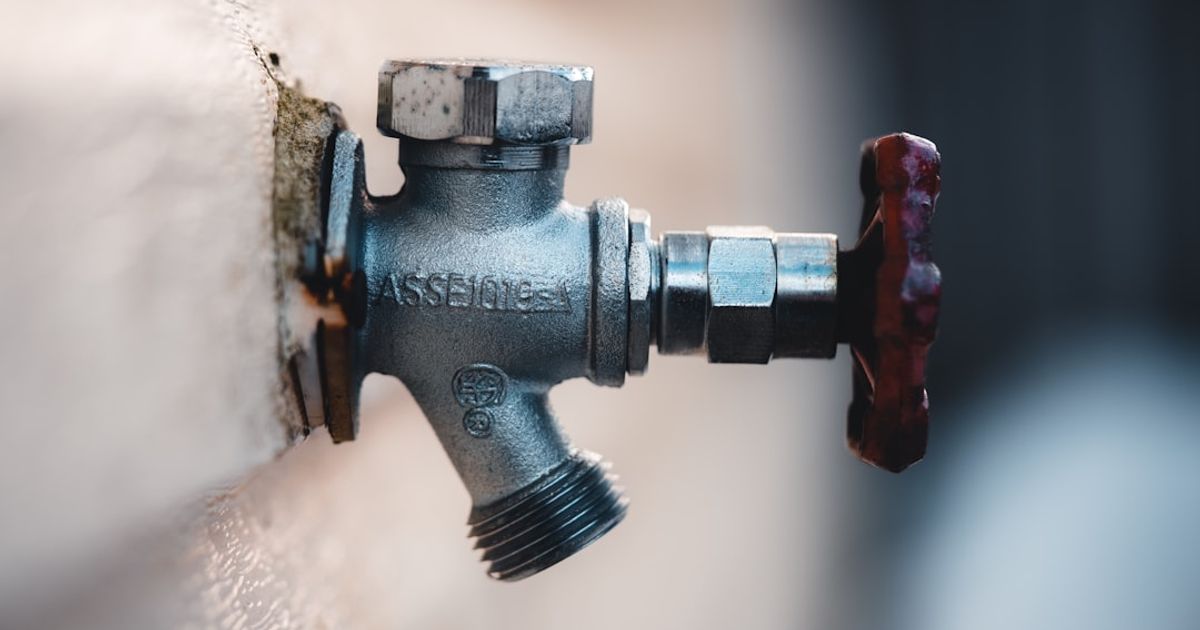
5 Essential Tips for Preventing Emergency Plumber Calls: Maintenance That Saves Thousands
Introduction
The middle of the night. Water spraying from beneath your sink. A backed-up toilet on Thanksgiving. A burst pipe in the dead of winter. These are the scenarios that lead homeowners to frantically search for emergency plumber services at premium rates—often spending $300 to $500 just for the service call, plus additional costs for repairs that could have been prevented.
Here's what most homeowners don't realize: the vast majority of plumbing emergencies are entirely preventable with proper maintenance. In fact, studies show that homeowners who implement a basic preventive maintenance routine reduce their emergency plumbing calls by up to 75%. That translates to thousands of dollars in savings over the lifetime of your home.
As a licensed plumber with over 20 years of experience, I've seen the difference that proactive maintenance makes. I've responded to countless emergency calls that could have been avoided with simple, inexpensive preventive measures. The good news? You don't need to be a plumbing expert to protect your system. This guide shares five essential tips that professional plumbers use to keep their own homes running smoothly—knowledge that will help you prevent emergency plumber calls and extend the life of your plumbing system significantly.
Whether you're a new homeowner or someone who's been managing a property for years, these expert recommendations will help you understand what matters most when it comes to plumbing maintenance.
Tip 1: Annual Plumbing Inspection & Maintenance Schedule
The foundation of preventing emergency plumber calls is establishing a regular inspection routine. Just as you wouldn't skip your annual car maintenance or dental checkups, your plumbing system deserves the same attention. An annual plumbing inspection is the single most important preventive measure you can take—and it's surprisingly affordable compared to emergency repairs.
Why Annual Inspections Matter
Your plumbing system is constantly under stress. Water pressure fluctuates, pipes expand and contract with temperature changes, and corrosion happens silently inside your walls. An annual inspection catches problems in their earliest stages, before they become emergencies. Professional plumbers have specialized equipment like video inspection cameras that can identify issues you'd never spot with your eyes alone.
During a professional inspection, a licensed plumber will:
- Check all visible pipes for signs of corrosion, leaks, or damage
- Test water pressure to ensure it's in the optimal range (40-80 PSI)
- Inspect your water heater for sediment buildup and corrosion
- Examine all fixtures including faucets, toilets, and shower heads for leaks
- Assess your sewer line for tree root intrusion or blockages
- Check under sinks for hidden leaks or water damage
- Inspect basement or crawl space pipes for deterioration
- Test your main water shut-off valve to ensure it operates properly
Creating Your Maintenance Schedule
The best time for an annual inspection is typically in the fall, before winter weather arrives. This allows you to address any issues before the stress of freezing temperatures. Here's what a basic annual maintenance schedule looks like:
Fall (September-October):
- Schedule professional plumbing inspection
- Have water heater inspected and flushed
- Insulate exposed pipes in unheated areas
- Test main water shut-off valve
- Clean gutters and downspouts
Winter (November-February):
- Monitor for frozen pipe issues
- Check basement for leaks after heavy snow melts
- Ensure heat tape is functioning on vulnerable pipes
Spring (March-May):
- Address any winter damage discovered
- Have sump pump tested and serviced
- Inspect foundation for new water intrusion signs
Summer (June-August):
- Test outdoor faucets and irrigation systems
- Check for leaks in visible basement pipes
- Inspect AC condensate drainage
Common Mistakes to Avoid
Many homeowners skip inspections because they assume "if it's not broken, it doesn't need attention." This is precisely backwards. By the time you notice a plumbing problem, it's often already causing damage. Hidden leaks can run for months, causing thousands in water damage and mold growth before anyone realizes there's a problem.
Another mistake is waiting until something breaks to call a plumber. Emergency service calls cost 1.5 to 2 times more than regular appointments. A $150 inspection that catches a small leak is far cheaper than the $500-$1,000 emergency call when that leak becomes a burst pipe.
Tip 2: Know Your Water Pressure & Shut-Off Valve Location
Understanding your water pressure and knowing where your main shut-off valve is located are two of the most critical pieces of plumbing knowledge you can have. These aren't complicated concepts, but they're essential for both prevention and emergency response.
Understanding Water Pressure
Water pressure is measured in PSI (pounds per square inch). Most municipal water systems deliver water at pressures between 40-80 PSI. While this seems fine, many homes actually receive water at higher pressures—sometimes 100+ PSI—which puts excessive stress on your pipes, fixtures, and water heater.
High water pressure is one of the leading causes of premature pipe failure. It forces water through your system with more force than it's designed to handle, causing micro-fractures in pipes, leaks at connections, and accelerated wear on appliances. Over time, this stress leads to burst pipes and emergency calls.
How to Check Your Water Pressure
You can check your water pressure yourself using an inexpensive pressure gauge (available at any hardware store for $10-$20). Here's how:
- Turn off all water-using appliances
- Attach the pressure gauge to an outdoor faucet or a hose bib
- Turn the faucet on fully
- Read the PSI on the gauge
If your pressure reads above 80 PSI, you should consider installing a pressure regulator. This device reduces incoming water pressure to a safe level (typically 50-60 PSI), protecting your entire plumbing system from stress damage. A pressure regulator costs $100-$300 installed and can prevent thousands in damage over time.
Locating Your Main Shut-Off Valve
Your main water shut-off valve is your emergency control switch. In a crisis—whether it's a burst pipe, overflowing toilet, or flooding—knowing where this valve is located and how to operate it can prevent catastrophic water damage.
The main shut-off valve is typically located:
- In the basement near where the main water line enters the house
- In a utility closet on the ground floor
- Outside the house in a meter box or valve box in the yard
- In crawl spaces in homes built on stilts or with raised foundations
Once you locate it, do the following:
- Mark it clearly with bright tape or paint so you can find it quickly in an emergency
- Test it by turning it clockwise until water stops flowing from an open faucet
- Turn it back on by turning it counterclockwise
- Show family members where it is and how to operate it
- Check it annually to ensure it still operates smoothly
Many homeowners are shocked to discover they can't operate their shut-off valve when they need to. Valves can become stuck if they haven't been used in years. If your valve is difficult to turn, contact a plumber to have it serviced or replaced before you need it in an emergency.
Secondary Shut-Off Valves
Beyond your main shut-off, you should also know the location of secondary shut-off valves for specific fixtures:
- Under each sink (bathroom and kitchen)
- Behind the toilet
- Near the water heater
- For outdoor faucets
These individual shut-offs allow you to stop water to a specific fixture without shutting off water to your entire home. This is invaluable when dealing with a leaking toilet or faucet—you can repair it without disrupting the rest of your household.
Tip 3: Protect Pipes in Winter: Insulation & Heat Tape Strategy
Frozen pipes are among the most common emergency plumbing calls, particularly in northern climates. When water freezes inside a pipe, it expands, creating pressure that can burst the pipe. A single burst pipe can release 250 gallons of water per day, causing severe water damage and mold growth. The good news? Frozen pipes are almost entirely preventable with proper insulation and protection.
Understanding Freeze Risk
Pipes freeze when exposed to temperatures below 32°F for extended periods. Risk factors include:
- Location: Pipes in unheated spaces (attics, crawl spaces, basements)
- Exposure: Pipes near exterior walls or in uninsulated areas
- Stagnation: Water sitting in pipes without flowing
- Insulation: Lack of pipe insulation or inadequate protection
- Climate: Extended cold periods without warming
The most vulnerable pipes are typically:
- Supply lines in exterior walls
- Pipes in unheated attics or crawl spaces
- Outdoor faucets and hose bibs
- Pipes in garages or unheated basements
- Sump pump discharge lines
Pipe Insulation Strategy
The most effective freeze prevention is proper insulation. Pipe insulation comes in several types, each suited to different applications:
Foam Pipe Insulation:
- Most common and affordable option
- Comes in pre-slit tubes that wrap around pipes
- Typical thickness: ½ inch to 1 inch
- Cost: $0.50-$1.50 per linear foot
- Installation: Simply wrap around pipe and secure with tape
- Best for: Accessible pipes in basements, crawl spaces, and attics
Fiberglass Pipe Wrap:
- Thicker insulation for extreme cold climates
- More expensive than foam but provides better protection
- Cost: $1-$3 per linear foot
- Installation: Wrap around pipe in overlapping layers
- Best for: Pipes in very cold climates or extremely exposed locations
Heat Tape (Heating Cables):
- Active heating solution for pipes at highest risk
- Thermostat-controlled versions activate only when temperature drops
- Cost: $20-$50 per 30-foot cable
- Installation: Wrap around pipe in spiral pattern
- Best for: Pipes that freeze despite other protection measures
Implementing Your Winter Protection Plan
A comprehensive winter protection strategy combines multiple approaches:
Before Winter Arrives (September-October):
- Inspect all exposed pipes for existing insulation
- Identify high-risk areas that lack protection
- Insulate all exposed pipes in unheated spaces
- Install heat tape on pipes in extremely cold areas
- Drain and disconnect outdoor hoses
- Close interior shut-off valves for outdoor faucets
- Open exterior faucet valves to allow residual water to drain
- Inspect weatherstripping around pipes entering the house
- Seal air leaks around pipes with caulk or foam sealant
During Winter:
- Allow faucets to drip slowly during extreme cold (moving water is less likely to freeze)
- Open cabinet doors under sinks to allow warm air circulation
- Monitor basement temperature to ensure it doesn't drop below 55°F
- Check heat tape is functioning properly
- Clear snow and ice from areas around outdoor faucets
After Winter:
- Inspect pipes for any freeze damage
- Remove heat tape if no longer needed
- Document which areas were most vulnerable for next year
- Plan improvements for next winter season
Common Mistakes to Avoid
Many homeowners make critical errors in their freeze prevention strategy. The most common mistake is assuming that pipes in "protected" spaces don't need insulation. Crawl spaces, attics, and even some basements can reach freezing temperatures. Every exposed pipe should be insulated.
Another mistake is using inadequate insulation thickness. A ½-inch foam wrap provides basic protection, but in extreme climates, 1-inch insulation or heat tape is necessary. Don't skimp on this—the cost of insulation is negligible compared to burst pipe repair costs ($500-$1,500 per pipe).
Tip 4: Drain Cleaning Routine: Prevent Clogs Before They Happen
Clogged drains are the most common plumbing emergency, accounting for about 35% of emergency calls. The frustrating part? Most clogs are entirely preventable with a simple maintenance routine. Understanding what causes clogs and implementing preventive measures will save you from dealing with backed-up toilets, slow drains, and expensive drain cleaning bills.
What Causes Clogs
Drains clog when debris accumulates inside pipes, restricting water flow. Common culprits include:
- Hair: The leading cause of bathroom drain clogs
- Soap buildup: Hardens and restricts flow over time
- Food waste: Grease, oil, and food particles in kitchen drains
- Mineral deposits: Hard water creates buildup in pipes
- Tree roots: Infiltrate sewer lines, especially in spring
- Toilet paper and wipes: Accumulate in pipes, especially "flushable" wipes
- Feminine hygiene products: Never belong in plumbing systems
- Lint: From laundry room drains
- Debris: Leaves, dirt, and sediment in outdoor drains
Preventive Drain Maintenance Routine
Implementing a simple monthly drain maintenance routine prevents 80% of common clogs. This takes just minutes per month and costs virtually nothing.
Monthly Drain Cleaning:
- Remove visible debris: Use a drain strainer or hair catcher to remove visible debris from shower and sink drains. These inexpensive devices ($3-$10) catch hair before it enters pipes. Clean them weekly.
- Flush with hot water: Once weekly, pour a kettle of boiling water down each drain. This dissolves soap buildup and flushes away loose debris. This is the single most effective preventive measure.
- Use baking soda and vinegar: Monthly, pour ½ cup of baking soda down the drain, followed by ½ cup of white vinegar. Cover the drain and let it sit for 30 minutes. This creates a fizzing action that breaks up buildup. Flush with hot water.
- Install drain screens: Inexpensive screens prevent hair and debris from entering pipes. Install them in:
- Shower and tub drains
- Bathroom sink drains
- Laundry room drains
- Outdoor drains
Kitchen Drain Specific Care:
Kitchen drains require special attention because grease is the enemy. Grease solidifies as it cools, creating stubborn clogs.
- Never pour grease down drains: Let it cool, solidify, and throw it in the trash
- Use a sink strainer: Catch food particles before they enter pipes
- Rinse dishes thoroughly: Remove excess food before washing
- Run hot water after use: Helps flush away remaining grease
- Weekly hot water flush: Pour boiling water down the drain weekly
Bathroom Drain Specific Care:
Bathroom drains clog primarily from hair accumulation.
- Use drain screens: Essential in showers and tubs
- Clean screens weekly: Remove accumulated hair
- Weekly hot water flush: Helps clear soap buildup
- Avoid chemical drain cleaners: They damage pipes and are less effective than mechanical methods
When Professional Drain Cleaning is Needed
If you notice slow drains despite your preventive routine, it's time for professional drain cleaning. Professional plumbers use several techniques:
- Drain snaking: Mechanical removal of clogs using a flexible cable
- Hydro-jetting: High-pressure water jets clean pipes thoroughly
- Video inspection: Identifies the clog location and cause
Professional drain cleaning costs $150-$300 for a single drain, or $250-$500 for main line cleaning. While this seems expensive, it's far cheaper than dealing with a backed-up sewer line or water damage from an overflowing drain.
Common Mistakes to Avoid
The biggest mistake homeowners make is relying on chemical drain cleaners. These caustic products damage pipes, are often ineffective, and create safety hazards. They should be avoided entirely. Mechanical methods (snaking, hot water, baking soda) are safer and more effective.
Another mistake is ignoring slow drains. A slow drain is a warning sign that buildup is accumulating. Address it immediately with preventive measures before it becomes a complete clog.
Tip 5: Monitor for Silent Leaks: Early Detection Saves Thousands
Silent leaks are the hidden threat that destroys homes. A small leak running continuously can waste thousands of gallons of water and cause tens of thousands in water damage before anyone realizes there's a problem. Unlike dramatic burst pipes, silent leaks operate invisibly—often for months or years. Early detection is critical.
The Cost of Undetected Leaks
Consider these numbers: A leak of just one gallon per hour costs approximately $35 per month in wasted water. But the real damage comes from water infiltration. Water damage restoration costs $7-$10 per square foot. A leak affecting just 100 square feet of flooring can cost $700-$1,000 to remediate. Add mold remediation, structural repair, and replacement materials, and costs easily exceed $5,000-$10,000.
Detecting and fixing a leak early—before it causes water damage—saves thousands. This is why monitoring for leaks is one of your most important preventive tasks.
Where Silent Leaks Occur
Silent leaks typically occur in locations where water damage isn't immediately obvious:
- Under sinks: Leaks at connections or from corroded pipes
- Behind walls: Supply line leaks inside wall cavities
- Under concrete slabs: Slab leaks in foundation areas
- In crawl spaces: Leaks that drip into soil rather than pooling visibly
- Inside water heaters: Corrosion causing slow leaks
- At toilet bases: Wax ring failures allowing water to seep into flooring
- In attics: Leaks from supply lines or condensation issues
- Basement corners: Foundation cracks allowing groundwater infiltration
How to Detect Silent Leaks
Check Your Water Meter:
Your water meter is your leak detective. Here's how to use it:
- Turn off all water-using appliances and fixtures
- Note the meter reading
- Wait 30 minutes without using any water
- Check the meter again
- If the reading increased, you have a leak
If you detect a leak using this method, the next step is locating it. Start by checking:
- Under sinks for visible leaks
- Around toilets for water seepage
- Basement pipes for drips
- Water heater for pooling water
If you can't locate the leak visually, contact a professional plumber. They have equipment to pinpoint hidden leaks.
Monitor Your Water Bill:
Your water bill is another leak indicator. If your bill increases significantly without explanation (increased usage), investigate. A sudden spike often indicates a leak. Compare your current bill to previous months. A 20-30% increase warrants investigation.
Visual Inspections:
Monthly visual inspections catch many leaks before they cause major damage.
- Under sinks: Look for water stains, puddles, or soft wood
- Around toilets: Check for water staining on flooring
- Basement pipes: Inspect for water droplets, staining, or corrosion
- Water heater: Look for pooling water or rust staining
- Exterior walls: Check for water staining or soft drywall
- Crawl spaces: Look for standing water or wet soil
- Attic: Check for water staining on rafters or insulation
Listen for Running Water:
Sometimes you can hear a leak before you see one. If you hear running water when no fixtures are in use, investigate immediately. This often indicates:
- A leaking toilet (most common)
- A running toilet fill valve
- A supply line leak
- A water heater leak
Addressing Detected Leaks
When you detect a leak, act immediately. The longer a leak runs, the more damage it causes. Here's the action plan:
- Isolate the leak: If possible, turn off water to the affected area using the secondary shut-off valve
- Document the leak: Take photos showing the location and extent
- Contact a plumber: For leaks you can't easily fix yourself
- Monitor for damage: Check surrounding areas for water damage, staining, or mold growth
- Address water damage: If significant water has accumulated, contact a water damage restoration company
Common Leak Locations and Fixes
Leaking Faucets:
- Cause: Worn washers or cartridges
- DIY fix: Often replaceable washers or cartridges
- Cost: $50-$150 for professional repair
- Prevention: Use faucets gently, avoid over-tightening handles
Leaking Toilets:
- Cause: Worn fill valve, flapper, or tank bolts
- DIY fix: Flapper replacement ($10-$30)
- Cost: $150-$300 for professional repair
- Prevention: Don't use toilet as trash can, check for silent leaks monthly
Leaking Pipes:
- Cause: Corrosion, freezing, or joint failures
- DIY fix: Small leaks can be temporarily patched
- Cost: $200-$500+ for professional repair
- Prevention: Proper insulation, water pressure regulation, annual inspections
Water Heater Leaks:
- Cause: Corrosion, sediment buildup, or failed components
- DIY fix: None—requires professional attention
- Cost: $150-$400 for repair, $800-$3,000 for replacement
- Prevention: Annual flushing, temperature regulation, anode rod replacement
Common Mistakes to Avoid
Many homeowners ignore small leaks, assuming they're not serious. This is a critical mistake. A small leak that seems insignificant can cause thousands in damage over time. Address every leak promptly.
Another mistake is attempting complex repairs without proper knowledge. Water heater leaks, slab leaks, and supply line leaks require professional expertise. Improper repairs can cause more damage and void warranties.
Pro Secrets Most Homeowners Don't Know
After two decades as a professional plumber, I've learned insider knowledge that most homeowners never discover. These secrets can save you significant money and headaches.
Sediment Buildup Shortens Water Heater Life: Most homeowners never flush their water heaters, allowing sediment to accumulate. This buildup reduces efficiency, increases heating costs, and causes premature failure. Annual flushing extends water heater life by 5-10 years. Cost to flush: $100-$200. Savings: $1,000+ by extending water heater life.
Toilet Running Water Costs More Than You Realize: A running toilet can waste 200+ gallons daily—about $35 per month in wasted water. Many homeowners don't notice because the leak is silent. The fix is simple (usually a $10-$30 flapper replacement), but the savings are substantial.
Water Pressure Regulators Prevent Expensive Damage: High water pressure (above 80 PSI) is invisible but devastating. It causes premature pipe failure, fixture damage, and water heater stress. A $200 pressure regulator prevents thousands in damage. Most plumbers install these on every new construction for this reason.
Drain Screens Are Your Best Investment: A $5 drain screen prevents $500+ drain cleaning bills. This is the highest ROI preventive measure you can take. Install them everywhere.
Your Plumber's Most Valuable Tool is Prevention: Professional plumbers know that preventing problems is far more profitable than fixing them—yet they emphasize prevention because it's the right thing to do. Follow their advice, and you'll never need emergency services.
Seasonal Considerations
Plumbing challenges vary significantly by season. Understanding seasonal risks allows you to implement targeted prevention.
Winter (November-February): Frozen pipes are the primary winter concern. Implement pipe insulation and heat tape before temperatures drop. Monitor for freeze damage after cold snaps. Keep basement temperatures above 55°F. Allow faucets to drip during extreme cold.
Spring (March-May): Spring thaw brings foundation leaks and sump pump failures. Have sump pumps tested before heavy rains. Inspect basements for new water intrusion. Address any winter damage discovered. Clean gutters and downspouts to prevent water from pooling near foundations.
Summer (June-August): High water usage increases stress on plumbing systems. Test outdoor faucets and irrigation systems. Check for AC condensate line clogs. Monitor for leaks as increased usage reveals weak points. Have professional drain cleaning before peak usage.
Fall (September-October): Fall is the ideal time for annual maintenance. Schedule professional inspections. Have water heaters serviced. Prepare pipes for winter. Clean gutters before leaves accumulate.
When Expert Help is Needed
While preventive maintenance is critical, some plumbing situations require professional expertise. Knowing when to call a plumber prevents costly DIY mistakes.
Tasks That Require Professional Plumbers
Never DIY:
- Gas line work (requires special licensing)
- Water heater installation (complex, code-regulated)
- Main sewer line repairs (requires specialized equipment)
- Slab leaks (requires locating and accessing leaks under concrete)
- Water pressure regulator installation (requires proper calibration)
- Septic system work (requires specialized knowledge)
Usually Require Professionals:
- Burst pipe repair (often requires wall/floor access)
- Supply line replacement (code compliance critical)
- Fixture installation (requires proper venting and code compliance)
- Drain cleaning (requires professional equipment)
- Water heater repair (complex systems, safety concerns)
Signs You Need Professional Help
- Multiple slow drains throughout the house (indicates main line issue)
- Sewage smell in home or yard (sewer line problem)
- Water staining on ceilings or walls (hidden leak)
- Soft spots in flooring (water damage)
- Mold growth (indicates moisture problem)
- No hot water (water heater issue)
- Low water pressure throughout house (main line issue)
- Backed-up toilets (sewer line blockage)
- Visible corrosion on pipes (imminent failure risk)
- Age of plumbing over 50 years (system may be failing)
How to Find Reliable Help
When you need professional help, finding a reliable plumber is critical. Here's what to look for:
Licensing and Insurance:
- Verify state plumbing license (requirements vary by state)
- Confirm liability insurance ($1M+ coverage typical)
- Ask for references and check online reviews
Pricing:
- Get quotes from 3 companies before deciding
- Compare service calls, hourly rates, and repair estimates
- Be wary of prices that seem too low (may indicate inexperience)
- Ask about service guarantees and warranties
Professional Standards:
- Members of professional organizations (PHCC, IAPMO)
- Clean, professional appearance and vehicles
- Clear written estimates before work begins
- Explanation of problems and solutions
- Warranty on repairs (typically 1-2 years)
Frequently Asked Questions
What is the most important preventive maintenance tip?
If you implement only one preventive measure, make it an annual professional plumbing inspection. This single action catches problems before they become emergencies and saves more money than any other maintenance task. An inspection costs $150-$300 but prevents emergency calls costing $300-$500+ for service alone, plus repair costs. The return on investment is immediate and substantial.
How can I prevent frozen pipes in winter?
Preventing frozen pipes requires a multi-layered approach: (1) Insulate all exposed pipes in unheated spaces using foam insulation, (2) Install heat tape on pipes at highest risk, (3) Allow faucets to drip slowly during extreme cold, (4) Open cabinet doors under sinks to allow warm air circulation, (5) Seal air leaks around pipes entering the house, (6) Maintain basement temperatures above 55°F. The combination of insulation and heat tape prevents 99% of freeze damage. Cost is $200-$500 for a full winter protection setup, which is minimal compared to $500-$1,500 burst pipe repair costs.
What do professionals recommend for drain maintenance?
Professional plumbers recommend a simple monthly routine: (1) Install drain screens to catch hair and debris, (2) Weekly hot water flushes down each drain, (3) Monthly baking soda and vinegar treatment, (4) Never pour grease down drains, (5) Professional drain cleaning every 1-2 years as preventive maintenance. This routine prevents 80% of common clogs. The cost is minimal (drain screens cost $3-$10 each), but the savings are substantial—professional drain cleaning costs $150-$500 when clogs occur.
How often should I have my water heater serviced?
Water heaters should be serviced annually, ideally in fall before winter stress. Annual service includes flushing sediment, inspecting the anode rod, checking temperature and pressure relief valve, and inspecting for corrosion. Annual service costs $100-$200 but extends water heater life by 5-10 years, saving $1,000+ in replacement costs. Without annual service, water heaters typically fail at 8-10 years. With proper maintenance, they can last 15-20 years.
How can I detect a silent leak before it causes damage?
Detect silent leaks using three methods: (1) Check your water meter—if it increases when no water is in use, you have a leak, (2) Monitor your water bill—a 20-30% increase indicates a leak, (3) Conduct monthly visual inspections under sinks, around toilets, and in basements. Most silent leaks are detectable within 1-2 months using these methods. Early detection prevents water damage costs of $5,000-$10,000+.
What's the difference between DIY drain cleaning and professional cleaning?
DIY drain cleaning (hot water, baking soda, drain screens) prevents clogs and maintains healthy drains but cannot remove established clogs. Professional drain cleaning uses mechanical snaking or hydro-jetting to remove blockages. DIY prevention costs virtually nothing and is 80% effective. Professional cleaning costs $150-$500 but is 100% effective for existing clogs. The best approach is DIY prevention to avoid needing professional cleaning.
How do I know if my water pressure is too high?
You can check water pressure using an inexpensive pressure gauge ($10-$20) attached to an outdoor faucet. Normal pressure is 40-80 PSI. If your pressure reads above 80 PSI, install a pressure regulator ($200-$300 installed) to protect your plumbing system. High pressure causes premature pipe failure, fixture damage, and water heater stress. A pressure regulator is one of the most cost-effective preventive investments you can make.
Conclusion
Preventing emergency plumber calls comes down to five essential practices: conducting annual inspections, understanding your water pressure and shut-off valve location, protecting pipes in winter, maintaining drains through simple routines, and monitoring for silent leaks. These five tips, implemented consistently, prevent the vast majority of plumbing emergencies.
The financial case for preventive maintenance is compelling. A $150-$300 annual inspection prevents $300-$500 emergency service calls plus $500-$5,000 in repair costs. A $200 winter pipe protection setup prevents $500-$1,500 burst pipe repairs. A $5 drain screen prevents $500 drain cleaning bills. The return on investment is immediate and substantial.
Beyond the financial savings, preventive maintenance gives you peace of mind. You won't wake up to water spraying from your ceiling or deal with backed-up sewage on a holiday weekend. Your home's plumbing system will operate reliably for decades.
Start implementing these tips today. Schedule your annual inspection this fall. Locate and test your main shut-off valve this week. Install drain screens this month. Insulate exposed pipes this season. Monitor your water meter monthly. These simple actions, taken together, virtually eliminate the need for emergency plumber calls. You'll save thousands while protecting one of your home's most critical systems.
The best emergency plumber call is the one that never happens. Make preventive maintenance your priority, and you'll enjoy a trouble-free plumbing system for years to come.

Frequently Asked Questions
Q:What is the most important preventive maintenance tip?
A: If you implement only one preventive measure, make it an annual professional plumbing inspection. This single action catches problems before they become emergencies and saves more money than any other maintenance task. An inspection costs $150-$300 but prevents emergency calls costing $300-$500+ for service alone, plus repair costs. The return on investment is immediate and substantial. During an inspection, professionals use specialized equipment to identify hidden issues you'd never spot yourself, including corrosion, early-stage leaks, water pressure problems, and sewer line issues.
Q:How can I prevent frozen pipes in winter?
A: Preventing frozen pipes requires a multi-layered approach: (1) Insulate all exposed pipes in unheated spaces using foam insulation or fiberglass wrap, (2) Install heat tape on pipes at highest risk, (3) Allow faucets to drip slowly during extreme cold, (4) Open cabinet doors under sinks to allow warm air circulation, (5) Seal air leaks around pipes entering the house, (6) Maintain basement temperatures above 55°F. The combination of insulation and heat tape prevents 99% of freeze damage. Cost is $200-$500 for a full winter protection setup, which is minimal compared to $500-$1,500 burst pipe repair costs. Start preparations in September and October before winter arrives.
Q:What do professionals recommend for drain maintenance?
A: Professional plumbers recommend a simple monthly routine: (1) Install drain screens to catch hair and debris ($3-$10 each), (2) Weekly hot water flushes down each drain, (3) Monthly baking soda and vinegar treatment, (4) Never pour grease down drains, (5) Professional drain cleaning every 1-2 years as preventive maintenance. This routine prevents 80% of common clogs. The cost is minimal, but the savings are substantial—professional drain cleaning costs $150-$500 when clogs occur. Drain screens are your highest ROI preventive measure. Start with screens in all bathrooms and kitchen sinks.
Q:How often should I have my water heater serviced?
A: Water heaters should be serviced annually, ideally in fall before winter stress. Annual service includes flushing sediment, inspecting the anode rod, checking temperature and pressure relief valve, and inspecting for corrosion. Annual service costs $100-$200 but extends water heater life by 5-10 years, saving $1,000+ in replacement costs. Without annual service, water heaters typically fail at 8-10 years. With proper maintenance, they can last 15-20 years. Sediment buildup is the primary cause of premature water heater failure, making flushing the most important maintenance task.
Q:How can I detect a silent leak before it causes damage?
A: Detect silent leaks using three methods: (1) Check your water meter—if it increases when no water is in use, you have a leak. Turn off all fixtures and wait 30 minutes; if the meter changes, investigate immediately. (2) Monitor your water bill—a 20-30% increase indicates a leak. Compare current bills to previous months. (3) Conduct monthly visual inspections under sinks, around toilets, in basements, and near water heaters. Most silent leaks are detectable within 1-2 months using these methods. Early detection prevents water damage costs of $5,000-$10,000+. Act immediately if you detect a leak.
Q:What's the difference between DIY drain cleaning and professional cleaning?
A: DIY drain cleaning (hot water, baking soda, drain screens) prevents clogs and maintains healthy drains but cannot remove established clogs. Professional drain cleaning uses mechanical snaking or hydro-jetting to remove blockages. DIY prevention costs virtually nothing and is 80% effective at preventing clogs. Professional cleaning costs $150-$500 but is 100% effective for existing clogs. The best approach is DIY prevention to avoid needing professional cleaning. Install screens, flush with hot water weekly, and use baking soda and vinegar monthly to maintain drain health and avoid expensive professional cleaning.
Q:How do I know if my water pressure is too high?
A: You can check water pressure using an inexpensive pressure gauge ($10-$20) attached to an outdoor faucet. Normal pressure is 40-80 PSI. If your pressure reads above 80 PSI, install a pressure regulator ($200-$300 installed) to protect your plumbing system. High pressure causes premature pipe failure, fixture damage, and water heater stress. A pressure regulator is one of the most cost-effective preventive investments you can make. Test your pressure in fall as part of your annual maintenance routine. If pressure is high, address it before winter stress.