
Spring Plumbing Maintenance Checklist: Post-Winter Damage Guide

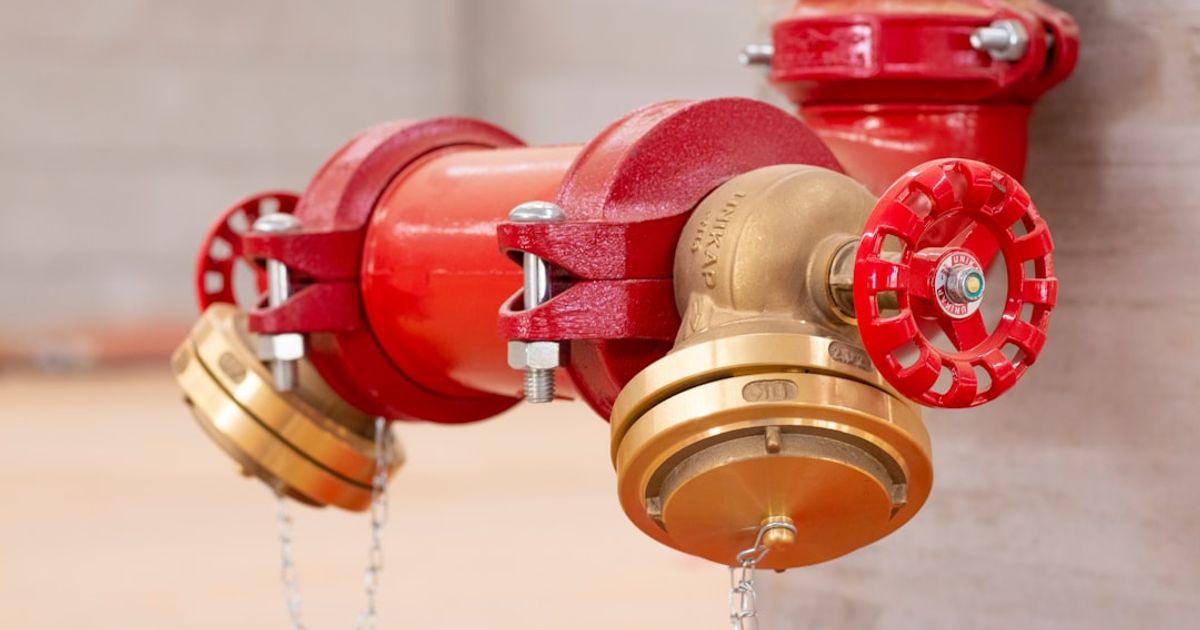
Spring Plumbing Maintenance Checklist: Prepare Your Home After Winter Damage
Introduction
As winter fades and temperatures begin to rise, your home's plumbing system has likely endured significant stress. Frozen pipes, temperature fluctuations, and the weight of snow and ice create conditions that can cause hidden damage throughout your plumbing infrastructure. Spring plumbing maintenance is not just a recommendation—it's essential for protecting your investment and preventing costly emergency repairs.
The spring season is the ideal time to conduct a thorough post-winter plumbing inspection. This comprehensive guide provides you with a detailed spring plumbing maintenance checklist that covers everything from outdoor water lines to interior pipes, drain systems, and your water heater. By following this checklist, you'll identify damage early, address minor issues before they become major problems, and ensure your plumbing system is ready for the warmer months ahead.
Homeowners who complete spring plumbing maintenance typically save $500 to $2,000 annually by catching problems before they escalate. Beyond cost savings, regular maintenance prevents water damage, maintains proper water pressure, and extends the lifespan of your plumbing fixtures and appliances. Whether you're a first-time homeowner or have years of experience, this actionable checklist will guide you through every critical inspection point.
Quick Reference Summary: Spring Plumbing Maintenance Checklist
Before diving into detailed sections, here's a condensed overview of the most critical spring plumbing maintenance items:
Top 5 Most Important Spring Plumbing Tasks:
- [ ] Check outdoor faucets and hose bibs for leaks (Indicates freeze damage; $50-150 to repair vs. $500+ for water damage)
- [ ] Inspect visible pipes for cracks or bulging (Signs of freeze damage requiring immediate attention)
- [ ] Test water pressure throughout the house (Low pressure may indicate hidden leaks or freeze damage)
- [ ] Flush and drain your water heater (Removes sediment buildup; improves efficiency by 10-15%)
- [ ] Clear gutters and downspouts (Prevents water from backing up into foundation and plumbing)
Quick Task Checklist:
- Outdoor inspection: 30-45 minutes
- Interior pipe inspection: 20-30 minutes
- Water pressure testing: 10-15 minutes
- Drain system check: 15-20 minutes
- Water heater maintenance: 30-45 minutes
- Total time commitment: 2-3 hours
Estimated Cost of Professional Inspection: $150-300 (vs. $1,000-5,000+ if major damage goes undetected)
Outdoor Plumbing Inspection: Checking for Winter Damage
Your outdoor plumbing is the first line of defense against winter damage, and it's often the most vulnerable. Spring is the critical time to assess the condition of exterior water systems before the summer season begins. This section covers the essential outdoor plumbing inspection items you need to check.
Hose Bibs and Exterior Faucets
- [ ] Turn on each outdoor faucet slowly (Watch for leaks, spraying, or weak flow)
- [ ] Check for water pooling around the faucet base (Indicates internal freeze damage or cracked valve)
- [ ] Inspect the faucet handle for cracks or damage (Freeze can cause metal to split)
- [ ] Listen for unusual sounds (Hissing or gurgling indicates air in the line from freeze damage)
- [ ] Test water temperature (Should run clear and cold; discolored water indicates sediment from freeze damage)
Why This Matters: Frozen hose bibs are among the most common winter plumbing failures. When water freezes inside the valve, it expands and can crack the entire faucet assembly. Even small leaks from outdoor faucets can waste 5-10 gallons per day, costing $50-100 monthly on your water bill. A damaged hose bib typically costs $75-200 to replace, but if water seeps into your foundation or basement, repairs can exceed $2,000.
Water Supply Lines to Outdoor Features
- [ ] Check supply lines to sprinkler systems for cracks or leaks (Freeze damage often occurs in supply lines)
- [ ] Inspect connections where lines enter the house (Most vulnerable freeze points)
- [ ] Look for water stains or discoloration on siding (Indicates slow leaks that went unnoticed)
- [ ] Test sprinkler system valves (Turn on and listen for proper operation)
- [ ] Check for ice damage to outdoor pipes (Visual cracks, bulging, or separation)
Why This Matters: Outdoor water supply lines are exposed to the harshest winter conditions. Freeze damage to these lines can result in complete loss of water to outdoor systems or, worse, damage to the main water line itself. Repairing an exterior water line typically costs $500-1,500 depending on depth and location.
Main Water Shut-Off Valve Area
- [ ] Locate your main water shut-off valve (Usually near the foundation or where water enters the house)
- [ ] Test the valve by turning it slowly (Should move without resistance; stuck valves indicate mineral buildup)
- [ ] Check for leaks around the valve (Water should not drip when valve is fully closed)
- [ ] Inspect the area for ice damage or cracks (Winter freeze can damage the valve itself)
- [ ] Ensure the valve is accessible (Clear away boxes, tools, or debris)
Why This Matters: Your main shut-off valve is your emergency plumbing control. If you can't operate it quickly during a burst pipe or major leak, water damage can be catastrophic. Testing it in spring ensures it will work when you need it most. A stuck valve can cost $150-300 to repair or $200-500 to replace.
Exterior Pipe Insulation Assessment
- [ ] Check all exposed outdoor pipes for insulation (Foam sleeves, heat tape, or blankets)
- [ ] Look for damaged or deteriorated insulation (Cracks, peeling, or missing sections)
- [ ] Identify any pipes that lack protection (These are candidates for summer insulation upgrades)
- [ ] Inspect heat tape for damage (Cracked or frayed tape should be replaced)
- [ ] Note areas where pipes are at risk (Shade areas, areas near vents, or north-facing walls)
Why This Matters: Proper insulation prevents 80% of freeze damage. By assessing your current insulation in spring, you can plan upgrades before next winter. Quality pipe insulation costs $0.50-2.00 per linear foot but prevents freeze damage that can cost $1,000-5,000 or more.
Water Pressure & Main Line Assessment
Water pressure is a critical indicator of your plumbing system's overall health. Winter freeze damage often manifests as pressure loss, and spring is the ideal time to test and assess your water pressure throughout the house. This section provides a complete water pressure assessment checklist.
Whole-House Water Pressure Test
- [ ] Purchase or borrow a water pressure gauge (Available at hardware stores for $10-25)
- [ ] Attach the gauge to an outdoor faucet (Turn off all other water-using appliances first)
- [ ] Record the pressure reading (Normal range: 40-80 PSI; ideal: 50-60 PSI)
- [ ] Compare readings from different faucets (Pressure should be consistent throughout the house)
- [ ] Test pressure at the highest and lowest points (Second-floor bathroom vs. basement)
Why This Matters: Low water pressure is often the first sign of freeze damage. If your pressure has dropped 10-15 PSI from last year, it may indicate a hidden leak or ice damage to the main line. A pressure gauge test takes 10 minutes and can save you thousands in undetected water damage.
Identifying Pressure Loss Patterns
- [ ] Check if pressure loss occurs at one faucet or throughout the house (Single faucet = local issue; whole house = main line problem)
- [ ] Test pressure during different times of day (Morning pressure should match evening pressure)
- [ ] Note if pressure drops when multiple fixtures run simultaneously (May indicate freeze damage reducing water flow capacity)
- [ ] Document any pressure fluctuations (Record readings for comparison with future tests)
- [ ] Check if pressure is lower on the second floor (Expected, but excessive loss indicates problems)
Why This Matters: Pressure loss patterns tell you where the problem is located. Whole-house pressure loss suggests main line damage, which is urgent. Single-fixture pressure loss may be a simple valve issue. Understanding the pattern helps you prioritize which problems to address first.
Main Water Line Inspection
- [ ] Locate the main water line entering your house (Usually in basement, crawlspace, or near foundation)
- [ ] Inspect the visible portion for cracks, bulging, or separation (Visual signs of freeze damage)
- [ ] Check for water stains or wet spots around the line (Indicates slow leaks)
- [ ] Look for mineral deposits or white crusty buildup (Signs of slow leaks that have dried)
- [ ] Note the pipe material (Copper, PVC, PEX, or galvanized steel; affects freeze vulnerability)
- [ ] Check if the line is properly insulated (Especially in crawlspaces or unheated areas)
Why This Matters: The main water line is the most critical component of your plumbing system. Freeze damage here can result in catastrophic water loss and foundation damage. Main line repair costs $1,500-3,500 or more. Early detection through visual inspection can prevent this expensive emergency.
Water Meter and Shut-Off Area Assessment
- [ ] Locate your water meter (Usually in basement, crawlspace, or outside near foundation)
- [ ] Check the meter for cracks or damage (Freeze can crack the meter itself)
- [ ] Look for water leaks around the meter (Water should not drip or pool)
- [ ] Inspect the shut-off valve near the meter (Should be accessible and functional)
- [ ] Note if the meter area is properly protected from freezing (Heat tape or insulation)
- [ ] Record the meter reading (Helps identify hidden leaks; should match your water bill usage)
Why This Matters: Your water meter is a diagnostic tool. If the meter is running when no water is being used, you have a leak. Comparing meter readings week-to-week helps identify hidden leaks before they cause major damage.
Interior Pipe & Connection Inspection Checklist
Interior pipes are less exposed than outdoor plumbing but can still suffer freeze damage, especially in unheated areas like crawlspaces, attics, and exterior walls. This section provides a comprehensive interior pipe inspection checklist.
Basement and Crawlspace Pipe Inspection
- [ ] Walk through basement and crawlspace with a flashlight (Look for visible damage or leaks)
- [ ] Inspect all visible pipes for cracks, bulging, or separation (Common freeze damage signs)
- [ ] Check for water stains on pipes or surrounding areas (Indicates past or current leaks)
- [ ] Look for ice deposits or frost on pipes (Suggests ongoing freeze issues)
- [ ] Inspect pipe hangers and supports (Freeze damage can crack supports or cause pipes to shift)
- [ ] Check for corrosion or mineral buildup (Indicates water quality issues or age-related problems)
- [ ] Ensure pipes are properly insulated in cold areas (Especially near exterior walls or vents)
Why This Matters: Basement and crawlspace pipes are vulnerable because these areas often have poor insulation or ventilation. Freeze damage here can go unnoticed for weeks, causing slow leaks that damage foundations and create mold. Inspecting these areas takes 30-45 minutes but can prevent $2,000-5,000 in damage.
Wall and Exterior Wall Pipe Checks
- [ ] Listen for water sounds inside walls (Running water sound when no faucets are on indicates a leak)
- [ ] Check for soft spots or water stains on drywall (Signs of hidden leaks in walls)
- [ ] Look for peeling paint or wallpaper near plumbing (Often indicates moisture from leaks)
- [ ] Inspect exterior walls for frost or ice buildup (Indicates pipes freezing inside walls)
- [ ] Check cabinet areas under sinks (Pipes in exterior walls are freeze-vulnerable)
- [ ] Ensure insulation around pipes in cold areas (Especially in kitchens and bathrooms on exterior walls)
Why This Matters: Leaks inside walls are the most dangerous because they cause hidden water damage. By the time you notice signs, significant damage may have occurred. Mold can develop within 24-48 hours of water exposure, creating health hazards. Wall leak repairs can cost $1,000-3,000 or more once drywall damage is involved.
Pipe Connection and Joint Inspection
- [ ] Inspect all visible pipe connections and joints (Freeze damage often occurs at connections)
- [ ] Look for water dripping or seeping from connections (Even small drips indicate problems)
- [ ] Check for corrosion at threaded connections (Indicates water quality issues or age)
- [ ] Test connection tightness by gently trying to move pipes (Should not move; movement indicates loose connections)
- [ ] Inspect solder joints on copper pipes (Should be smooth and shiny; cracks or dull appearance indicate problems)
- [ ] Check for mineral deposits around connections (White or green crusty buildup indicates slow leaks)
Why This Matters: Pipe connections are stress points that freeze damage targets first. A leaking connection can waste 5-10 gallons per day. Most connection repairs cost $75-200 and are straightforward, but ignoring them can lead to water damage.
Appliance Water Line Inspection
- [ ] Inspect water lines to washing machine (Check for cracks, bulging, or leaks)
- [ ] Check refrigerator ice maker line (Common freeze damage point; should not be kinked)
- [ ] Inspect dishwasher inlet lines (Look for cracks or loose connections)
- [ ] Check toilet supply lines (Should be secure and not leaking)
- [ ] Inspect water heater inlet and outlet lines (Look for corrosion or leaks)
- [ ] Verify all appliance lines are properly supported (Should not be hanging or stressed)
Why This Matters: Appliance water lines are often overlooked but are critical. A burst washing machine line can flood your laundry room in minutes, causing $2,000-5,000 in damage. Most appliance line failures can be prevented with proper insulation and inspection.
Drain System Cleaning & Clearing Blockages
Winter weather can cause drain problems through ice dams, debris accumulation, and freeze damage. Spring drain system maintenance ensures your drainage system is flowing properly and ready for spring rains. This section covers comprehensive drain system inspection and cleaning.
Main Drain Line Assessment
- [ ] Check for slow drains throughout the house (Indicates potential blockage in main line)
- [ ] Listen for gurgling sounds when draining water (Sign of air trapped in line from blockage)
- [ ] Note if multiple drains are slow simultaneously (Indicates main line problem vs. single fixture issue)
- [ ] Check basement floor drain for water or backup (Critical sign of main line problems)
- [ ] Inspect cleanout access points (Should be accessible for professional cleaning if needed)
- [ ] Look for wet spots or water pooling in yard (Indicates sewer line backup or break)
Why This Matters: Main drain problems can cause sewage backup into your home, creating health hazards and expensive cleanup. A $300 professional drain cleaning now can prevent a $3,000-5,000 sewer line repair later. Early detection is key.
Kitchen Drain Inspection and Cleaning
- [ ] Run water and observe drain speed (Should drain quickly; slow drain indicates blockage)
- [ ] Check for food debris or grease buildup (Winter may have slowed drainage)
- [ ] Inspect the garbage disposal (Run it with cold water; listen for unusual sounds)
- [ ] Pour boiling water down the drain (Helps dissolve grease buildup; repeat if necessary)
- [ ] Use a drain snake or plunger if slow (Manual clearing is often effective for minor blockages)
- [ ] Check under the sink for leaks (Winter damage may have caused new leaks)
Why This Matters: Kitchen drains accumulate grease and food debris over winter. Spring cleaning prevents backups and maintains proper drainage. A clogged kitchen drain costs $150-250 to professionally clear, but preventive maintenance is free.
Bathroom Drain Inspection
- [ ] Test drain speed in all sinks (Should drain quickly)
- [ ] Check for hair accumulation (Common cause of slow drains)
- [ ] Inspect shower and tub drains (Look for slow drainage or standing water)
- [ ] Check for mold or mildew around drains (Indicates moisture issues)
- [ ] Use a drain snake to remove hair buildup (Prevents future clogs)
- [ ] Verify proper slope of drain lines (Water should flow toward the main drain)
Why This Matters: Bathroom drains are prone to hair and soap buildup. Spring maintenance prevents summer clogs. A clogged bathroom drain costs $150-300 to professionally clear.
Outdoor Drain and Gutter System
- [ ] Clear gutters and downspouts of debris (Winter leaves, branches, and ice dams can block them)
- [ ] Check that downspouts discharge away from foundation (Should be 4-6 feet from house)
- [ ] Inspect for water pooling near foundation (Indicates gutter or grading problems)
- [ ] Check outdoor drains for blockage (Leaves and debris accumulate over winter)
- [ ] Verify sump pump is functional (Test by pouring water into the pit)
- [ ] Inspect grading around the house (Water should slope away from foundation)
Why This Matters: Outdoor drainage problems cause foundation and basement water issues. Proper grading and gutter maintenance prevent water from entering your home. Foundation repair costs $5,000-15,000 or more, making preventive maintenance essential.
Sewer Line Visual Inspection
- [ ] Look for wet spots or depressions in the yard (May indicate sewer line problem)
- [ ] Check for unusually green or lush patches of grass (Indicates sewage fertilizing the lawn)
- [ ] Listen for gurgling sounds in drains (Sign of sewer line blockage or damage)
- [ ] Note any foul odors (Indicates sewer gas escaping from cracks)
- [ ] Check basement for sewage backup (Urgent problem requiring immediate attention)
- [ ] Document any signs for professional assessment (Video inspection may be needed)
Why This Matters: Sewer line problems are among the most expensive plumbing issues. A sewer line repair costs $1,000-5,000 or more. Early detection through visual inspection can help you plan for professional assessment and repair.
Water Heater Spring Maintenance Steps
Your water heater works harder during winter to provide hot water, and spring is the ideal time to perform maintenance that extends its lifespan and improves efficiency. This section provides step-by-step water heater maintenance instructions.
Water Heater Visual Inspection
- [ ] Check for visible leaks around the tank base (Even small drips indicate problems)
- [ ] Inspect the temperature and pressure relief valve (Should not be leaking)
- [ ] Look for rust or corrosion on the tank exterior (Sign of aging or internal rust)
- [ ] Check the condition of the anode rod (Protects tank from rust; should be inspected annually)
- [ ] Verify the thermostat setting (Should be 120°F; higher settings waste energy)
- [ ] Inspect gas or electrical connections (Should be secure and not damaged)
Why This Matters: Visual inspection catches problems before they become emergencies. A leaking water heater can cause $2,000-5,000 in water damage. Early detection allows you to plan replacement before failure occurs.
Flushing and Draining the Water Heater
- [ ] Turn off the water supply to the heater (Valve is usually at the top of the tank)
- [ ] Allow water to cool for 30-60 minutes (Hot water can cause burns)
- [ ] Attach a garden hose to the drain valve (Direct water to a safe location)
- [ ] Open the drain valve slowly (Water will be hot; use caution)
- [ ] Drain 5-10 gallons or until water runs clear (Removes sediment buildup)
- [ ] Close the drain valve (Turn it firmly to prevent leaks)
- [ ] Turn the water supply back on (Check for leaks at connections)
Why This Matters: Sediment buildup reduces water heater efficiency by 10-15% and can damage the heating element. Flushing your water heater annually extends its lifespan by 2-3 years and saves $100-200 annually in energy costs.
Temperature and Pressure Relief Valve Testing
- [ ] Locate the temperature and pressure relief (TPR) valve (Usually on top or side of tank)
- [ ] Test the valve by lifting the lever slightly (Water should flow from the discharge pipe)
- [ ] Listen for proper operation (Should hear water flow and then stop when lever is released)
- [ ] Check for any leaking from the valve (Should not drip when lever is released)
- [ ] Inspect the discharge pipe (Should not be blocked or kinked)
- [ ] Note if valve needs replacement (If it doesn't operate smoothly, replacement may be needed)
Why This Matters: The TPR valve is a critical safety device. If it fails, pressure can build up inside the tank, creating an explosion hazard. A faulty valve costs $150-300 to replace but prevents a potentially dangerous situation.
Water Heater Performance Assessment
- [ ] Check hot water temperature at a faucet (Should reach 120°F; take 30-45 seconds to arrive)
- [ ] Note if hot water takes longer than usual (May indicate sediment buildup or heating element problems)
- [ ] Listen for unusual sounds from the heater (Popping or rumbling indicates sediment)
- [ ] Check water temperature consistency (Should remain steady; fluctuation indicates problems)
- [ ] Assess if hot water supply is sufficient (Running out quickly may indicate tank size issues)
- [ ] Compare energy bills (Sudden increase may indicate heating element problems)
Why This Matters: Performance changes indicate your water heater needs attention. A water heater that's losing efficiency will cost $20-40 more per month in energy bills. Maintenance now can save $240-480 annually.
Water Heater Insulation Check
- [ ] Feel the tank exterior (Should be warm but not hot to the touch)
- [ ] Check if the tank has an insulation blanket (Older heaters may benefit from one)
- [ ] Inspect the blanket for damage (Tears or deterioration reduce effectiveness)
- [ ] Verify proper clearance around the heater (Combustible materials should be 18+ inches away)
- [ ] Check that the thermostat is accessible (Don't cover it with insulation)
- [ ] Assess energy efficiency (Proper insulation saves $15-25 monthly)
Why This Matters: Proper insulation reduces heat loss and energy costs. An insulation blanket costs $20-40 and pays for itself in 2-3 months through energy savings.
When to Schedule Professional Plumbing Inspection
While the spring plumbing maintenance checklist provides comprehensive self-inspection guidance, certain situations require professional expertise. This section outlines when to call a licensed plumber and what to expect from a professional inspection.
Warning Signs Requiring Professional Inspection
Schedule a professional inspection immediately if you notice:
- Visible cracks or bulging in pipes (Structural damage requires professional repair)
- Water pressure below 40 PSI (Indicates main line problems or significant leaks)
- Water stains or wet spots in basement or crawlspace (May indicate hidden leaks)
- Sewage smell or gurgling drains (Signs of sewer line problems)
- Water pooling in yard or unusually green patches (Indicates drainage or sewer problems)
- Multiple slow drains throughout the house (Main drain blockage requiring professional clearing)
- Discolored or rusty water (Indicates water quality or pipe corrosion issues)
- No hot water or inadequate hot water supply (Water heater problems requiring professional assessment)
- Leaking water heater (Urgent issue requiring professional replacement)
- Frozen pipes that haven't thawed (Requires professional thawing and assessment)
What a Professional Spring Inspection Includes
A comprehensive professional plumbing inspection typically includes:
- Complete visual inspection of all accessible pipes and connections
- Water pressure testing at multiple locations
- Main water line assessment and leak detection
- Water heater inspection and testing
- Drain system evaluation and camera inspection if needed
- Sewer line assessment for damage or blockage
- Identification of freeze damage and recommended repairs
- Written report with prioritized repair recommendations
- Estimated costs for identified problems
Cost: Professional inspections typically cost $150-300 and usually take 1-2 hours.
Finding a Licensed Plumber
When scheduling professional inspection:
- Verify the plumber is licensed and insured (licensing requirements vary by state)
- Ask for references from recent customers
- Get written estimates before authorizing work
- Confirm the company offers 24/7 emergency service
- Ask about warranties on repairs
- Verify they provide detailed inspection reports
- Confirm pricing structure (hourly rate vs. flat fee)
National average emergency call-out fee: $150-300 National average hourly rate: $75-200 (varies by region)
Frequency Recommendations for Spring Plumbing Maintenance
Understanding how often to perform plumbing maintenance helps you stay on top of potential problems. This section outlines recommended inspection and maintenance frequencies throughout the year.
Daily Checks (Year-Round)
- [ ] Listen for unusual water sounds (Running water when nothing is on, gurgling, or hissing)
- [ ] Check for visible leaks under sinks (Quick 10-second visual check)
- [ ] Monitor water pressure (Should feel consistent; low pressure is unusual)
- [ ] Observe water color (Should be clear; discoloration indicates problems)
- [ ] Note any foul odors (Indicates sewer or drain problems)
Time commitment: 2-3 minutes daily
Weekly Checks (Year-Round)
- [ ] Run all faucets and check for leaks (Including outdoor faucets in summer)
- [ ] Flush all drains with hot water (Prevents buildup)
- [ ] Test toilet operation (Should fill and drain properly)
- [ ] Check basement or crawlspace for water (Look for puddles or moisture)
- [ ] Inspect visible pipes for leaks or damage (Visual inspection only)
Time commitment: 15-20 minutes weekly
Monthly Checks (Year-Round)
- [ ] Test water pressure with a gauge (Record reading for comparison)
- [ ] Inspect all visible connections for leaks (Look for dripping or mineral deposits)
- [ ] Check water heater for leaks or unusual sounds (Visual inspection)
- [ ] Clear drain screens and strainers (Prevents blockages)
- [ ] Test main water shut-off valve (Ensure it operates smoothly)
Time commitment: 30-45 minutes monthly
Seasonal Checks
Spring (March-May):
- Complete spring plumbing maintenance checklist (2-3 hours)
- Professional inspection if issues are found ($150-300)
- Repair any freeze damage identified (varies)
- Prepare outdoor plumbing for summer use
Summer (June-August):
- Monitor water usage for leaks (compare to previous years)
- Inspect outdoor faucets and sprinkler systems monthly
- Test sump pump monthly (if applicable)
- Clear gutters and downspouts monthly
Fall (September-October):
- Prepare outdoor plumbing for winter (drain hoses, shut off exterior water)
- Inspect and repair any summer damage
- Insulate exposed pipes (if not already done)
- Professional inspection recommended ($150-300)
Winter (November-February):
- Monitor for frozen pipes (check exposed pipes weekly)
- Keep cabinet doors open under sinks in cold weather
- Let faucets drip during extreme cold
- Clear gutters and downspouts of ice dams
- Inspect for freeze damage after thaw periods
Annual Professional Inspection
Schedule a professional plumbing inspection at least once annually, preferably in spring:
- Cost: $150-300
- Time: 1-2 hours
- Benefit: Catches problems early, prevents emergencies
- Typical findings: 30-40% of homes have minor issues requiring attention
Warning Signs to Watch For
Certain signs indicate your plumbing has problems requiring immediate attention. Knowing these warning signs helps you act quickly before small issues become expensive emergencies.
Immediate Action Required (Call Plumber Today)
Water Damage Signs:
- Water stains on ceilings or walls
- Soft spots or buckling in drywall or flooring
- Mold or mildew growth (health hazard)
- Musty odors (indicates hidden moisture)
- Water pooling in basement or crawlspace
Pressure and Flow Problems:
- Sudden loss of water pressure throughout house
- No water to one or more fixtures
- Water trickling from faucets (may indicate freeze damage)
- Discolored or rusty water
Leak Signs:
- Visible water dripping from pipes or connections
- Water pooling under sinks or appliances
- Wet spots on exterior walls or foundation
- Unusually high water bills
Drain Problems:
- Sewage smell in house or yard
- Gurgling sounds from drains
- Multiple slow drains simultaneously
- Water backing up into fixtures
Urgent Attention Needed (Schedule Within 1 Week)
- Slow drains in single fixtures (may worsen)
- Minor leaks from connections (will likely increase)
- Reduced hot water supply (heater may be failing)
- Unusual sounds from water heater (popping, rumbling)
- Frost or ice on pipes (freeze damage risk)
Cost of delaying: $500-2,000 in additional damage
Preventive Attention Recommended (Schedule Within 1 Month)
- Water pressure below 50 PSI (indicates efficiency loss)
- Water heater over 10 years old (replacement planning)
- Visible corrosion on pipes (age-related deterioration)
- Mineral deposits around connections (water quality issues)
- Outdoor faucets with weak flow (freeze damage)
Cost of preventive maintenance: $100-500 Cost of emergency repair: $1,000-5,000+
Tools You'll Need for Spring Plumbing Maintenance
Performing your own spring plumbing maintenance checklist requires minimal equipment. Most tools are inexpensive and useful for other home maintenance tasks.
Essential Tools (Under $100 Total)
- Water Pressure Gauge ($10-25) - Attaches to outdoor faucet; measures PSI
- Flashlight or Headlamp ($15-30) - Essential for inspecting basement and crawlspace
- Adjustable Wrench ($10-20) - For tightening connections
- Plunger ($10-20) - Helps clear minor drain clogs
- Drain Snake ($15-30) - Removes hair and debris from drains
- Bucket ($5-10) - Catches water when testing drains
- Towels or Rags ($5-10) - For cleanup and drying
Helpful Optional Tools ($50-150)
- Pipe Inspection Camera ($100-300) - Professional-grade tool for viewing inside pipes
- Moisture Meter ($20-50) - Detects hidden moisture in walls
- Thermal Imaging Camera ($100-300) - Identifies cold spots indicating freeze damage
- Water Meter Reading Tool ($15-25) - Helps identify hidden leaks
Where to Get Tools
- Home Improvement Stores: Home Depot, Lowe's (in-stock, immediate availability)
- Online Retailers: Amazon (often cheaper; requires shipping wait)
- Tool Rental Shops: Rent expensive tools like inspection cameras for $20-40/day
- Plumbing Supply Stores: Often have specialized tools and expert advice
Total investment for complete toolkit: $75-150 (one-time cost)
Conclusion
Spring plumbing maintenance is one of the most important home maintenance tasks you can perform. By following this comprehensive spring plumbing maintenance checklist, you'll identify winter damage early, prevent costly emergency repairs, and ensure your plumbing system is ready for the warmer months ahead.
The key takeaways from this guide are:
- Outdoor inspection is critical - Check hose bibs, water lines, and main shut-off valve first
- Test water pressure - Low pressure indicates freeze damage or hidden leaks
- Inspect interior pipes - Focus on basement, crawlspace, and exterior walls
- Maintain your drain system - Clear blockages and ensure proper drainage
- Service your water heater - Flush sediment and test safety valves
Most homeowners can complete this checklist in 2-3 hours, spending only $75-150 on tools. The investment in spring plumbing maintenance typically prevents $500-2,000 in emergency repairs and water damage.
If you discover problems during your inspection, don't hesitate to contact a licensed plumber. Professional assessment costs $150-300 but can prevent far more expensive damage. Many plumbers offer spring maintenance specials and can address multiple issues efficiently.
Start your spring plumbing maintenance today. Your home's plumbing system will thank you, and your wallet will benefit from the prevention of costly emergency repairs.
---
Frequently Asked Questions About Spring Plumbing Maintenance
Q: How often should I check my plumbing system for problems?
A: Perform daily checks for unusual sounds or leaks (2-3 minutes), weekly visual inspections (15-20 minutes), and monthly comprehensive checks (30-45 minutes). Schedule a professional inspection annually, preferably in spring. This routine catches problems early when they're least expensive to fix. Most homeowners who follow this schedule avoid emergency plumbing calls.
Q: What are the most common signs of freeze damage I should watch for?
A: The most common freeze damage signs are: (1) Low water pressure throughout the house, (2) Visible cracks or bulging in pipes, (3) Water stains on ceilings or walls, (4) Frost or ice on pipes in basement or crawlspace, (5) Slow or no water from specific faucets, and (6) Discolored or rusty water. If you notice any of these signs, contact a plumber within 24 hours. Freeze damage worsens quickly and can cause catastrophic water damage.
Q: What tools do I actually need to complete this checklist?
A: The essential tools are: water pressure gauge ($10-25), flashlight ($15-30), adjustable wrench ($10-20), plunger ($10-20), drain snake ($15-30), bucket ($5-10), and towels ($5-10). Total investment is approximately $75-150. Most of these tools are useful for other home maintenance tasks, making them worthwhile investments. You can also borrow tools from neighbors or rent specialized equipment from tool rental shops.
Q: Should I hire a professional plumber for the spring inspection, or can I do it myself?
A: You can perform most of the checklist yourself and save the $150-300 professional inspection fee. However, hire a professional if you find any of these issues: visible cracks in pipes, low water pressure (below 40 PSI), water stains or wet spots, sewage smells, or drainage problems. A professional can also assess water heater condition and perform camera inspections of drain lines. Many homeowners do the basic checklist themselves and call a professional only if problems are found.
Q: How much does professional spring plumbing maintenance cost?
A: A professional spring plumbing inspection typically costs $150-300 and takes 1-2 hours. If repairs are needed, costs vary: hose bib replacement ($75-200), pipe repair ($200-500), drain cleaning ($150-300), water heater maintenance ($150-250), and main line repair ($500-3,500+). Getting written estimates before authorizing work helps you budget and compare pricing from multiple plumbers.
Q: What's the most important part of the spring plumbing maintenance checklist?
A: The outdoor plumbing inspection is most critical because freeze damage typically occurs in exterior pipes and faucets first. Check hose bibs, outdoor water lines, and the main water line for cracks, leaks, or damage. This 30-45 minute inspection often reveals problems that could cost thousands to repair if left unaddressed. After outdoor inspection, test your water pressure and inspect interior pipes in basement and crawlspace.
Q: Can I prevent freeze damage from happening again next winter?
A: Yes. Proper pipe insulation prevents 80% of freeze damage. Insulate exposed pipes in crawlspaces, attics, and exterior walls with foam sleeves or heat tape. Ensure outdoor faucets have freeze-proof designs or shut-off valves. Let faucets drip slowly during extreme cold (saves $2-5 in water cost but prevents $1,000+ in damage). Seal air leaks around pipes. These preventive measures typically cost $100-300 but prevent freeze damage repairs costing $1,000-5,000+.
Q: How do I know if I have a hidden water leak?
A: Check your water meter reading when no water is being used. If the meter is running, you have a leak. Compare your water bills to previous years; sudden increases indicate leaks. Look for water stains, soft spots in drywall, musty odors, or unusually green patches in the yard. Listen for water running sounds when everything is off. A professional can use moisture meters or thermal imaging to locate hidden leaks. Finding and fixing hidden leaks typically saves $100-200 monthly in water bills.

Frequently Asked Questions
Q:How often should I perform spring plumbing maintenance checks?
A: Perform daily checks for unusual sounds or visible leaks (2-3 minutes), weekly visual inspections of all fixtures and connections (15-20 minutes), and comprehensive monthly checks (30-45 minutes). Schedule a professional inspection at least once annually, preferably in spring. This routine maintenance catches problems early when they're least expensive to fix. Most homeowners who follow this schedule avoid emergency plumbing calls and save $500-2,000 annually in prevented damage.
Q:What are the warning signs of freeze damage I should watch for?
A: Common freeze damage signs include: (1) Low water pressure throughout the house or at specific fixtures, (2) Visible cracks, bulging, or separation in pipes, (3) Water stains on ceilings, walls, or in basement, (4) Frost or ice buildup on pipes, (5) Discolored or rusty water from faucets, (6) Sewage smells or gurgling drains, and (7) Unusually high water bills indicating hidden leaks. If you notice any of these signs, contact a plumber within 24 hours. Freeze damage typically worsens quickly and can cause catastrophic water damage costing $2,000-5,000+.
Q:What tools do I need to complete the spring plumbing maintenance checklist?
A: Essential tools include: water pressure gauge ($10-25), flashlight or headlamp ($15-30), adjustable wrench ($10-20), plunger ($10-20), drain snake ($15-30), bucket ($5-10), and towels ($5-10). Total investment is approximately $75-150. These tools are useful for other home maintenance tasks, making them worthwhile one-time purchases. You can also borrow tools from neighbors or rent specialized equipment like pipe inspection cameras from tool rental shops for $20-40 per day.
Q:Should I hire a professional plumber for spring inspection or do it myself?
A: You can perform most of the checklist yourself and save the $150-300 professional inspection cost. However, hire a professional if you find: visible pipe cracks, water pressure below 40 PSI, water stains or wet spots, sewage smells, drainage problems, or water heater issues. Many homeowners complete the basic checklist themselves and call a professional only if problems are discovered. This approach balances cost savings with professional expertise when needed.
Q:How much does professional spring plumbing maintenance cost?
A: A professional spring plumbing inspection typically costs $150-300 and takes 1-2 hours. Specific repair costs vary: hose bib replacement ($75-200), pipe repair ($200-500), drain cleaning ($150-300), water heater maintenance ($150-250), and main line repair ($500-3,500+). Emergency service calls cost 1.5-2x regular rates. Always get written estimates before authorizing work. Comparing quotes from 2-3 plumbers helps you find competitive pricing and quality service.
Q:What's the most important part of the spring plumbing maintenance checklist?
A: The outdoor plumbing inspection is most critical because freeze damage typically occurs in exterior pipes and faucets first. Spend 30-45 minutes checking hose bibs, outdoor water lines, main water shut-off valve, and visible exterior pipes for cracks, leaks, or damage. This inspection often reveals problems that could cost thousands to repair if left unaddressed. After outdoor inspection, test water pressure and inspect interior pipes in basement and crawlspace.
Q:How can I prevent freeze damage from happening next winter?
A: Proper pipe insulation prevents 80% of freeze damage. Insulate exposed pipes in crawlspaces, attics, and exterior walls using foam sleeves or heat tape. Ensure outdoor faucets have freeze-proof designs or shut-off valves. Let faucets drip slowly during extreme cold (costs $2-5 in water but prevents $1,000+ in damage). Seal air leaks around pipes. These preventive measures typically cost $100-300 but prevent freeze damage repairs costing $1,000-5,000+.