
Sudden Water Pressure Loss: Emergency Diagnosis & When to Call

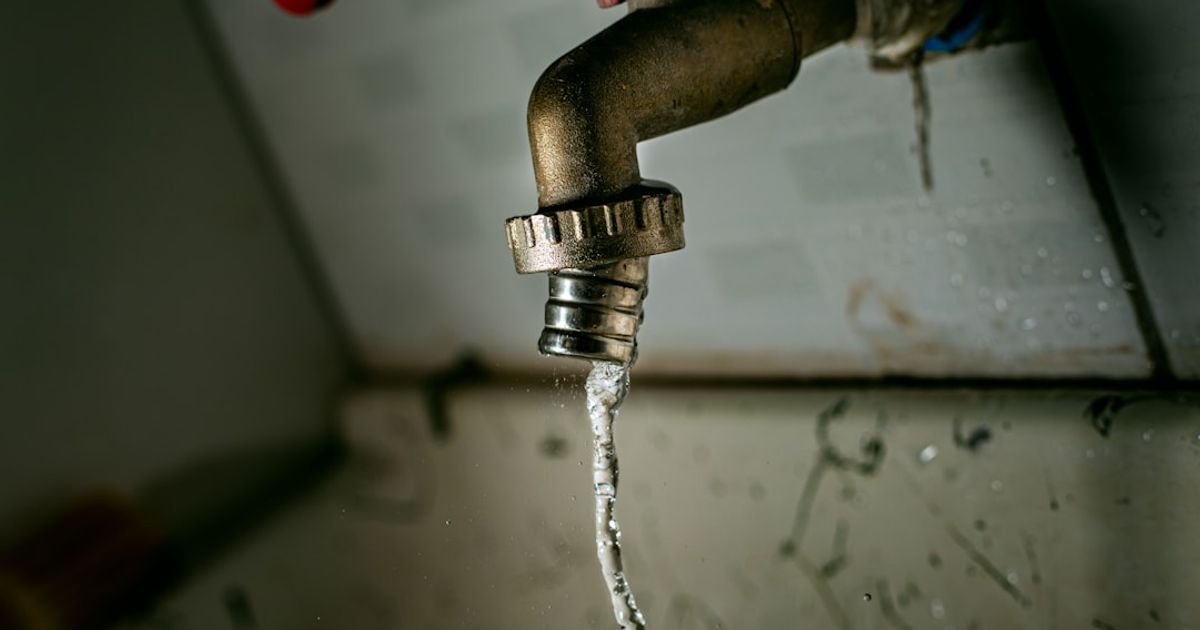
Sudden Water Pressure Loss: Emergency Diagnosis & When to Call a Plumber Immediately
Introduction: Understanding Low Water Pressure Emergencies
It's 6 AM on a Monday morning, and you turn on the shower to find barely a trickle of water. Or perhaps you're in the middle of doing dishes when your kitchen faucet suddenly loses pressure. Sudden water pressure loss is one of the most disorienting plumbing issues homeowners face—and for good reason. Without adequate water pressure, you can't shower properly, wash dishes effectively, or even flush toilets reliably. What makes this situation even more stressful is the uncertainty: Is this an emergency? Can you fix it yourself? Will it lead to water damage or a burst pipe?
Water pressure loss affects approximately 15-20% of residential plumbing emergencies nationwide, making it one of the most common calls emergency plumbers receive. The good news is that while sudden water pressure loss always warrants investigation, it's not always a catastrophic emergency. However, understanding the difference between a minor inconvenience and a serious problem requiring immediate professional attention is critical.
In this comprehensive guide, we'll walk you through everything you need to know about sudden water pressure loss. You'll learn how to perform quick diagnostic steps to identify the source of your problem, understand when professional help is truly necessary, and discover what temporary solutions can help you manage the situation while waiting for an emergency plumber. Whether the problem is isolated to a single fixture or affecting your entire home, this guide will give you the knowledge and confidence to respond appropriately.
Identifying Low Water Pressure: One Fixture vs. Whole House
The first and most important diagnostic step in addressing sudden water pressure loss is determining whether the problem is localized to a single fixture or affecting your entire home's water system. This distinction is crucial because it dramatically narrows down the possible causes and determines whether you're dealing with a minor fixture issue or a major system problem.
Single Fixture Water Pressure Loss
When only one faucet, showerhead, or toilet has low water pressure, the problem is almost certainly isolated to that specific fixture or the supply line directly serving it. This is actually the best-case scenario because it typically means your main water supply and distribution system are functioning normally.
To confirm that pressure loss is isolated to a single fixture, turn on all the other faucets in your home. Check your kitchen sink, bathroom sinks, outdoor spigots, and showers. If water flows normally from these other sources, you've successfully identified that the problem is localized. Common causes of single-fixture pressure loss include aerator clogs (the small screen at the faucet tip), mineral buildup inside the fixture, or a partially closed shut-off valve beneath the sink.
Single fixture pressure loss is rarely an emergency and can often be resolved with simple DIY cleaning. Most homeowners can remove and clean an aerator in under five minutes. However, if the problem persists after cleaning, it may indicate an issue with the fixture's internal components or the supply line, which would warrant professional attention.
Whole House Water Pressure Loss
When you notice that multiple fixtures throughout your home have simultaneously lost pressure—or when you turn on a faucet and the pressure is noticeably lower than normal—you're likely dealing with a whole-house pressure issue. This is more serious than a single-fixture problem and requires more immediate attention.
To confirm whole-house pressure loss, systematically check water pressure at multiple locations: upstairs and downstairs bathrooms, kitchen, laundry room, and outdoor faucets. If pressure is consistently low across all these points, the problem originates from your main water supply, pressure regulator, or primary distribution lines.
Whole-house sudden water pressure loss can result from several causes ranging from minor to severe: a malfunctioning pressure regulator, a leak in your main water line, a partially closed main water shut-off valve, mineral buildup in your main supply line, or issues with your municipal water supply. Some of these issues require emergency plumber intervention, while others can wait until normal business hours. The key is understanding which category your situation falls into.
Common Causes: Leaks, Clogs, Valve Issues & Main Line Problems
Understanding the common causes of sudden water pressure loss empowers you to make informed decisions about whether to call an emergency plumber or address the issue yourself. Each cause has distinct characteristics and urgency levels.
Leaks and Burst Pipes
One of the most serious causes of sudden water pressure loss is a leak or burst pipe somewhere in your plumbing system. When a pipe develops a leak, water escapes before reaching your fixtures, resulting in noticeably reduced pressure. The severity depends on the leak's location and size.
Small pinhole leaks might cause gradual pressure reduction over time, while a burst pipe causes dramatic, sudden pressure loss. A burst pipe is a genuine emergency because it can lead to catastrophic water damage, mold growth, and structural damage. Signs of a burst pipe include wet spots on walls or ceilings, unusually high water bills, water pooling in your yard, or the sound of running water when all fixtures are off.
If you suspect a burst pipe, turn off your main water shut-off valve immediately and call an emergency plumber. Don't delay—water damage restoration costs $7-$10 per square foot, and the longer water flows, the more damage occurs. A burst pipe repair typically costs $200-$1,000 depending on the pipe's location and accessibility, but water damage restoration can cost tens of thousands of dollars.
Clogged or Mineral-Buildup Lines
Mineral deposits, sediment, and debris can accumulate inside water supply lines, particularly in areas with hard water. Over time, these deposits reduce the internal diameter of pipes, restricting water flow and reducing pressure. This buildup typically develops gradually, but in some cases, a sudden shift or disturbance can cause a blockage to suddenly worsen, resulting in noticeable pressure loss.
Mineral buildup is most common in older homes with galvanized steel pipes, which are more prone to corrosion and sediment accumulation than modern copper or PEX pipes. If your home was built before 1980 and you've never had your supply lines cleaned, mineral buildup could be a likely culprit.
Diagnosing mineral buildup can be challenging without professional equipment, but clues include: water that looks slightly discolored or cloudy, reduced pressure that develops gradually across multiple fixtures, or a history of hard water issues. A professional plumber can use a water pressure gauge and flow test to confirm this diagnosis. Treatment might involve flushing your lines, installing a water softener, or in severe cases, replacing affected pipe sections.
Malfunctioning Pressure Regulator
Most homes have a pressure regulator installed where the main water line enters the house. This device reduces high-pressure water from the municipal supply (typically 80-120 PSI) to a safe level for residential use (40-60 PSI). A malfunctioning pressure regulator can suddenly fail, causing either excessively high or excessively low pressure.
When a pressure regulator fails and pressure drops, it's usually because the internal mechanism has broken or become stuck in a closed position. This is a moderately urgent issue—not an immediate emergency like a burst pipe, but something requiring professional attention within 24 hours.
You can test your water pressure using an inexpensive pressure gauge (available at any hardware store for $10-$20). Screw it onto an outdoor faucet or washing machine connection. Normal residential pressure reads 40-60 PSI; anything below 30 PSI indicates a problem. If you're reading below 30 PSI and your municipal water supply is normal, a faulty pressure regulator is likely the culprit. Pressure regulator replacement costs $150-$300 and should only be performed by a licensed plumber.
Partially Closed Main Water Shut-Off Valve
One of the most common causes of sudden whole-house water pressure loss is a partially closed main water shut-off valve. This valve controls water flow into your entire home and is typically located where the main water line enters your house (in the basement, crawl space, or near your water meter).
If someone accidentally turned this valve partially closed—perhaps during a previous repair or emergency—it would dramatically reduce water pressure throughout your home. This is actually great news because it's the easiest problem to fix: simply turn the valve counterclockwise (or pull the handle out if it's a lever-style valve) until it's fully open.
To check your main shut-off valve, locate it and verify it's fully open. If it's already open and pressure is still low, the problem lies elsewhere. If you find it partially closed, opening it completely should restore normal pressure immediately. However, if the valve won't open fully or seems stuck, don't force it—call a plumber to avoid damaging the valve.
Municipal Water Supply Issues
Occasionally, sudden pressure loss throughout your home isn't caused by your plumbing at all—it's caused by problems with your municipal water supply. Water main breaks, maintenance work, or pressure fluctuations in the public water system can temporarily reduce pressure to multiple homes in an area.
If you experience sudden whole-house pressure loss, check with your neighbors. If they're experiencing the same issue, the problem is almost certainly with the municipal supply. Contact your local water department to confirm whether they're aware of any issues. In most cases, pressure will be restored within a few hours. You don't need to call an emergency plumber for this situation.
Quick Diagnostic Steps Before Calling a Plumber
Before you pick up the phone to call an emergency plumber, perform these diagnostic steps. They take only 10-15 minutes and can help you provide crucial information to the plumber, potentially saving time and money.
Step 1: Check Your Water Meter
Your water meter tells you whether water is actively flowing through your main line. Locate your water meter (typically outside your home near the street or in your basement). Note the reading, wait 15 minutes without using any water, then check the reading again. If the number has increased, water is flowing somewhere in your system, indicating a leak.
If the meter shows no movement during this test and you have low pressure, the issue is likely upstream (in the municipal supply or main shut-off valve) rather than a leak in your home.
Step 2: Inspect Your Pressure Regulator
Locate your pressure regulator (usually a bell-shaped device on the main water line where it enters your home). Look for signs of leaking, corrosion, or damage. A leaking pressure regulator suggests it's failing and needs replacement. A regulator with visible corrosion or mineral buildup may be malfunctioning.
If you have a pressure gauge, test your water pressure. Attach it to an outdoor faucet or washing machine connection. Record the reading—this information is valuable for your plumber.
Step 3: Check All Shut-Off Valves
Examine your main water shut-off valve to ensure it's fully open. The valve should turn counterclockwise to open (or pull out if it's a lever). If it's partially closed, open it fully. Also check any secondary shut-off valves (typically found under sinks or near the water heater) to ensure none of these are partially closed.
Step 4: Look for Visible Leaks
Inspect visible portions of your plumbing system for leaks. Check under sinks, around the water heater, in the basement, and in crawl spaces. Look for wet spots, mineral staining, or active dripping. If you find a leak, note its location and severity—this information helps your plumber prioritize the repair.
Step 5: Test Hot and Cold Water Separately
Run your cold water tap and note the pressure. Then run your hot water tap and note its pressure. If only hot water has low pressure, the problem is likely in your water heater or the hot water supply line. If only cold water has low pressure, the issue is in the cold water supply. If both are equally affected, the problem is in the main supply or pressure regulator.
Step 6: Check for Recent Water Usage Changes
Think about recent events that might explain the pressure loss. Did someone recently do plumbing work? Was there a water main break in your area? Has your water bill increased significantly? Did the pressure loss coincide with heavy water usage (like multiple showers running simultaneously)? These details help your plumber narrow down the cause.
Is Low Water Pressure an Emergency? Decision Guide
Not all water pressure loss requires emergency plumber services. Emergency calls cost 1.5-2 times more than regular appointments and should be reserved for situations that truly can't wait. Use this decision guide to determine whether your situation warrants emergency response.
Emergency Situations (Call Immediately)
Call an emergency plumber right now if:
- You suspect a burst pipe (sudden pressure loss + wet spots on walls/ceilings, water pooling outside, sound of running water when fixtures are off)
- You see water actively spraying or flowing from pipes in your basement, crawl space, or walls
- You have water backing up into your home or basement
- You notice your water bill has suddenly doubled or tripled (indicating significant leak)
- You have no water pressure at all and your neighbors also lack pressure (after confirming it's not a municipal issue, this might indicate a main line break)
- You smell gas near your water heater or main supply line (turn off gas immediately and call both your gas company and a plumber)
Urgent Situations (Call Within 24 Hours)
Call a plumber first thing in the morning if:
- You have noticeably reduced pressure (less than 30 PSI) affecting your entire home, but no visible leaks
- Your pressure regulator appears to be leaking or damaged
- You have a small, slow leak that you can see but that isn't causing water damage
- Your pressure loss is accompanied by discolored water or sediment
- You have pressure loss affecting only hot water (water heater issue)
Non-Emergency Situations (Schedule Within a Week)
You can wait for a regular appointment if:
- Only a single fixture has low pressure
- You've confirmed the main shut-off valve is fully open and pressure is normal elsewhere
- The pressure loss is minor and doesn't significantly affect your daily activities
- You've already cleaned aerators and the problem persists
Water Pressure Testing & Professional Diagnosis
When you call an emergency plumber, they'll perform professional water pressure testing and diagnosis to pinpoint the exact cause of your pressure loss. Understanding what they're looking for helps you ask informed questions and understand their recommendations.
Professional Pressure Testing
Plumbers use a specialized pressure gauge that screws onto a faucet or washing machine connection to measure water pressure in PSI (pounds per square inch). Normal residential pressure ranges from 40-60 PSI. Readings below 30 PSI indicate a problem requiring investigation.
A professional plumber will test pressure at multiple points in your home to determine whether the loss is localized or system-wide. They might also test pressure before and after the water meter to determine whether the problem is in your home's plumbing or in the municipal supply.
Flow Rate Testing
Beyond pressure, plumbers assess water flow rate—how much water flows in a given time. This helps distinguish between pressure loss (reduced PSI) and flow problems (reduced volume). A kitchen faucet should deliver 2-2.2 gallons per minute; a showerhead should deliver 2.5 gallons per minute. If flow is below these standards, it indicates a blockage or restriction.
Leak Detection
If your plumber suspects a leak, they may use advanced leak detection equipment including acoustic sensors (which listen for the sound of water escaping from pipes), thermal imaging cameras (which detect temperature variations indicating water flow), or dye testing (which traces water movement through your system). These tools help locate hidden leaks without invasive excavation.
Pressure Regulator Testing
If your pressure regulator is suspect, the plumber will test whether it's functioning correctly. A failing regulator may show fluctuating pressure readings or may not maintain consistent pressure. Testing determines whether the regulator needs adjustment or replacement.
Water Quality Testing
If mineral buildup or sediment is suspected, your plumber might test water quality by collecting samples and examining them for sediment, rust, or mineral content. This helps determine whether your supply lines need flushing or whether a water softener would be beneficial.
Temporary Solutions While Waiting for Emergency Plumber
If you've determined that your water pressure loss requires professional attention but the plumber can't arrive immediately, these temporary solutions can help you manage while you wait.
Immediate Pressure-Loss Mitigation
If you have a burst pipe or active leak, your first action is to turn off your main water shut-off valve. Locate the valve where your main water line enters your home and turn it clockwise (or push the handle in if it's a lever-style valve) until it's fully closed. This stops water flow and prevents further damage while you wait for emergency service.
With the main valve closed, you'll have no water pressure anywhere in your home. However, this is a temporary emergency measure—you'll need professional repair to restore water service.
Pressure-Boosting Temporary Measures
If your pressure loss is gradual rather than catastrophic, and you need water for essential functions while waiting for a plumber, try these temporary solutions:
Reduce simultaneous water usage. When multiple fixtures run simultaneously, pressure drops because the system must split available water among them. If you have low but not zero pressure, avoid running the dishwasher, washing machine, or shower while using other faucets. Sequential usage maintains better pressure for essential needs.
Run cold water only. If your pressure loss is isolated to hot water, run cold water while waiting for repair. If you need hot water, heat it on the stove or use an electric kettle. This is inconvenient but functional for essential tasks.
Use a pressure tank. If you have a well system (rather than municipal water), your home may have a pressure tank. Check whether this tank's pressure is adequate (typically 40-60 PSI). If pressure is low, the tank may need recharging, which you can sometimes do yourself by adding air through a valve on top of the tank. However, if the tank is damaged or leaking, professional service is needed.
Managing Without Adequate Pressure
While you wait for professional help, manage your household needs strategically:
- Fill bathtubs or large containers with water for toilet flushing if pressure is very low
- Use bottled water or boiled water for drinking and cooking
- Take brief showers or baths using collected water rather than running water directly
- Wash dishes in a basin rather than under running water
- Do laundry only if pressure is adequate; otherwise, wait for repair
Preventing Additional Damage
While waiting for your emergency plumber, take steps to prevent additional damage:
- Monitor your water meter to detect whether a leak is worsening
- Check under sinks and around the water heater regularly for new leaks
- Place buckets under any visible drips to contain water
- Document the problem with photos and notes about when it started and what you've observed
- Keep a list of questions for your plumber
Pro Secrets Most Homeowners Don't Know
After 20 years in emergency plumbing, I've learned that homeowners are often surprised by certain realities about water pressure issues. Here are insider secrets that can save you time, money, and frustration.
The "Phantom Pressure Loss" Phenomenon
Approximately 10-15% of emergency calls I receive for "sudden water pressure loss" are actually caused by something that doesn't require plumbing repair at all: the homeowner's perception. When someone starts paying attention to their water pressure—perhaps because a guest commented on it—they suddenly become hyperaware of normal pressure variations.
Water pressure naturally fluctuates throughout the day as municipal demand changes. Morning and evening typically have lower pressure than midday. If you've never noticed this before, it can feel like a sudden loss. Before calling an emergency plumber, test your pressure at different times of day. If it's adequate during off-peak hours, you don't have an emergency.
Pressure Regulator Lifespan
Pressure regulators typically last 10-15 years before they start failing. If your home is over 15 years old and you've never had your regulator serviced, it's likely approaching the end of its lifespan. Rather than waiting for it to fail catastrophically, consider proactive replacement. A new regulator costs $150-$300 installed—far less than the emergency service fee you'd pay if it fails at an inconvenient time.
The Water Softener Connection
Homes with water softeners sometimes experience pressure loss related to the softener rather than the main supply. If your water softener is old, its resin bed may have become clogged with sediment. This restricts water flow through the softener, reducing household pressure. A simple resin bed cleaning or replacement (typically $100-$300) can restore pressure without requiring main line work.
Aerator Cleaning Saves Hundreds
I've had homeowners pay $300+ for emergency service calls only to discover their problem was a clogged aerator. The aerator—the small screen at the faucet tip—costs nothing to clean and takes five minutes. Before calling anyone, remove your aerator (unscrew the faucet tip), rinse it thoroughly, and soak it in white vinegar for 30 minutes to dissolve mineral deposits. This simple step solves approximately 20% of single-fixture pressure complaints.
The Leak You Can't See
The most dangerous leaks are the ones you can't see—slab leaks (leaks under your concrete foundation) and leaks inside walls. These can waste thousands of gallons of water before you notice. Signs include: a sudden increase in your water bill without increased usage, wet spots in your yard or foundation, or the sound of running water when all fixtures are off. If you suspect a hidden leak, call a plumber immediately. The longer a hidden leak runs, the more damage occurs and the higher your water bill climbs.
Main Line Replacement vs. Repair
When a main water line fails, homeowners often ask whether it can be repaired or must be replaced. The answer depends on the damage type and location. Small pinhole leaks can sometimes be patched, but burst pipes usually require replacement. Modern trenchless repair technology (pipe bursting or pipe lining) can replace pipes without excavating your entire yard, reducing costs from $5,000-$10,000 to $2,000-$4,000. If your plumber recommends main line work, ask about trenchless options.
Seasonal Considerations for Water Pressure Issues
Water pressure problems vary by season, and understanding these patterns helps you respond appropriately.
Winter Pressure Issues
During winter, frozen pipes are the primary cause of sudden pressure loss in northern climates. When water inside a pipe freezes, it expands and can block water flow, reducing pressure. You might notice pressure loss in one section of your home (like an exterior wall) while other areas maintain normal pressure.
If you suspect frozen pipes, never use a blowtorch or high-heat method to thaw them—this can damage pipes or create fire hazards. Instead, open the affected faucet to relieve pressure, then apply gentle heat using a heating pad, heat lamp, or warm towels. Call a plumber if the pipes don't thaw within a few hours.
To prevent frozen pipes, insulate exposed pipes in unheated areas, allow water to drip from faucets during extreme cold, and keep cabinet doors open to allow warm air circulation around pipes.
Spring Pressure Issues
Spring brings water main breaks as ground shifts during thaw cycles. If you experience sudden pressure loss in spring and your neighbors report the same issue, a water main break is likely. Contact your water department—they'll repair it and restore pressure within hours.
Summer Pressure Issues
Summer's peak water usage (irrigation, swimming pools, increased showering) can temporarily reduce pressure neighborhood-wide. This is usually a municipal issue, not a home problem. If pressure is adequate during early morning hours, you don't have an emergency.
Fall Pressure Issues
Fall is the ideal time for preventative plumbing maintenance. Have your pressure regulator tested, your lines inspected, and any identified issues repaired before winter arrives. This proactive approach prevents emergency calls during peak winter demand.
When Expert Help is Needed: Signs You Can't DIY
While some water pressure issues can be addressed with simple fixes, others absolutely require professional expertise. Knowing the limits of DIY is crucial for both safety and preventing costly mistakes.
Never DIY These Situations
Main water line work. Your main water line is the responsibility of your municipality up to the meter, and your responsibility from the meter into your home. Any work on your main line requires proper permits, specialized equipment, and professional expertise. Improper work can damage your home's foundation, violate building codes, or create health hazards.
Pressure regulator replacement. While you can test a pressure regulator, replacement should be done by a licensed plumber. Improper installation can result in unsafe pressure levels that damage fixtures or create hazards.
Slab leak repair. If you have a leak under your concrete foundation, this requires professional leak detection equipment and specialized repair techniques. Attempting DIY repair can cause structural damage.
Water heater pressure issues. If only hot water has low pressure, the problem may be in your water heater. Water heaters contain high-pressure systems and should only be serviced by professionals.
Signs You Need Professional Help Immediately
- Your water meter shows continuous flow when no fixtures are running
- You see water pooling in your yard or basement
- Your water bill has increased 25% or more without explanation
- You smell gas near your water line or meter
- You hear banging sounds in your pipes (water hammer, indicating pressure issues)
- You have water backing up into your home
- Pressure is below 30 PSI and you can't identify the cause
How to Find Reliable Emergency Plumbers
When you need emergency service, choose your plumber carefully:
- Call at least two companies to compare response times and pricing
- Verify they're licensed and insured (ask for proof)
- Ask about their emergency service fees and whether they have a service area
- Check online reviews and Better Business Bureau ratings
- Ask for a written estimate before work begins
- Confirm whether they offer warranties on their work
- Ask about their background and experience with your specific issue
Average emergency plumber response time is 30-60 minutes during business hours, up to 2 hours during peak times (evenings, weekends, holidays). Emergency service rates typically run $150-$300 for the service call alone, plus $75-$200 per hour for labor, plus parts and materials.
Conclusion: Taking Action on Water Pressure Loss
Sudden water pressure loss is disorienting and stressful, but you now have the knowledge to respond effectively. Remember these key takeaways:
First, diagnose the scope. Determine whether the problem affects one fixture or your entire home. This single distinction narrows down possible causes dramatically.
Second, perform quick diagnostics. Check your main shut-off valve, test your pressure with a gauge, look for visible leaks, and inspect your pressure regulator. These simple steps often identify the problem without professional help.
Third, assess urgency honestly. Not all pressure loss is an emergency. Use the decision guide provided to determine whether you need emergency service or can schedule an appointment during business hours. Emergency calls cost significantly more and should be reserved for genuine emergencies.
Fourth, act quickly on confirmed emergencies. If you suspect a burst pipe, main line break, or active leak, don't delay. Turn off your main water shut-off valve and call an emergency plumber immediately. Water damage costs far exceed plumbing repair costs.
Finally, invest in prevention. Regular plumbing maintenance, pressure regulator testing, and line inspections prevent many emergency situations. A $150 service call for preventative maintenance is far less expensive than a $3,000+ emergency repair.
Water pressure loss is one of the most common plumbing emergencies, but it's also one of the most manageable when you understand what you're dealing with. By following the diagnostic steps in this guide and knowing when to call a professional, you'll handle this situation with confidence and minimize both damage and expense.

Frequently Asked Questions
Q:What's the normal water pressure for a home, and how do I test mine?
A: Normal residential water pressure ranges from 40-60 PSI (pounds per square inch). Anything below 30 PSI indicates a problem. To test your pressure, purchase an inexpensive pressure gauge ($10-$20 at any hardware store) and screw it onto an outdoor faucet, washing machine connection, or any standard faucet with a threaded connection. Turn on the water and read the gauge. Record the reading and compare it to the normal range. If you're consistently reading below 40 PSI, you have a legitimate pressure problem requiring investigation. Test at different times of day—morning and evening typically show lower pressure than midday due to higher municipal demand. If pressure is adequate during off-peak hours, you likely don't have an emergency.
Q:Is low water pressure always an emergency requiring immediate professional help?
A: No. Low water pressure is an emergency only in specific situations: when you suspect a burst pipe (accompanied by wet spots, foundation damage, or unusually high water bills), when water is backing up into your home, when you have no pressure at all throughout your house, or when you see active water spraying from pipes. In these cases, call an emergency plumber immediately. However, if you have gradually reduced pressure without visible leaks, a partially closed shut-off valve, or single-fixture pressure loss, you can usually schedule a regular appointment during business hours. The key distinction is whether water damage is occurring or imminent. If yes, it's an emergency. If no, it can typically wait 24 hours.
Q:What should I do if I find a partially closed main water shut-off valve?
A: If you discover your main water shut-off valve is partially closed, opening it fully often restores normal pressure immediately. Locate your main shut-off valve (typically where the water line enters your home, in the basement or crawl space) and check its position. If it's a turn-style valve, it should turn counterclockwise to fully open. If it's a lever-style valve, the handle should be parallel to the pipe when fully open. Turn or pull the valve fully open. Water pressure should normalize immediately. However, if the valve won't open fully, seems stuck, or won't turn smoothly, don't force it—you could damage the valve. Call a plumber to safely address a stuck valve. Many homeowners accidentally partially close this valve during previous repairs or emergencies, making this one of the most common causes of sudden whole-house pressure loss.
Q:How much does emergency plumber service cost for water pressure issues?
A: Emergency plumber costs vary by location and service type. Most emergency plumbers charge $150-$300 for the service call alone, plus $75-$200 per hour for labor, plus the cost of parts and materials. Regional variations are significant: Northeast and West Coast markets typically charge 30-60% more than the national average, while some Southwest and Midwest markets charge 10-20% less. A simple pressure regulator replacement might cost $150-$300 total (call fee plus 1-2 hours labor). A main water line repair could cost $500-$1,500+ depending on the location and extent of damage. Always get written estimates from at least two companies before authorizing work. Ask upfront about their emergency service fees, whether they charge differently for nights/weekends/holidays, and what's included in their service call fee.
Q:What's the difference between a pressure regulator failure and a main water line leak?
A: These two problems produce similar symptoms (whole-house pressure loss) but require different solutions. A pressure regulator failure typically causes gradual pressure reduction without visible leaks. You might notice the regulator itself is leaking, corroded, or damaged. Testing with a pressure gauge shows pressure below 30 PSI. A main water line leak, by contrast, usually causes sudden pressure loss and is accompanied by visible signs: wet spots on walls or ceilings, water pooling in your yard or foundation, an unusually high water bill, or the sound of running water when fixtures are off. To distinguish between them, check your water meter. If it shows continuous flow when no fixtures are running, you likely have a leak. If the meter is static and pressure is simply low, it's probably a regulator issue. Either way, call a plumber, but a leak requires emergency service while a regulator failure can usually wait until business hours.
Q:Can I fix a clogged aerator myself, and how?
A: Yes, absolutely. A clogged aerator is one of the easiest plumbing problems to fix yourself, and it solves approximately 20% of single-fixture pressure complaints. The aerator is the small screen at the tip of your faucet. To clean it: First, turn off the water. Then, unscrew the aerator from the faucet tip (it usually twists off counterclockwise by hand, or you may need a wrench for a tight fit). Rinse the aerator thoroughly under water to remove loose debris. Next, soak it in white vinegar for 30 minutes to dissolve mineral deposits that might be restricting flow. Use an old toothbrush to gently scrub the screen. Rinse thoroughly and screw it back onto the faucet. Turn the water back on and test pressure. This entire process takes about five minutes and costs nothing. If pressure doesn't improve after cleaning the aerator, the problem likely originates elsewhere in the supply line and requires professional diagnosis.
Q:What should I do while waiting for an emergency plumber to arrive?
A: Your actions depend on the severity of your situation. If you suspect a burst pipe or active leak, immediately turn off your main water shut-off valve to stop water flow and prevent additional damage. Locate the valve where your main water line enters your home and turn it clockwise (or push the handle in if it's lever-style) until fully closed. With the valve closed, you'll have no water pressure anywhere in your home, but you'll stop the leak. Document the problem with photos and notes about when it started and what you've observed—this information helps your plumber. If your pressure loss is gradual rather than catastrophic, minimize water usage by avoiding simultaneous use of multiple fixtures. Run only cold water if hot water pressure is affected. Fill containers with water for essential needs. Monitor your water meter to detect whether the situation is worsening. Place buckets under any visible drips to contain water. Keep a list of questions for your plumber so you use their time efficiently.