
Winter Plumbing Checklist: Prevent Freeze Damage in Portland

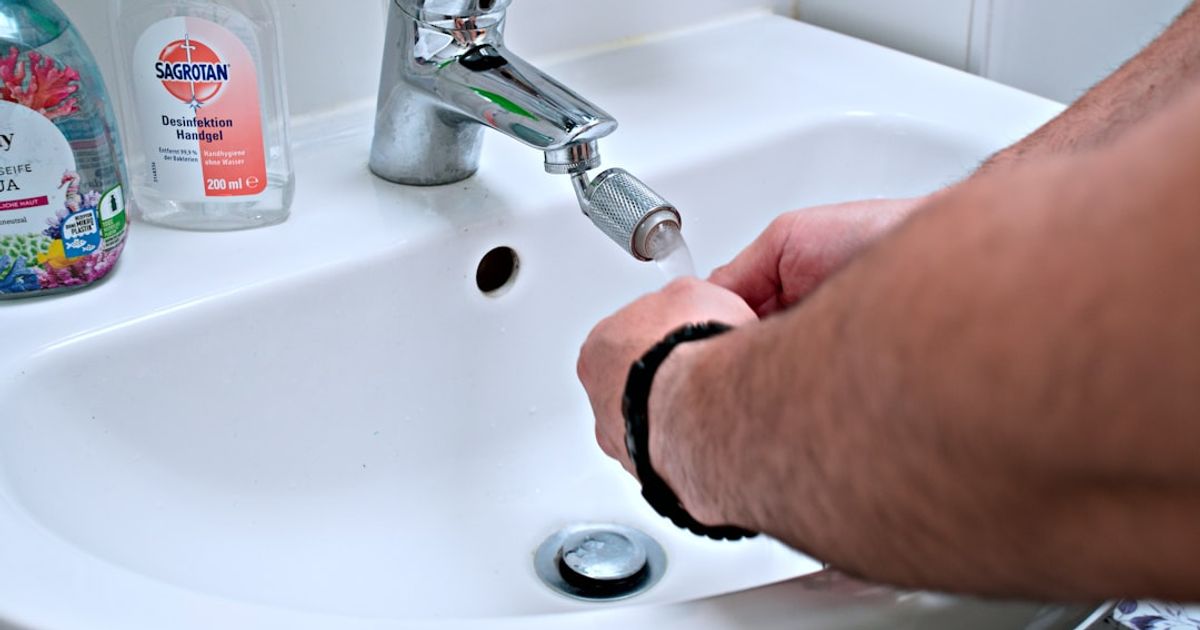
Winter Plumbing Preparedness Checklist: Protect Your Home Before Freeze Damage Strikes
Introduction: Why Winter Plumbing Preparation Matters
Winter in Portland brings beautiful snow-capped views and cozy evenings, but it also brings one of the most costly plumbing emergencies homeowners face: frozen pipes. When temperatures drop below freezing, water inside your pipes can expand and cause catastrophic damage that costs thousands of dollars to repair. The average burst pipe repair in Portland ranges from $500 to $1,500, but water damage restoration can add another $7-$10 per square foot to your total costs.
The good news? Most freeze damage is completely preventable with proper preparation. This comprehensive winter plumbing checklist guides you through every step needed to protect your Portland home before the freezing temperatures arrive. By taking action now—before winter weather strikes—you'll avoid emergency calls to plumbers during peak season (when rates are 1.5x to 2x higher) and protect your home's most critical systems.
This checklist is designed for Portland homeowners who want to be proactive. Whether you're in the Pearl District, West Hills, or outer Southeast Portland, the same freeze prevention principles apply. You don't need to be a plumber to complete these tasks; most items take just a few hours and require only basic tools. Let's get started protecting your home.
Quick Reference Summary: Top Priority Items
If you only have limited time, focus on these five most critical winter plumbing tasks:
1. Insulate All Exposed Pipes - Pipes in unheated spaces (attics, basements, crawl spaces, exterior walls) are most vulnerable. Foam pipe insulation costs $2-$4 per foot but prevents thousands in damage.
2. Drain and Shut Off Outdoor Faucets - Every exterior faucet in Portland should be drained and shut off before November. Leaving water in outdoor lines causes freeze damage in exposed pipes.
3. Locate Your Main Water Shut-Off - Know exactly where your main water valve is located. In an emergency, you need to shut off water within 30 seconds to minimize damage. Most Portland homes have the shut-off near the street or in the basement.
4. Seal Air Leaks Around Pipes - Cracks, gaps, and openings in exterior walls, foundations, and crawl spaces let freezing air reach your pipes. Use caulk, weatherstripping, and foam sealant to block cold air.
5. Keep Cabinet Doors Open Under Sinks - During freezing weather, open cabinet doors under kitchen and bathroom sinks to allow warm air to circulate around pipes. This simple step prevents many freeze-ups.
Additional High-Priority Items:
- Disconnect and drain garden hoses
- Insulate water heater and exposed pipes in the basement
- Check that heat tape is functioning on vulnerable pipes
- Install pipe insulation in crawl spaces
- Have a plumber's emergency number saved in your phone
These five items address 80% of freeze-related emergencies in Portland homes. Complete them before December 1st, and you'll significantly reduce your risk.
BEFORE WINTER: Inspection & Prevention Checklist
The best time to prevent freeze damage is now, before temperatures drop. Schedule a comprehensive plumbing inspection in October or early November while you still have time to address issues. This inspection takes 2-3 hours and should cover every area where pipes are exposed to cold.
Basement and Crawl Space Inspection:
- [ ] Walk through your entire basement and crawl space with a flashlight
- [ ] Identify all visible water pipes (copper, PVC, PEX, galvanized steel)
- [ ] Check for existing insulation on pipes—note which pipes are uninsulated
- [ ] Look for cracks in the foundation where cold air enters
- [ ] Check for standing water or moisture indicating previous leaks
- [ ] Verify that the basement or crawl space has adequate ventilation
- [ ] Test the sump pump (if you have one) by pouring water into the pit
- [ ] Ensure basement windows close completely and don't have gaps
- [ ] Check that basement doors seal properly
Attic and Upper Floor Inspection:
- [ ] Access your attic and look for pipes running through it
- [ ] Check for insulation around pipes in the attic
- [ ] Look for gaps where pipes enter the attic from below
- [ ] Verify that attic ventilation isn't blocked (proper airflow prevents ice dams)
- [ ] Check for any signs of previous leaks on attic framing
- [ ] Ensure attic access doors and hatches close tightly
Exterior Inspection:
- [ ] Walk around the entire exterior of your Portland home
- [ ] Locate all outdoor faucets (hose bibs) and note their condition
- [ ] Check for cracks or gaps in exterior walls near pipes
- [ ] Look for missing or damaged caulking around pipe penetrations
- [ ] Identify any exposed pipes on the exterior (including AC lines)
- [ ] Check that all exterior walls have proper insulation
- [ ] Look for signs of previous water damage or staining
- [ ] Verify that gutters and downspouts are clear and functioning
Water Heater Inspection:
- [ ] Check the temperature setting (should be 120°F for safety)
- [ ] Look for any leaks around the water heater base
- [ ] Verify that the water heater has adequate clearance for airflow
- [ ] Check the age of your water heater (if over 10 years old, consider replacement)
- [ ] Ensure the temperature and pressure relief valve is functioning
- [ ] Look for any rust, corrosion, or unusual sounds
- [ ] Verify that cold water supply line is properly insulated
Pipe Material Assessment:
Different pipe materials have different freeze risks. During your inspection, note what type of pipes you have:
- Copper pipes: Durable but conduct cold quickly; needs good insulation
- PVC pipes: More freeze-resistant than copper but can crack if fully frozen
- PEX pipes: Most freeze-resistant but still needs protection
- Galvanized steel: Older material; more prone to freeze damage
- Cast iron: Heavy and durable but can crack if frozen
Pipes made of copper or galvanized steel in unheated spaces need the most protection. PEX and PVC need protection too, but are slightly more forgiving.
Insulation: Protect Exposed Pipes from Freezing
Proper insulation is your first line of defense against freeze damage. In Portland, where winter temperatures can drop to the 20s and occasionally below, exposed pipes need protection. This section covers everything you need to know about pipe insulation.
Types of Pipe Insulation:
Foam Pipe Insulation (Most Common)
- Cost: $2-$4 per linear foot
- Material: Closed-cell foam in various thicknesses
- Installation: Slip over pipes; secure with tape or zip ties
- Best for: Straight runs of pipe in basements, crawl spaces, and attics
- R-value: Typically R-3 to R-6 depending on thickness
- Pros: Easy to install, affordable, effective
- Cons: Can deteriorate over time; rodents may chew through it
Fiberglass Pipe Wrap
- Cost: $1-$3 per linear foot
- Material: Fiberglass with vapor barrier
- Installation: Wrap around pipe and secure with tape
- Best for: Irregular pipe shapes; areas where foam won't fit
- R-value: R-3 to R-4
- Pros: Flexible; works on any pipe shape
- Cons: Less durable than foam; requires careful installation
Heat Tape (Heating Cable)
- Cost: $15-$50 per unit; $0.10-$0.20 per hour to operate
- Material: Electric heating cable with thermostat
- Installation: Wrap around pipe; plug into outlet
- Best for: Extremely vulnerable pipes; areas that get very cold
- Pros: Active heating; prevents freezing in extreme cold
- Cons: Uses electricity; requires outlet access; can be fire hazard if improperly installed
Pipe Sleeves and Covers
- Cost: $5-$15 per unit
- Material: Rubber or foam covers for specific fixtures
- Installation: Slip over outdoor faucets or exposed sections
- Best for: Outdoor faucets; quick temporary protection
- Pros: Easy to install; inexpensive
- Cons: Limited protection; best used with other methods
Where to Insulate (Priority Order):
Priority 1 - Critical Areas:
- Pipes in unheated crawl spaces (most common freeze location in Portland)
- Pipes in attics
- Pipes in exterior walls on the north side of the home
- Water supply lines entering the home from outside
- Pipes near exterior doors and windows
Priority 2 - Important Areas:
- Basement pipes near exterior walls
- Pipes in garages (especially if garage isn't heated)
- Exposed pipes under sinks
- Water heater supply lines
- Pipes in laundry areas
Priority 3 - Helpful but Less Critical:
- Interior pipes in heated basements
- Pipes in interior walls (usually protected by home's insulation)
- PEX pipes (more freeze-resistant than copper)
Installation Steps for Foam Pipe Insulation:
- Measure your pipes - Determine diameter (typically 1/2", 3/4", or 1") and total linear footage
- Purchase correct size - Foam insulation must fit your pipe diameter; buy slightly oversized for easier installation
- Prepare the area - Clear any debris; ensure pipes are clean and dry
- Slit the foam - Most foam pipe insulation has a pre-slit seam; if not, carefully cut lengthwise
- Slide onto pipe - Starting at one end, slide foam over the pipe
- Secure the seam - Use self-adhesive tape, duct tape, or zip ties to hold the slit closed
- Cover joints - Where pipes connect to fittings, wrap additional insulation around the joint
- Seal gaps - Use caulk or foam sealant to close any gaps where cold air could enter
- Insulate elbows - Wrap extra insulation around 90-degree bends and T-fittings
Special Attention for Portland Homes:
Portland's climate presents specific challenges. Winter temperatures rarely stay below freezing for extended periods, but rapid temperature swings can cause problems. Additionally, many Portland homes have crawl spaces rather than basements, and these spaces are particularly vulnerable to freezing. Crawl space pipes need extra attention:
- Insulate all pipes in crawl spaces, not just those near exterior walls
- Consider adding a vapor barrier on the ground to reduce moisture
- Ensure crawl space vents are closed or have dampers in winter
- Use thicker insulation (1.5" or 2") in crawl spaces
- Check that heat tape is installed on the most vulnerable pipes
Cost-Benefit Analysis:
Insulating pipes costs $200-$600 for an average Portland home, including materials and labor if you hire a plumber. This investment prevents damage that costs $500-$5,000+. The return on investment is immediate and dramatic.
Outdoor Faucets & Irrigation: Winterization Steps
Outdoor water systems are the first to freeze because they're fully exposed to winter weather. In Portland, where temperatures drop below freezing from December through February, every outdoor faucet and irrigation system must be properly winterized.
Winterizing Outdoor Faucets (Hose Bibs):
This is perhaps the single most important winter plumbing task. Outdoor faucets freeze because water trapped inside the faucet and supply line expands when it freezes. Here's the complete process:
Step 1: Disconnect All Garden Hoses
- Remove every garden hose from every outdoor faucet
- Drain water from hoses by laying them on the ground and rolling them
- Store hoses in a garage, shed, or storage area
- Do this by November 1st in Portland (before the first freeze)
Step 2: Drain Outdoor Faucets
- Turn on each outdoor faucet fully
- Let water run until no more water comes out
- This removes water from the faucet and exposed supply line
- For faucets on the north side of your home, leave them running longer
Step 3: Shut Off Exterior Water Supply
- Locate the shut-off valve for each outdoor faucet (usually inside your home)
- Turn the valve clockwise until it stops (don't force it)
- This is critical—it prevents water from reaching the outdoor faucet
- If you can't find the shut-off, call a Portland plumber to locate and install one
Step 4: Open the Faucet to Release Pressure
- After shutting off the supply, turn on the outdoor faucet
- Leave it open to release any remaining water pressure
- This prevents water from being trapped in the line
- Leave the faucet open all winter (it won't leak because the supply is shut off)
Step 5: Insulate the Faucet (Optional but Recommended)
- Even with the supply shut off, the faucet itself can freeze
- Use a faucet cover (also called a faucet sock) to insulate the faucet
- Cost: $5-$15 per cover
- Installation: Simply slip over the faucet and secure with tape or zip ties
- This provides extra protection and is especially important for exposed faucets
Winterizing Irrigation Systems:
If you have an underground irrigation system in your Portland yard, winterization is essential. Frozen water in irrigation lines can crack pipes and damage expensive equipment.
Professional Winterization (Recommended):
- Cost: $75-$150 for most Portland homes
- Process: Plumber uses an air compressor to blow out all water from the system
- Timing: Should be done by mid-November before first freeze
- Benefit: Prevents all freeze damage; extends system life
DIY Winterization (If Professional Not Available):
- Turn off the main irrigation valve
- Open all zone valves to release pressure
- Open the lowest drain valve and let water run out
- Leave all valves open through winter
- This is less effective than professional blowout but provides some protection
Sprinkler Head Protection:
- Remove above-ground sprinkler heads if possible
- Store in garage or shed
- For in-ground heads, cover with soil or mulch
- Some Portland homeowners install pop-up covers for protection
Outdoor Pipe Protection:
If you have any exposed pipes outside your home (for grills, outdoor kitchens, etc.):
- Disconnect all hoses and equipment
- Insulate pipes with foam insulation or heat tape
- Shut off supply valves
- Open faucets to release pressure
- Consider removing the pipes entirely if possible
Common Mistakes to Avoid:
- Leaving hoses connected: Water trapped in hoses can freeze and damage both the hose and the faucet
- Not shutting off the supply: Even with the faucet drained, water in the supply line can freeze
- Leaving the faucet closed: After shutting off the supply, you must open the faucet to release pressure
- Forgetting the shut-off valve: If you don't have shut-off valves for your outdoor faucets, have a Portland plumber install them before winter
- Waiting too long: Complete this winterization by November 1st; don't wait for the first freeze
Winterization Checklist for Portland Homeowners:
- [ ] Locate all outdoor faucets (front, back, sides of home)
- [ ] Locate shut-off valve for each faucet
- [ ] Disconnect all garden hoses by November 1st
- [ ] Drain all hoses completely
- [ ] Store hoses in protected location
- [ ] Turn on each outdoor faucet fully
- [ ] Let water run until faucet stops dripping
- [ ] Shut off supply valve for each faucet
- [ ] Turn on faucet again to release pressure
- [ ] Leave faucet open all winter
- [ ] Install faucet covers on exposed faucets
- [ ] Winterize irrigation system (professional or DIY)
- [ ] Remove and store any detachable outdoor equipment
- [ ] Insulate any exposed outdoor pipes
Interior Pipes: Identify At-Risk Areas in Your Home
While outdoor faucets are the most obvious freeze risk, interior pipes can also freeze—especially in Portland homes with crawl spaces, attics, or exterior walls. Understanding which interior pipes are most vulnerable helps you prioritize protection efforts.
Highest Risk Interior Locations:
Crawl Spaces Portland's prevalence of crawl spaces makes this the #1 interior freeze risk. Crawl space pipes are exposed to outdoor temperatures with minimal protection. The pipes that supply water to your home from the street typically run through the crawl space, making them critical to protect.
Risk factors:
- Direct exposure to outdoor temperature
- Often poorly insulated
- Limited air circulation
- Moisture problems that reduce insulation effectiveness
Protection steps:
- Insulate all pipes with 1.5" or thicker foam insulation
- Install heat tape on supply lines entering the home
- Ensure crawl space vents have dampers or are closed in winter
- Consider adding a moisture barrier on the crawl space floor
- Have a plumber inspect crawl space annually
Attics Attic pipes are exposed to the coldest air in your home. Water supply lines or waste pipes that run through attics are at high risk, especially near roof penetrations where cold air enters.
Risk factors:
- Exposed to outdoor temperatures
- Poor air circulation
- Often forgotten during winterization
- Ice dams can cause additional problems
Protection steps:
- Insulate all attic pipes with foam insulation
- Use heat tape on vulnerable supply lines
- Ensure attic ventilation isn't blocked
- Check for air leaks around roof penetrations
- Make sure attic insulation is adequate (minimum R-38 in Portland)
Exterior Walls Pipes running through exterior walls, particularly on the north side of your home, are at risk because they're closer to outdoor temperatures. This is especially true in older Portland homes with poor wall insulation.
Risk factors:
- Thin or missing wall insulation
- Cold air infiltration
- North-facing exposure
- Gaps in exterior caulking
Protection steps:
- Ensure wall cavities have adequate insulation (R-13 minimum)
- Seal air leaks in exterior walls
- Keep cabinet doors open under sinks in exterior walls
- Install foam insulation on pipes visible inside cabinets
- Have a plumber inspect walls for vulnerable pipes
Garages Unheated garages in Portland can reach freezing temperatures, especially if garage doors are frequently opened. Water supply lines to garages or laundry areas in garages are vulnerable.
Risk factors:
- Unheated space
- Frequent door openings
- Poor insulation
- Exposure to outdoor air
Protection steps:
- Insulate pipes with foam insulation
- Keep garage doors closed in freezing weather
- Use heat tape on supply lines
- Consider a space heater in the garage (with proper safety precautions)
- Ensure garage is adequately insulated
Basements While basements are usually partially heated, pipes near exterior walls or in areas with poor insulation can freeze. Basements in Portland homes are often damp, which reduces insulation effectiveness.
Risk factors:
- Exterior wall proximity
- Moisture reducing insulation R-value
- Poor or missing insulation
- Cold air infiltration
Protection steps:
- Insulate pipes near exterior walls
- Address moisture problems (use dehumidifier if needed)
- Seal cracks in foundation walls
- Keep basement temperature above 55°F
- Ensure basement insulation is adequate
Identifying Vulnerable Pipes in Your Home:
Walk through your Portland home and identify which pipes are most at risk:
- Supply lines (hot and cold water entering your home) - HIGHEST PRIORITY
- Usually run through crawl space or basement
- Deliver water to entire home
- Freezing cuts off water supply
- Must be insulated
- Water heater supply lines - HIGH PRIORITY
- Cold water enters water heater
- Hot water leaves water heater
- Both need insulation
- Freezing of cold supply line prevents hot water
- Pipes to bathrooms in exterior walls - MEDIUM-HIGH PRIORITY
- Supply lines through exterior walls
- Particularly vulnerable on north side
- Freezing affects specific fixtures
- Insulate inside cabinets and walls
- Kitchen supply lines - MEDIUM PRIORITY
- Usually in interior walls (lower risk)
- Can freeze if in exterior wall
- Check under sink for exposed pipes
- Insulate if running through cold areas
- Waste lines (drain pipes) - LOWER PRIORITY (but still important)
- Drain pipes can freeze if water sits in them
- Particularly vulnerable in attics or crawl spaces
- Insulating drains is less common but helpful
- Keep drains running (don't let water sit)
Temperature Monitoring:
For Portland homes, a simple way to identify freeze risk is temperature monitoring:
- Install a thermometer in your crawl space
- Monitor attic temperature if pipes are present
- Track temperature in garage if water lines are there
- If any area reaches below 40°F, pipes are at risk
- Most Portland freeze damage occurs when temperatures drop below 32°F for more than 4-6 hours
Pipe Tracing:
Understanding where your water comes into your home helps you identify all vulnerable pipes:
- Locate where the main water line enters your home (usually in crawl space or basement)
- Trace the line from the street to your home (usually the most vulnerable section)
- Identify where the line splits to supply different areas
- Note any areas where pipes are exposed or poorly insulated
- Mark these areas for winterization
Professional Assessment:
If you're unsure about vulnerable pipes in your Portland home, a professional plumber can:
- Conduct a thorough inspection ($100-$200)
- Identify all freeze-risk areas
- Recommend specific protection measures
- Install insulation or heat tape
- Install shut-off valves where needed
This investment now prevents emergency calls during winter when emergency rates are 1.5x-2x higher.
Emergency Supplies: What to Keep on Hand
Despite your best prevention efforts, emergencies can still happen. Having the right supplies on hand means you can respond quickly and minimize damage. Here's what every Portland home should have before winter arrives.
Essential Emergency Supplies:
1. Shut-Off Valve Wrench ($5-$15)
- Purpose: Turns main water shut-off valve
- Why: You need to shut off water within 30 seconds of discovering a burst pipe
- Type: Adjustable wrench or special valve wrench (depends on your valve type)
- Action: Locate your main shut-off valve NOW and test that the wrench works
- Storage: Keep wrench near the shut-off valve (tape it to the wall nearby)
2. Flashlight with Extra Batteries ($10-$20)
- Purpose: Illuminates crawl spaces, basements, and attics during inspection
- Why: You need to see pipes in dark spaces
- Type: LED flashlight (lasts longer than incandescent)
- Action: Test before winter; replace batteries in October
- Storage: Keep near main shut-off valve or in basement
3. Pipe Insulation Materials ($20-$50)
- Foam pipe insulation (for emergency wrapping)
- Heat tape (for vulnerable pipes)
- Caulk and foam sealant (for sealing air leaks)
- Why: Allows quick emergency insulation if temperatures drop unexpectedly
- Action: Stock extra materials beyond what you've already installed
- Storage: Keep in garage or basement for easy access
4. Towels and Buckets ($0-$20)
- Purpose: Contain water from leaks
- Why: Absorbs water and prevents water damage
- Type: Old towels (don't use good ones); 5-gallon buckets
- Action: Keep 5-10 towels and 2-3 buckets in accessible locations
- Storage: Basement, garage, or under sinks
5. Plumber's Contact Information ($0)
- Purpose: Quick access to emergency plumber
- Why: You need a plumber's number at 2 AM when pipes burst
- Action: Research Portland emergency plumbers NOW
- Storage: Write number on a card and post near phone; save in phone contacts
- Recommendation: Have 2-3 plumbers' numbers (in case one is busy)
6. Main Water Shut-Off Location Diagram ($0)
- Purpose: Shows location of main shut-off valve
- Why: Helps you find it quickly in an emergency
- Action: Draw a simple diagram or take a photo
- Storage: Post on refrigerator and in basement
- Details: Include distance from front door, nearby landmarks
7. Portable Space Heater ($40-$100)
- Purpose: Provides emergency heat to vulnerable areas
- Why: Can prevent freezing during unexpected cold snaps
- Type: Electric space heater with thermostat and safety shutoff
- Action: Ensure you have adequate electrical capacity
- Safety: NEVER use in crawl spaces or unventilated areas; fire hazard
- Storage: Garage or basement; test before winter
8. Heat Tape ($15-$50)
- Purpose: Prevents freezing of specific pipes
- Why: Active heating for most vulnerable pipes
- Type: Electric heating cable with built-in thermostat
- Action: Install on crawl space pipes before winter
- Safety: Follow manufacturer instructions; ensure proper grounding
- Storage: Keep extra rolls for emergency use
9. Pipe Repair Supplies ($20-$40)
- Pipe repair tape (temporary leak repair)
- Epoxy putty (temporary patch for small leaks)
- Pipe clamps (temporary leak containment)
- Why: Allows temporary repair while waiting for plumber
- Action: Stock before winter
- Storage: Basement or garage
- Note: These are TEMPORARY solutions; you'll still need a plumber
10. Moisture Absorbers ($10-$20)
- Purpose: Reduce humidity in crawl spaces
- Why: Moisture reduces insulation effectiveness
- Type: Dehumidifier or moisture-absorbing products
- Action: Use in damp crawl spaces
- Storage: Crawl space
Emergency Kit Assembly:
Create a winter plumbing emergency kit and store it in an easily accessible location:
Kit Contents:
- Copy of main shut-off valve location diagram
- List of emergency plumber phone numbers
- Shut-off valve wrench
- Flashlight with extra batteries
- Pipe insulation materials
- Towels and buckets
- Pipe repair supplies
- Instructions for emergency shut-off
Kit Location: Basement near main shut-off valve or garage
What to Do When Pipes Freeze:
- Shut off water immediately - Turn main valve clockwise until it stops
- Open faucets - Turn on faucets throughout home to relieve pressure
- Apply heat - Use hair dryer, heat lamp, or space heater on frozen pipe
- Never use open flame - Don't use blowtorch or propane heater (fire hazard)
- Call plumber - Contact emergency plumber immediately
- Document damage - Take photos for insurance claims
- Prevent further damage - Keep applying heat until plumber arrives
Portland Emergency Plumber Resources:
Research these NOW before you need them:
- Local 24/7 emergency plumbers
- Their response time (should be 30-60 minutes)
- Whether they charge emergency rates (typically 1.5x-2x normal)
- Their service area (ensure they cover your Portland neighborhood)
- Customer reviews and ratings
Having this information before an emergency means you can respond quickly and get professional help immediately.
Frequency Recommendations: When to Check and Maintain
Winter plumbing protection isn't a one-time task. Ongoing monitoring and maintenance throughout winter ensures your systems stay protected. Here's the recommended schedule for Portland homeowners.
BEFORE WINTER (October-November):
Week 1 of October:
- [ ] Schedule professional plumbing inspection ($100-$200)
- [ ] Inspect crawl space for vulnerable pipes
- [ ] Locate main water shut-off valve
- [ ] Test shut-off valve operation
- [ ] Photograph main shut-off location
Week 2 of October:
- [ ] Purchase pipe insulation materials
- [ ] Identify all outdoor faucets
- [ ] Locate shut-off valves for outdoor faucets
- [ ] Begin insulating exposed pipes in crawl space
- [ ] Install foam insulation on water heater pipes
Week 3 of October:
- [ ] Complete all pipe insulation installation
- [ ] Seal air leaks around pipes and penetrations
- [ ] Install heat tape on most vulnerable pipes
- [ ] Inspect attic for exposed pipes
- [ ] Check basement for vulnerable pipes
Week 4 of October / Week 1 of November:
- [ ] Winterize all outdoor faucets
- [ ] Disconnect and drain all garden hoses
- [ ] Install faucet covers
- [ ] Winterize irrigation system
- [ ] Final walkthrough of entire home
DURING WINTER (December-February):
Weekly Checks:
- [ ] Check crawl space temperature (should stay above 40°F)
- [ ] Verify heat tape is functioning on vulnerable pipes
- [ ] Look for any signs of water leaks
- [ ] Ensure faucets remain open (for those with shut-off supplies)
- [ ] Check that cabinet doors under sinks remain open
Monthly Checks:
- [ ] Inspect all visible pipes for signs of freezing
- [ ] Check water heater for leaks or unusual sounds
- [ ] Verify basement temperature stays above 55°F
- [ ] Test main shut-off valve operation
- [ ] Look for any new water stains or damage
- [ ] Check humidity in crawl space (dehumidifier effectiveness)
During Extreme Cold Snaps (Below 20°F):
- [ ] Let faucets drip slightly (moving water doesn't freeze as easily)
- [ ] Keep cabinet doors under sinks open
- [ ] Monitor crawl space temperature
- [ ] Ensure heat tape is functioning
- [ ] Be prepared to shut off water if needed
- [ ] Check pipes more frequently
After Freezing Events:
- [ ] Inspect all pipes for damage
- [ ] Look for slow leaks that develop after thawing
- [ ] Check water pressure (should be normal)
- [ ] Monitor water bill for unexpected increases
- [ ] Call plumber if you notice any issues
SPRING PREPARATION (March-April):
Week 1 of March:
- [ ] Begin removing pipe insulation from outdoor areas
- [ ] Reconnect garden hoses
- [ ] Remove faucet covers
- [ ] Open outdoor faucet shut-off valves
- [ ] Test all outdoor faucets for proper operation
Week 2-4 of March:
- [ ] Reactivate irrigation system (have professional do this)
- [ ] Inspect all pipes for winter damage
- [ ] Check for any leaks that developed during winter
- [ ] Clean gutters and downspouts
- [ ] Inspect basement and crawl space for water damage
April:
- [ ] Complete any repairs needed from winter damage
- [ ] Have plumber inspect for any hidden damage
- [ ] Plan for next winter's improvements
- [ ] Document any problems for insurance purposes
Temperature-Based Monitoring:
Portland weather is unpredictable. Use these temperature guidelines:
Above 45°F: Standard monitoring only
- Weekly checks sufficient
- No special precautions needed
- Pipes are safe
32°F - 45°F: Increased monitoring
- Check pipes 2-3 times per week
- Keep cabinet doors open under sinks
- Monitor heat tape functionality
- Be prepared for emergency
Below 32°F: Active protection mode
- Daily checks of vulnerable pipes
- Let faucets drip slightly
- Keep cabinet doors open
- Monitor crawl space temperature
- Have plumber on standby
Below 20°F: Emergency alert mode
- Check pipes multiple times daily
- Ensure heat tape is functioning
- Keep faucets dripping
- Monitor main shut-off valve
- Be prepared to shut off water
- Consider calling plumber for inspection
Record Keeping:
Keep a simple log of your winter plumbing checks:
- Date of inspection
- Temperature when checked
- Any issues observed
- Actions taken
- Plumber calls (if any)
This documentation helps you identify patterns and is valuable for insurance claims if damage occurs.
Warning Signs to Watch For: Red Flags During Winter
Even with proper preparation, problems can develop. Knowing the warning signs allows you to catch issues before they become catastrophic. Here's what to watch for during Portland winters.
Signs of Frozen Pipes:
No water coming from faucet
- Most obvious sign of frozen pipe
- Could affect single faucet or entire home
- If single faucet: that supply line is frozen
- If entire home: main supply line is frozen (emergency)
What to do:
- Don't panic; frozen pipes aren't burst pipes (yet)
- Apply heat to the frozen section
- Use hair dryer or heat lamp (never open flame)
- Call plumber if you can't thaw it
Reduced water pressure
- Water still comes out but much slower than normal
- Could indicate partial freezing
- Often precedes complete freeze
What to do:
- Check multiple faucets to see if pressure is low everywhere
- If everywhere: main line may be partially frozen
- If one area: that line is freezing
- Apply heat immediately
- Call plumber if pressure doesn't return to normal
Strange sounds from pipes
- Banging, clanging, or whistling sounds
- Could indicate ice forming in pipes
- Often happens before freezing is complete
What to do:
- This is a warning sign; act immediately
- Apply heat to pipes
- Check insulation
- Call plumber for inspection
Frost or ice on pipes
- Visible ice on exposed pipes
- Sign that freezing is occurring
- Indicates imminent pipe freeze
What to do:
- Apply heat immediately
- Wrap pipe with heat tape if not already done
- Increase insulation
- Call plumber
Signs of Burst or Leaking Pipes:
Water pooling or dripping
- Water visible in crawl space, basement, or attic
- Dripping from ceiling or walls
- Water appearing in unexpected places
What to do:
- Shut off water immediately at main valve
- Place bucket under leak to contain water
- Call emergency plumber immediately
- Document with photos for insurance
- Do NOT use electrical outlets in wet areas
Water stains on ceilings or walls
- Brown or yellow stains
- Indicates water has leaked through
- May indicate damage from previous freezing
What to do:
- Call plumber to inspect
- Take photos for insurance
- Monitor for additional staining
- May indicate need for water damage restoration
Unusual water meter readings
- Water meter spinning when no water is being used
- Indicates leak somewhere in system
- Could be small leak or major break
What to do:
- Shut off main water valve
- Call plumber immediately
- Check meter again after shutting off to confirm leak
- Document reading for insurance
Wet spots in yard
- Green patches in winter
- Soft areas in ground
- Water pooling in yard
- Could indicate burst main water line
What to do:
- Mark the area
- Call plumber immediately
- Main line breaks are expensive ($1,000-$3,500) but need immediate attention
- Document with photos
Mold or mildew growth
- Indicates moisture from leaks
- Often develops after freeze damage
- Health hazard if extensive
What to do:
- Call plumber to find leak source
- Address moisture problem
- May need mold remediation
- Health hazard; don't ignore
Signs of Water Damage:
Soft drywall or flooring
- Indicates water saturation
- Serious damage requiring professional restoration
- Potential mold growth
What to do:
- Stop water source immediately
- Call water damage restoration company
- Call insurance company
- Do not use affected areas
- Professional restoration needed
Buckled or warped flooring
- Hardwood floors cupping or buckling
- Laminate flooring delaminating
- Indicates water damage
What to do:
- Stop water source
- Call restoration company
- Document damage with photos
- May need floor replacement
- File insurance claim
Peeling paint or wallpaper
- Indicates moisture behind walls
- May indicate pipe leak inside walls
- Can indicate ice dam damage
What to do:
- Call plumber to inspect
- May need wall opening to find leak
- Document damage
- Address moisture source
Musty or moldy smells
- Indicates moisture and mold growth
- Health hazard
- Often sign of hidden leak
What to do:
- Call plumber to find moisture source
- May need mold inspection
- Address ventilation issues
- Professional remediation may be needed
What NOT to Do When You Suspect a Problem:
- Don't ignore it - Small problems become big problems quickly
- Don't wait for warm weather - Damage gets worse as water sits
- Don't attempt major repairs yourself - Plumbing is complex; improper repair causes more damage
- Don't use electrical appliances in wet areas - Electrocution hazard
- Don't delay calling a plumber - Emergency response is critical
- Don't forget to shut off water - If you find a leak, shut off water immediately
When to Call an Emergency Plumber:
Call immediately (24/7 emergency):
- Water gushing from pipe
- Burst pipe visible
- Water pooling in home
- No water coming from any faucet (main line frozen)
- Sewage backing up
- Ceiling or wall dripping water
Call same day (urgent but not emergency):
- Reduced water pressure everywhere
- Single faucet producing no water
- Visible frost on pipes
- Strange sounds from pipes
- Small leak under sink
- Water stains on ceilings
Call for appointment (non-emergency):
- Winterization inspection
- Pipe insulation installation
- Heat tape installation
- Outdoor faucet winterization
- General plumbing inspection
In Portland, emergency plumber response time is typically 30-60 minutes during normal times, but can extend to 2+ hours during extreme cold snaps when multiple emergencies are occurring.
Printable Winter Plumbing Checklist
Use this checklist to track your winter plumbing preparation. Print and post on your refrigerator or basement wall.
``` ═══════════════════════════════════════════════════════════════ WINTER PLUMBING PREPAREDNESS CHECKLIST - PORTLAND HOMES ═══════════════════════════════════════════════════════════════
HOME ADDRESS: _________________________ DATE: _______________
═══════════════════════════════════════════════════════════════ OCTOBER - INSPECTION PHASE ═══════════════════════════════════════════════════════════════
□ Schedule professional plumbing inspection □ Inspect crawl space for exposed pipes □ Inspect attic for exposed pipes □ Inspect basement for vulnerable pipes □ Locate main water shut-off valve □ Test main shut-off valve operation □ Take photo of shut-off valve location □ Locate shut-off valves for outdoor faucets □ Test outdoor faucet shut-off valves □ Identify all outdoor faucets (count: ___) □ Assess pipe insulation status □ Check water heater for leaks □ Inspect foundation for cracks □ Check exterior caulking around pipes
═══════════════════════════════════════════════════════════════ NOVEMBER - PREPARATION PHASE ═══════════════════════════════════════════════════════════════
PIPE INSULATION: □ Purchase foam pipe insulation (_____ linear feet) □ Purchase heat tape for vulnerable pipes □ Purchase caulk and sealant □ Insulate crawl space pipes □ Insulate attic pipes □ Insulate water heater pipes □ Insulate basement pipes near exterior walls □ Insulate pipes in exterior walls (if accessible) □ Insulate pipes in garage □ Seal air leaks around pipes □ Install heat tape on vulnerable pipes □ Test heat tape functionality
OUTDOOR FAUCETS: □ Disconnect all garden hoses (count: ___) □ Drain all garden hoses □ Store hoses in protected location □ Drain all outdoor faucets □ Shut off supply valves for outdoor faucets □ Open outdoor faucets to release pressure □ Install faucet covers on outdoor faucets □ Verify faucets remain open all winter
IRRIGATION SYSTEM: □ Schedule professional irrigation winterization □ OR perform DIY winterization □ Shut off main irrigation valve □ Open all zone valves □ Drain lowest drain valve □ Leave all valves open
EMERGENCY PREPARATION: □ Create main shut-off location diagram □ Research emergency plumber phone numbers □ Save plumber numbers in phone □ Assemble emergency kit □ Stock pipe repair supplies □ Stock towels and buckets □ Install thermometer in crawl space □ Post emergency numbers on refrigerator
═══════════════════════════════════════════════════════════════ DECEMBER - MONITORING PHASE BEGINS ═══════════════════════════════════════════════════════════════
□ Final walkthrough of entire home □ Verify all insulation is in place □ Verify heat tape is functioning □ Verify outdoor faucets are protected □ Verify crawl space temperature □ Test main shut-off valve operation □ Verify emergency kit is accessible □ Begin weekly monitoring schedule
═══════════════════════════════════════════════════════════════ WINTER MONITORING (December - February) ═══════════════════════════════════════════════════════════════
WEEKLY CHECKS: Week of ________: □ Check crawl space temperature □ Verify heat tape functioning □ Look for water leaks □ Check faucets remain open □ Check cabinet doors open □ Visual inspection of exposed pipes
Week of ________: □ Check crawl space temperature □ Verify heat tape functioning □ Look for water leaks □ Check faucets remain open □ Check cabinet doors open □ Visual inspection of exposed pipes
Week of ________: □ Check crawl space temperature □ Verify heat tape functioning □ Look for water leaks □ Check faucets remain open □ Check cabinet doors open □ Visual inspection of exposed pipes
MONTHLY CHECKS: December: □ Inspect all visible pipes □ Check water heater □ Verify basement temperature □ Test main shut-off valve □ Look for water stains □ Check humidity in crawl space
January: □ Inspect all visible pipes □ Check water heater □ Verify basement temperature □ Test main shut-off valve □ Look for water stains □ Check humidity in crawl space
February: □ Inspect all visible pipes □ Check water heater □ Verify basement temperature □ Test main shut-off valve □ Look for water stains □ Check humidity in crawl space
═══════════════════════════════════════════════════════════════ EMERGENCY CONTACTS ═══════════════════════════════════════════════════════════════
Emergency Plumber #1: _________________________ Phone: _________ Emergency Plumber #2: _________________________ Phone: _________ Emergency Plumber #3: _________________________ Phone: _________ Water Damage Restoration: ______________________ Phone: _________ Insurance Company: _____________________________ Phone: _________ Main Shut-Off Valve Location: _________________________________
═══════════════════════════════════════════════════════════════ NOTES & OBSERVATIONS ═══════════════════════════════════════════════════════════════
_________________________________________________________________ _________________________________________________________________ _________________________________________________________________ _________________________________________________________________ _________________________________________________________________ ```
FAQ: Freeze Prevention & Thawing Safe Methods
Q: How do I know if my pipes are frozen?
A: The most obvious sign is no water coming from a faucet or very reduced water pressure. You might also notice frost on exposed pipes, hear unusual sounds (banging or whistling) from pipes, or see ice on the exterior of pipes. If you suspect frozen pipes, try opening multiple faucets to determine if the problem is localized to one area or affects your entire home. If all faucets have no water, your main supply line is likely frozen (emergency situation). If only one area has no water, that specific supply line is frozen. Act immediately by applying heat to the frozen section using a hair dryer or heat lamp—never use an open flame like a blowtorch or propane heater, as this creates a serious fire hazard.
Q: What's the safest way to thaw frozen pipes?
A: The safest method is using a hair dryer on the warm setting, held 6-12 inches from the pipe. Move it slowly along the frozen section, allowing the pipe to warm gradually. This prevents sudden temperature changes that could crack the pipe. Alternative safe methods include wrapping the pipe with heat tape (if not already installed), using a heat lamp positioned safely away from the pipe, or placing hot towels around the pipe and replacing them as they cool. For pipes inside walls or inaccessible locations, apply heat to the wall surface. The key is gradual, gentle heating. Never use boiling water on metal pipes in freezing temperatures—the sudden temperature change can cause pipes to crack or burst. Never use open flames, blowtorches, or propane heaters near pipes—extreme heat causes pipes to crack and creates fire hazards. If you can't thaw the pipe after 30 minutes of careful heating, call an emergency plumber. In Portland, most plumbers can respond within 30-60 minutes.
Q: Should I let my faucets drip during freezing weather?
A: Yes, letting faucets drip slightly during extreme cold (below 20°F) helps prevent freezing because moving water is harder to freeze than still water. Open the faucet just enough for a steady drip—you want water flowing, not gushing. This is particularly important for faucets supplied by pipes that are vulnerable to freezing. However, this is a temporary measure, not a substitute for proper insulation and winterization. Letting faucets drip increases water usage and your water bill, so only do this during genuine freeze warnings, not all winter. If you're letting faucets drip, open both hot and cold water slightly—moving water in both lines reduces freeze risk. This technique is especially helpful for outdoor faucets that have shut-off valves (the faucet itself can still freeze even if the supply is shut off). In Portland, this strategy is most useful during the occasional deep freeze, typically in January or February.
Q: How often should I check my pipes during winter?
A: During normal winter weather (above 32°F), a weekly inspection is sufficient. Check your crawl space, look at visible pipes, and verify that insulation is intact. During freezing weather (32°F to below), increase to 2-3 checks per week. When temperatures drop below 20°F or during freeze warnings, check pipes daily or even twice daily. During extreme cold snaps (below 10°F), you should monitor continuously if possible. Focus your attention on the most vulnerable areas: crawl spaces, attics, exterior walls, garages, and basements. Look for frost on pipes, water pooling, or leaks. Check that heat tape is functioning (it should feel warm to the touch). Verify that outdoor faucets remain open and that cabinet doors under sinks remain open. In Portland, most freeze damage occurs during the rare extreme cold events in January or February, so increase your monitoring during these months.
Q: What should I do if I find a burst pipe?
A: Immediately shut off your main water valve by turning it clockwise until it stops (don't force it). This stops water from flowing through the burst section and prevents additional water damage. Once water is shut off, open all faucets throughout your home to release remaining pressure and drain the system. Place buckets or towels under the leak to contain water and prevent it from spreading. Document the damage with photos for your insurance claim. Do not attempt to repair a burst pipe yourself—this requires professional plumbing work and likely new pipe sections. Call an emergency plumber immediately; this is a genuine emergency that requires urgent professional attention. In Portland, emergency plumbers typically respond within 30-60 minutes, though response time may be longer during widespread freeze events. While waiting for the plumber, continue to keep water shut off and contain any water with towels. Burst pipes are expensive to repair ($500-$1,500 depending on location and severity) but allowing water to continue flowing causes tens of thousands in water damage.
Q: Can I use heat tape on all my pipes?
A: Heat tape is excellent for protecting vulnerable pipes but isn't necessary for all pipes in your home. Use heat tape on: (1) main water supply lines entering your home, (2) pipes in crawl spaces that are extremely cold, (3) pipes in attics, (4) pipes in unheated garages, and (5) outdoor faucet supply lines. You don't need heat tape on pipes in heated, insulated interior walls, as these are protected by your home's insulation. Heat tape is more expensive than foam insulation (both in initial cost and ongoing electricity use), so prioritize the most vulnerable pipes. Choose heat tape with a built-in thermostat that only operates when temperature drops below 40°F—this saves electricity. Follow manufacturer instructions carefully, as improper installation can be a fire hazard. Ensure heat tape is grounded properly and plugged into a GFCI outlet. Test heat tape in fall to ensure it's functioning before winter arrives. In Portland, heat tape is particularly valuable for crawl space pipes, which are the most common freeze location in our region.
Q: How much does emergency plumbing cost in Portland if pipes freeze?
A: Emergency plumbing rates in Portland are typically 1.5 to 2 times higher than standard rates. A standard service call costs $150-$250, but emergency calls (nights, weekends, holidays) cost $225-$500 just for the call-out fee. Hourly rates typically run $100-$150 per hour during normal times, but $150-$250 per hour for emergency calls. Actual repair costs depend on the problem: thawing frozen pipes costs $150-$300, repairing a burst pipe costs $500-$1,500, and replacing sections of pipe costs $800-$2,500+. If water damage occurs, restoration costs add $7-$10 per square foot. Many Portland plumbers offer payment plans for large repairs. The best strategy is prevention—spending $200-$600 on insulation and winterization prevents thousands in emergency repair costs. Additionally, many homeowners insurance policies cover freeze damage if you can prove you took reasonable precautions, so document your winterization efforts.
Q: What's the best way to winterize outdoor faucets in Portland?
A: The complete process has several steps: (1) Disconnect all garden hoses by November 1st and drain them completely. (2) Turn on each outdoor faucet fully and let water run until it stops—this drains the faucet and exposed supply line. (3) Locate the shut-off valve for each faucet (usually inside your home near where the line enters) and turn it clockwise until it stops. This prevents water from reaching the outdoor faucet. (4) After shutting off the supply, turn on the outdoor faucet again and leave it open all winter—this releases any remaining pressure. (5) Install a faucet cover (also called a faucet sock) over the faucet for additional insulation; these cost $5-$15 and slip over the faucet easily. If you don't have shut-off valves for your outdoor faucets, call a Portland plumber to install them—this is a worthwhile investment. Proper winterization of outdoor faucets prevents the most common freeze damage in Portland homes. If you skip this step, you're almost guaranteed to have freeze damage to your outdoor lines.
Conclusion: Preparation Prevents Costly Damage
Winter in Portland brings beauty and charm, but it also brings the risk of expensive freeze damage to your home's plumbing system. The good news is that freeze damage is almost entirely preventable with proper preparation and ongoing monitoring. By following this comprehensive winter plumbing checklist, you'll protect your Portland home from the costly emergencies that plague unprepared homeowners.
The key takeaways from this guide are straightforward: First, insulate all exposed pipes in vulnerable locations—crawl spaces, attics, exterior walls, and garages. Second, properly winterize all outdoor faucets and irrigation systems before the first freeze. Third, identify which interior pipes are most at risk and protect them accordingly. Fourth, assemble an emergency kit with essential supplies and emergency plumber contact information. Fifth, maintain a regular monitoring schedule throughout winter, checking pipes weekly and more frequently during freezing weather.
The investment required for winter plumbing preparation is modest—typically $200-$600 in materials and labor for an average Portland home. This investment prevents repair costs of $500-$5,000+ for freeze damage, not to mention the stress and inconvenience of dealing with emergencies during winter. Additionally, proper winterization protects your home's structural integrity and prevents water damage that can cost tens of thousands to restore.
Portland's climate makes freeze prevention especially important. Our winters often bring sudden temperature drops, and while we don't experience the sustained sub-zero temperatures of northern states, our freeze-thaw cycles create particular challenges. Pipes that freeze and thaw repeatedly are more likely to develop cracks and leaks. By maintaining consistent protection throughout winter, you prevent these damaging cycles.
Remember that winterization isn't a one-time task completed in November. It requires ongoing attention through December, January, and February. Weekly monitoring of vulnerable pipes, regular checks of insulation and heat tape, and vigilance for warning signs ensure that problems are caught early before they become emergencies. The time you invest in monitoring now prevents frantic emergency calls at 2 AM when temperatures plunge unexpectedly.
If you find yourself uncertain about any aspect of winter plumbing preparation, don't hesitate to call a licensed Portland plumber. A professional inspection ($100-$200) identifies all vulnerable pipes and recommends specific protection measures. This investment is far less than the cost of emergency repairs and gives you peace of mind knowing your home is properly protected.
As you prepare your Portland home for winter, use this checklist as your guide. Print it, post it on your refrigerator, and work through each section systematically. By the time December arrives, you'll have comprehensive protection in place. When the inevitable freeze warnings come, you'll be ready—your pipes will be insulated, your outdoor faucets winterized, your emergency kit assembled, and your plumber's number saved in your phone.
Winter plumbing emergencies are stressful, expensive, and largely preventable. Take action now to protect your Portland home. Your future self will thank you when the first freeze hits and your home's plumbing systems function flawlessly despite the cold. Preparation truly does prevent costly damage.

Frequently Asked Questions
Q:How do I know if my pipes are frozen?
A: The most obvious sign is no water coming from a faucet or very reduced water pressure. You might also notice frost on exposed pipes, hear unusual sounds (banging or whistling) from pipes, or see ice on the exterior of pipes. If you suspect frozen pipes, try opening multiple faucets to determine if the problem is localized to one area or affects your entire home. If all faucets have no water, your main supply line is likely frozen (emergency situation). If only one area has no water, that specific supply line is frozen. Act immediately by applying heat to the frozen section using a hair dryer or heat lamp—never use an open flame like a blowtorch or propane heater, as this creates a serious fire hazard.
Q:What's the safest way to thaw frozen pipes?
A: The safest method is using a hair dryer on the warm setting, held 6-12 inches from the pipe. Move it slowly along the frozen section, allowing the pipe to warm gradually. This prevents sudden temperature changes that could crack the pipe. Alternative safe methods include wrapping the pipe with heat tape, using a heat lamp positioned safely away from the pipe, or placing hot towels around the pipe and replacing them as they cool. Never use boiling water on metal pipes in freezing temperatures—the sudden temperature change can cause pipes to crack. Never use open flames, blowtorches, or propane heaters near pipes. If you can't thaw the pipe after 30 minutes of careful heating, call an emergency plumber. In Portland, most plumbers can respond within 30-60 minutes.
Q:Should I let my faucets drip during freezing weather?
A: Yes, letting faucets drip slightly during extreme cold (below 20°F) helps prevent freezing because moving water is harder to freeze than still water. Open the faucet just enough for a steady drip—you want water flowing, not gushing. This is particularly important for faucets supplied by pipes that are vulnerable to freezing. However, this is a temporary measure, not a substitute for proper insulation and winterization. Letting faucets drip increases water usage and your water bill, so only do this during genuine freeze warnings, not all winter. Open both hot and cold water slightly to reduce freeze risk in both lines. In Portland, this strategy is most useful during the occasional deep freeze, typically in January or February.
Q:How often should I check my pipes during winter?
A: During normal winter weather (above 32°F), a weekly inspection is sufficient. Check your crawl space, look at visible pipes, and verify that insulation is intact. During freezing weather (32°F to below), increase to 2-3 checks per week. When temperatures drop below 20°F or during freeze warnings, check pipes daily. During extreme cold snaps (below 10°F), monitor continuously if possible. Focus your attention on the most vulnerable areas: crawl spaces, attics, exterior walls, garages, and basements. Look for frost on pipes, water pooling, or leaks. Check that heat tape is functioning. Verify that outdoor faucets remain open and that cabinet doors under sinks remain open. In Portland, most freeze damage occurs during rare extreme cold events in January or February.
Q:What should I do if I find a burst pipe?
A: Immediately shut off your main water valve by turning it clockwise until it stops. This stops water from flowing through the burst section and prevents additional water damage. Once water is shut off, open all faucets throughout your home to release remaining pressure. Place buckets or towels under the leak to contain water. Document the damage with photos for your insurance claim. Do not attempt to repair a burst pipe yourself—this requires professional plumbing work. Call an emergency plumber immediately; this is a genuine emergency requiring urgent professional attention. In Portland, emergency plumbers typically respond within 30-60 minutes. Burst pipes cost $500-$1,500 to repair, but allowing water to continue flowing causes tens of thousands in water damage.
Q:Can I use heat tape on all my pipes?
A: Heat tape is excellent for protecting vulnerable pipes but isn't necessary for all pipes in your home. Use heat tape on: main water supply lines entering your home, pipes in crawl spaces that are extremely cold, pipes in attics, pipes in unheated garages, and outdoor faucet supply lines. You don't need heat tape on pipes in heated, insulated interior walls. Heat tape is more expensive than foam insulation, so prioritize the most vulnerable pipes. Choose heat tape with a built-in thermostat that only operates when temperature drops below 40°F—this saves electricity. Follow manufacturer instructions carefully, as improper installation can be a fire hazard. Ensure heat tape is grounded properly and plugged into a GFCI outlet. Test heat tape in fall to ensure it's functioning before winter arrives. In Portland, heat tape is particularly valuable for crawl space pipes, which are the most common freeze location.
Q:How much does emergency plumbing cost in Portland if pipes freeze?
A: Emergency plumbing rates in Portland are typically 1.5 to 2 times higher than standard rates. A standard service call costs $150-$250, but emergency calls (nights, weekends, holidays) cost $225-$500 just for the call-out fee. Hourly rates typically run $100-$150 per hour during normal times, but $150-$250 per hour for emergency calls. Actual repair costs depend on the problem: thawing frozen pipes costs $150-$300, repairing a burst pipe costs $500-$1,500, and replacing pipe sections costs $800-$2,500+. If water damage occurs, restoration costs add $7-$10 per square foot. The best strategy is prevention—spending $200-$600 on insulation and winterization prevents thousands in emergency repair costs. Many homeowners insurance policies cover freeze damage if you can prove you took reasonable precautions.